 carjourney
From the CarJourney journal
Add Vehicles: Complete Guide for Managing Your Fleet

Managing multiple vehicles requires organization, attention to detail, and the right tracking systems. Whether you're adding your first car to a digital platform or expanding a collection of modified builds, understanding the proper steps to add vehicles ensures you maintain accurate records and maximize your investment. This comprehensive guide walks you through everything you need to know about adding vehicles to your management system, from initial documentation to ongoing maintenance tracking.
Understanding Vehicle Documentation Requirements
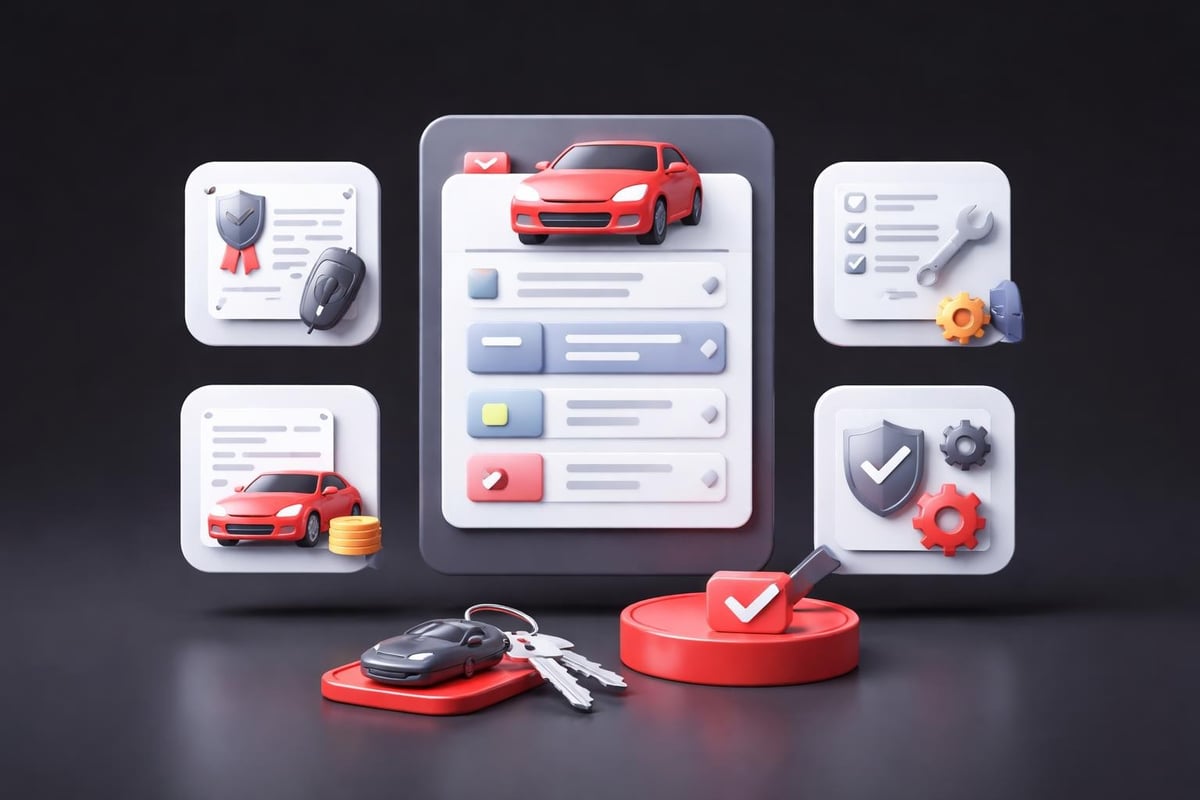
Before you add vehicles to any tracking system, gathering the right documentation creates a solid foundation for future management. Vehicle documentation serves as your reference point for maintenance schedules, modification history, and resale value.
Essential Documents to Collect
When you add vehicles to your management platform, start by collecting these critical documents:
- Vehicle title and registration papers
- Original purchase documents or bill of sale
- Previous maintenance records
- Warranty information
- Owner's manual and service guides
- Insurance documentation
Understanding vehicle registration requirements helps you maintain compliance across different jurisdictions. Each state has specific requirements that affect how you document and track your vehicles.
Creating a Vehicle Profile
A comprehensive vehicle profile captures every detail that matters for long-term ownership. When you add vehicles to your tracking system, include specifications like make, model, year, VIN (Vehicle Identification Number), engine type, transmission, and color. This information becomes invaluable when ordering parts or researching modifications.
The VIN alone unlocks a wealth of information about your vehicle's manufacturing details, recall history, and original specifications. Recording this during the initial setup saves time later when you need quick access to vehicle-specific data.
| Information Type | Why It Matters | Where to Find It |
|---|---|---|
| VIN | Unique identifier for parts and recalls | Dashboard, driver's side door jamb |
| Engine Code | Helps identify compatible modifications | Under hood, vehicle documentation |
| Paint Code | Exact color match for repairs | Door jamb sticker |
| Production Date | Determines model year specifications | Door jamb sticker, title |
Financial Considerations When Adding Vehicles
The financial aspects of vehicle ownership extend beyond the purchase price. When you add vehicles to your collection, understanding the complete financial picture helps you budget effectively.
Purchase Price and Valuation
Determining accurate vehicle value protects your investment. Use resources like Kelley Blue Book to establish baseline valuations before making purchase decisions. This benchmark becomes your starting point for tracking appreciation or depreciation over time.
For modified vehicles, factor in the cost of aftermarket parts and labor. Many modifications don't translate to increased resale value, so tracking these investments separately helps you understand your total ownership costs.
Tax Implications and Deductions
Vehicle ownership carries various tax considerations that vary based on usage. The IRS provides guidance on potential deductions for business use, which applies if you add vehicles primarily for work purposes. Even personal vehicles may qualify for certain state tax credits, particularly electric or hybrid models.
Documentation becomes crucial here. Digital tracking platforms automatically create the detailed logs needed for tax purposes, recording mileage, fuel costs, and maintenance expenses throughout the year.
Insurance Setup for New Vehicles
Insurance represents one of the most important steps when you add vehicles to your collection. Understanding auto insurance basics ensures you secure adequate coverage without overpaying.
Coverage Types and Requirements
Standard insurance coverage includes liability, collision, and comprehensive protection. However, modified vehicles often require additional coverage for aftermarket parts and customizations. When you add vehicles with substantial modifications, inform your insurance provider about these changes to ensure proper coverage.
Agreed value policies work better for collector or heavily modified vehicles than standard replacement cost coverage. This approach establishes the vehicle's value upfront, protecting your investment in modifications and rare components.
Digital Tracking Platform Benefits
Modern vehicle management extends far beyond paper logbooks. Digital platforms transform how you add vehicles to your tracking system, offering features that traditional methods can't match.
Centralized Information Management
When you add vehicles to a digital platform, all information lives in one accessible location. Maintenance schedules, modification logs, fuel economy tracking, and expense records sync across devices, ensuring you always have current data available.
CarJourney specializes in this comprehensive approach, offering AI-powered insights that help you understand maintenance patterns and anticipate future needs. The platform grows smarter as you add vehicles and accumulate data, providing increasingly personalized recommendations.
For serious enthusiasts managing multiple builds, CarJourney Pro - Yearly provides unlimited vehicle tracking with advanced modification logging and community features that connect you with other enthusiasts working on similar projects.
Automated Reminders and Scheduling
Digital systems excel at time-based tracking. Set up maintenance reminders based on mileage or calendar intervals, ensuring you never miss critical service deadlines. When you add vehicles to your tracking platform, configure these alerts based on manufacturer recommendations or your personal maintenance philosophy.
Advanced platforms analyze your driving patterns and predict when services become due, accounting for variables like climate, driving style, and vehicle usage patterns.
Maintenance History Documentation
Comprehensive maintenance records protect resale value and help diagnose recurring issues. When you add vehicles to your tracking system, begin documenting every service from day one.
Recording Routine Maintenance
Routine maintenance forms the backbone of vehicle longevity. Track oil changes, tire rotations, fluid flushes, and filter replacements with dates, mileage, and service provider information. Understanding oil change costs and tracking them over time reveals patterns in your vehicle's needs.
- Oil changes: Type, viscosity, and interval
- Tire services: Rotation, balancing, replacement
- Brake work: Pad thickness, rotor condition
- Fluid services: Coolant, transmission, differential
Modification Tracking and Build Logs
For modified vehicles, detailed build logs preserve your investment's value and help future owners understand the work completed. When you add vehicles that you plan to modify, create a dedicated section for tracking parts, installation dates, and performance changes.
Document baseline performance metrics before modifications begin. Acceleration times, braking distances, and fuel economy figures provide objective data for measuring modification impact. Photos and videos complement written records, creating a complete picture of your vehicle's evolution.

Environmental and Efficiency Considerations
Modern vehicle ownership increasingly focuses on environmental impact and fuel efficiency. When you add vehicles to your collection, these factors influence both operating costs and regulatory compliance.
Fuel Economy Tracking
Consistent fuel economy monitoring reveals engine health issues before they become serious problems. Sudden drops in efficiency often indicate maintenance needs like dirty air filters, worn spark plugs, or tire pressure problems. The fuel economy ratings provided by the Department of Energy establish realistic benchmarks for your vehicle.
Track fuel purchases with date, mileage, gallons, and cost. Over time, this data reveals seasonal patterns, driving habit impacts, and modification effects on efficiency.
Emissions and Green Vehicle Options
Environmental regulations continue evolving, making emissions tracking increasingly important. When you add vehicles, particularly in California or states following CARB standards, understanding emissions requirements prevents compliance issues.
The EPA's green vehicle guide helps evaluate environmental impact across different vehicle types. Electric and hybrid options offer tax incentives and reduced operating costs, factors worth considering when expanding your collection.
Multi-Vehicle Fleet Management
Managing multiple vehicles introduces complexity that single-vehicle owners never face. When you add vehicles beyond your first, organizational systems become essential rather than optional.
Priority and Usage Scheduling
Multiple vehicles require strategic rotation to maintain mechanical health and prevent issues from sitting unused. Create usage schedules that ensure each vehicle runs regularly, preventing battery drain, tire flat-spotting, and fuel system problems.
Some owners designate daily drivers, weekend cars, and project vehicles, rotating roles seasonally or based on weather conditions. Track usage patterns to identify underutilized vehicles that might warrant selling or increased driving.
Shared Maintenance Resources
When you add vehicles to your collection, economies of scale emerge in maintenance costs. Bulk oil purchases, shared specialty tools, and relationships with trusted mechanics become more valuable. Digital platforms help coordinate maintenance schedules, grouping similar services across multiple vehicles to maximize efficiency.
| Fleet Size | Management Priority | Key Challenge |
|---|---|---|
| 1-2 vehicles | Basic tracking | Remembering service intervals |
| 3-5 vehicles | Scheduling coordination | Preventing neglect of secondary vehicles |
| 6+ vehicles | Comprehensive system | Managing costs and storage |
Parts and Supplies Inventory
Organized parts inventory prevents duplicate purchases and ensures you have necessary supplies when needed. When you add vehicles, particularly if they share platforms or manufacturers, inventory management becomes increasingly valuable.
OEM vs Aftermarket Parts Tracking
Track part sources, suppliers, and part numbers for future reference. When you find reliable sources for quality aftermarket parts, document them in your vehicle profile. This information proves invaluable years later when you need replacement components.
Maintain records of warranty information for parts and labor. Quality aftermarket parts often include warranties that rival OEM coverage, but only if you maintain proper documentation.
Consumables and Fluids Management
Regular tracking of consumable items like oil, filters, and brake fluid prevents last-minute shopping trips. When you add vehicles, note their specific requirements: oil weight, filter sizes, coolant types, and brake fluid specifications. Vehicles often require different specifications, making cross-reference charts valuable time-savers.
Security and Theft Prevention
Vehicle security deserves serious attention, particularly for modified or collector vehicles. When you add vehicles worth significant money, implement security measures proportional to their value.
Documentation for Recovery
Comprehensive documentation aids recovery if theft occurs. High-quality photos from multiple angles, detailed modification lists, and unique identifying marks help law enforcement identify recovered vehicles. VIN etching on major components deters professional theft rings that part out stolen vehicles.
Store digital copies of all documentation in secure cloud storage, separate from physical vehicles. This ensures you retain access to critical information even if the vehicle and associated paperwork disappear.
Building Community Connections
Vehicle ownership extends beyond mechanical maintenance. When you add vehicles to platforms with community features, you gain access to collective knowledge from owners of similar makes, models, or modifications.
Knowledge Sharing and Problem Solving
Online communities centered around specific vehicle platforms offer troubleshooting assistance, modification advice, and maintenance tips specific to your vehicles. When you add vehicles and join relevant communities, document common issues and solutions for future reference.
Many enthusiasts discover that problems they face aren't unique. Community forums and platform-specific groups provide solutions tested by other owners, saving time and money on trial-and-error approaches.
Record Retention and Organization
Long-term vehicle ownership requires sustainable organizational systems. When you add vehicles, establish filing systems that scale with your collection's growth.
Digital vs Physical Records
Hybrid approaches work best for most owners. Digital systems provide search functionality and backup protection, while physical records serve as tangible backup during computer failures or platform changes. Important documents like titles require physical storage in secure locations, but digital copies provide convenient daily access.
The CarJourney support resources offer guidance on optimal record organization strategies, helping you establish systems that grow with your collection without becoming overwhelming.
Specialized Vehicle Considerations
Different vehicle types present unique tracking challenges. When you add vehicles outside standard passenger cars, adapt your documentation approach accordingly.
Classic and Collector Vehicles
Collector vehicles require enhanced documentation emphasizing originality, restoration work, and provenance. When you add vehicles with collector value, photograph everything before making changes. Document original parts removed during restoration, maintaining them separately to preserve authenticity.
Period-correct modifications carry different value implications than modern upgrades. Track the distinction carefully, noting dates and reasons for changes.
Performance and Track Vehicles
Track-focused vehicles need detailed performance metrics beyond standard maintenance logs. Lap times, tire pressures, suspension settings, and weather conditions create comprehensive data sets for optimizing setup. When you add vehicles intended for performance use, integrate data logging systems that capture objective measurements during track sessions.
Work Trucks and Utility Vehicles
Commercial vehicles emphasize durability and uptime over performance. When you add vehicles for work purposes, track cargo weight, towing frequency, and hard-use conditions that accelerate wear. These factors inform maintenance schedules more aggressive than manufacturer recommendations.
Technology Integration and Future Trends
Vehicle technology evolves rapidly, with modern cars incorporating connectivity features that change how you add vehicles to tracking systems. OBD-II port integration allows automatic data capture for fuel economy, diagnostic codes, and driving patterns.
Connected Car Platforms
Many new vehicles include manufacturer apps providing maintenance reminders and vehicle health reports. When you add vehicles with these features, integrate them with your comprehensive tracking platform rather than relying solely on manufacturer systems. Manufacturer platforms often disappear when vehicles age beyond supported model years.
Third-party OBD-II adapters provide similar functionality for older vehicles, democratizing connectivity features across your entire collection regardless of age.
Service Provider Relationships
Developing relationships with trusted service providers creates value that compounds over time. When you add vehicles, especially specialized or modified examples, finding mechanics who understand your goals becomes crucial.
Documenting Service History
Track not just what services were completed, but who performed them and how well the work held up. When you find exceptional service providers, note their contact information, specialties, and pricing in your vehicle records. This creates a valuable rolodex as you add vehicles requiring different expertise.
Poor service experiences deserve documentation too. Recording problems with specific shops prevents repeat mistakes and provides data if warranty claims become necessary.
Questions about managing your growing collection? The CarJourney FAQ addresses common challenges enthusiasts face when expanding their vehicle portfolios, offering practical solutions from experienced collectors.
Successfully managing multiple vehicles requires systematic approaches to documentation, maintenance, and organization. Whether you're adding your second car or your twentieth, establishing comprehensive tracking habits from day one protects your investment and simplifies long-term ownership. CarJourney provides the tools enthusiasts need to add vehicles seamlessly to their digital garage, offering AI-powered insights, modification tracking, and community connections that transform vehicle ownership from a record-keeping chore into an engaging, data-driven experience. Start building your digital garage today and discover how proper tracking enhances every aspect of vehicle ownership.