 carjourney
From the CarJourney journal
Car Maintenance Budget: Smart Planning for 2026
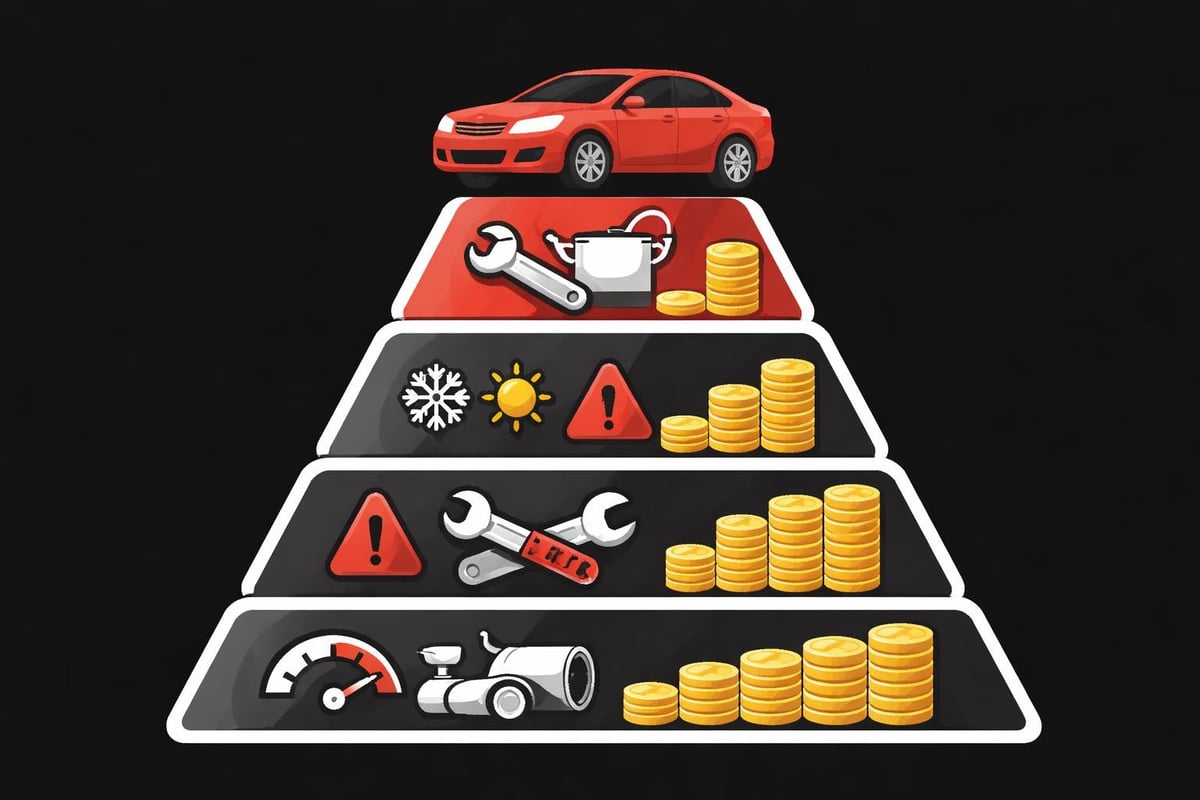
Understanding how much you'll spend on vehicle upkeep is essential for every car owner, whether you drive a daily commuter or manage a collection of modified builds. Creating a comprehensive car maintenance budget helps you anticipate expenses, avoid financial surprises, and keep your vehicles running reliably. With rising costs across the automotive industry, smart budgeting has become more critical than ever for maintaining vehicle performance while protecting your wallet.
Understanding Your Car Maintenance Budget Baseline
Before you can build an effective car maintenance budget, you need to establish your baseline costs. The average American driver spends between $800 and $1,200 annually on routine maintenance, but this varies significantly based on vehicle type, age, and brand. Average annual maintenance costs can fluctuate by hundreds of dollars depending on whether you own a Honda Civic or a luxury European sedan.
Your baseline should account for several key factors:
- Vehicle age and mileage: Older cars typically require more frequent repairs
- Make and model: Luxury and import brands often have higher parts and labor costs
- Driving habits: Frequent long trips versus short city commutes affect wear patterns
- Climate conditions: Extreme temperatures accelerate certain maintenance needs
Breaking Down Annual Maintenance Categories
A realistic car maintenance budget divides expenses into predictable categories. Oil changes, tire rotations, and filter replacements form the foundation of routine care. These scheduled services typically cost $50-150 per visit depending on your vehicle specifications.
Brake maintenance represents another significant category, with pad replacements averaging $150-300 per axle and rotor work adding $200-400 when needed. Most vehicles require brake attention every 25,000-70,000 miles.
| Maintenance Category | Annual Frequency | Average Cost Range |
|---|---|---|
| Oil Changes | 2-4 times | $120-400 |
| Tire Rotations | 2-3 times | $80-150 |
| Brake Inspection/Service | As needed | $150-700 |
| Air Filter Replacement | 1-2 times | $30-100 |
| Battery Replacement | Every 3-5 years | $100-300 |
Planning for Unexpected Repairs
While routine maintenance follows predictable schedules, unexpected repairs represent the wildcard in your car maintenance budget. Setting aside 25-40% of your total budget for emergency repairs provides a cushion against surprise breakdowns. The overall costs of car ownership include these unpredictable elements that can derail an otherwise solid financial plan.
Emergency funds become especially important as vehicles age. A five-year-old car might need minimal surprise repairs, while a ten-year-old vehicle could face transmission issues, cooling system failures, or electrical problems costing $500-3,000 each.
Common unexpected repairs include:
- Alternator or starter replacement ($300-800)
- Water pump failure ($400-900)
- Timing belt replacement ($500-1,200)
- Suspension component wear ($200-1,500)
- Exhaust system repairs ($150-2,000)
Smart budgeting means acknowledging these possibilities without panicking. Build your emergency reserve gradually, adding $50-100 monthly to a dedicated maintenance fund.
Vehicle Type and Brand Impact
The type of vehicle you own dramatically influences your car maintenance budget requirements. Economy cars from brands like Toyota, Honda, and Mazda typically offer the lowest maintenance costs, averaging $400-700 annually for routine care. Domestic brands like Ford and Chevrolet fall in the middle range at $600-900 yearly.
Luxury and performance vehicles demand significantly more. European brands such as BMW, Mercedes-Benz, and Audi can require $1,200-2,500 annually just for scheduled maintenance. Specialized parts, dealer-only service requirements, and complex systems drive these higher costs.
Modified and Enthusiast Vehicles
Car enthusiasts managing modified builds face unique budgeting challenges. Performance upgrades often require more frequent maintenance intervals and specialized parts. A turbocharged engine might need oil changes every 3,000 miles instead of 5,000, and aftermarket suspension components may require rebuilding every 30,000 miles.
Tracking modifications and their maintenance requirements becomes essential for accurate budgeting. Digital platforms help enthusiasts maintain detailed records of upgrades, service dates, and upcoming needs across multiple vehicles.
For those managing performance builds or extensive modifications, CarJourney Pro - Yearly provides unlimited vehicle tracking with AI-powered maintenance reminders tailored to both stock and modified components. This comprehensive approach ensures nothing slips through the cracks while helping you forecast expenses more accurately.

Creating Your Personalized Budget Framework
Building an effective car maintenance budget starts with gathering your vehicle's specific information. Review your owner's manual to identify recommended service intervals, then calculate annual costs based on your typical mileage. Most manufacturers provide detailed maintenance schedules at 5,000, 10,000, and 15,000-mile intervals.
Step-by-step budget creation process:
- Document your current mileage and annual driving distance
- List all manufacturer-recommended services for the next 12 months
- Research local labor rates and parts costs for your make and model
- Add 30% for unexpected repairs and emergencies
- Divide the total by 12 for monthly savings targets
Monthly Savings Strategy
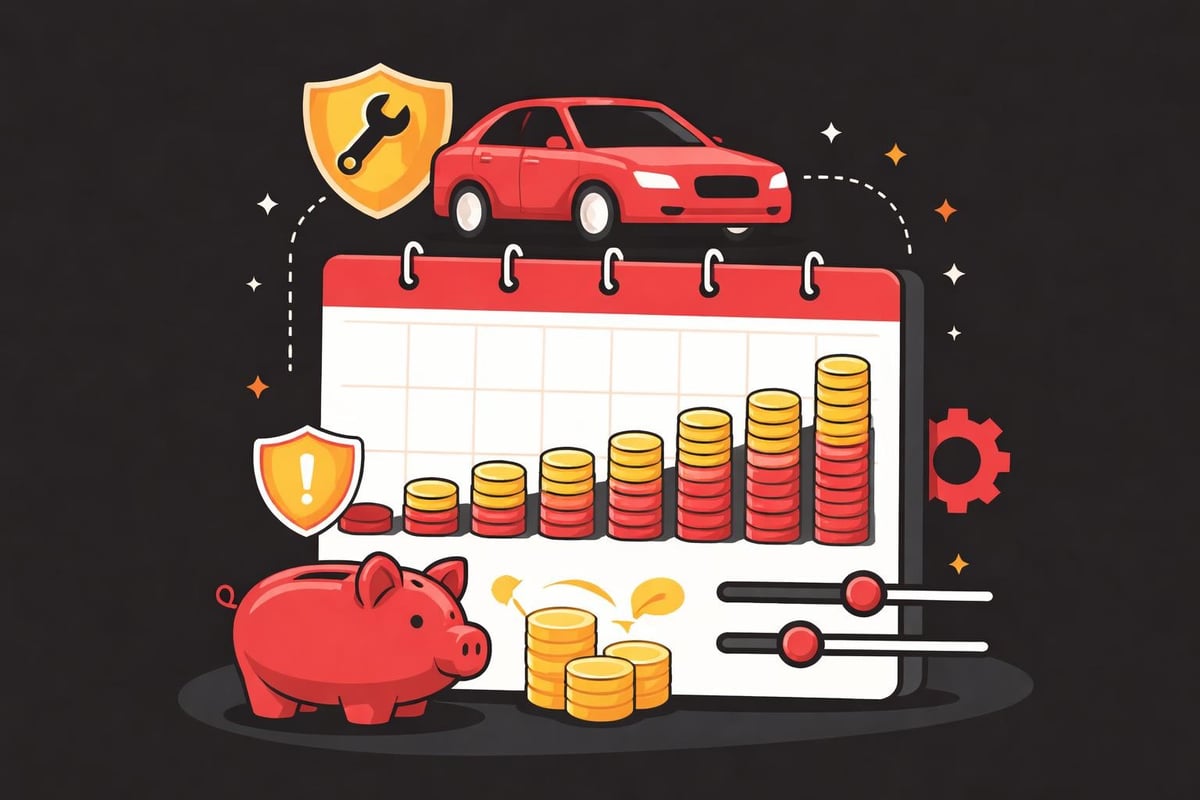
Rather than scrambling to cover a $600 repair bill, consistent monthly savings makes maintenance manageable. If your projected annual costs total $1,200, setting aside $100 monthly ensures funds are available when needed. This approach eliminates the stress of unexpected expenses disrupting your budget.
Some owners prefer quarterly reviews, adjusting their car maintenance budget based on actual spending versus projections. This flexibility helps account for deferred maintenance or surprise repairs that shift timing.
Seasonal Maintenance Considerations
Your car maintenance budget should account for seasonal variations that affect vehicle needs. Winter preparation in colder climates includes battery testing, coolant checks, and potentially winter tire installation. These seasonal transitions can add $200-500 to your budget depending on your location.
Summer heat puts different demands on vehicles, requiring air conditioning service, cooling system flushes, and attention to tire pressure changes. Regional maintenance budgeting varies significantly based on climate challenges and local driving conditions.
| Season | Typical Maintenance Needs | Average Additional Cost |
|---|---|---|
| Spring | Inspection after winter, alignment check | $100-250 |
| Summer | AC service, cooling system check | $150-400 |
| Fall | Pre-winter preparation, battery test | $100-300 |
| Winter | Cold weather fluids, tire changeover | $150-500 |
Planning for these seasonal transitions prevents last-minute expenses and ensures your vehicle stays prepared for changing conditions.
Tracking and Adjusting Your Budget
Creating a car maintenance budget is just the beginning. Effective tracking ensures your projections match reality and helps identify areas for adjustment. Digital maintenance logs provide clear visibility into spending patterns, revealing whether your budget accurately reflects your vehicle's needs.
Review your spending quarterly to spot trends. If you consistently overspend in certain categories, either increase that budget allocation or investigate ways to reduce costs through preventive maintenance. Understanding factors affecting car maintenance costs helps you make informed adjustments.
Key tracking metrics include:
- Actual spending versus budgeted amounts per category
- Service frequency compared to manufacturer recommendations
- Cost per mile driven for overall efficiency
- Trend analysis showing whether expenses are increasing or stabilizing
Many enthusiasts find that detailed tracking reveals opportunities to save money through DIY work on simpler tasks or negotiating better rates with trusted mechanics.
Technology and Budget Management
Modern tools simplify the tracking process that once required spreadsheets and receipt boxes. AI-powered platforms can predict upcoming maintenance needs based on your driving patterns and vehicle specifications, helping you anticipate costs months in advance. These systems learn from your maintenance history to provide increasingly accurate budget forecasts.
Integration between tracking and budgeting creates a seamless system where completed services automatically update your spending totals and trigger alerts when you approach budget limits. This real-time visibility helps prevent overspending while ensuring critical maintenance never gets delayed due to cash flow issues.
Age-Based Budget Adjustments
As vehicles age, your car maintenance budget requires strategic adjustments. Maintenance costs for new versus older vehicles differ substantially, with older cars typically requiring 50-100% more annual maintenance spending than newer models.
New vehicles under warranty need minimal budgeting beyond routine oil changes and tire rotations. Years 1-3 typically require only $300-500 annually. Once the warranty expires, budget requirements increase as wear items need replacement.
The 5-10 year window represents a sweet spot where cars need regular maintenance but major systems remain reliable. Annual budgets in this range typically run $800-1,200. Beyond ten years, expect maintenance costs to climb toward $1,500-2,500 annually as components reach end-of-life.
Planning for Major Service Milestones
Certain mileage intervals bring significant expenses that require advance planning. The AAA overview of car repair and maintenance costs highlights these milestone services that can strain unprepared budgets.
- 60,000 miles: Transmission service, spark plug replacement, major inspection ($500-1,000)
- 90,000 miles: Timing belt replacement (if applicable), coolant system service ($800-1,500)
- 120,000 miles: Comprehensive system overhaul, multiple component replacements ($1,200-2,500)
Building separate reserves for these major milestones prevents them from overwhelming your regular car maintenance budget.

Cost-Saving Strategies Without Compromising Quality
Strategic approaches to maintenance can significantly reduce your car maintenance budget without sacrificing vehicle reliability. Learning basic DIY skills for simple tasks like air filter replacement, wiper installation, and fluid checks can save $200-400 annually on labor costs.
Establishing relationships with independent mechanics often yields better rates than dealerships for out-of-warranty vehicles. Independent shops typically charge 30-50% less for identical services while maintaining quality standards. Always verify certifications and read reviews before committing to a new service provider.
Additional money-saving tactics:
- Buy parts online for significant discounts, then pay only labor
- Bundle services during single appointments to reduce shop minimums
- Maintain detailed records to catch problems early before they become expensive
- Follow manufacturer intervals rather than aggressive service recommendations
Preventive maintenance represents the ultimate cost-saving strategy. Regular oil changes, proper tire inflation, and timely fluid replacements prevent major failures that cost 5-10 times more than routine care.
Multi-Vehicle Budget Management
Enthusiasts managing multiple vehicles face compounded budgeting challenges. Each car requires individual tracking, but overall household transportation costs need coordination to avoid budget conflicts. Prioritization becomes essential when multiple vehicles need service simultaneously.
Creating tiered budgets for different vehicles helps allocate resources effectively. Your daily driver might receive premium maintenance attention, while a weekend project car operates on a more flexible schedule. Clear categorization prevents confusion and ensures critical needs receive priority funding.
Shared tools and supplies across multiple vehicles reduce per-car costs. Bulk purchasing of common items like oil filters, engine oil, and cleaning products leverages volume discounts. Digital tracking across all vehicles provides comprehensive visibility into total transportation expenses.
Professional Service Versus DIY Balance
Finding the right balance between professional service and DIY maintenance optimizes your car maintenance budget. Complex tasks requiring specialized tools or expertise justify professional costs, while simple maintenance items offer excellent DIY opportunities.
Safety-critical systems like brakes, suspension, and steering should generally receive professional attention unless you have proper training and equipment. However, changing cabin air filters, replacing wiper blades, and performing basic fluid checks require minimal skill and save $100-200 annually.
| Task Type | DIY Recommended | Professional Recommended |
|---|---|---|
| Oil changes | If equipped | For convenience/warranty |
| Brake replacement | Advanced skill | Most owners |
| Air filter replacement | Yes | Unnecessary |
| Transmission service | No | Yes |
| Tire rotation | If equipped | Most convenient |
| Diagnostic work | Limited | Yes |
Understanding your skill level and available time helps determine the optimal split. Overestimating abilities can lead to costly mistakes that exceed professional service costs.
Insurance and Warranty Integration
Your car maintenance budget should account for how insurance and warranties affect out-of-pocket expenses. Extended warranties can shift major repair costs from your budget to the warranty provider, though monthly premiums must be factored into overall calculations. Evaluating warranty cost-effectiveness requires comparing premium expenses against likely repair probabilities.
Comprehensive insurance may cover certain maintenance-related failures, particularly if component failure causes an accident or further damage. Understanding your policy details helps maximize coverage and minimize surprise expenses.
Manufacturer warranties on new vehicles dramatically reduce budget requirements for the first 3-5 years. Powertrain warranties often extend to 60,000-100,000 miles, eliminating major engine and transmission repair costs during that period. Factor this protection into your budget planning, setting aside warranty-period savings for post-coverage years.
Building Financial Resilience
A robust car maintenance budget extends beyond current needs to build long-term financial resilience. Setting aside surplus funds during low-expense months creates reserves for unexpected major repairs or accelerated wear patterns. This cushion prevents maintenance needs from disrupting other financial goals.
Consider your car maintenance budget as part of total transportation costs, including fuel, insurance, registration, and parking. This comprehensive view ensures balanced resource allocation across all vehicle-related expenses. Detailed maintenance cost breakdowns help identify where your spending falls relative to national averages.
Financial advisors often recommend maintaining a dedicated transportation fund equivalent to 3-6 months of typical expenses. For car owners, this translates to $2,000-5,000 in readily accessible reserves to handle major repairs or emergency replacements without borrowing.
Creating and maintaining an effective car maintenance budget protects both your vehicle and your financial health while ensuring reliable transportation for years to come. By understanding your specific vehicle needs, tracking expenses diligently, and planning for both routine and unexpected costs, you can eliminate the stress of automotive surprises. Whether you're managing a single daily driver or multiple enthusiast builds, CarJourney provides the AI-powered tracking and forecasting tools you need to stay on top of maintenance schedules and budget effectively. Take control of your automotive expenses today with smart planning and comprehensive digital tracking.
Article written using RankPill.