 carjourney
From the CarJourney journal
Vehicle Logs: Your Essential Guide to Smart Car Tracking

Managing your vehicle properly requires more than just keeping up with oil changes and tire rotations. Whether you're a car enthusiast tracking custom modifications or a fleet manager maintaining commercial vehicles, comprehensive vehicle logs form the foundation of responsible ownership. These detailed records document every service, repair, modification, and inspection your vehicle undergoes throughout its lifetime. In 2026, the combination of traditional paper logs and modern digital tracking systems offers unprecedented opportunities to maintain accurate records while gaining valuable insights into your vehicle's history and performance.
Understanding Vehicle Logs and Their Purpose
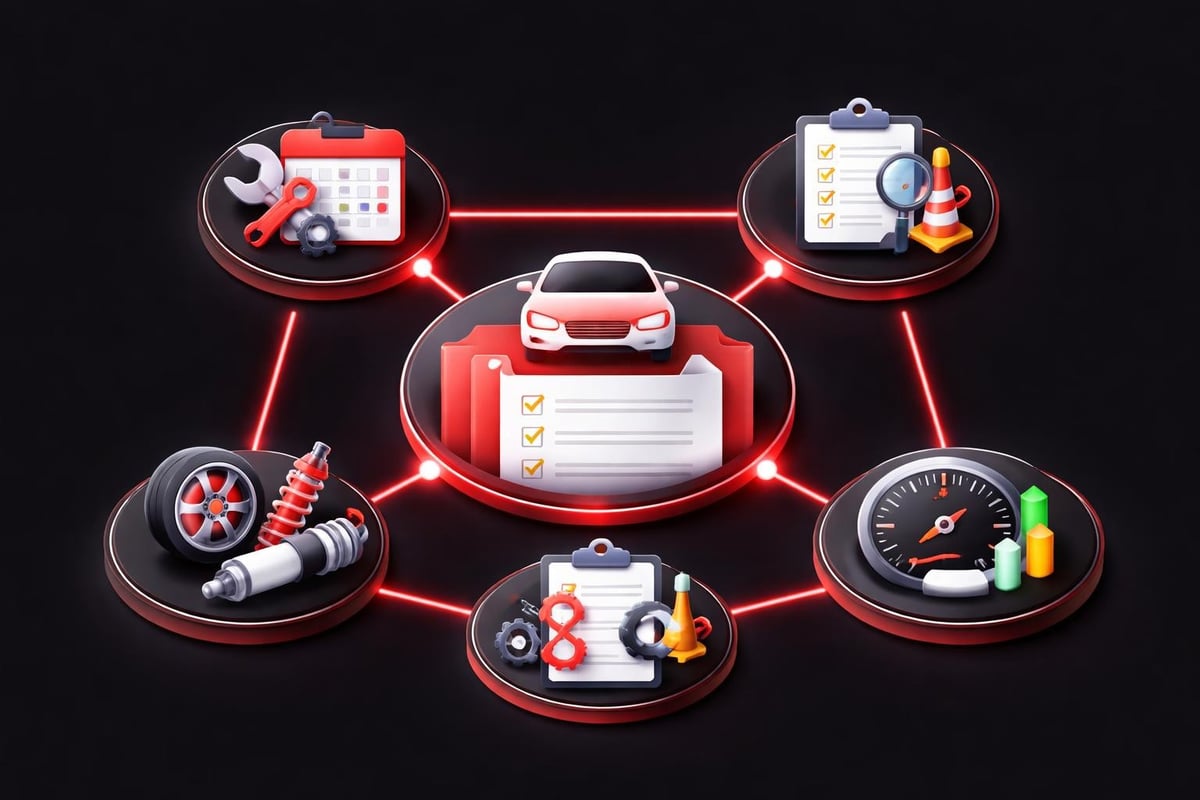
Vehicle logs serve as comprehensive documentation systems that track every significant event in your car's lifecycle. These records include routine maintenance like oil changes, major repairs, aftermarket modifications, inspection results, and even daily operational details such as mileage and fuel consumption.
The primary purpose extends beyond simple recordkeeping. Vehicle logs help you identify maintenance patterns, predict future service needs, and demonstrate proper care when selling your vehicle. For commercial operators, these logs become essential compliance documents that satisfy regulatory requirements and protect against liability claims.
Types of Information Tracked in Vehicle Logs
A complete logging system captures multiple categories of information:
- Maintenance records: Oil changes, filter replacements, fluid top-offs, and scheduled service intervals
- Repair documentation: Parts replaced, labor performed, diagnostic codes, and problem resolutions
- Modification tracking: Aftermarket parts installed, performance upgrades, aesthetic changes, and tuning adjustments
- Inspection results: Safety checks, emissions testing, and pre-trip inspections
- Operational data: Daily mileage, fuel consumption, trip purposes, and driver information
Different vehicle owners prioritize different aspects of logging. Enthusiasts building custom cars focus heavily on modification tracking and performance metrics. Commercial operators emphasize compliance documentation and operational efficiency. Personal vehicle owners typically maintain basic maintenance records to preserve resale value and warranty coverage.
Legal and Compliance Requirements
Many vehicle operators must maintain logs to satisfy federal, state, and local regulations. The FMCSA maintenance records requirements specify that commercial motor carriers must retain systematic records of inspections, repairs, and maintenance for each vehicle. These regulations mandate minimum retention periods and specific documentation standards.
State-level requirements add additional layers of compliance. The California Code of Regulations details truck driving requirements including mandatory inspection and maintenance records. Maryland's regulations outline specific records vehicle owners must maintain, covering identification details and comprehensive maintenance documentation.
Even personal vehicle owners benefit from understanding compliance frameworks. Federal regulations regarding emission standards and maintenance compliance highlight how proper maintenance documentation supports environmental compliance and vehicle longevity.
Retention Periods and Documentation Standards
| Record Type | Minimum Retention | Key Details Required |
|---|---|---|
| Annual Inspections | 14 months | Date, inspector signature, defects found |
| Repairs & Maintenance | 1 year minimum | Date, description, parts used, mechanic |
| Modification Records | Vehicle lifetime | Parts installed, installation date, vendor |
| Accident Reports | 3 years | Date, description, repairs performed |
Commercial operators face stricter requirements, but maintaining comprehensive vehicle logs benefits all owners. Proper documentation protects warranty claims, supports insurance disputes, and demonstrates responsible ownership during vehicle sales.
Digital vs. Paper Logging Systems
The debate between digital and paper vehicle logs continues in 2026, though digital solutions offer compelling advantages for most users. Traditional paper logbooks provide tangible records that don't depend on technology, making them reliable backup systems. However, they're vulnerable to physical damage, difficult to search, and challenging to share or analyze.
Digital logging platforms transform how vehicle owners track and utilize their data. Modern apps automatically calculate service intervals, send maintenance reminders, and generate comprehensive reports instantly. Cloud storage ensures your records remain accessible across devices while protecting against loss.
Advantages of Digital Vehicle Logs:
- Automatic maintenance scheduling and reminder notifications
- Instant searchability across years of records
- Built-in analytics revealing cost trends and service patterns
- Photo integration documenting conditions and modifications
- Shareable profiles for selling or showcasing your vehicle
- Multi-vehicle management from a single platform
The Oregon Department of Transportation emphasizes that effective recordkeeping systems, whether digital or paper, must be consistent, comprehensive, and easily accessible for review. Many sophisticated vehicle owners maintain hybrid systems, using digital platforms as primary tools while keeping critical paper receipts as backups.
Essential Components of Effective Vehicle Logs
Creating vehicle logs that actually serve your needs requires understanding which information matters most. Comprehensive logs balance thoroughness with practicality, capturing essential details without becoming overwhelming burdens.
Maintenance Tracking Fundamentals
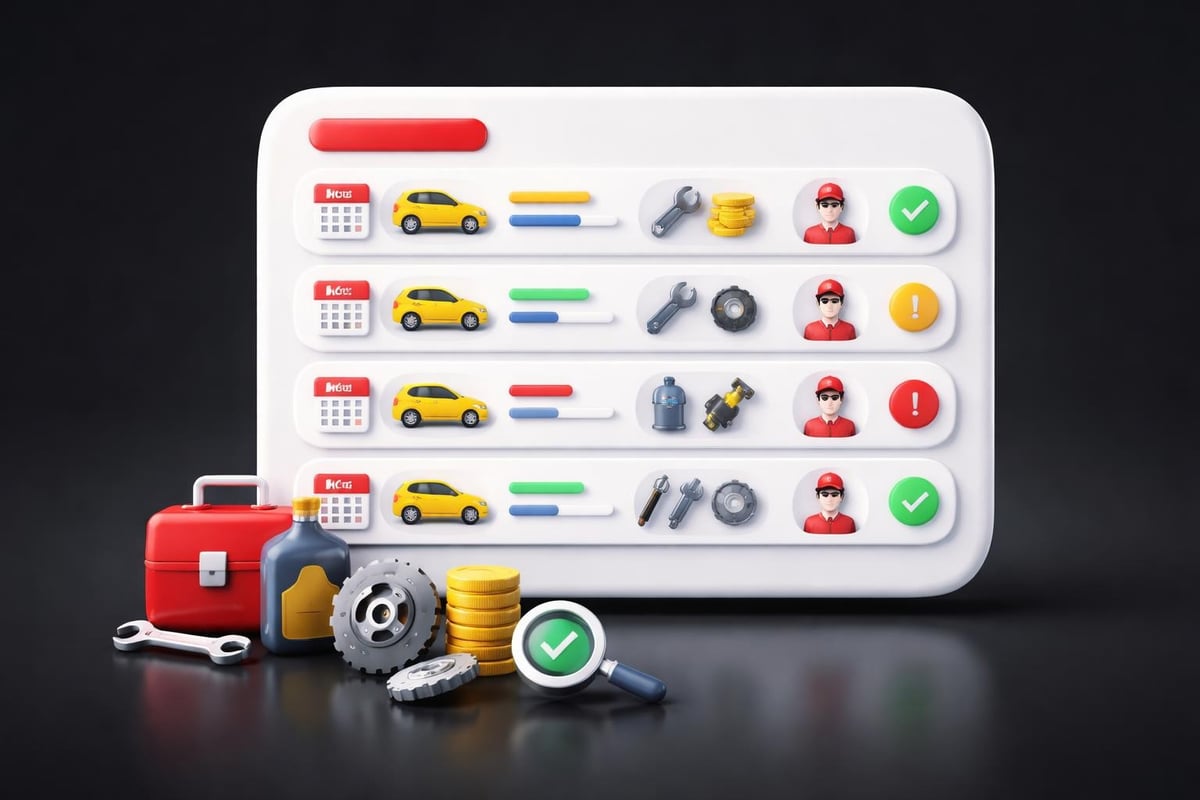
Every maintenance entry should include the date, odometer reading, service performed, parts used, labor costs, and service provider information. This baseline data creates verifiable service history that supports warranty claims and demonstrates proper care patterns.
Going beyond basics, track fluid types and quantities, torque specifications for critical components, and any diagnostic codes addressed during service. These details help mechanics quickly understand your vehicle's history and make informed repair decisions. When planning your next oil change and managing costs, historical data helps you compare pricing and service quality across providers.
Modification Documentation for Enthusiasts
Car enthusiasts transforming their vehicles need specialized logging approaches. Document every modification with installation dates, part numbers, manufacturers, purchase prices, and installation costs. Photograph the installation process and final results, creating visual documentation that proves quality work and proper installation.
Track performance changes resulting from modifications. Record baseline dyno numbers before upgrades, then document improvements afterward. Note any tuning adjustments, fuel requirements changes, or maintenance interval modifications that accompany performance parts. This comprehensive approach helps you understand which modifications deliver real value and which represent diminishing returns.
Critical Modification Details to Record:
- Original part removed (condition and disposition)
- New part installed (brand, model, specifications)
- Installation date and installer information
- Labor costs and installation time
- Performance impact and testing results
- Warranty information and expected lifespan
- Interdependencies with other modifications
Building a documented modification history transforms your vehicle into a portfolio piece. Whether you're sharing your build with fellow enthusiasts or preparing to sell, comprehensive logs demonstrate the quality and thoughtfulness of your work. CarJourney Pro provides unlimited tracking for modifications alongside maintenance records, letting you create shareable build profiles that showcase every upgrade. The CarJourney Pro - Yearly subscription offers AI-powered features that help identify optimal upgrade paths based on your modification history and goals.
Implementing a Vehicle Log System
Starting a comprehensive logging system requires initial setup effort but pays dividends throughout your ownership experience. Whether transitioning from scattered receipts to organized records or implementing logs for the first time, systematic approaches ensure success.
Getting Started with Your First Vehicle Log
Begin by gathering existing documentation. Collect service receipts, modification invoices, inspection reports, and warranty paperwork. Organize these chronologically, creating a baseline history that captures your vehicle's story to date. Don't worry if early records have gaps; start documenting consistently from today forward.
Choose your logging platform based on your needs and preferences. Personal vehicle owners benefit from user-friendly apps with maintenance reminders and photo storage. Commercial operators need robust systems supporting fleet management and compliance reporting. Enthusiasts building custom vehicles require modification tracking with sharing capabilities and community features.
Establishing Consistent Logging Habits
Consistency separates useful vehicle logs from abandoned record systems. Develop routines that make logging automatic rather than optional. Log maintenance immediately after service while details remain fresh. Photograph receipts as backup documentation, ensuring you capture provider names, dates, and itemized services.
Set calendar reminders for routine logging tasks like monthly mileage entries or fuel consumption tracking. Many platforms automate these reminders, prompting you to enter data at appropriate intervals. The vehicle management training materials from the City of Phoenix emphasize that successful programs require dedicated time and attention to documentation.
Maximizing the Value of Your Vehicle Logs
Vehicle logs become increasingly valuable as they accumulate data over time. Analyze your records periodically to identify patterns, optimize maintenance scheduling, and make informed decisions about your vehicle's future.
Identifying Cost Trends and Budget Planning
Review your annual maintenance costs to establish realistic budgeting expectations. Track which systems require frequent attention and which remain reliable. This analysis helps you anticipate expensive repairs before they become emergencies, allowing proactive budgeting and planning.
Compare costs across service providers for routine maintenance. Your logs reveal whether premium shops deliver proportional value or if independent mechanics provide equivalent service at lower prices. Over multiple service cycles, these cost differences accumulate significantly.
| Service Type | Annual Frequency | Average Cost | Total Annual Cost |
|---|---|---|---|
| Oil Changes | 4 times | $75 | $300 |
| Tire Rotations | 2 times | $45 | $90 |
| Inspections | 1 time | $120 | $120 |
| Air Filters | 1 time | $65 | $65 |
| Total Routine Maintenance | - | - | $575 |
Enhancing Resale Value Through Documentation
Comprehensive vehicle logs dramatically improve resale negotiations. Buyers pay premiums for well-documented vehicles because records reduce risk and demonstrate responsible ownership. When selling, present organized logs showing consistent maintenance, prompt repairs, and quality parts.
For modified vehicles, documentation becomes even more critical. Many buyers hesitate purchasing modified cars due to concerns about quality work and reliability impacts. Detailed modification logs addressing these concerns directly, showing professional installations, quality parts, and thoughtful upgrade paths transform skeptics into enthusiastic buyers willing to pay fair prices for your work.
Advanced Logging Strategies for Enthusiasts
Car enthusiasts pushing beyond basic maintenance tracking unlock additional benefits through sophisticated logging approaches. These advanced strategies help optimize performance, demonstrate expertise, and build community connections.
Performance Baseline and Progress Tracking
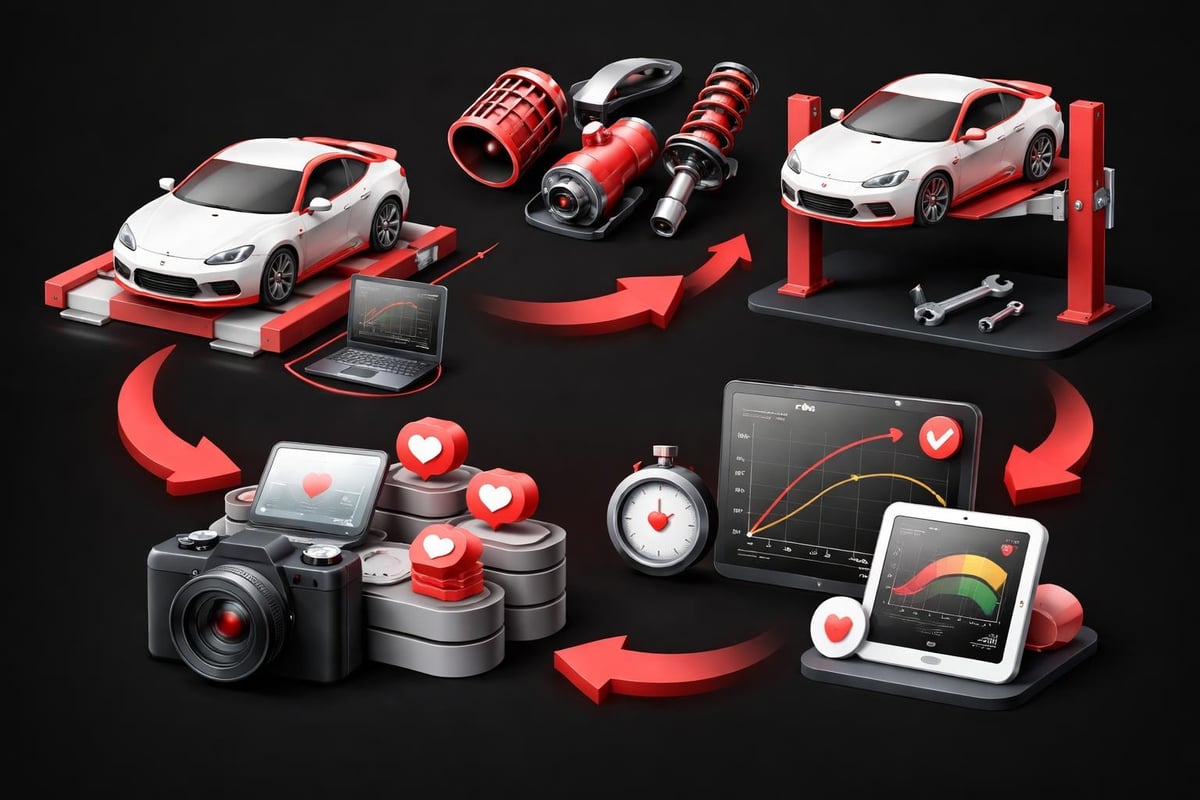
Establish performance baselines before modifications begin. Record acceleration times, braking distances, fuel economy figures, and handling characteristics. Many enthusiasts conduct professional dyno testing to document horsepower and torque curves objectively.
After each significant modification, retest using identical conditions and methodologies. Your vehicle logs should connect specific upgrades to measurable performance changes, creating a scientific record of your build's evolution. This data-driven approach helps justify modification costs and guides future upgrade decisions.
Community Engagement and Build Sharing
Modern vehicle logging platforms incorporate social features allowing enthusiasts to share builds, compare approaches, and learn from collective experiences. Comprehensive logs become portfolios demonstrating your expertise and dedication. Whether attending car shows, participating in online forums, or simply connecting with fellow enthusiasts, shareable build profiles facilitate meaningful conversations.
Document not just what you installed but why you chose specific parts, how they integrate with other modifications, and what you learned during the process. This narrative approach transforms dry logs into engaging stories that educate and inspire other enthusiasts. Visit CarJourney's blog to explore how other car enthusiasts document and share their automotive journeys.
Common Vehicle Log Mistakes to Avoid
Even experienced vehicle owners make logging errors that reduce their records' effectiveness. Understanding common pitfalls helps you maintain higher quality documentation from the start.
Frequent Logging Errors:
- Delaying entries until details become fuzzy or forgotten
- Recording only major services while ignoring minor maintenance
- Failing to photograph receipts or document warranty terms
- Using inconsistent measurement units or date formats
- Neglecting to back up digital records regularly
- Omitting critical details like odometer readings or part numbers
Another significant mistake involves treating vehicle logs as compliance checklists rather than valuable analytical tools. Records should inform decision-making, not just satisfy minimum requirements. Regularly review your logs looking for patterns, opportunities, and insights rather than simply filing them away.
Integrating Technology into Your Logging Process
Technology continues transforming how vehicle owners create and utilize logs in 2026. Artificial intelligence helps predict maintenance needs based on usage patterns, mileage accumulation, and historical service data. Machine learning algorithms identify anomalies suggesting developing problems before they cause breakdowns.
Modern platforms integrate with automotive diagnostic systems, automatically importing fault codes, sensor data, and performance metrics directly into your logs. This integration eliminates manual data entry while ensuring technical accuracy. Some systems even connect with parts retailers, automatically logging purchases and tracking warranty periods.
The implementation of comprehensive vehicle maintenance programs increasingly relies on technology to standardize documentation, enforce compliance, and generate actionable insights. Whether managing personal vehicles or commercial fleets, technology-enhanced logging delivers superior results with reduced effort.
For answers to common questions about implementing digital tracking systems, check out CarJourney's FAQ section which addresses setup, data migration, and platform capabilities.
Future Trends in Vehicle Documentation
The evolution of vehicle logs continues accelerating as connected car technologies mature and artificial intelligence capabilities expand. Vehicles increasingly generate their own logs automatically, recording every trip, service event, and system status change without owner intervention.
Blockchain technology promises immutable vehicle histories that follow cars throughout their lifetimes, preventing odometer fraud and documentation manipulation. These permanent records could revolutionize used car markets by providing buyers complete transparency into vehicle conditions and care quality.
Predictive maintenance systems analyzing millions of vehicle logs identify failure patterns across makes, models, and component types. These insights help owners anticipate problems specific to their vehicles, scheduling preventive maintenance before breakdowns occur. The convergence of big data analytics and personal vehicle logs creates unprecedented opportunities for proactive ownership.
Need additional guidance on maximizing your vehicle documentation? The CarJourney support team helps users optimize their logging strategies and leverage platform features effectively.
Maintaining comprehensive vehicle logs transforms how you understand, care for, and ultimately benefit from your vehicles throughout the ownership experience. Whether tracking routine maintenance for resale value, documenting custom modifications for community sharing, or satisfying commercial compliance requirements, systematic logging delivers measurable returns on the modest time investment required. CarJourney makes this process effortless with AI-powered tracking, unlimited vehicle support, and shareable build profiles that turn your automotive passion into documented expertise you can share with fellow enthusiasts.