 carjourney
From the CarJourney journal
Best Free Car Maintenance Log App Picks
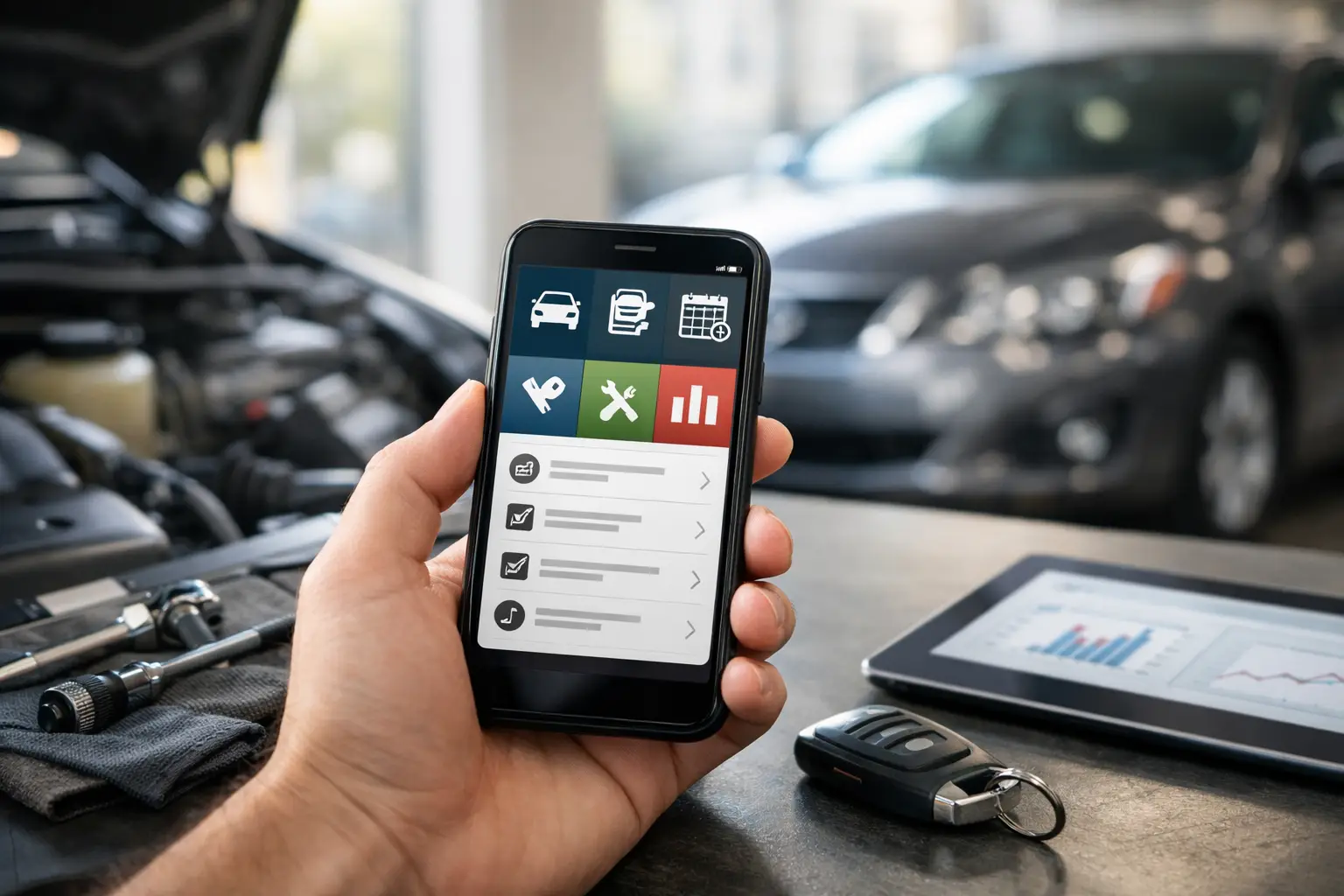
A missed oil change is annoying. A missing service record when you go to sell the car is expensive. That is why choosing the best free car maintenance log app is not really about reminders alone. It is about keeping control of your vehicle’s history, protecting resale value, and having one place to track what has been done, what is due next, and how much the car is actually costing you.
For enthusiasts, the bar is even higher. A basic reminder app might tell you when to rotate tires, but it usually falls apart once you start logging brake jobs, suspension upgrades, warranty receipts, part numbers, and labor costs. If you care about the full story of your car, free is only useful if it still gives you enough structure to build a record you can trust.
What makes the best free car maintenance log app?
The best apps do three things well. First, they make logging service fast enough that you will actually keep using them. Second, they turn that raw data into useful reminders and ownership insight. Third, they preserve your history in a way that still matters later, whether that means diagnosing a pattern, proving maintenance to a buyer, or remembering exactly when you installed that coilover kit.
That sounds simple, but plenty of free apps miss at least one of those points. Some are clean but too limited. Some are packed with features but feel clunky. Others are fine for a daily driver and weak for anyone with a modified car, multiple vehicles, or a long-term project.
If you are trying to pick the right app, look at a few practical filters. Can it track mileage-based and time-based maintenance? Can you attach receipts or photos? Can you log custom work, not just standard service items? Does it sync across devices? And does the free plan still feel usable after the first week?
Best free car maintenance log app options worth considering
A few different types of apps compete here, and the right fit depends on how you use your car.
Car-focused maintenance apps are the most obvious starting point. These are built specifically for logging service history, setting reminders, and organizing vehicle records. They usually have categories for routine work like oil changes, batteries, tires, and brakes. The better ones also let you add notes, upload invoices, and track spending over time. This is the strongest category if your goal is practical ownership management with less setup.
General note-taking apps and spreadsheets can work if you are disciplined. They are free, flexible, and familiar. You can build a maintenance tracker in a notes app or spreadsheet in an hour. The trade-off is that you will be doing the organizing yourself. There are no true service reminders unless you add them manually, no built-in vehicle structure, and no easy way to present the history cleanly later. For a single beater you are keeping on the road, that may be enough. For a car you care about, it usually starts to feel like a temporary fix.
Garage and enthusiast ownership platforms sit in a more interesting middle ground. These tools go beyond basic maintenance and treat your vehicle like an ongoing record. That means service logs, mods, documents, photos, costs, and in some cases a shareable build profile. If you are the kind of owner who wants to track both your timing belt service and your wheel setup, this category makes more sense than a simple reminder app.
Where free apps usually fall short
The phrase best free car maintenance log app sounds straightforward, but free almost always comes with limits. The question is whether those limits matter to you.
The biggest one is vehicle count. Many free plans work well for one car and become restrictive if you own a truck, a weekend car, and a project. If you are in a multi-vehicle household, that can become a problem quickly.
The second common limit is depth. Some apps let you log basic maintenance but not custom services, modifications, receipts, warranties, or photos. That may be fine for a commuter car. It is not fine if you want a complete ownership record.
Third is portability. If the app does not sync well, export cleanly, or preserve data in an organized format, you are trusting your history to a weak system. That is fine until you switch phones, sell the car, or need old records during a warranty claim.
There is also the issue of habit. Free apps only work if they are fast enough to use after every service. If logging an oil change takes ten taps and two confusing menus, most people stop using it. Then the app is free, but the missing history still costs you.
How to choose the right app for your kind of ownership
If you just want reminders for one daily driver, keep your standards simple. Look for mileage-based reminders, service categories, and basic expense tracking. You do not need a complex system if your goal is just staying on top of maintenance.
If you are an enthusiast, you need more than reminders. You need a place to log aftermarket parts, installation dates, supporting documents, and running totals. A car with modifications has a more complicated story, and generic maintenance apps rarely tell it well.
If resale value matters, documentation quality matters just as much as reminder quality. An app should help you create a clean, credible history that shows consistency over time. Buyers trust records they can follow. So do shops, future owners, and even your future self when you are trying to remember what was done three years ago.
If you manage multiple vehicles, simplicity becomes even more important. The best app is the one that gives you one home base for every vehicle instead of scattering notes across phones, glove boxes, and old email threads.
Best free car maintenance log app for enthusiasts
For enthusiasts, the best free car maintenance log app is usually not the one with the most reminders. It is the one that treats the vehicle as a full ownership record.
That means being able to track routine maintenance, custom work, parts, photos, receipts, and spending in one place. It also means the app should respect the fact that your car may not be stock, your maintenance schedule may not be generic, and your records are part of the value of the vehicle itself.
This is where a platform like CarJourney fits naturally. Instead of acting like a simple service reminder, it gives owners a structured garage for maintenance history, modifications, documents, mileage-based reminders, and a shareable record that buyers can actually trust. If you only need a bare-bones oil change tracker, that may be more than you need. If you care about preserving the full story of the car, it is closer to what serious owners actually want.
That trade-off matters. Some free tools are easier on day one because they do less. Better platforms ask for a little more setup, but the payoff is a record that keeps getting more useful the longer you own the vehicle.
Free vs paid: when free stops being enough
A free plan is often enough to prove whether a system fits your routine. That is a good thing. You should not have to commit before you know you will use it.
But free stops being enough when the app limits the exact things that make your records valuable. Unlimited vehicles, deeper document storage, advanced reminders, AI-assisted logging, better export options, or stronger sharing tools can all be worth paying for if they save time and protect the history you have spent years building.
There is no universal cutoff. For one stock commuter, free may be enough forever. For a modified car, a collector vehicle, or a garage with multiple cars, the value of better recordkeeping usually outweighs the cost pretty quickly.
What to check before you commit
Before you settle on any app, test one real-world task. Log your last oil change, upload the receipt, add the mileage, set the next reminder, and try to find that record again. If that process feels smooth, you are probably in good shape. If it feels messy now, it will feel worse six months from now when your history is longer and more important.
Also think ahead. Ask whether the app can grow with your ownership. Today you may only want maintenance logs. Next year you might want to track mods, compare costs, organize warranties, or show a buyer a clean service timeline. Switching systems later is possible, but it is rarely fun.
The right app should make your ownership feel more organized, not more complicated. Save money, keep control, and build a history that does your car justice. The best record is the one you will still be updating years from now.