 carjourney
From the CarJourney journal
Car Maintenance Schedule by Mileage: Complete Guide

Understanding when your vehicle needs maintenance can feel overwhelming, especially with modern cars featuring complex systems and technology. A well-planned car maintenance schedule by mileage takes the guesswork out of vehicle care, helping you prevent costly repairs and extend your car's lifespan. Whether you're driving a stock daily commuter or a heavily modified performance build, following a structured maintenance timeline ensures your investment stays protected and performs at its best.
Why Mileage-Based Maintenance Matters
Most manufacturers design their vehicles with specific service intervals tied to mileage milestones. These recommendations aren't arbitrary-they're based on extensive testing and engineering data that predicts when components will need attention.
Following a car maintenance schedule by mileage helps you catch small issues before they become expensive problems. Oil breaks down over time and miles, filters get clogged, fluids degrade, and parts wear out at predictable intervals. By staying ahead of these wear patterns, you maintain optimal performance and fuel efficiency.
The Cost of Neglecting Scheduled Maintenance
Skipping scheduled services might save money in the short term, but the long-term consequences can be severe. A missed oil change can lead to engine sludge buildup, reduced lubrication, and eventually catastrophic engine failure. Ignoring brake service puts your safety at risk and can damage rotors, requiring more extensive repairs.
According to factory-scheduled maintenance guidelines, adhering to manufacturer recommendations optimizes vehicle performance and prevents warranty issues. Modern vehicles rely on precise tolerances and advanced materials that demand regular attention.
Essential Maintenance Milestones
A comprehensive car maintenance schedule by mileage typically follows these critical intervals. Each milestone builds on previous services while introducing new maintenance tasks as components age.
Every 5,000-7,500 Miles: Foundation Services
This is your most frequent maintenance interval, focused on fluids and filters that experience constant stress.
Oil and Filter Changes
- Conventional oil: every 5,000 miles
- Synthetic oil: every 7,500-10,000 miles
- High-performance applications: follow manufacturer specs, often shorter intervals
Your oil change schedule depends on oil type, driving conditions, and vehicle specifications. Modified engines with forced induction or higher compression ratios may need more frequent changes.
Tire Rotation and Inspection
- Promotes even wear across all four tires
- Extends tire lifespan by 25-50%
- Allows inspection for alignment issues
Fluid Level Checks
- Coolant
- Brake fluid
- Power steering fluid
- Windshield washer fluid
Every 15,000-30,000 Miles: Intermediate Services
As you accumulate miles, additional systems require attention beyond basic oil changes.
| Service | Typical Interval | Purpose |
|---|---|---|
| Air Filter Replacement | 15,000-30,000 miles | Ensures proper air/fuel mixture |
| Cabin Air Filter | 15,000-25,000 miles | Maintains HVAC efficiency |
| Battery Inspection | 20,000 miles | Tests charge capacity and connections |
| Brake Inspection | 25,000 miles | Checks pad thickness and rotor condition |
The air filter replacement interval varies significantly based on driving environment. If you frequently drive on dusty roads or in urban areas with heavy pollution, inspect and replace filters more often.
Every 30,000-60,000 Miles: Major Service Intervals
This range represents significant maintenance milestones where multiple systems need comprehensive attention. Following these recommended maintenance intervals prevents unexpected breakdowns.
30,000-Mile Service
- Transmission fluid inspection (or replacement depending on vehicle)
- Fuel filter replacement
- Coolant system flush (some vehicles)
- Serpentine belt inspection
- Suspension component inspection
60,000-Mile Service
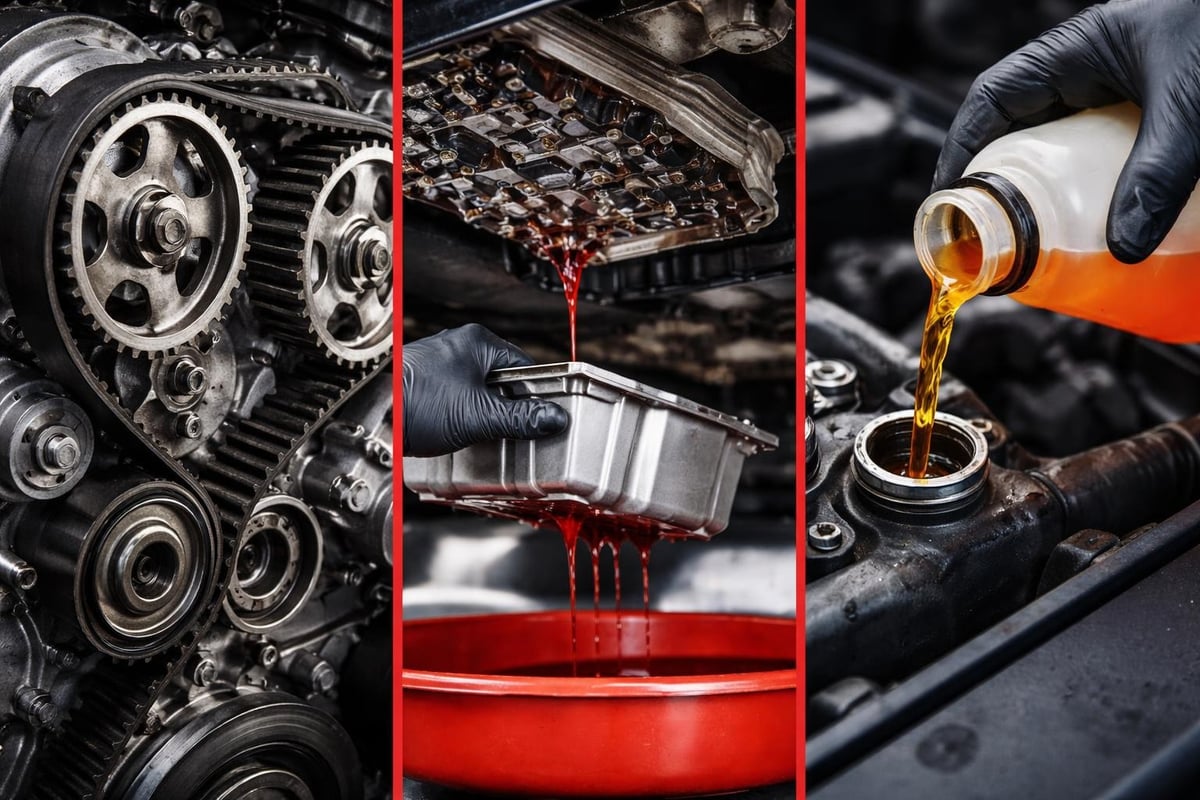
- Timing belt replacement (if applicable-critical to prevent engine damage)
- Spark plug replacement
- Transmission fluid replacement
- Brake fluid flush
- Differential fluid service (AWD/4WD vehicles)
Timing belt replacement is particularly critical. According to maintenance schedule guidelines, failure to replace a worn timing belt can cause complete engine failure, resulting in repair costs of thousands of dollars.
High-Mileage Maintenance Strategy
75,000-100,000 Miles: Comprehensive Overhaul
As vehicles approach and exceed 75,000 miles, maintenance becomes more intensive. This is when vehicle maintenance planning shifts from prevention to preservation.
Critical Services at This Stage
- Complete brake system overhaul (pads, rotors, calipers)
- Suspension bushings and shock absorber replacement
- Water pump replacement (often done with timing belt)
- Thermostat replacement
- Power steering system flush
- Complete tune-up with ignition system inspection
Transmission and Drivetrain
- Automatic transmission fluid and filter change
- Manual transmission fluid replacement
- Transfer case service (4WD/AWD)
- Drive axle boots inspection and replacement
Beyond 100,000 Miles: Extended Care
Once you pass the 100,000-mile threshold, your car maintenance schedule by mileage should repeat major service intervals while watching for age-related wear. Steps for vehicles exceeding maintenance schedules include preparing for major component replacements.
- Continue 5,000-7,500 mile oil changes
- Repeat 30,000-mile services every 30,000 miles
- Monitor for unusual noises, vibrations, or performance changes
- Plan for eventual replacement of high-wear items (alternator, starter, AC compressor)
Special Considerations for Modified Vehicles
Car enthusiasts who modify their vehicles face unique maintenance challenges. Performance modifications often accelerate wear on specific components and may require adjusted maintenance intervals.
Performance Modifications Impact
Forced Induction (Turbo/Supercharger)
- More frequent oil changes with high-quality synthetic oil
- Increased cooling system stress requiring enhanced maintenance
- Higher heat generation demanding upgraded brake fluid
Suspension Modifications
- Alignment checks after any suspension work
- More frequent inspection of coilovers and adjustable components
- Bushing wear monitoring with stiffer setups
Engine Tuning
- Spark plug inspection and replacement on shorter intervals
- Fuel system cleaning to maintain performance
- Compression testing to monitor engine health
For enthusiasts managing modified builds, maintaining detailed vehicle logs becomes essential. Tracking every modification alongside maintenance helps identify patterns and optimize service schedules.
Tracking Your Maintenance Schedule
Digital vs. Traditional Methods
Modern vehicle ownership demands better tracking tools than the traditional glove box full of receipts. A digital maintenance tracker offers several advantages over paper records.
Benefits of Digital Tracking
- Automatic mileage-based reminders
- Complete service history in one place
- Easy sharing with mechanics or potential buyers
- Photo documentation of modifications and repairs
- AI-powered maintenance recommendations
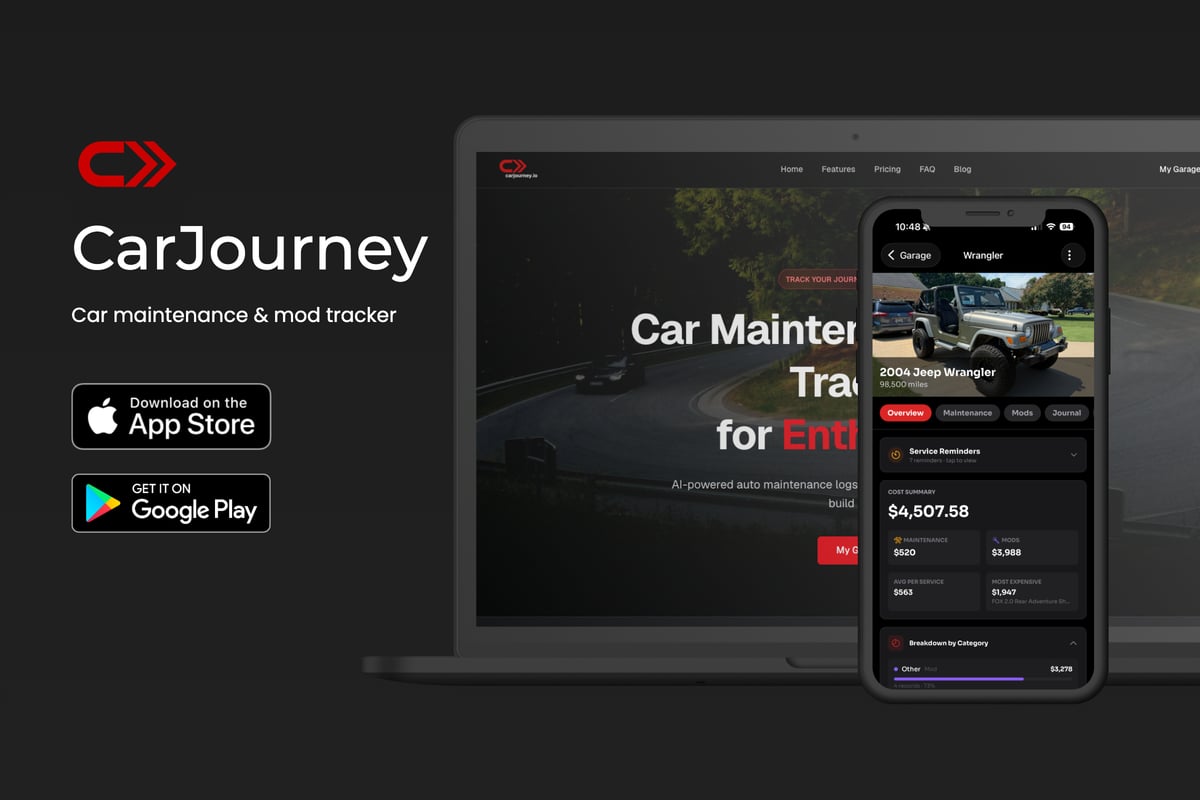
For those managing multiple vehicles or complex modification projects, CarJourney Pro - Yearly provides unlimited vehicle tracking with AI-powered features that learn your driving patterns and modification history to suggest optimal service intervals.
Creating Your Personal Schedule
While manufacturer recommendations provide the foundation, your personal car maintenance schedule by mileage should account for your specific situation.
Factors That Adjust Your Schedule
- Driving conditions: Severe conditions (frequent short trips, extreme temperatures, towing) require more frequent service
- Vehicle age: Older vehicles need more attention to aging components
- Modification level: Performance upgrades often demand shortened intervals
- Driving style: Aggressive driving accelerates wear
Reference your owner's manual for the "severe service" schedule if you regularly face challenging driving conditions. This typically reduces service intervals by 25-50%.
Seasonal and Time-Based Considerations
While mileage provides the primary framework, time also affects your maintenance needs. Fluids degrade even when vehicles sit unused, and rubber components age regardless of miles driven.
Time-Based Service Intervals
| Component | Time Interval | Mileage Interval | Use Whichever Comes First |
|---|---|---|---|
| Oil Change | 6-12 months | 5,000-10,000 miles | Yes |
| Coolant Flush | 2-5 years | 30,000-100,000 miles | Yes |
| Brake Fluid | 2-3 years | Varies | Yes |
| Tires | 6 years | Based on wear | Yes |
Even if you haven't reached the mileage milestone, don't skip time-based services. Moisture contamination in brake fluid and oxidation in engine oil occur with age, not just use.
Pre-Season Inspections
Smart vehicle owners perform seasonal checks in addition to mileage-based maintenance:
Spring Preparation
- AC system performance check
- Tire pressure adjustment for warmer weather
- Cooling system inspection before summer heat
Fall Preparation
- Battery load test before winter
- Heating system verification
- Tire tread depth check for winter driving
Common Maintenance Mistakes to Avoid
Understanding proper maintenance intervals prevents costly errors. These frequent mistakes undermine even the best car maintenance schedule by mileage.
Overlooking Manufacturer Specifications
Not all 30,000-mile services are identical. Your specific vehicle model has unique requirements based on its engineering and design. A comprehensive maintenance guide helps you understand model-specific needs.
Always consult your owner's manual rather than relying solely on generic maintenance charts. Turbocharged engines, CVT transmissions, and hybrid powertrains have specialized requirements.
Using Incorrect Fluids or Parts
Modern vehicles require specific fluid specifications. Using the wrong oil viscosity, incompatible coolant, or incorrect brake fluid can damage components and void warranties.
Critical Specifications to Match
- Engine oil grade (0W-20, 5W-30, etc.)
- Coolant type (OAT, HOAT, IAT)
- Transmission fluid specification
- Brake fluid DOT rating
Delaying Important Services
Scheduling car maintenance by mileage prevents the temptation to delay services. Small delays compound into major problems.
A timing belt that should have been replaced at 60,000 miles becomes a ticking time bomb at 70,000 miles. The few hundred dollars saved by delaying service can result in thousands in engine rebuild costs.
Building Your Maintenance Budget
Understanding the financial aspect of a car maintenance schedule by mileage helps you plan ahead and avoid surprises.
Annual Cost Projections
Lower Mileage Vehicles (Under 30,000 miles)
- Annual maintenance: $500-$1,200
- Primarily oil changes and inspections
- Minimal major services
Mid-Range Mileage (30,000-75,000 miles)
- Annual maintenance: $1,200-$2,500
- Includes major 30k and 60k services
- Timing belt, transmission service, brakes
High Mileage (75,000+ miles)
- Annual maintenance: $2,000-$4,000+
- More frequent component replacements
- Increased likelihood of unexpected repairs
Planning for yearly car maintenance costs prevents financial stress when major services come due. Setting aside a monthly maintenance fund ensures you're prepared for both routine and unexpected needs.
Saving Money Without Compromising Quality
- Buy quality parts: Cheap parts often fail prematurely, costing more in the long run
- DIY appropriate tasks: Oil changes, air filter replacement, and fluid checks are beginner-friendly
- Bundle services: Completing multiple services during one visit often reduces labor costs
- Track everything: Maintaining detailed receipts helps with warranty claims and resale value
The Role of Technology in Modern Maintenance
Today's vehicles communicate their maintenance needs through onboard diagnostics and service reminder systems. Understanding these systems helps you maintain an accurate car maintenance schedule by mileage.
Service Reminder Systems
Modern vehicles track mileage, driving conditions, and component wear to calculate optimal service intervals. These systems often provide more accurate recommendations than fixed mileage intervals.
Oil Life Monitors
- Analyze driving patterns, temperature, and engine stress
- Recommend changes based on actual oil degradation
- Can extend intervals under ideal conditions or shorten them for severe use
Maintenance Minder Systems
- Track multiple components simultaneously
- Generate service codes indicating specific needs
- Account for both mileage and time
Don't ignore these warnings. They represent sophisticated calculations designed to maximize component life while ensuring reliability.
Diagnostic Tools and Apps
For car enthusiasts who want deeper insights, service reminder apps offer advanced features beyond factory systems. These tools help you understand maintenance patterns, predict upcoming needs, and optimize service timing around your schedule.
Professional-grade OBD-II scanners let you monitor real-time vehicle data, identify developing issues before they cause failures, and validate that services were performed correctly.
Regional and Climate-Specific Adjustments
Your car maintenance schedule by mileage should reflect your local environment. Different climates create unique challenges that affect service intervals and component wear.
Hot Climate Considerations
Arizona, Texas, Southern California
- More frequent coolant system checks
- Accelerated brake fluid degradation
- Increased AC system maintenance
- Battery life reduced by 30-50%
- Tire pressure fluctuations requiring weekly checks
Cold Climate Requirements
Northern States, Canada, Mountain Regions
- Block heater use and maintenance
- Corrosion prevention from road salt
- Winter tire installation and storage
- Battery capacity testing before winter
- Coolant concentration verification
Coastal and Humid Environments
Florida, Gulf Coast, Pacific Northwest
- Accelerated rust and corrosion
- More frequent undercarriage inspections
- Brake component corrosion prevention
- Electrical system moisture protection
Understanding vehicle service schedules includes recognizing how environmental factors influence maintenance needs beyond basic mileage intervals.
Documentation and Record Keeping
Maintaining comprehensive records of every service proves essential for warranty claims, resale value, and diagnostic troubleshooting. Your car maintenance schedule by mileage becomes more effective when paired with meticulous documentation.
What to Track
For Every Service
- Date and mileage
- Services performed
- Parts replaced (with part numbers)
- Labor costs and shop information
- Any issues noted or recommendations made
For Modifications
- Installation date and mileage
- Part manufacturer and specifications
- Installation shop or DIY notation
- Before and after photos
- Performance or handling changes
Using Records for Diagnostics
When problems arise, detailed maintenance records help mechanics diagnose issues faster. Knowing when components were last serviced, what parts were used, and any recent modifications eliminates guesswork.
For modified vehicles especially, having complete documentation prevents costly diagnostic dead-ends. If you're experiencing issues after an upgrade, records showing the modification timeline help isolate the problem.
Planning Ahead for Major Services
The most expensive maintenance milestones rarely surprise owners who follow a structured car maintenance schedule by mileage. Planning ahead makes major services manageable.
The 60,000-Mile Planning Window
When your vehicle approaches 50,000 miles, start budgeting for the comprehensive 60,000-mile service. This typically includes:
- Timing belt replacement: $500-$1,200
- Transmission service: $200-$400
- Spark plugs: $200-$600 (depending on cylinder count)
- Brake fluid flush: $100-$150
- Differential service: $150-$300
Total estimated cost: $1,500-$3,000
Balancing DIY and Professional Service
Some services absolutely require professional expertise-timing belt replacement, for instance, demands precision and specialized tools. Other tasks like air filter changes or fluid level checks are perfect DIY projects.
Best DIY Candidates
- Engine air filter replacement
- Cabin air filter replacement
- Wiper blade replacement
- Fluid level checks
- Tire pressure monitoring
Leave to Professionals
- Timing belt replacement
- Transmission service
- Brake system work
- Suspension alignment
- Diagnostic troubleshooting
Understanding your skill level and tool availability helps you make smart decisions about auto maintenance tasks while ensuring critical services receive expert attention.
Following a comprehensive car maintenance schedule by mileage transforms vehicle ownership from reactive repairs to proactive care, protecting your investment and ensuring reliable performance. Whether you're maintaining a daily driver or managing a collection of modified builds, structured maintenance intervals prevent costly breakdowns and preserve long-term value. CarJourney helps enthusiasts track every service, modification, and milestone with AI-powered insights that adapt to your driving patterns and build specifications, making it easier than ever to stay on top of your vehicle's needs.