 carjourney
From the CarJourney journal
Car Maintenance Tracker: Complete Guide for 2026
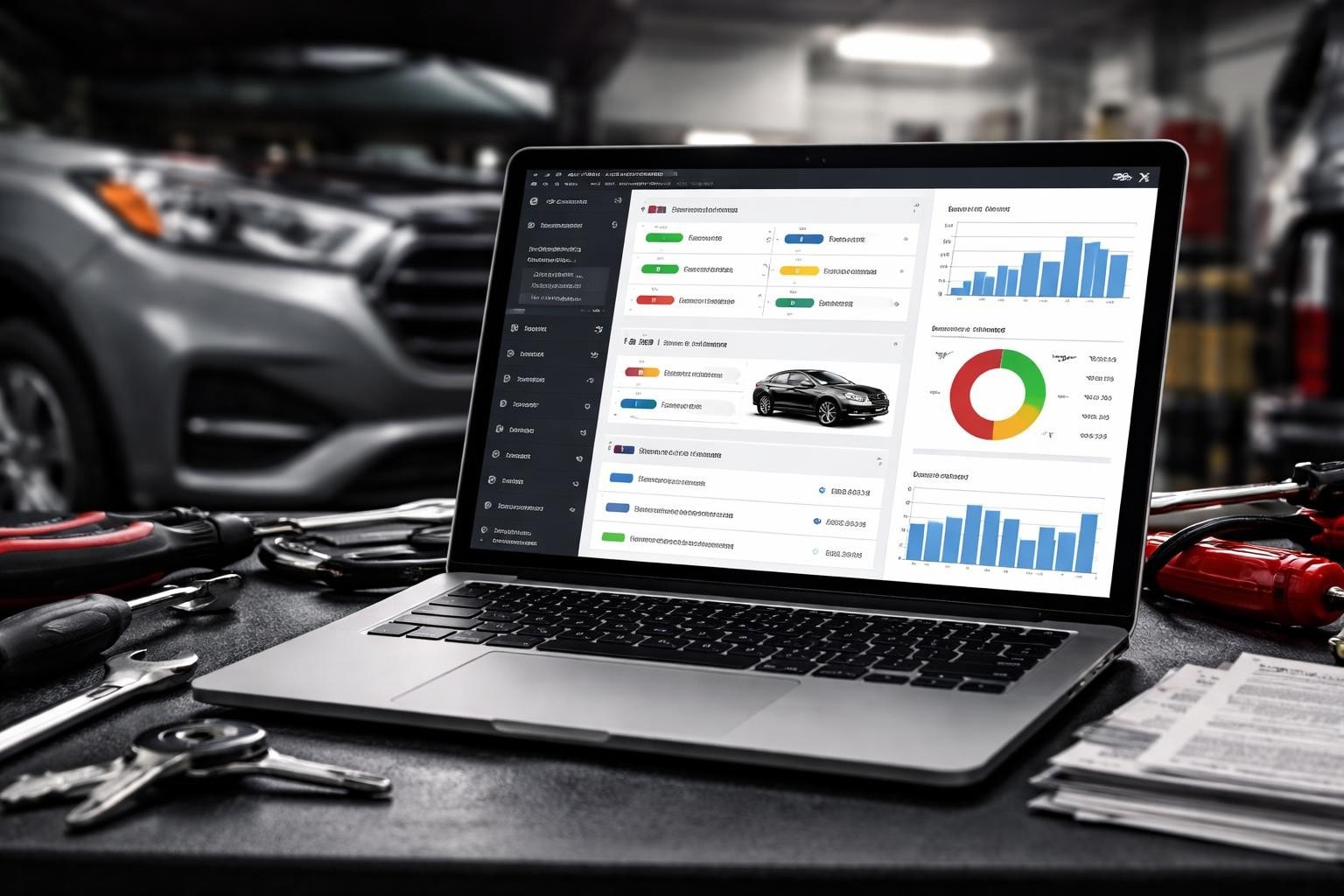
Modern vehicles represent significant investments that require consistent attention to maintain their value and performance. A car maintenance tracker serves as a comprehensive solution for recording every service, repair, modification, and expense associated with your vehicle throughout its lifespan. Whether you're a car enthusiast with multiple projects or a daily driver focused on reliability, implementing a structured tracking system transforms how you manage your automotive responsibilities. The shift from scattered receipts and fading memories to organized digital records empowers vehicle owners to make informed decisions, prevent costly breakdowns, and maintain detailed histories that enhance resale value.
Understanding Car Maintenance Tracking Systems
Vehicle maintenance tracking encompasses far more than remembering when to change oil. These systems document every interaction between you and your vehicle, creating a comprehensive timeline of care and improvements.
A robust car maintenance tracker captures service dates, mileage intervals, parts replaced, labor costs, and vendor information. This data forms the foundation for predictive maintenance scheduling, helping you anticipate upcoming needs before they become emergencies.
Key components of effective maintenance tracking include:
- Service history with dates and mileage
- Parts and materials documentation
- Labor and total cost tracking
- Vendor and technician information
- Warranty and guarantee records
- Modification logs and build details
The transition from traditional paper logs to digital platforms has revolutionized how vehicle owners manage their maintenance responsibilities. Digital solutions offer search functionality, automatic reminders, and cloud backup that paper systems cannot match.
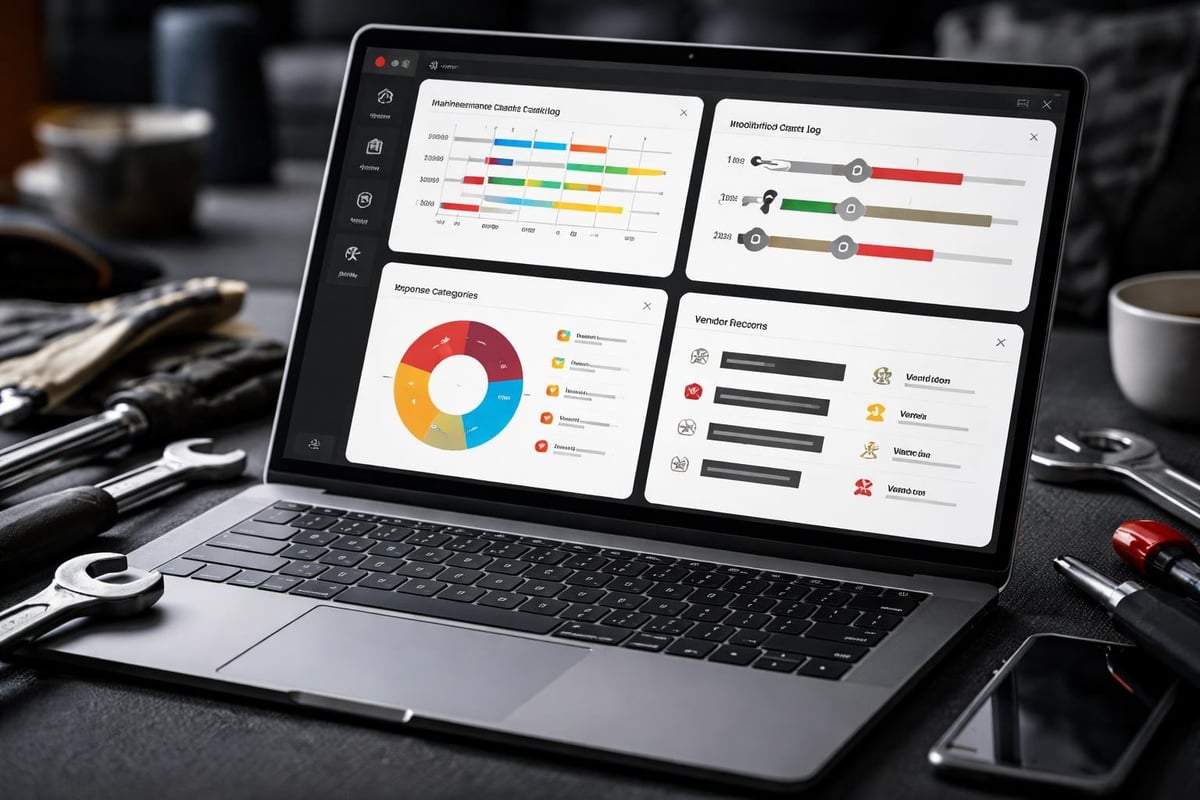
Traditional vs. Digital Tracking Methods
Paper-based maintenance logs still have their place, particularly for those who prefer tangible records. A dedicated notebook in your glove compartment allows immediate documentation after service visits. However, these physical systems face challenges with organization, searchability, and disaster recovery.
Digital tracking platforms eliminate these limitations while introducing powerful new capabilities. Cloud-based systems ensure your records remain accessible even if your phone is lost or your computer crashes. Modern apps designed for maintenance tracking sync across devices, providing access whether you're at home planning your next service or at the shop discussing repairs with your mechanic.
The hybrid approach combines both methods. Many vehicle owners maintain digital primary records while keeping printed summaries in their vehicles for quick reference during roadside emergencies or when visiting new service providers.
Essential Features of Modern Car Maintenance Trackers
Selecting the right tracking solution requires understanding which features deliver genuine value versus those that simply add complexity. The most effective car maintenance tracker solutions balance comprehensive functionality with intuitive interfaces.
Service Interval Management
Automatic reminders represent perhaps the most valuable feature in any maintenance tracking system. These notifications alert you when services become due based on time, mileage, or both parameters simultaneously.
Smart interval tracking adapts to your actual driving patterns. If you typically drive 15,000 miles annually but take a 3,000-mile road trip, the system recalculates upcoming service dates accordingly. This dynamic scheduling prevents premature maintenance while ensuring you never miss critical services.
| Service Type | Time Interval | Mileage Interval | Priority Level |
|---|---|---|---|
| Oil Change | 6 months | 5,000 miles | High |
| Tire Rotation | 6 months | 7,500 miles | Medium |
| Brake Inspection | 12 months | 12,000 miles | High |
| Transmission Service | 24 months | 30,000 miles | High |
| Coolant Flush | 36 months | 50,000 miles | Medium |
Understanding recommended maintenance schedules for your specific vehicle ensures your tracker aligns with manufacturer specifications rather than generic guidelines.
Expense Tracking and Budgeting
Financial oversight transforms maintenance from an unpredictable burden into a manageable budget category. Comprehensive expense tracking reveals spending patterns, identifies cost-saving opportunities, and helps forecast future maintenance investments.
Categorizing expenses by service type illuminates where your money goes. You might discover that tire replacements consume more budget than anticipated, or that choosing a different service provider for routine maintenance could generate significant annual savings.
Expense categories worth tracking separately:
- Routine maintenance (oil, filters, fluids)
- Wear items (tires, brakes, wipers)
- Repairs and diagnostics
- Modifications and upgrades
- Registration and insurance
- Fuel and charging costs
Setting up a car maintenance budget based on historical data from your tracker enables proactive financial planning rather than reactive scrambling when service bills arrive.
Building Your Modification History
For enthusiasts who customize and upgrade their vehicles, tracking modifications provides value beyond basic maintenance records. A detailed modification log documents your build journey, preserves installation specifications, and creates shareable profiles that showcase your work.
Modification tracking serves multiple purposes beyond personal satisfaction. When selling a modified vehicle, comprehensive documentation of parts, installation dates, and tuning details reassures potential buyers about the quality and legitimacy of your upgrades. Insurance companies may also require modification documentation for proper coverage.
Creating Comprehensive Build Documentation
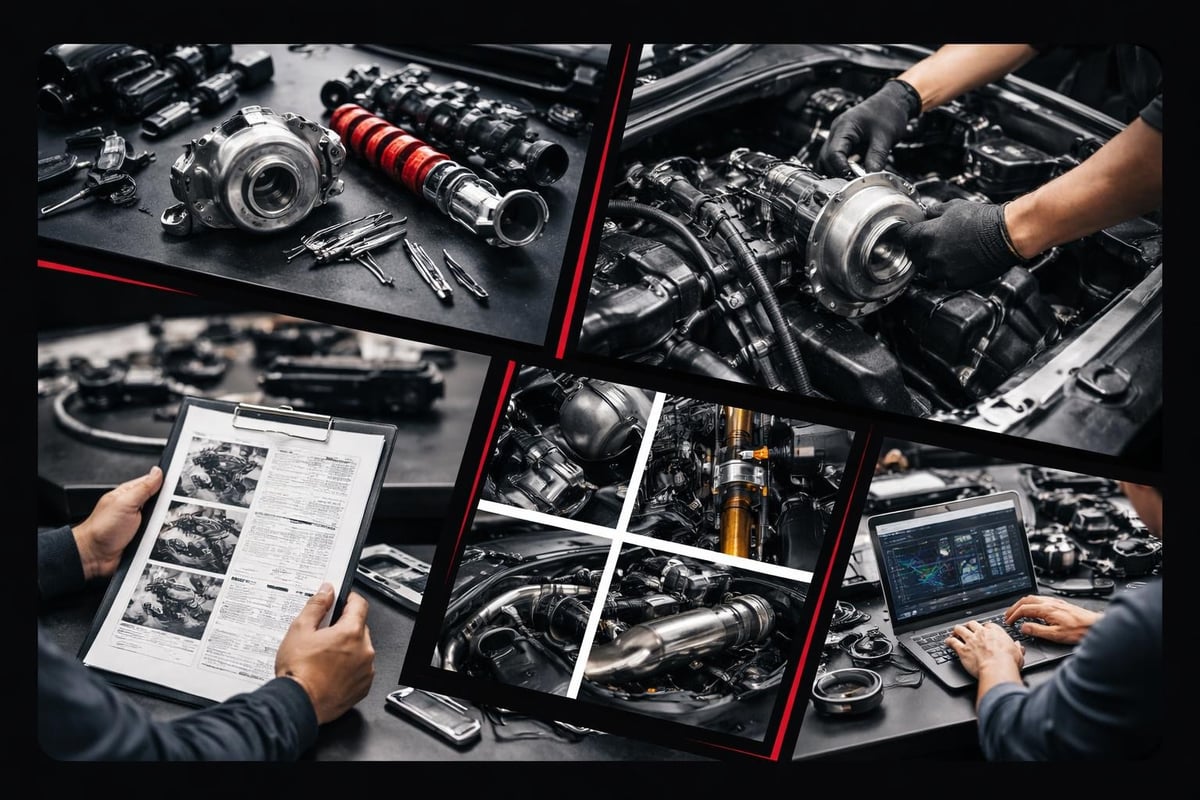
Each modification entry should capture far more than just "installed new exhaust." Effective documentation includes part numbers, manufacturer details, installation date, installer information, torque specifications, and supporting photographs.
Before-and-after comparisons prove particularly valuable for visual modifications. Document baseline performance metrics before performance upgrades, then record improvements after installation. This data-driven approach validates your modifications' effectiveness and guides future enhancement decisions.
Platform-specific communities benefit from detailed build threads. When you share your vehicle logs with other enthusiasts, comprehensive modification details help them learn from your experiences and avoid potential pitfalls.
Selecting the Right Tracking Solution
The marketplace offers dozens of car maintenance tracker options, each targeting different user needs and preferences. Choosing the optimal solution requires evaluating your specific requirements against available features.
Platform Considerations
Mobile apps provide convenience and accessibility, particularly for on-the-go documentation. Android-specific solutions and iPhone apps each offer unique advantages within their respective ecosystems.
Web-based platforms excel for users who prefer larger screens and more extensive data entry sessions. These systems typically offer richer reporting and analysis tools compared to mobile-first solutions.
Spreadsheet templates represent the budget-conscious option. Comprehensive tracking templates provide structure without subscription costs, though they require more manual effort and lack automated reminders.
Evaluation criteria for tracking platforms:
- Multi-vehicle support for households with multiple cars
- Cloud backup and synchronization
- Photo and document attachment capabilities
- Export functionality for data portability
- Reminder customization and notification options
- Community features for sharing builds
- API access for advanced integrations
Privacy and Data Ownership
Understanding where your data resides and who controls it becomes increasingly important as tracking systems become more sophisticated. Some platforms monetize user data or use vehicle information for marketing purposes.
Read privacy policies carefully before committing sensitive information like VIN numbers, location data, and personal identification to any tracking platform. Ensure the service provides data export functionality so you're never locked into a single provider.
Local-first solutions that store data primarily on your device offer maximum privacy control, though they sacrifice the convenience of automatic cloud backup and multi-device synchronization.
Maximizing Your Tracking System's Value
Simply having a car maintenance tracker delivers minimal value. Consistent use and strategic data organization transform tracking from a chore into a powerful asset that saves time and money.
Establishing Consistent Documentation Habits
Immediate entry proves far more effective than batch processing. Document services within 24 hours of completion while details remain fresh. This practice prevents forgotten services and ensures accurate mileage recording.
Photograph receipts and invoices as backup documentation. Even with digital tracking, visual confirmation of service provider claims provides valuable verification should warranty disputes or insurance questions arise later.
Set recurring calendar reminders to review your maintenance tracker monthly. This regular audit catches missed services, updates upcoming needs, and ensures your tracking system remains current and useful.
Understanding Maintenance Patterns
After several months of consistent tracking, patterns emerge that reveal valuable insights about your vehicle and driving habits. Certain services may require more frequent attention than manufacturer guidelines suggest, while others consistently exceed recommended intervals without issue.
Seasonal patterns often influence maintenance needs. Vehicles in cold climates require more frequent battery and cooling system attention. Hot climate vehicles consume more tire and air conditioning service. Your tracker data illuminates these patterns specific to your environment and usage.
| Maintenance Insight | Data Source | Action Step |
|---|---|---|
| Premature tire wear | Rotation history | Alignment check |
| Frequent oil top-ups | Service logs | Leak inspection |
| Declining fuel economy | Mileage tracking | Engine diagnostics |
| Repeated brake service | Expense records | Driving habit review |
CarJourney Pro offers AI-powered insights that automatically identify these patterns and provide actionable recommendations based on your specific vehicle history and modification profile. The platform's unlimited vehicle tracking makes it particularly valuable for enthusiasts managing multiple projects simultaneously, while the yearly subscription provides comprehensive access to all premium features and community resources.

Advanced Tracking Strategies for Enthusiasts
Car enthusiasts require tracking capabilities beyond basic maintenance logs. Competition vehicles, project cars, and modified daily drivers benefit from enhanced documentation that captures performance data, setup changes, and experimental modifications.
Performance Baseline and Testing Documentation
Establishing performance baselines before modifications provides measurable validation of upgrade effectiveness. Document quarter-mile times, dyno results, lap times, or fuel economy figures before making changes.
After each modification, repeat baseline tests under similar conditions. This disciplined approach separates genuine improvements from placebo effects and helps identify modifications that provide the best return on investment.
Performance metrics worth tracking:
- Acceleration times (0-60, quarter-mile)
- Braking distances from various speeds
- Skidpad or autocross lap times
- Fuel economy under controlled conditions
- Dyno power and torque curves
- Temperature readings under load
Multi-Vehicle Management
Enthusiasts often maintain multiple vehicles simultaneously, each requiring independent tracking while benefiting from consolidated oversight. Effective multi-vehicle management requires clear organization and distinct profiles for each car.
Tag vehicles by category: daily driver, project car, weekend toy, winter beater. This classification enables filtered views that show only relevant vehicles for specific contexts. When planning maintenance, view only active vehicles. When budgeting, include all vehicles to understand total automotive expenditure.
Cross-vehicle insights reveal interesting patterns. You might discover that certain service providers consistently deliver better value across all your vehicles, or that specific parts brands prove more reliable regardless of application.
Integrating with Manufacturer Technologies
Modern vehicles equipped with telematics and connected services generate automated maintenance data. AAA discusses various tracking technologies available in contemporary vehicles, from built-in systems to aftermarket solutions.
OBD-II Integration
On-board diagnostics ports provide direct access to vehicle computer data. Connected car maintenance tracker systems read engine codes, monitor sensor readings, and detect emerging issues before they trigger dashboard warning lights.
Bluetooth OBD-II adapters bridge the gap between vehicle computers and smartphone apps, enabling real-time monitoring and automated data logging. This integration eliminates manual mileage entry and provides additional context for maintenance events.
Be cautious with constant OBD-II monitoring. Some adapters drain battery power when vehicles sit unused for extended periods. Removable adapters offer flexibility while permanent installations provide convenience.
Manufacturer App Coordination
Factory telematics systems like OnStar, Mercedes me, or Toyota Connected Services automatically track certain maintenance items. However, these systems typically focus on basic services while ignoring modifications, upgrades, and enthusiast-specific maintenance.
Coordinate manufacturer data with your comprehensive tracker for complete coverage. Allow the factory system to handle routine reminders while your tracker documents the full story of your vehicle's care and modification journey.
Export data from manufacturer systems when possible. This prevents vendor lock-in and ensures maintenance history remains accessible even after selling the vehicle or discontinuing subscription services.
Making Maintenance Information Accessible
Organized tracking proves worthless if the information remains inaccessible when needed. Strategic sharing and backup practices ensure maintenance data serves you effectively across various scenarios.
Emergency Access Protocols
Roadside breakdowns require immediate access to maintenance history. Service providers can diagnose issues faster when they know recent work performed. Store summary maintenance information physically in your vehicle for situations where digital access isn't possible.
Create printed maintenance summaries annually. Include recent service dates, current mileage, upcoming maintenance items, and emergency contact information. Laminate these summaries for durability and store them with your vehicle documentation.
Digital sharing features enable real-time access for family members or trusted mechanics. Grant view-only access to individuals who may need your maintenance history without risking accidental edits or deletions.
Resale Documentation
Comprehensive maintenance records significantly enhance vehicle value during sale. Buyers pay premium prices for well-documented vehicles, particularly when modifications are thoroughly recorded and professionally installed.
Generate complete maintenance reports before listing vehicles for sale. Include service summaries, expense totals, modification lists, and supporting photographs. Finding reliable maintenance information becomes easier for potential buyers when you provide organized, verified documentation.
Third-party vehicle history reports from services like My Vehicle Report supplement your personal tracking by providing independent verification of major events like accidents, title changes, and reported maintenance.
Tracking Specialized Maintenance Scenarios
Certain vehicles and usage patterns require adapted tracking approaches beyond standard maintenance documentation. Understanding these specialized scenarios ensures your car maintenance tracker remains effective regardless of circumstances.
Fleet and Business Vehicle Tracking
Business use introduces tax deductibility requirements and compliance documentation. Fleet tracking must separate personal and business mileage while documenting justification for vehicle-related expenses.
Enhanced fleet tracking includes driver assignment, trip purposes, and business expense categorization. These additional data points support tax preparation and audit defense while still providing core maintenance management functionality.
Shared vehicle scenarios require user-specific logging. When multiple drivers use the same vehicle, tracking who performed which service prevents confusion and ensures accountability for maintenance responsibilities.
Classic and Collector Vehicle Management
Vintage vehicles present unique tracking challenges. Original equipment parts may no longer exist, requiring documentation of acceptable substitutes and modern equivalents. Restoration work demands detailed before-during-after photographic evidence.
Preservation-focused tracking emphasizes storage conditions, maintenance procedures specific to long-term storage, and periodic exercise to maintain mechanical function. Document climate control settings, battery tender connections, and fuel stabilizer applications.
Authenticity documentation proves critical for valuable collectors. Record original parts removed during restoration, note deviations from factory specifications, and maintain provenance documentation for rare components.
Electric and Hybrid Vehicle Considerations
Electric vehicles shift maintenance focus from fluids and filters toward software updates, battery health, and charging infrastructure. Traditional maintenance trackers may not accommodate EV-specific needs without customization.
Track battery degradation metrics, charging session details, and range observations under various conditions. This data helps identify battery health trends and optimal charging practices for longevity.
Hybrid vehicles require combined tracking of both conventional and electric systems. Document both engine maintenance and battery pack servicing, noting the interaction between drive systems and specialized maintenance requirements.
Leveraging Community and Expert Knowledge
Your car maintenance tracker connects you to broader automotive communities where shared knowledge multiplies individual learning. Strategic engagement with enthusiast communities and professional resources enhances your vehicle management effectiveness.
Build Sharing and Community Feedback
Detailed modification logs become valuable teaching tools when shared with online communities. Other enthusiasts learn from your successes and avoid your mistakes. In return, community feedback helps identify potential issues or improvement opportunities you might have missed.
Platform-specific forums benefit from standardized modification documentation. When everyone tracks similar data points, comparing different approaches to similar builds becomes straightforward and genuinely informative.
Professional builders and tuners often provide feedback on shared build threads. This expert insight, typically available only through paid consultations, becomes freely accessible when you document and share your work comprehensively.
Coordinating with Service Providers
Share relevant maintenance history with service providers before appointments. This preparation enables more efficient diagnostics and prevents redundant work. Mechanics appreciate customers who provide organized information rather than vague recollections of previous service.
Request digital invoices and documentation from service providers. Many modern shops provide emailed receipts with detailed service descriptions, making entry into your tracking system faster and more accurate.
Establish partnerships with trusted service providers who understand your tracking priorities. These relationships encourage detailed documentation and appropriate recommendations based on your actual maintenance history rather than aggressive service schedules.
Future Trends in Maintenance Tracking
The automotive industry evolves rapidly, and maintenance tracking technologies advance alongside vehicle capabilities. Understanding emerging trends helps select tracking solutions that remain relevant as technology progresses.
Artificial Intelligence Integration
AI-powered analysis identifies patterns invisible to human observation. Machine learning algorithms process maintenance data across thousands of vehicles, providing predictive insights specific to your make, model, and usage patterns.
Natural language interfaces simplify data entry and retrieval. Rather than navigating complex menus, ask your tracking system questions like "when was my last brake service?" or "what maintenance is due this month?" and receive immediate, conversational responses.
Automated expense categorization uses image recognition to read receipts and extract relevant data. Photograph an invoice and watch AI populate service dates, parts costs, and vendor information without manual typing.
Blockchain and Verified History
Blockchain technology promises immutable maintenance records that cannot be altered or falsified. This verification provides unprecedented confidence in used vehicle history claims, potentially revolutionizing the resale market.
Decentralized storage prevents single points of failure. Your maintenance records exist across distributed networks rather than on single company servers, ensuring permanent accessibility regardless of service provider longevity.
Smart contracts could automate warranty claims and maintenance reimbursements based on verified service completion. These automated agreements execute when predetermined conditions are met, streamlining previously bureaucratic processes.
Vehicle-to-Everything Communication
Connected vehicles share maintenance status with infrastructure and service networks. Your car could automatically schedule service appointments when maintenance becomes due, selecting times that align with your calendar and preferred service providers.
Predictive part ordering based on your maintenance history and upcoming service needs could reduce appointment times. Service centers receive advance notice of required parts, ensuring availability before you arrive.
Integration with yearly vehicle maintenance planning becomes seamless when vehicles communicate directly with tracking platforms, eliminating manual data transfer and reducing documentation errors.
Implementing a comprehensive car maintenance tracker transforms vehicle ownership from reactive scrambling to proactive management. The combination of historical documentation, predictive scheduling, and detailed modification logging ensures your vehicles receive optimal care while preserving value and enhancing enjoyment. Whether you're maintaining a single daily driver or managing a collection of project vehicles, CarJourney provides the AI-powered platform and community resources needed to document every aspect of your automotive journey, from routine oil changes to complex build projects.