 carjourney
From the CarJourney journal
How to Choose the Best Tire Pressure Monitoring System
Quick Summary
The best tire pressure monitoring system depends on whether your car already has a factory system or you are adding one. Direct systems put a sensor in each wheel and report actual pressure per tire, while indirect systems use brake sensors to compare wheel speeds without new hardware.
- Direct systems report actual pressure and temperature in each tire and can show which corner is low.
- Indirect systems cost less and need no new hardware, but can miss a slow leak in all four tires at once.
- Check sensor frequency, valve stem type and wheel count before buying any replacement or kit.
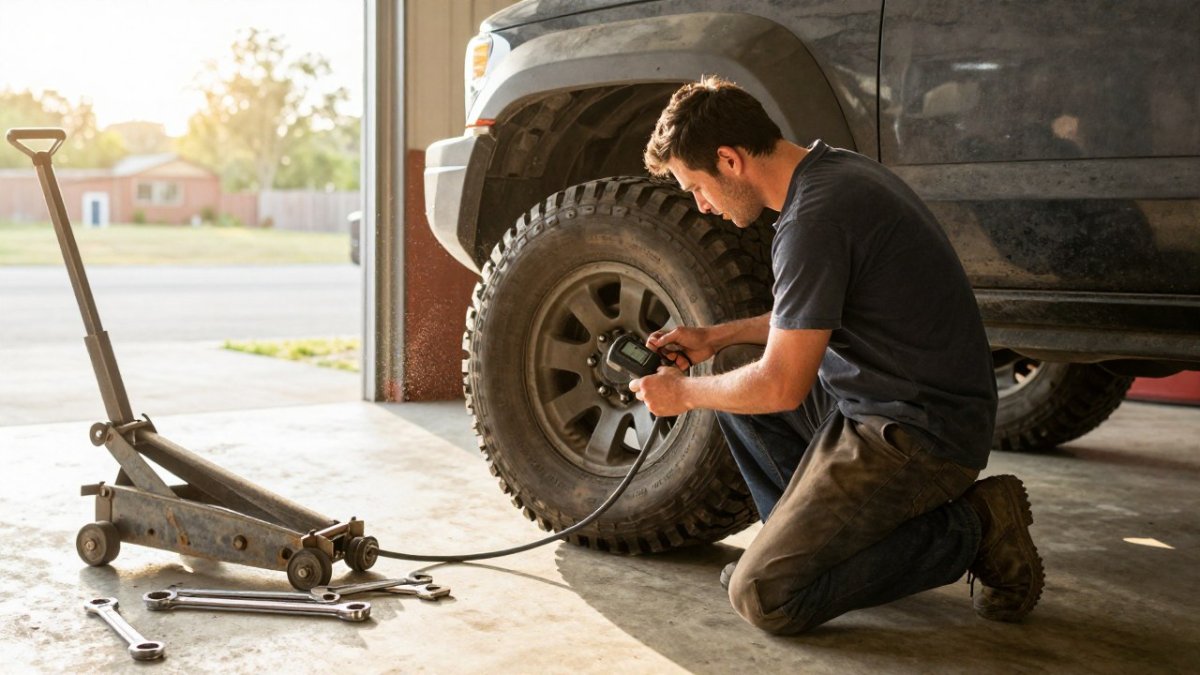
- Verify a sensor reading against a manual gauge at least once a month.
- Replace the valve stem and nut when swapping sensors to avoid slow leaks.
Table of Contents
- Top Tire Pressure Monitoring Systems for Cars: Our Picks
- How a Tire Pressure Monitoring System Works
- Direct vs. Indirect TPMS: Which Type Suits Your Car
- Best Aftermarket Tire Pressure Monitoring Systems Compared
- Best TPMS Sensors for Toyota Vehicles
- TPMS Sensor Compatibility and Installation Checks
- Keeping Your Tire Pressure Monitoring System Accurate and Reading Your Records
- Frequently Asked Questions
Top Tire Pressure Monitoring Systems for Cars: Our Picks
Choosing the best tire pressure monitoring system for cars starts with one question: does your vehicle already have a factory system, or are you adding one? Our picks cover both situations. If you want to keep tire pressure in view at every stop, a well-chosen monitor gives you real-time readings for all four tires before a small leak becomes a flat.
CarJourney is a maintenance and modification tracker that can serve as the place to record what the monitor tells you over time. Pressure readings, inflation dates and sensor replacements can all be kept in one record, which matters when you sell the car or need to prove maintenance.
Our picks are organized by use case:
- Best for a daily driver: A compact, four-sensor system with a clear display and a low-pressure alarm.
- Best for a project car: An aftermarket system with color display, temperature readout and adjustable alert thresholds.
- Best for a budget install: A basic indirect system that reads wheel-speed changes without new sensors.
Pricing depends on sensor count and retailer, so check current prices before you buy.
How a Tire Pressure Monitoring System Works
A tire pressure monitoring system (TPMS) is a set of sensors and a receiver that warn you when tire pressure drops below a safe level.
There are two main designs. Direct systems place a pressure sensor inside each wheel and send readings wirelessly to the car's computer or an aftermarket display. Indirect systems use the anti-lock brake sensors to compare wheel speeds, since an under-inflated tire rolls slightly faster.
Watch out: a sensor reading can drift if the tire is cold or if the sensor battery is failing. Check the number against a manual gauge before you adjust pressure.
Direct vs. Indirect TPMS: Which Type Suits Your Car
Direct systems report the actual pressure in each tire, often along with temperature, and can tell you which corner is low. Indirect systems are cheaper and need no new hardware, but they cannot read pressure directly and can miss a slow leak in all four tires at once. Because indirect systems can miss a gradual loss across all four tires, it is still important to check truck tire pressure manually and compare readings with the recommended levels.
For a second car you only drive short distances, an indirect system may be enough.
Best Aftermarket Tire Pressure Monitoring Systems Compared
Aftermarket kits split into three practical formats for passenger cars: a four-sensor cap kit that screws onto the existing valve stems, a four-sensor internal kit that replaces the valve stem, and a factory-style sensor set paired with an OBD or display receiver. The right choice depends on whether you want a five-minute install or per-wheel pressure and temperature you can trust for years.
When comparing kits, score them on these concrete criteria:
- Sensor type: Cap sensors install without dismounting the tire but add mass to the valve stem and are easier to steal or damage. Internal stem sensors sit inside the wheel, read temperature more accurately, and last longer, but require tire dismounting and balancing.
- Sensor count: Four for a passenger car; five if you want the spare covered. Buying a four-sensor kit and adding a fifth later often costs more than a five-sensor kit upfront.
- Display and power: Solar-assisted windshield displays avoid a dash cable; OBD-powered units draw from the diagnostic port; phone-app systems trade a dedicated screen for Bluetooth range limits.
- Alert behavior: Look for adjustable low-pressure and high-temperature thresholds, a visible and audible alarm, and a fast update interval (most kits refresh every 5-30 seconds while moving).
- Battery and replacement cost: Check whether the sensor battery is user-replaceable or the whole sensor must be swapped.
- Compatibility: Confirm the kit covers 0-87 PSI (most passenger cars) or higher for trucks, and that the receiver supports the number of wheels you need.
Neither format replaces a manual gauge check, use one monthly to confirm the display is honest.
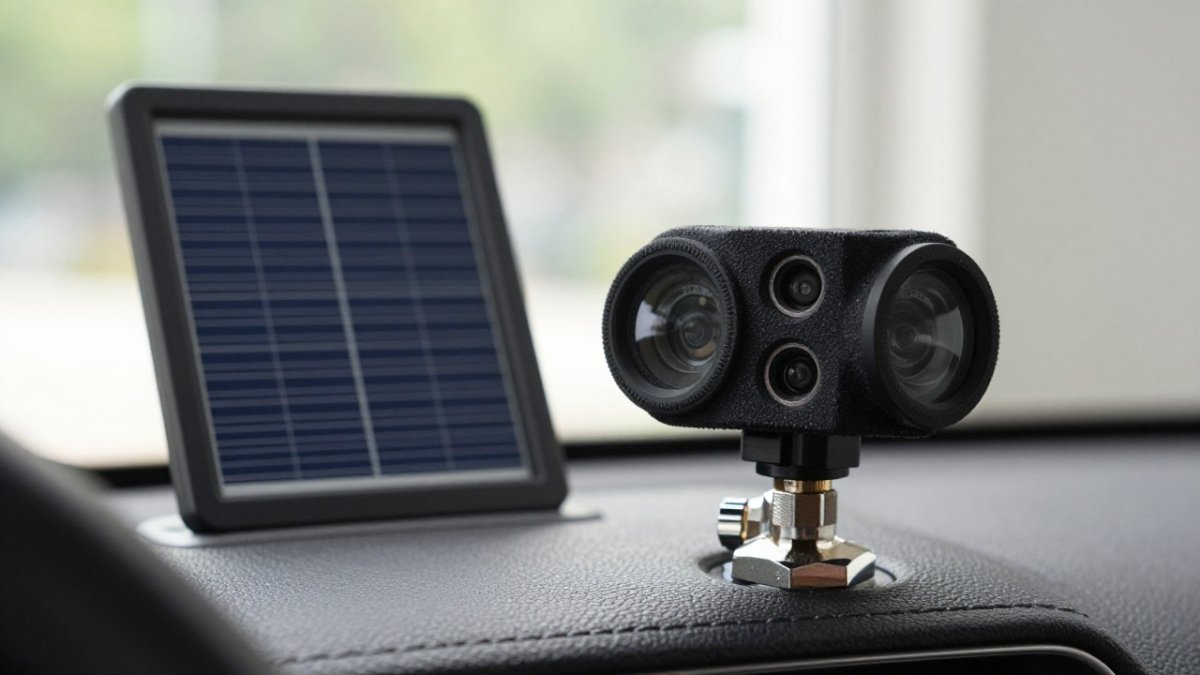
Watch out: a kit rated for 0-87 PSI will not serve a truck running 80 PSI cold plus heat gain; confirm the upper range before buying.
Best TPMS Sensors for Toyota Vehicles
Sensor protocols can change by vehicle generation, so the year and model matter when choosing a replacement. Toyota sensors may operate on different frequencies depending on the model, so confirm the frequency before buying.
Use this checklist before ordering a replacement set:
- Match the part number, not just the model. Sensor part numbers can differ by generation, so pull the number from the old sensor or the door-jamb label and cross-reference it.
- Confirm frequency and protocol. 315 MHz is common; 433 MHz appears on some models. A sensor listed as "universal" still needs the correct frequency and a programmable tool to clone or write the ID.
- Decide between OEM and programmable aftermarket. OEM sensors arrive pre-programmed and pair with a relearn procedure; programmable aftermarket sensors need a TPMS tool to write the vehicle ID and can be reused across vehicles.
- Plan the relearn. Most Toyota vehicles relearn through the OBD port with a scan tool, though some older models use a manual sequence (ignition cycling and a reset button under the dash). Budget for a shop visit if you do not own a TPMS tool.
- Replace the valve stem and nut. Reusing old hardware is a common cause of slow leaks after a sensor swap.
Watch out: a sensor that pairs successfully can still report the wrong corner if the IDs are written in the wrong order, verify each tire position on the display after the relearn.
TPMS Sensor Compatibility and Installation Checks
Before you buy a sensor or kit, confirm three things: the sensor frequency, the valve stem type and the number of wheels the system supports. Installation is simpler when the sensors match the valve stems already on the car. Once the sensors are in, you can learn how to inflate car tires properly to the correct pressure.
A mechanic's hands holding a small tire pressure sensor beside an open car wheel in a driveway workshop show the typical install. Sensors are mounted on the valve stem, the tire is remounted and the system is paired with the car's receiver or display.
Common mistakes include reusing old valve stem hardware, skipping the relearn procedure and ignoring the sensor battery rating. Follow the manufacturer's pairing steps exactly.
The table below sums up the three checks to make before buying a sensor or kit.
| Check | What to confirm | Why it matters |
|---|---|---|
| Sensor frequency | Match the car's frequency | Mismatched sensors will not pair |
| Valve stem type | Matches the sensors | Simplifies installation |
| Wheel count | System covers all wheels | Ensures full monitoring |
Keeping Your Tire Pressure Monitoring System Accurate and Reading Your Records
Accuracy depends on maintenance. Check your readings against a manual gauge at least once a month, and recheck after any sensor work or tire rotation. You can follow the steps in How to Check Tire Pressure Correctly to verify the sensor. Record each check so you can spot slow leaks and battery decline early.
Keep a log of pressure readings, sensor replacements and tire service in one place. A consistent record makes it easier to show a buyer that the system was maintained, and it helps you decide when a sensor is due for replacement.
Frequently Asked Questions
What is the best car tire pressure monitoring system?
The best system depends on your vehicle. Factory direct TPMS systems read each wheel's sensor and are generally the most accurate, while aftermarket kits are useful for older cars or vehicles without a monitoring system. Check that any aftermarket kit lists your make, model, and year, confirm the sensor frequency matches your car, and compare alert thresholds and false alarm reports before you buy. Verify current prices directly on the manufacturer's site, since costs vary by sensor count and display type.
What is the difference between direct and indirect TPMS?
Direct TPMS uses a pressure sensor inside each tire, transmitting readings wirelessly to the vehicle or a display. Indirect TPMS uses the wheel speed sensors of the anti-lock braking system to detect underinflation by comparing rotation speeds, without measuring actual pressure. Direct systems give exact readings per tire and can report temperature, while indirect systems are lower cost and need recalibration after tire rotations or pressure changes. For most drivers, direct systems offer more precise monitoring.
How do I know if a TPMS will work with my car?
Start with the vehicle's make, model, and year, then confirm the sensor frequency, typically 315 MHz or 433 MHz in the United States, matches what your car uses. Check whether the sensors are compatible with your tire size and rim type, and whether the kit supports the number of wheels you need, including a spare if you want it monitored. Review the manufacturer's compatibility chart and ask the seller to confirm fitment before ordering.
Can I install an aftermarket TPMS myself?
Many drivers install aftermarket sensors themselves, but the process involves removing tires, mounting sensors to the valve stems or rims, and pairing them with the display or the vehicle's module. Some vehicles require a relearning procedure after installation. If you have basic tire-changing tools and experience, a DIY install is manageable. Otherwise, a tire shop can mount and pair the sensors, which is often a reasonable cost for accurate setup.
 Add carjourney.io as a preferred source on Google →