 carjourney
From the CarJourney journal
Recommended Maintenance for Your Vehicle in 2026
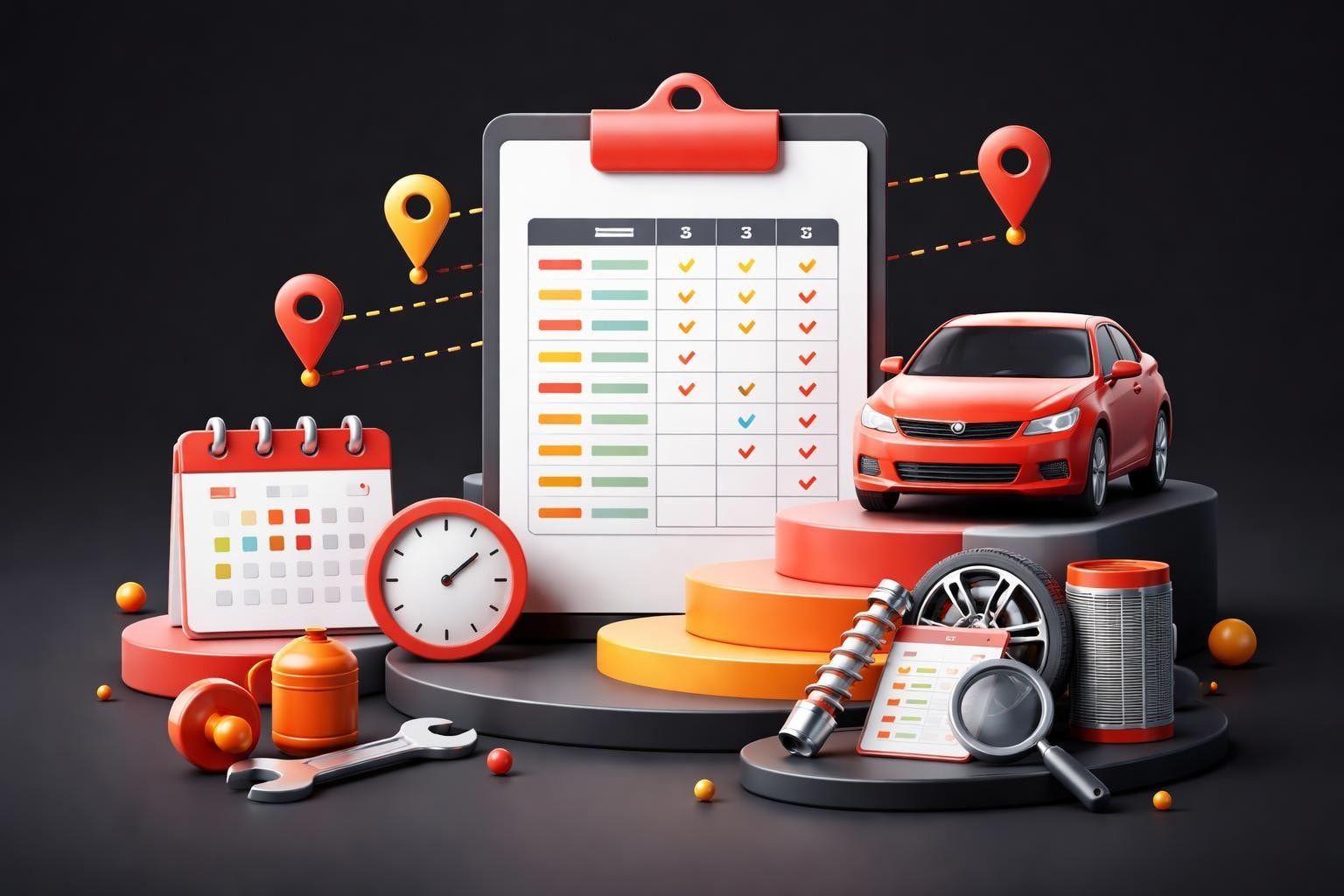
Keeping your vehicle in optimal condition requires more than occasional attention when something breaks. Following recommended maintenance schedules represents the difference between years of reliable service and costly repairs that could have been prevented. Whether you drive a daily commuter or a modified performance vehicle, understanding and implementing proper maintenance practices ensures your car remains safe, efficient, and ready for the road ahead. In 2026, with advanced tracking tools and AI-powered platforms available, staying on top of your vehicle's service needs has never been more accessible. For related reading, see our guides on car maintenance reminders and maintenance recommendations.
Understanding What Recommended Maintenance Includes
Recommended maintenance encompasses all the scheduled services, inspections, and component replacements that vehicle manufacturers specify to keep your car operating safely and efficiently. These guidelines are developed through extensive testing and engineering analysis to identify the optimal intervals for servicing critical systems.
Manufacturer Specifications vs. General Guidelines
Every vehicle comes with specific maintenance requirements outlined in the owner's manual. These specifications account for your particular engine type, transmission, drivetrain configuration, and other unique characteristics. Volvo Trucks' maintenance intervals demonstrate how manufacturers provide detailed service schedules based on precise engineering data.
Your recommended maintenance schedule typically includes:
- Oil and filter changes at specified mileage intervals
- Tire rotation and balancing to ensure even wear
- Brake system inspections including pads, rotors, and fluid
- Fluid level checks and replacements for coolant, transmission, power steering, and brake systems
- Air filter replacements for both engine and cabin
- Battery testing and terminal cleaning
- Belt and hose inspections to prevent unexpected failures

Creating Your Personalized Maintenance Schedule
Not all vehicles follow identical maintenance patterns. Your driving habits, environmental conditions, and vehicle modifications all influence what constitutes appropriate care for your specific situation.
Severe vs. Normal Driving Conditions
Manufacturers classify driving conditions into two categories that dramatically affect recommended maintenance intervals. Severe driving conditions include frequent short trips, extensive idling, dusty environments, trailer towing, or performance driving. Normal conditions represent highway driving with minimal stop-and-go traffic.
| Driving Condition | Oil Change Interval | Filter Replacement | Brake Inspection |
|---|---|---|---|
| Normal | 7,500-10,000 miles | 15,000-30,000 miles | 12,000 miles |
| Severe | 3,000-5,000 miles | 7,500-15,000 miles | 6,000 miles |
| Modified/Performance | 2,500-5,000 miles | 5,000-10,000 miles | 3,000-6,000 miles |
If you've modified your vehicle with performance upgrades, turbochargers, or enhanced suspension systems, your recommended maintenance needs intensify. Modified vehicles generate additional stress on components, requiring more frequent attention than stock configurations.
Seasonal Maintenance Considerations
Different seasons demand specific attention to ensure your vehicle remains reliable year-round. Winter preparations include battery testing, antifreeze concentration checks, and tire tread depth verification. Summer maintenance focuses on cooling system performance, air conditioning function, and protection against heat-related stress.
Climate also affects fluid degradation rates. Vehicles in extremely hot or cold regions may need more frequent oil changes and coolant system service than those in moderate climates.
Essential Systems Requiring Regular Attention
Every vehicle contains multiple interconnected systems that require periodic service to maintain optimal performance and safety. Understanding these systems helps you prioritize maintenance tasks and recognize potential issues before they escalate.
Engine and Drivetrain Care
Your engine represents the heart of your vehicle, and proper lubrication ensures longevity. Modern synthetic oils offer extended service intervals, but following manufacturer recommendations remains crucial. Understanding oil change costs helps you budget appropriately for this fundamental service.
The transmission requires attention through fluid checks and changes at specified intervals. Automatic transmissions particularly benefit from regular fluid replacement, as degraded fluid accelerates wear and can lead to expensive failures.
Differential service often gets overlooked but plays a critical role in drivetrain longevity. Rear-wheel and all-wheel drive vehicles need differential fluid changes every 30,000 to 50,000 miles depending on usage patterns.
Brake System Maintenance
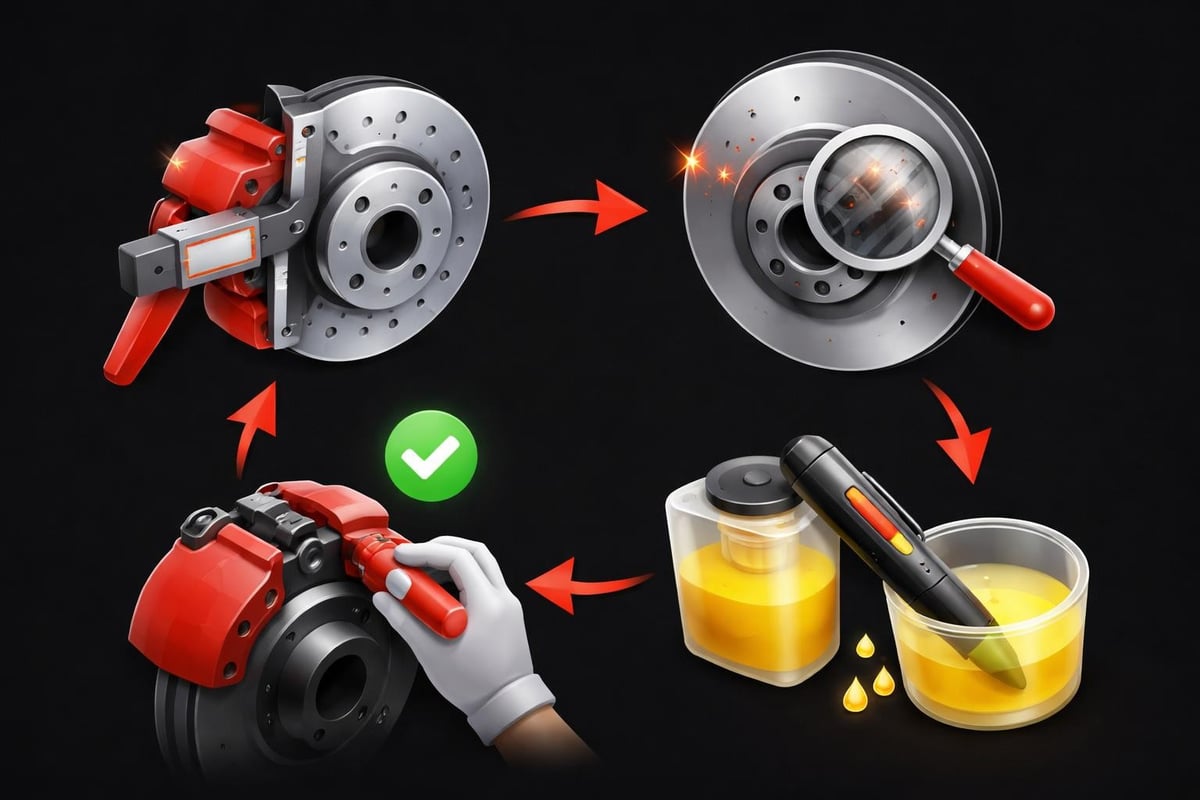
Brake systems demand consistent monitoring because they directly affect safety. Beyond pad and rotor replacement, brake fluid requires periodic flushing to remove moisture that accumulates over time and reduces braking effectiveness.
Key brake system checkpoints:
- Brake pad thickness measurement
- Rotor surface condition and thickness verification
- Caliper operation and slide pin lubrication
- Brake fluid level and condition assessment
- Parking brake adjustment and cable inspection
Modified vehicles with upgraded brake systems may need more frequent inspections, especially if used for track days or spirited driving.
Tracking and Documentation Methods
Maintaining accurate records of completed services provides multiple benefits. Documentation helps you identify patterns, plan future expenses, and increases resale value by demonstrating responsible ownership.
Digital vs. Paper Records
Traditional paper logs offer simplicity but lack the accessibility and organization that digital solutions provide. In 2026, most car enthusiasts have shifted to digital platforms that automatically remind them of upcoming services and store unlimited maintenance history.
Digital tracking platforms offer several advantages over manual record-keeping:
- Automated service reminders based on mileage and time
- Photo documentation of repairs and modifications
- Searchable history for quick reference
- Cloud backup preventing record loss
- Sharing capabilities for co-owners or service providers
For vehicles with extensive modifications, tracking becomes even more critical. Understanding which parts were installed when, along with associated service requirements, prevents confusion and ensures proper care. CarJourney Pro - Yearly provides unlimited vehicle tracking with AI-powered features specifically designed for enthusiasts managing modified builds and complex maintenance schedules.
Setting Up Effective Reminder Systems
Recommended maintenance loses effectiveness if you forget to complete scheduled services. Creating a reliable reminder system ensures nothing slips through the cracks.
Modern tracking platforms integrate multiple reminder methods including email notifications, mobile app alerts, and dashboard widgets. Setting reminders based on both mileage and time ensures you capture services regardless of driving frequency. Some services depend primarily on time (like brake fluid changes), while others relate to mileage (like oil changes).
Maintenance for Modified and Performance Vehicles
Enthusiasts who modify their vehicles face unique maintenance challenges that extend beyond standard recommendations. Performance upgrades increase stress on components and often require specialized attention.
Impact of Common Modifications
Different modifications create specific maintenance needs that owners must address to prevent premature failures:
Forced induction systems (turbochargers and superchargers) demand premium fuels, more frequent oil changes with high-quality synthetics, and careful monitoring of boost-related components like intercoolers and blow-off valves.
Suspension modifications require regular alignment checks, especially after track use or spirited driving. Coilovers need periodic rebuilds, and adjustable components should be inspected for proper torque and wear.
Exhaust systems with high-flow catalytic converters or aftermarket headers may need gasket replacements more frequently than stock configurations due to increased thermal cycling.
Performance Driving Considerations
Track days and performance driving sessions accelerate wear on multiple systems simultaneously. Following detailed maintenance guidelines becomes even more critical when subjecting your vehicle to sustained high-load conditions.
| Component | Street Interval | Track Interval |
|---|---|---|
| Engine Oil | 5,000 miles | After each track day |
| Brake Fluid | 24 months | 12 months or 3-4 track days |
| Brake Pads | 30,000 miles | Measure after each event |
| Tire Inspection | 10,000 miles | Before and after each session |
Cost Management and Budgeting Strategies
Recommended maintenance represents an ongoing investment in your vehicle's longevity and reliability. Smart budgeting prevents financial surprises and ensures you can complete necessary services on schedule.
Predictable vs. Variable Expenses
Some maintenance costs occur at predictable intervals, making them easy to budget. Oil changes, tire rotations, and filter replacements fall into this category. Other expenses like brake replacements or timing belt services happen less frequently but cost significantly more.
Creating a maintenance fund helps distribute costs throughout the year. Calculate your annual expected maintenance based on your vehicle's schedule, then set aside monthly amounts to cover upcoming services.
DIY vs. Professional Service Decisions
Determining which tasks you can handle yourself versus those requiring professional expertise affects both costs and quality. Simple services like oil changes, air filter replacements, and cabin filter installations are straightforward for most enthusiasts with basic tools.
More complex procedures benefit from professional expertise:
- Timing belt replacement requires specialized tools and precise procedures
- Wheel alignments need professional equipment for accurate adjustments
- Transmission service often involves specific fluid requirements and procedures
- Diagnostic work for check engine lights requires scan tools and expertise
Even if you perform your own maintenance, documenting the work maintains your vehicle's service history and demonstrates care during eventual resale.
Technology and Modern Maintenance Tracking
Advancements in automotive technology and digital platforms have transformed how owners approach recommended maintenance. Understanding these tools helps you leverage them effectively.
Onboard Vehicle Systems
Modern vehicles include maintenance reminder systems that track mileage and time since last service. These factory systems provide basic functionality but often lack the customization and detail that enthusiasts require, especially for modified vehicles.
AI-Powered Maintenance Platforms
Artificial intelligence has entered the automotive maintenance space, offering personalized recommendations based on your specific vehicle configuration, driving patterns, and modification history. These platforms analyze your usage data to predict optimal service intervals rather than relying solely on generic schedules.
AI systems can identify patterns in your driving habits and adjust recommendations accordingly. Frequent highway driving might extend certain service intervals, while aggressive acceleration patterns might shorten them. For the CarJourney community, this means maintenance schedules that reflect actual usage rather than one-size-fits-all guidelines from manufacturers.

Common Maintenance Mistakes to Avoid
Understanding recommended maintenance includes recognizing practices that undermine vehicle health. Avoiding these common errors protects your investment and prevents unnecessary repairs.
Overlooking Manufacturer Intervals
Perhaps the most frequent mistake involves extending service intervals beyond manufacturer recommendations to save money short-term. This approach inevitably costs more through accelerated wear and premature component failures.
Skipping or delaying brake fluid changes allows moisture accumulation that corrodes internal components and reduces braking performance. Extending oil change intervals beyond specifications accelerates engine wear, particularly in turbocharged or high-performance applications.
Using Incorrect Fluids or Parts
Not all fluids meet the specifications your vehicle requires. Using conventional oil when synthetic is specified, or choosing the wrong viscosity grade, provides inadequate protection and can void warranties.
Modern vehicles often require specific fluid formulations with precise additive packages. Transmission fluids, coolants, and brake fluids aren't universal products. Consulting authoritative sources ensures you're using appropriate specifications.
Ignoring Warning Signs Between Services
Recommended maintenance establishes baseline intervals, but unusual sounds, smells, or performance changes demand immediate attention regardless of scheduled service timing. Waiting until your next oil change to address a new squealing noise or fluid leak allows minor issues to become major problems.
Building a Relationship with Service Providers
Even enthusiasts who perform their own maintenance benefit from relationships with qualified professionals for complex procedures or diagnostic work.
Finding Qualified Technicians
Not all service providers possess equal expertise, especially regarding modified vehicles. Seek shops with specific experience in your vehicle make or modification type. Enthusiast communities and online forums often provide recommendations for reputable specialists in your area.
When evaluating service providers, consider:
- ASE certifications and manufacturer training credentials
- Experience with modified vehicles if applicable
- Diagnostic equipment quality and capability
- Warranty and guarantee policies on parts and labor
- Communication style and willingness to explain recommendations
Communicating Your Vehicle's History
Providing complete maintenance records helps technicians understand your vehicle's history and make informed recommendations. Digital platforms make sharing this information effortless, particularly when visiting new service providers or dealing with warranty claims.
Long-Term Benefits of Consistent Maintenance
The cumulative effect of following recommended maintenance extends far beyond avoiding breakdowns. Consistent care delivers multiple advantages that compound over ownership duration.
Reliability and Safety
Vehicles maintained according to schedule experience fewer unexpected failures and maintain factory safety standards throughout their service life. This reliability proves especially valuable for families depending on their vehicles for daily transportation or enthusiasts planning road trips and events.
Safety systems like brakes, tires, and suspension components directly protect occupants and other road users. Maintaining these systems through regular inspections and timely replacements prevents accidents caused by mechanical failures.
Resale Value Protection
Documented maintenance history significantly impacts resale value. Buyers pay premium prices for vehicles with complete service records demonstrating consistent care. For modified vehicles, this documentation becomes even more critical as it proves the owner understood and addressed the enhanced maintenance requirements.
Impact on resale value:
- Complete service history can increase value by 10-15%
- Documentation of modification installations and tuning
- Proof of using quality parts and fluids
- Evidence of addressing recalls and technical service bulletins
Performance Preservation
Fresh fluids, clean filters, and properly functioning components maintain your vehicle's performance characteristics. Degraded oil increases friction and reduces power output. Clogged filters restrict airflow and reduce efficiency. Regular maintenance keeps your vehicle performing as designed, whether stock or modified.
Resources and Support Networks
No owner needs to navigate recommended maintenance alone. Numerous resources provide guidance, and connecting with communities of fellow enthusiasts offers valuable insights specific to your vehicle and modifications.
The CarJourney blog offers detailed guides on various maintenance topics, while the FAQ section addresses common questions about tracking and documentation. For specific technical support, the support team provides personalized assistance with platform features and maintenance tracking strategies.
Online communities dedicated to specific vehicle makes, models, or modification types share collective knowledge about common issues, recommended service providers, and optimal maintenance approaches. These communities often identify patterns that individual owners might miss, like recurring problems at certain mileage intervals or superior aftermarket parts for specific applications.
Following recommended maintenance transforms vehicle ownership from reactive crisis management to proactive stewardship that preserves reliability, safety, and value. By understanding your specific requirements, implementing effective tracking systems, and staying consistent with scheduled services, you protect your automotive investment while enjoying years of dependable performance. CarJourney simplifies this process with AI-powered maintenance tracking, modification documentation, and community features that help enthusiasts manage their vehicles effectively. Start building your digital maintenance history today and experience the confidence that comes from knowing your vehicle's complete service story.