 carjourney
From the CarJourney journal
Essential Maintenance Recommendations for Your Vehicle
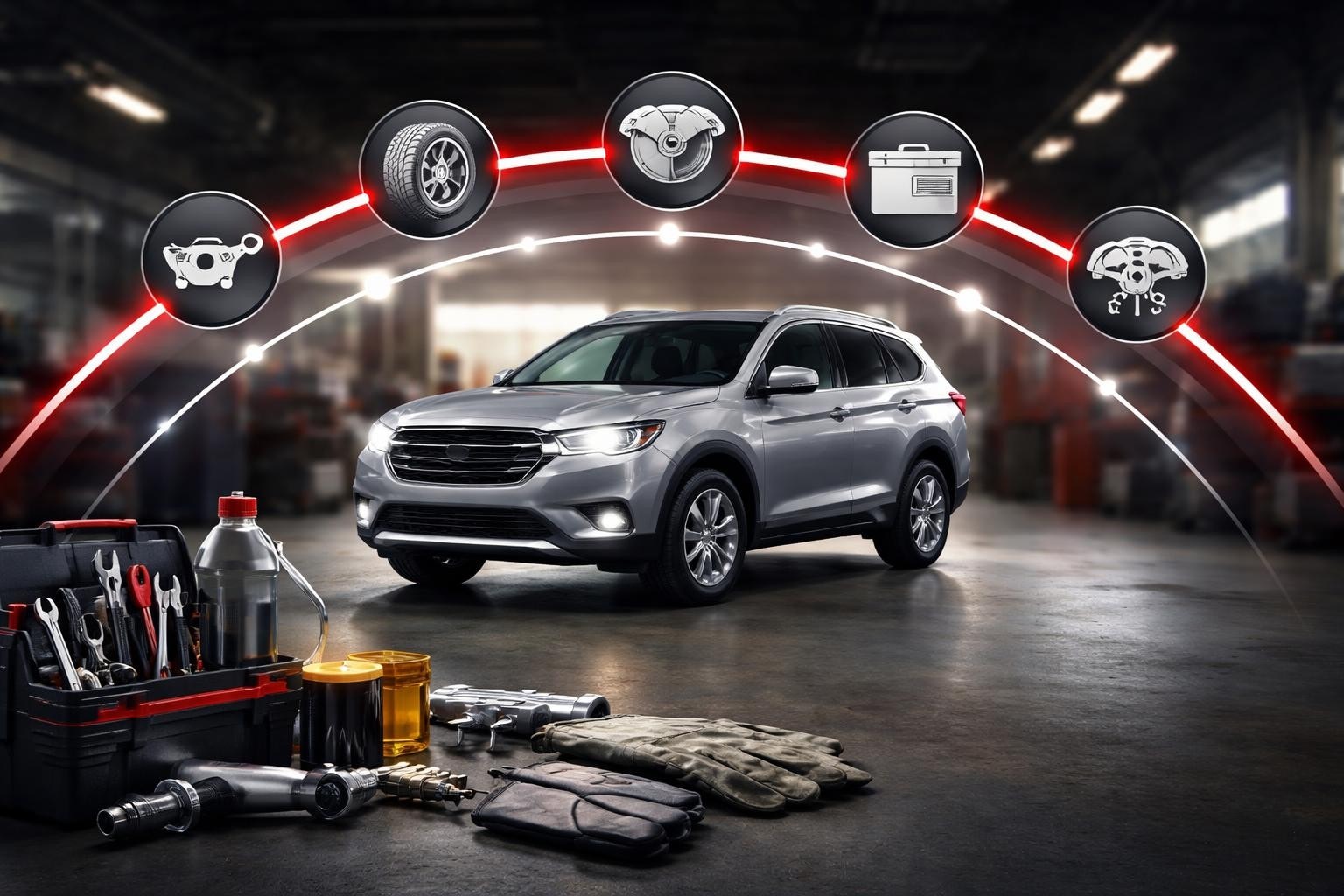
Following proper maintenance recommendations is the cornerstone of vehicle ownership, ensuring your car remains reliable, safe, and valuable for years to come. Whether you drive a daily commuter, a weekend sports car, or a heavily modified build, understanding and implementing the right maintenance schedule protects your investment and prevents costly repairs. In 2026, with vehicles becoming increasingly complex and technology-driven, having a systematic approach to maintenance has never been more important. This guide explores the essential maintenance recommendations every car owner should follow, along with practical strategies for tracking and managing your vehicle's service needs.
Understanding Manufacturer Maintenance Schedules
Every vehicle comes with a manufacturer-recommended maintenance schedule designed specifically for that make and model. These schedules outline exactly when specific services should be performed, typically based on mileage intervals or time periods.
Most manufacturer schedules include two distinct categories:
- Normal driving conditions: Standard intervals for everyday use
- Severe driving conditions: More frequent service for demanding environments
- Time-based intervals: Services due regardless of mileage
- Mileage-based intervals: Services triggered by odometer readings
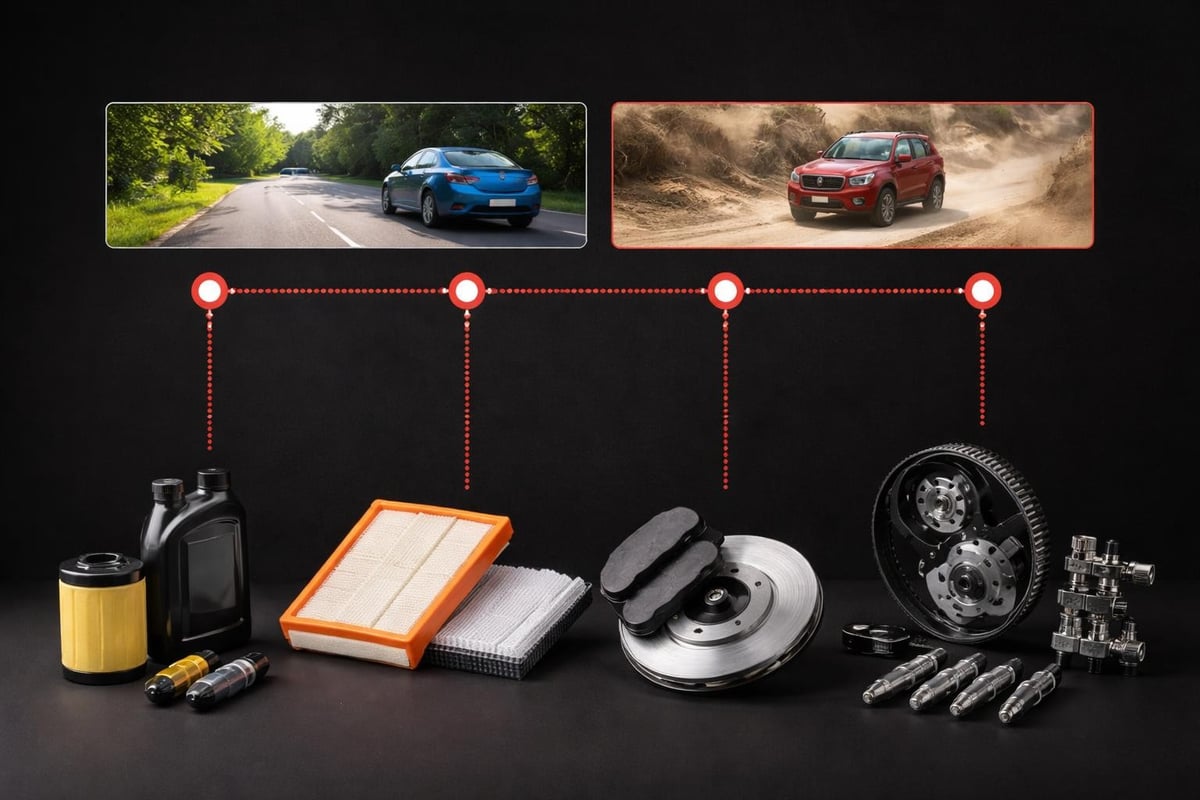
The definition of "severe" driving often surprises owners. It includes frequent short trips, stop-and-go traffic, towing, dusty conditions, and extreme temperatures. Many urban drivers actually fall into this category without realizing it.
Your owner's manual contains the complete maintenance schedule, but understanding which category applies to your driving habits is crucial for following the right maintenance recommendations. Consulting a comprehensive car maintenance plan can help you align manufacturer guidelines with your specific driving patterns.
Critical Fluid Changes and Intervals
Fluids are the lifeblood of your vehicle, and maintaining them according to maintenance recommendations prevents premature wear and catastrophic failures.
Engine Oil and Filter
Engine oil lubricates, cools, and cleans internal components. Modern synthetic oils have extended change intervals, but maintenance recommendations vary significantly based on driving conditions.
| Oil Type | Normal Conditions | Severe Conditions |
|---|---|---|
| Conventional | 5,000-7,500 miles | 3,000-5,000 miles |
| Synthetic Blend | 7,500 miles | 5,000 miles |
| Full Synthetic | 10,000-15,000 miles | 7,500-10,000 miles |
Always replace the oil filter during every oil change. Some manufacturers now recommend specific oil formulations for their engines, making it essential to follow their specifications precisely. Understanding the cost of oil service helps you budget appropriately for this fundamental maintenance task.
Transmission Fluid
Transmission fluid degrades over time, losing its ability to protect gears and clutches. Despite some manufacturers claiming "lifetime" fluid, most maintenance recommendations suggest changes every 30,000-60,000 miles for conventional automatics and 60,000-100,000 miles for continuously variable transmissions (CVTs).
Manual transmissions typically require fluid changes every 30,000-50,000 miles, though some performance applications may need more frequent service.
Coolant System
Coolant protects your engine from overheating and freezing while preventing corrosion. Modern extended-life coolants can last 100,000-150,000 miles, but older formulations require replacement every 30,000 miles. Always use the coolant type specified by your manufacturer, as mixing different formulations can cause system damage.
Brake Fluid
Brake fluid absorbs moisture over time, reducing its boiling point and compromising braking performance. Most maintenance recommendations call for brake fluid replacement every two to three years, regardless of mileage. Performance and modified vehicles may require more frequent changes due to harder braking demands.
Wear Items and Replacement Schedules
Beyond fluids, numerous components wear during normal operation and require periodic replacement according to maintenance recommendations.
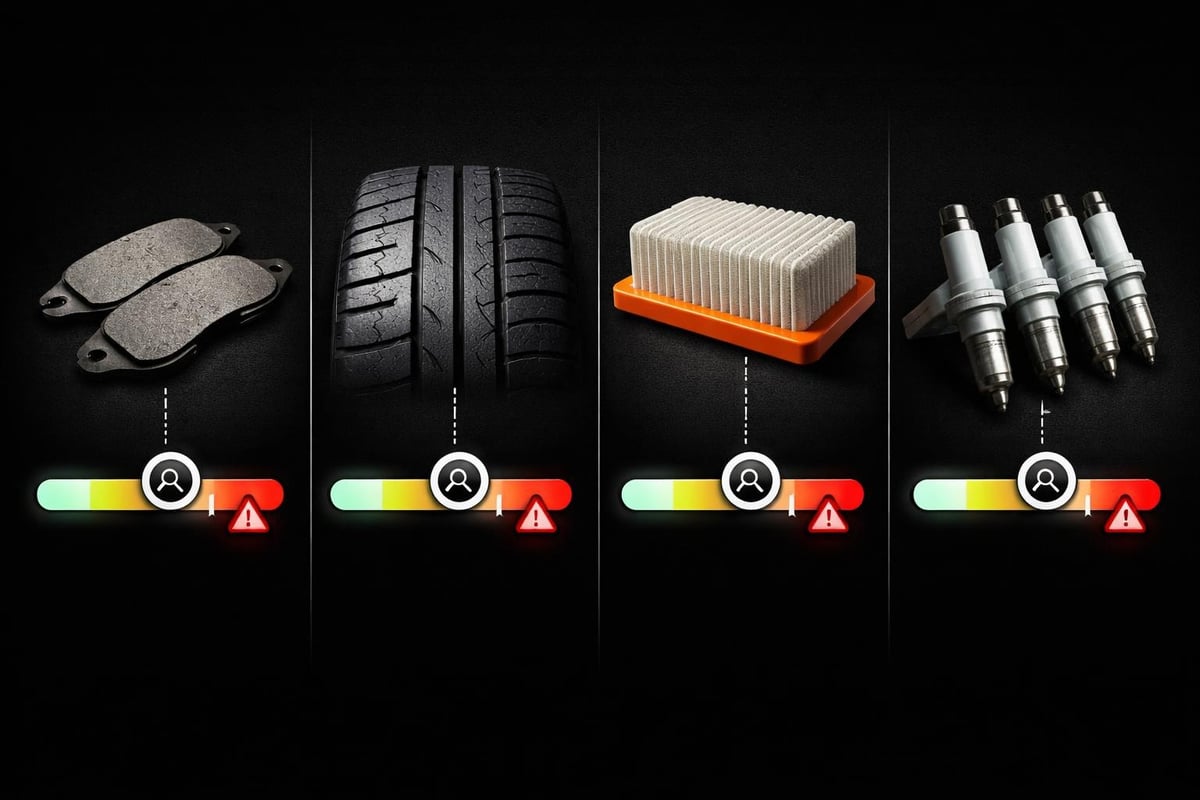
Brake pads and rotors wear at varying rates depending on driving style and conditions. Inspect brake pads every 10,000 miles and expect replacement between 25,000-70,000 miles. Rotors typically last through two pad replacements but should be measured for thickness during each brake service.
Tires require regular rotation every 5,000-7,500 miles to ensure even wear. Most tires last 40,000-80,000 miles, though performance tires may wear faster. Check tire pressure monthly and inspect tread depth regularly using the penny test.
Air filters protect your engine from contaminants and should be inspected every 15,000 miles. Replacement typically occurs every 30,000 miles, though dusty environments may require more frequent changes. A clogged air filter reduces performance and fuel economy.
Cabin air filters maintain interior air quality and should be replaced every 15,000-30,000 miles. This often-overlooked component affects HVAC system performance and passenger comfort.
Spark plugs have dramatically improved in longevity. Conventional plugs last 30,000-50,000 miles, while platinum and iridium plugs can reach 100,000 miles or more. Follow manufacturer specifications for replacement intervals.
Timing Belt and Chain Maintenance
The timing belt or chain synchronizes your engine's camshaft and crankshaft rotation. Failure can cause catastrophic engine damage, making this one of the most critical maintenance recommendations.
Timing belts are rubber components that require replacement at specific intervals, typically 60,000-100,000 miles. Never exceed the manufacturer's recommended interval, as belt failure often occurs without warning. When replacing the timing belt, also replace the water pump, tensioners, and idler pulleys to avoid future labor costs.
Timing chains are metal and theoretically last the engine's lifetime. However, chain tensioners and guides can wear, causing slack and potential failure. Listen for rattling noises during cold starts, which indicate chain wear.
Maintaining proper oil change intervals is crucial for timing chain longevity, as inadequate lubrication accelerates wear. Some engines are known for premature timing chain issues, making adherence to maintenance recommendations especially important.
Battery and Electrical System Care
Modern vehicles rely heavily on electrical systems, and battery maintenance recommendations have evolved beyond simple cleaning.
Test your battery annually after three years of service. Most batteries last four to six years, though extreme climates can shorten lifespan significantly. Clean corrosion from terminals and ensure secure connections.
Warning signs of battery failure include:
- Slow engine cranking
- Dimming headlights at idle
- Electrical accessory malfunctions
- Dashboard warning lights
The alternator charges the battery and powers electrical systems while the engine runs. Most alternators last 100,000-150,000 miles, though failure can occur earlier. Have the charging system tested if you notice electrical issues or frequent battery replacements.
Suspension and Steering Components
Suspension components endure constant stress and gradually wear, affecting handling, tire wear, and ride quality. Maintenance recommendations for these systems focus on inspection intervals rather than predetermined replacement schedules.
Inspect shock absorbers and struts every 50,000 miles. Replacement typically becomes necessary between 50,000-100,000 miles when you notice excessive bouncing, nose-diving during braking, or uneven tire wear.
Ball joints, tie rod ends, and control arm bushings wear over time, creating play in the steering system. Annual inspections help identify worn components before they become safety hazards. The preventive maintenance recommendations from industrial safety programs emphasize the importance of scheduled inspections for critical components.
Tracking and Documenting Maintenance
Following maintenance recommendations requires accurate record-keeping to ensure no service interval is missed. Digital solutions have revolutionized how car enthusiasts manage their vehicles.
A comprehensive auto maintenance tracker provides several advantages over paper logs:
- Automatic service reminders based on mileage or time
- Complete service history in one accessible location
- Ability to track multiple vehicles simultaneously
- Integration with modification tracking for performance builds
- Shareable documentation for resale value
CarJourney's AI-powered platform takes tracking further by providing personalized maintenance recommendations based on your specific vehicle, driving patterns, and modification history. For car enthusiasts managing modified builds, tracking both standard maintenance and performance upgrades in one place ensures nothing falls through the cracks.
Building Your Maintenance Schedule
Create a master schedule combining manufacturer recommendations with your specific needs:
- Extract baseline intervals from your owner's manual
- Adjust for driving conditions based on your actual use
- Add modification-specific maintenance for aftermarket components
- Set calendar reminders for time-based services
- Log every service with dates, mileage, and parts used
Keeping detailed maintenance receipts proves service history when selling and helps identify patterns or recurring issues.
Seasonal Maintenance Recommendations
Different seasons impose unique demands on your vehicle, requiring specific maintenance considerations throughout the year.
Spring and Summer Preparation
- Inspect and recharge air conditioning system
- Check coolant concentration and condition
- Verify tire pressure as temperatures rise
- Clean winter salt and debris from undercarriage
- Inspect convertible top mechanisms and seals
Fall and Winter Readiness
- Test battery capacity before cold weather
- Switch to winter-grade washer fluid
- Inspect wiper blades and replace if streaking
- Check tire tread depth for wet/snowy conditions
- Ensure block heater functions in extreme climates
Understanding yearly vehicle maintenance patterns helps you anticipate seasonal service needs and budget accordingly. Planning maintenance around seasons prevents breakdowns during extreme weather conditions.
Modified Vehicle Considerations
Performance modifications often require enhanced maintenance recommendations beyond factory specifications. Aftermarket components may have different service intervals or specific requirements.
Turbocharged and supercharged engines generate more heat and stress, often requiring more frequent oil changes with specific synthetic formulations. Intercooler efficiency, boost leak checks, and wastegate operation should be verified during routine service.
Upgraded brake systems with performance pads and larger rotors need bedding procedures after installation and may require specific brake fluid formulations. Track use demands inspection after every event.
Suspension modifications including coilovers and adjustable arms need periodic inspection of mounting hardware, bushings, and adjustment settings. Performance alignment should be verified annually or after any significant track use.
Forced induction systems require additional maintenance points including air filter inspection, blow-off valve operation, and boost pressure verification. Oil analysis becomes particularly valuable for monitoring engine health under increased stress.
Documenting modifications alongside maintenance creates a complete vehicle history. When you upgrade your car, adjusting your maintenance schedule ensures long-term reliability.
Professional versus DIY Maintenance
Deciding which maintenance tasks to handle yourself versus hiring professionals depends on skill level, tool availability, and complexity.
| Maintenance Task | DIY Friendly | Professional Recommended |
|---|---|---|
| Oil and filter change | Yes | Optional |
| Tire rotation | Yes (with jack/stands) | Convenient |
| Air filter replacement | Yes | No |
| Brake pad replacement | Moderate skill | First-timers |
| Timing belt replacement | No | Yes |
| Wheel alignment | No | Yes |
| Transmission service | Depends on type | Complex systems |
Even if you perform maintenance yourself, keeping detailed records through a car maintenance tracker demonstrates proper care and maintains resale value. Some warranty coverage requires professional service documentation, making this an important consideration.
Understanding Service Costs
Budgeting for maintenance recommendations prevents financial surprises and ensures you can afford proper vehicle care. Understanding yearly car maintenance costs helps you prepare for both routine and unexpected expenses.
Average annual maintenance costs vary by vehicle age:
- Years 1-3: $500-1,200 (mostly fluids and inspections)
- Years 4-6: $1,200-2,500 (wear items begin replacement)
- Years 7-10: $2,000-4,000 (major services and aging components)
- Years 10+: $3,000-6,000+ (increased component failures)
Luxury and performance vehicles typically cost 30-50% more to maintain due to specialized parts and labor requirements. Creating a car maintenance budget ensures you can handle both scheduled services and unexpected repairs.
Common Maintenance Mistakes to Avoid
Even well-intentioned owners make mistakes that compromise their vehicles' health and safety.
Extending oil change intervals beyond recommendations is the most common error. While modern oils last longer, severe driving conditions require more frequent changes regardless of manufacturer intervals. Oil is cheap compared to engine repairs.
Ignoring dashboard warning lights can transform minor issues into major failures. Warning lights indicate specific problems detected by onboard diagnostics. Address them promptly rather than hoping they disappear.
Mixing different fluid types or using incorrect specifications damages systems. Coolant, transmission fluid, and differential oil all have specific formulations. Using wrong fluids voids warranties and causes failures.
Neglecting time-based intervals for vehicles driven infrequently allows fluids to degrade and seals to dry out. A car driven 3,000 miles annually still needs oil changes at least once per year.
Skipping inspections to save money often results in small problems becoming expensive repairs. The authoritative recommendations for preventing workplace injuries emphasize proactive inspection programs, a principle equally applicable to vehicle maintenance.
Digital Maintenance Solutions
Technology has transformed how we track and manage maintenance recommendations, making it easier than ever to stay on top of vehicle care.
Modern platforms like CarJourney leverage AI to provide personalized maintenance schedules based on your specific vehicle, driving patterns, and modifications. These systems automatically calculate service due dates using both mileage and time intervals, ensuring nothing gets overlooked.
Digital maintenance logging offers several advantages:
- Automated reminders via email or push notifications
- Service history visualization showing patterns and trends
- Cost tracking for budgeting and expense analysis
- Multi-vehicle management for enthusiasts with collections
- Cloud backup protecting records from loss
- Shareable profiles demonstrating care to potential buyers
Integration between maintenance tracking and modification documentation creates a comprehensive vehicle portfolio. This becomes invaluable for insurance claims, warranty disputes, and resale transactions.
The ability to attach photos, receipts, and service notes to each maintenance entry creates documentation that paper logs cannot match. When combined with vehicle logs, you build an unassailable record of proper care.
Maintenance for Different Vehicle Types
Different vehicle categories require tailored maintenance recommendations based on their intended use and engineering.
Daily drivers benefit from strict adherence to manufacturer intervals with emphasis on reliability and efficiency. Prioritize services that prevent breakdowns and maintain fuel economy.
Performance vehicles need enhanced maintenance schedules accounting for harder use. More frequent fluid changes, brake inspections, and cooling system monitoring prevent heat-related failures.
Classic cars require specialized maintenance approaches. Modern fuels, aging rubber components, and long storage periods demand attention beyond typical recommendations. Fuel stabilizers, regular startups, and moisture control become essential.
Electric vehicles eliminate many traditional maintenance items but introduce new considerations. Battery health monitoring, coolant for battery thermal management, and brake fluid service (despite regenerative braking) remain important.
Trucks and SUVs used for towing or hauling fall under severe service categories. Differential fluid changes, transmission cooling, and brake wear increase significantly under load.
Creating Your Maintenance Calendar
Implementing maintenance recommendations requires organization and planning. Build a comprehensive calendar incorporating all service intervals.
Start by listing every maintenance item from your owner's manual with its interval. Convert time-based intervals (months) and mileage-based intervals into specific calendar dates and odometer readings based on your driving patterns.
Set reminders at:
- 80% of the interval (for planning and budgeting)
- 90% of the interval (for scheduling service)
- 100% of the interval (service due)
This three-tier reminder system prevents missed services while allowing time to research shops, order parts, or schedule appointments. For items with 10,000-mile intervals, a 1,000-mile buffer provides ample preparation time.
Track actual service dates and mileage to identify any drift from scheduled intervals. Some services may require rescheduling based on seasonal considerations or parts availability.
Following comprehensive maintenance recommendations protects your vehicle investment, ensures safety, and maximizes performance and reliability throughout ownership. By combining manufacturer schedules with driving-specific adjustments, documenting every service, and leveraging modern tracking tools, you create a sustainable maintenance program that prevents problems before they occur. CarJourney simplifies this entire process with AI-powered maintenance tracking, modification documentation, and shareable build profiles that help car enthusiasts manage their vehicles more effectively than ever before.