 carjourney
From the CarJourney journal
Yearly Car Maintenance Costs: A Complete 2026 Guide
Understanding your yearly car maintenance costs is essential for responsible vehicle ownership in 2026. Whether you're driving a brand-new sedan, a modified performance car, or a reliable daily driver with high mileage, knowing what to budget for routine services and unexpected repairs can save you from financial surprises. The average driver can expect to spend anywhere from $1,200 to $2,500 annually on maintenance, but this figure varies significantly based on vehicle type, age, driving habits, and maintenance approach.
Breaking Down Average Annual Maintenance Expenses
The yearly car maintenance costs you'll encounter depend heavily on your vehicle's specific needs and usage patterns. Most drivers will face a combination of routine services and occasional repairs throughout the year.
Essential Routine Services
Oil changes remain the most frequent maintenance task for most vehicles. In 2026, expect to pay between $45 and $125 per oil change depending on whether you use conventional or synthetic oil. Most vehicles require this service 2-4 times annually, contributing $180 to $500 to your yearly expenses.
Tire rotations and alignments form another crucial category. Regular rotations every 5,000 to 7,500 miles cost approximately $35 to $75 per service, while alignments run $75 to $200 annually. Combined with tire replacements averaging $600 to $1,200 every 3-4 years, tire-related expenses represent a significant portion of your budget.
Key routine maintenance items include:
- Engine air filter replacement: $20-$75 annually
- Cabin air filter replacement: $15-$50 annually
- Wiper blade replacement: $20-$60 per year
- Battery testing and replacement: $150-$300 every 3-5 years
- Brake pad inspection and replacement: $150-$400 per axle
Age-Related Cost Increases
Newer vehicles typically require less maintenance, with yearly car maintenance costs averaging $1,200 to $1,500 for cars under five years old. These vehicles primarily need routine services covered under warranty or basic maintenance schedules.
As vehicles age beyond five years, costs begin climbing steadily. According to industry research on car maintenance expenses, drivers should expect 10-15% annual increases in maintenance spending as components wear out.
| Vehicle Age | Average Annual Cost | Primary Expense Categories |
|---|---|---|
| 0-3 years | $800-$1,200 | Routine services, minor wear items |
| 4-7 years | $1,500-$2,000 | Routine services, brake system, batteries |
| 8-12 years | $2,000-$3,000 | Major components, suspension, cooling system |
| 13+ years | $3,000-$4,500 | Frequent repairs, multiple system failures |
Vehicle Type and Brand Impact
Different vehicle categories carry distinct maintenance profiles that significantly affect yearly car maintenance costs. Understanding these differences helps set realistic budget expectations for your specific situation.
Luxury Versus Economy Vehicles
Luxury vehicles command premium maintenance prices due to specialized parts, advanced technology, and higher labor rates at authorized service centers. A BMW or Mercedes-Benz owner might spend $3,000 to $5,000 annually compared to $1,200 to $1,800 for a Honda Civic or Toyota Corolla.
Performance vehicles and modified cars often exceed these figures. If you're tracking modifications and upgrades through your vehicle maintenance logs, you'll notice that aftermarket parts and specialized tuning services add substantial costs beyond standard maintenance.
Brand-specific annual maintenance ranges:
- Toyota/Honda: $1,200-$1,800
- Ford/Chevrolet: $1,400-$2,200
- Volkswagen/Audi: $2,000-$3,500
- BMW/Mercedes-Benz: $3,000-$5,000
- Porsche/Ferrari: $5,000-$10,000+
The comparison of maintenance costs by brand reveals that domestic and Japanese brands typically offer the most affordable long-term ownership costs.
Electric Versus Gas-Powered Vehicles
Electric vehicles (EVs) have transformed the maintenance cost equation. Without oil changes, transmission services, or exhaust system repairs, EV owners experience significantly lower yearly car maintenance costs averaging $800 to $1,200 annually.
However, EVs still require tire rotations, brake services (though less frequently due to regenerative braking), coolant flushes for battery systems, and cabin air filters. Battery replacement, while rare during typical ownership periods, can cost $5,000 to $15,000 when necessary.

Strategic Budgeting for Vehicle Maintenance
Creating an effective budget for yearly car maintenance costs requires understanding both predictable and unpredictable expenses. Smart planning prevents financial stress when your vehicle needs attention.
The Monthly Savings Approach
Financial experts recommend the 50-100-150 rule for vehicle maintenance savings. This budgeting strategy for annual car repairs suggests setting aside different amounts based on your vehicle's condition and age.
Monthly savings recommendations:
- $50 per month ($600/year): New vehicles under 3 years with warranty coverage
- $100 per month ($1,200/year): Vehicles 4-8 years old with moderate mileage
- $150 per month ($1,800/year): Vehicles over 8 years or with high mileage
This systematic approach ensures you have funds available when routine services come due or unexpected repairs arise. Many car enthusiasts find that maintaining detailed records through platforms helps them understand their actual spending patterns over time.
Planning Around Your Mileage Schedule
Your annual mileage significantly influences maintenance frequency and costs. Drivers covering 15,000 to 20,000 miles yearly will face more frequent service intervals than those driving only 8,000 to 10,000 miles. Understanding your mileage-based service requirements helps you anticipate when major expenses will occur.
High-mileage drivers should budget 20-30% more than average estimates to account for accelerated wear on components like tires, brake pads, and suspension parts.
Major Service Intervals and Costs
Beyond routine maintenance, certain milestone services occur at specific intervals that create larger one-time expenses within your yearly car maintenance costs calculation.
The 30,000-Mile Service
Most manufacturers recommend comprehensive inspections and services at 30,000-mile intervals. This service typically costs $300 to $600 and includes multiple fluid changes, filter replacements, and thorough system inspections.
Common 30K service items include transmission fluid exchange ($150-$250), coolant flush ($100-$150), fuel system cleaning ($75-$150), and comprehensive brake inspection.
The 60,000-Mile Major Service
The 60,000-mile service represents the most significant scheduled maintenance event for most vehicles, with costs ranging from $700 to $1,500. This service addresses components reaching their design lifespan.
| Service Item | Cost Range | Frequency |
|---|---|---|
| Timing belt replacement | $500-$900 | 60K-100K miles |
| Spark plug replacement | $150-$350 | 60K-100K miles |
| Transmission service | $150-$400 | 60K miles |
| Differential service | $80-$150 | 60K miles |
| Power steering flush | $75-$125 | 60K miles |
Planning for these major services prevents them from derailing your annual budget. When you're tracking recommended maintenance digitally, you can see these milestones approaching and prepare financially.
Factors That Influence Your Costs
Multiple variables affect how much you'll actually spend on yearly car maintenance costs, making it essential to understand your specific situation rather than relying solely on averages.
Geographic Location Effects
Where you live dramatically impacts maintenance expenses. Urban areas with higher labor rates can charge $100 to $175 per hour for service, while rural mechanics might charge $75 to $100 hourly. Additionally, vehicles in harsh climates face accelerated wear from extreme temperatures, road salt, or constant heat exposure.
The key factors influencing car repair costs extend beyond just location to include parts availability, local competition among service providers, and regional regulations affecting repair procedures.
DIY Versus Professional Service
Mechanically inclined owners can reduce yearly car maintenance costs by 40-60% through DIY maintenance. Basic services like oil changes, air filter replacements, and wiper blade installation require minimal tools and experience.
DIY-friendly services with potential savings:
- Oil change: Save $30-$75 per service
- Air filter replacement: Save $15-$45
- Cabin filter replacement: Save $10-$30
- Battery replacement: Save $50-$100
- Brake pad replacement: Save $100-$250 per axle
However, complex services involving timing belts, transmissions, or computer diagnostics typically require professional expertise and specialized equipment. Attempting these services without proper knowledge can lead to expensive mistakes.
Warranty and Service Plan Considerations
New vehicle warranties typically cover defects but not routine maintenance. However, some manufacturers include complimentary maintenance for the first 2-3 years or 25,000-36,000 miles, significantly reducing initial yearly car maintenance costs.
Extended warranties and prepaid maintenance plans offer peace of mind but require careful evaluation. These plans cost $1,000 to $3,500 and may or may not provide value depending on your vehicle's reliability and your typical usage patterns.
Tracking and Optimizing Your Maintenance Spending
Effective management of yearly car maintenance costs requires systematic tracking and strategic decision-making about when and where to service your vehicle.
Digital Maintenance Records
Modern car owners benefit from digital platforms that streamline maintenance tracking and expense management. Keeping detailed logs helps you identify spending patterns, plan for upcoming services, and maintain complete vehicle history for resale value.
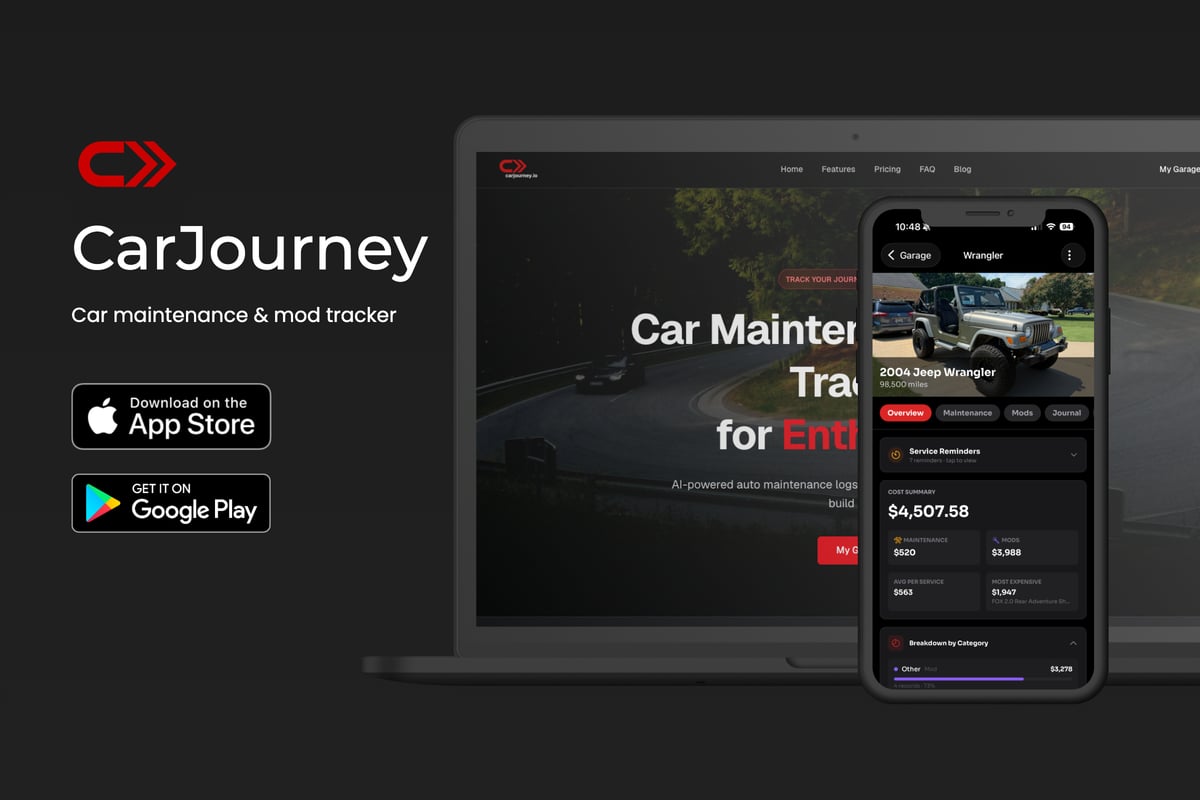
For enthusiasts managing multiple vehicles or tracking extensive modifications, comprehensive platforms become invaluable. CarJourney Pro - Yearly provides unlimited vehicle tracking with AI-powered features that help predict maintenance needs and organize your service history efficiently. The platform connects with a community of car enthusiasts who share insights about maintenance costs and experiences with specific vehicles.
Preventive Maintenance ROI
Following your manufacturer's maintenance schedule religiously costs money upfront but prevents expensive failures. A $45 oil change prevents $3,000 engine damage. A $200 coolant flush prevents $2,500 head gasket replacement.
The detailed breakdown of routine car maintenance tasks demonstrates how consistent preventive care extends vehicle lifespan and maintains reliability. Skipping scheduled services to save money today almost always results in higher costs tomorrow.
Creating Your Personal Maintenance Budget
Every vehicle and owner situation is unique, making personalized budgeting essential for managing yearly car maintenance costs effectively in 2026.
Calculating Your Baseline
Start by reviewing your vehicle's maintenance schedule and calculating routine service costs for your expected annual mileage. Add 20-25% for unexpected repairs and wear items, then divide by 12 to determine monthly savings needs.
Example calculation for a 6-year-old sedan:
- Oil changes (3x): $225
- Tire rotation (2x): $140
- Air filters: $65
- Inspection/registration: $150
- Brake service: $300
- Battery: $200
- Miscellaneous repairs buffer: $400
- Total: $1,480 annually or $123 monthly
Adjusting for Your Driving Style
Aggressive driving, frequent short trips, or towing significantly increase wear rates and maintenance frequency. These factors can add 15-30% to typical yearly car maintenance costs. Conversely, highway-focused driving with gentle acceleration extends service intervals and reduces brake wear.
Consider how your actual usage compares to manufacturer assumptions when planning your budget. Understanding how to budget for car maintenance based on real-world conditions rather than idealized scenarios creates more accurate financial planning.
Planning for the Unexpected
Even with excellent preventive maintenance, unexpected repairs occur. Setting aside an emergency fund separate from routine maintenance savings provides financial cushion when your alternator fails or a sensor needs replacement.
Experts suggest maintaining a repair reserve of $500 to $1,500 depending on your vehicle's age and reliability history. This fund rolls over year-to-year, growing when not needed and available when emergencies strike.
Seasonal Considerations and Timing
Strategic timing of maintenance services can optimize both costs and convenience while ensuring your vehicle remains in peak condition throughout the year.
Seasonal Service Patterns
Different seasons demand specific attention to vehicle systems. Spring and fall represent ideal times for comprehensive inspections before extreme weather arrives. Planning major services during slower shop periods may yield better pricing and faster service.
Seasonal maintenance priorities:
- Spring: AC system check, tire inspection, fluid top-offs
- Summer: Cooling system service, battery testing, long-trip preparation
- Fall: Heating system check, wiper replacement, lighting inspection
- Winter: Antifreeze concentration, battery condition, tire tread depth
Understanding yearly vehicle maintenance patterns helps you space expenses throughout the year rather than facing multiple large bills simultaneously.
Taking Advantage of Service Specials
Many dealerships and independent shops offer seasonal promotions and service packages that reduce yearly car maintenance costs. Oil change specials, tire rotation bundles, and multi-point inspection offers can provide 10-30% savings when timed correctly.
Subscribing to service center newsletters and following local shops on social media helps you catch these deals. However, avoid unnecessary services simply because they're discounted. Stick to your vehicle's actual maintenance schedule regardless of promotional timing.
Modified and Performance Vehicle Considerations
Enthusiasts who modify their vehicles face unique maintenance cost considerations that extend beyond standard factory maintenance schedules and budgets.
Performance Parts and Service Intervals
Modified vehicles often require more frequent service intervals due to increased performance demands. Track-focused builds may need oil changes every 1,500-3,000 miles rather than standard 7,500-mile intervals. High-performance brake pads wear faster than stock components but provide superior stopping power.
Budget an additional 25-50% beyond standard yearly car maintenance costs for modified vehicles. Custom tuning, specialized fluids, and performance part replacement create expenses that standard maintenance guides don't address.
Documentation for Modified Builds
Comprehensive maintenance documentation becomes crucial for modified vehicles. Tracking every service, upgrade, and modification preserves resale value and provides essential history for future maintenance decisions. Digital build profiles allow you to share your vehicle's complete story with potential buyers or fellow enthusiasts.
Long-Term Cost Planning
Looking beyond a single year helps vehicle owners make informed decisions about repair versus replacement and understand total ownership costs over extended periods.
The Repair Versus Replace Decision
When facing major repairs costing several thousand dollars on an aging vehicle, comparing those expenses to remaining vehicle value helps guide rational decisions. Generally, if annual repair costs exceed 50% of the vehicle's current value for two consecutive years, replacement becomes financially sensible.
However, emotional attachment, customization investment, and known vehicle history complicate purely financial calculations. A well-maintained vehicle with complete service records often justifies higher repair expenses than market value alone would suggest.
Five-Year Ownership Projection
Smart vehicle buyers research average maintenance costs by vehicle type before purchase, considering total ownership expenses rather than just acquisition price. A cheaper purchase price paired with expensive maintenance may cost more over five years than a pricier vehicle with lower upkeep needs.
Calculating projected five-year maintenance costs alongside depreciation, insurance, and fuel expenses provides complete financial clarity for ownership decisions.
Managing yearly car maintenance costs effectively requires understanding your specific vehicle's needs, planning strategically for both routine and unexpected expenses, and maintaining comprehensive records of all services performed. By budgeting appropriately and staying on top of preventive maintenance, you'll extend your vehicle's lifespan while avoiding costly emergency repairs. CarJourney helps enthusiasts and daily drivers alike track every service, modification, and expense with AI-powered insights that make vehicle management effortless and ensure nothing falls through the cracks.