 carjourney
From the CarJourney journal
Car Oil Change Schedule: Expert Guide for 2026
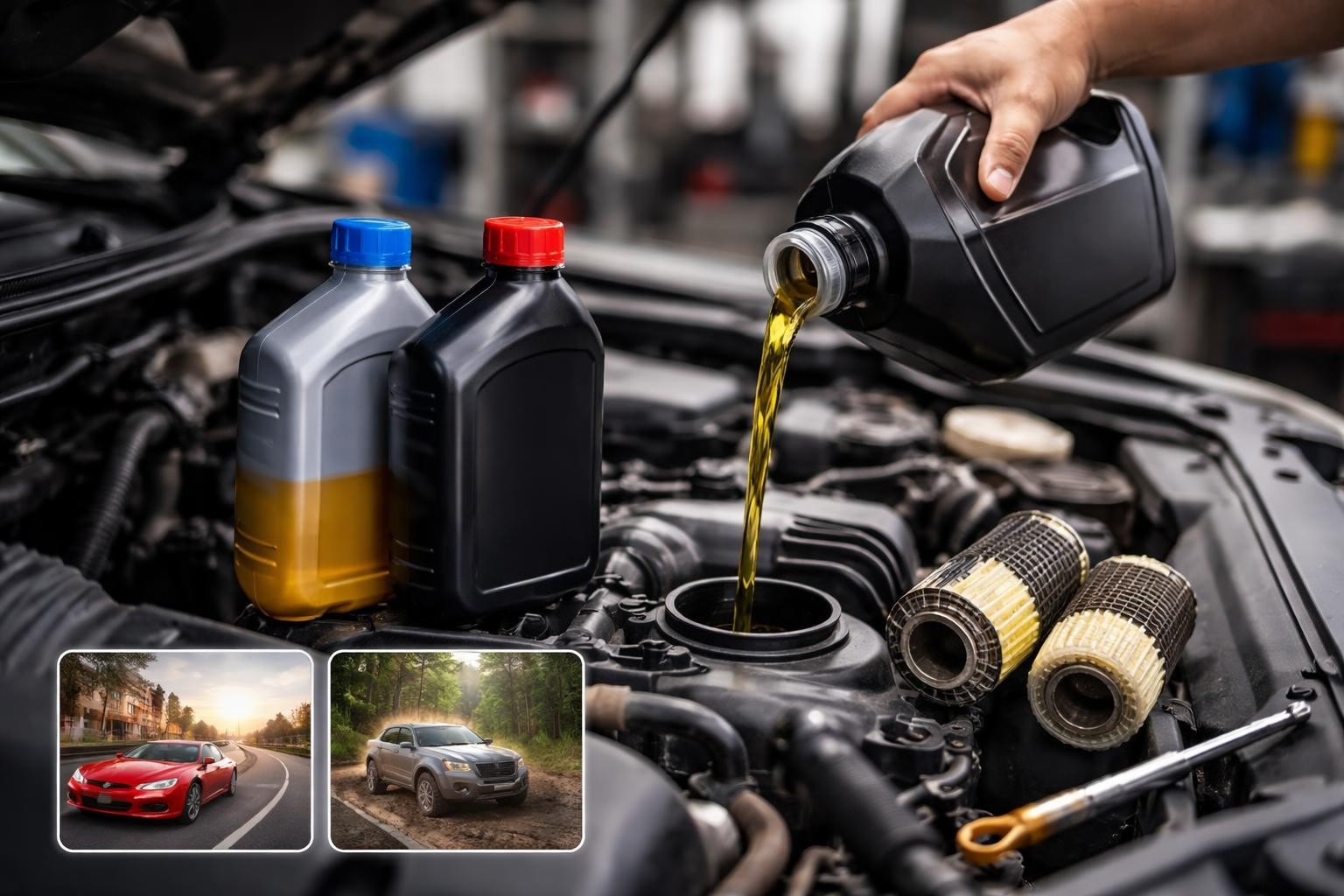
Your engine oil is the lifeblood of your vehicle, protecting moving parts from friction and heat while removing harmful contaminants. Yet many drivers remain confused about exactly when to change their oil. The traditional 3,000-mile rule has become outdated for most modern vehicles, replaced by more sophisticated recommendations based on oil type, driving conditions, and manufacturer specifications. Understanding your car oil change schedule isn't just about following arbitrary numbers-it's about protecting your investment while avoiding unnecessary maintenance expenses. This comprehensive guide will help you determine the optimal oil change intervals for your specific vehicle and driving situation.
Understanding Modern Oil Change Intervals
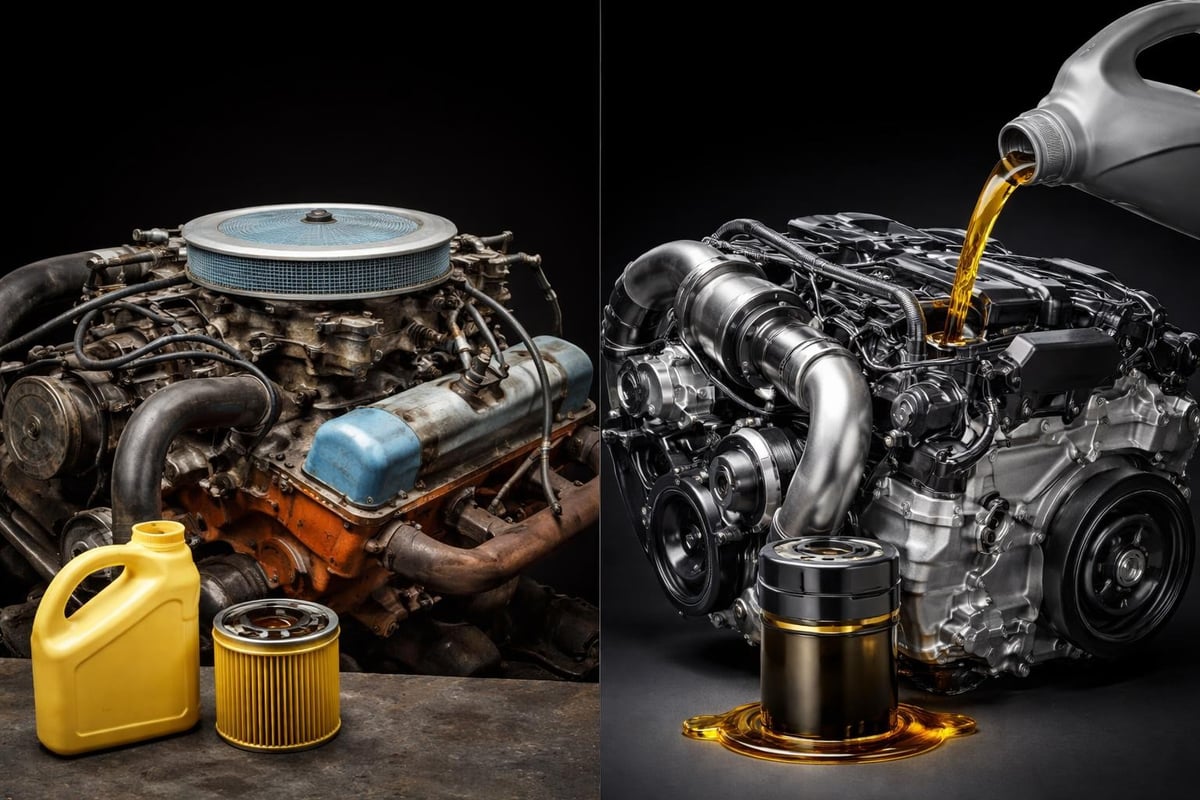
The automotive industry has evolved dramatically over the past two decades. Modern engines are engineered with tighter tolerances, advanced metallurgy, and sophisticated lubrication systems that work harmoniously with today's high-performance oils.
Most manufacturers now recommend oil change intervals between 5,000 and 10,000 miles for conventional oil, while synthetic oil can often last 10,000 to 15,000 miles or even longer. These extended intervals reflect significant improvements in both engine design and oil chemistry that weren't available when the 3,000-mile guideline originated.
Why the 3,000-Mile Rule Is Outdated
The 3,000-mile oil change recommendation dates back to the 1960s and 1970s when engines were less efficient and motor oil technology was far less advanced. According to AAA's research on maintenance myths, following this outdated schedule can waste money and create unnecessary environmental impact through excess oil consumption.
Modern advancements that extended oil life include:
- Improved engine sealing and piston ring technology
- Enhanced oil filtration systems
- Superior additive packages in modern oils
- Better combustion efficiency reducing contaminants
- Advanced oil formulations resistant to breakdown
The shift away from the 3,000-mile interval has been gradual but decisive, with most automakers now clearly stating longer intervals in their owner's manuals.
Factors That Determine Your Car Oil Change Schedule
Your optimal car oil change schedule depends on multiple interrelated factors. No single answer fits every driver or vehicle, which is why understanding these variables matters.
Oil Type and Quality
The type of oil you use has the most significant impact on change intervals. Conventional mineral oil typically requires changes every 3,000 to 5,000 miles, while synthetic blends extend this to 5,000 to 7,500 miles. Full synthetic oil can last 10,000 to 15,000 miles or more, depending on driving conditions.
Synthetic oil offers superior thermal stability, better low-temperature flow, and enhanced resistance to oxidation and sludge formation. These properties allow it to maintain protective qualities far longer than conventional oil, though at a higher initial cost.
| Oil Type | Typical Interval | Cost Per Change | Annual Cost* |
|---|---|---|---|
| Conventional | 3,000-5,000 miles | $35-50 | $140-200 |
| Synthetic Blend | 5,000-7,500 miles | $50-70 | $100-168 |
| Full Synthetic | 10,000-15,000 miles | $70-100 | $70-120 |
*Based on 12,000 miles driven annually
Driving Conditions and Habits
Your driving style and environment significantly influence oil degradation. The automotive industry distinguishes between "normal" and "severe" driving conditions, and most drivers actually fall into the severe category without realizing it.
Severe driving conditions include:
- Frequent short trips (less than 10 miles)
- Stop-and-go city traffic
- Driving in extreme temperatures (hot or cold)
- Towing or hauling heavy loads
- Dusty or dirty environments
- Extensive idling
If you regularly encounter these conditions, driving habits significantly impact your ideal oil change frequency. You should follow the "severe service" schedule in your owner's manual, which typically recommends changes 30-50% more frequently than normal intervals.
Vehicle Age and Mileage
Older vehicles with high mileage often benefit from more frequent oil changes. As engines accumulate miles, piston rings wear, seals deteriorate, and internal tolerances expand. This can lead to increased oil consumption, blow-by gases entering the crankcase, and faster oil contamination.
For vehicles exceeding 75,000 miles, consider:
- Reducing intervals by 20-30% from manufacturer recommendations
- Switching to high-mileage oil formulations with seal conditioners
- Monitoring oil level more frequently between changes
- Watching for signs of increased consumption or leaks
Manufacturer Recommendations vs. Real-World Application
Your vehicle's owner's manual contains the most authoritative guidance for your specific car oil change schedule. Manufacturers invest millions in testing to determine optimal maintenance intervals that balance engine protection with customer convenience.
Decoding Your Owner's Manual
Most owner's manuals provide two maintenance schedules: normal and severe service. The normal schedule assumes highway driving, moderate climates, and full warm-up cycles. The severe schedule accounts for harsher conditions that accelerate oil breakdown.
Understanding how to determine your best oil change frequency starts with honestly assessing which category describes your driving. Research suggests that approximately 60% of drivers should follow severe service recommendations, even though most follow normal schedules.
Oil Life Monitoring Systems
Many vehicles manufactured since 2010 include oil life monitoring systems that use algorithms to calculate remaining oil life based on actual driving conditions. These systems track variables like:
- Engine revolutions and temperature
- Ambient temperature fluctuations
- Trip distances and frequency
- Engine load and acceleration patterns
- Fuel consumption data
When properly calibrated, these systems provide accurate, personalized recommendations that often extend beyond fixed-interval schedules. Trust these systems if your vehicle is equipped, but still verify oil level manually between changes.

Different Oil Types and Their Change Schedules
Selecting the right oil type directly impacts your maintenance schedule and long-term engine health. Understanding the distinctions helps you make informed decisions about cost versus performance trade-offs.
Conventional Motor Oil
Conventional oil remains the most economical choice for older vehicles, simple engine designs, and drivers who change oil frequently. Refined from crude petroleum, it lacks the molecular consistency of synthetic alternatives but provides adequate protection when changed regularly.
Best for: Vehicles with simple engine designs, older cars (pre-2000), drivers who frequently change oil, budget-conscious maintenance
Typical intervals: 3,000-5,000 miles under normal conditions; 2,500-3,500 miles for severe service
Synthetic Blend Oil
Synthetic blends combine conventional base oil with synthetic components, offering a middle ground between cost and performance. These formulations provide better temperature protection and oxidation resistance than conventional oil while costing significantly less than full synthetic.
This option appeals to drivers seeking extended intervals without the premium price of full synthetic, particularly in newer vehicles that don't explicitly require synthetic oil.
Full Synthetic Oil
Full synthetic oil represents the pinnacle of lubrication technology. Engineered at the molecular level for uniform structure, synthetic oil offers superior performance across temperature extremes, better engine cleanliness, and exceptional longevity.
Modern performance vehicles, turbocharged engines, and luxury cars often require synthetic oil for warranty compliance. The higher upfront cost typically balances out through extended intervals and better engine protection. According to AAA's guidance on oil change frequency, synthetic oil can extend intervals to 10,000-15,000 miles for most modern engines.
High-Mileage Formulations
Vehicles exceeding 75,000 miles benefit from high-mileage oil formulations available in both conventional and synthetic varieties. These oils contain seal conditioners, detergents, and anti-wear additives specifically designed for aging engines.
Creating and Maintaining Your Oil Change Schedule
Establishing a consistent car oil change schedule protects your engine while preventing unnecessary maintenance expenses. A systematic approach ensures you never miss critical service intervals.
Tracking Methods and Tools
Traditional approaches:
- Sticker reminders on windshield noting date and mileage
- Calendar reminders for time-based intervals
- Spreadsheet logging each service with date, mileage, and cost
- Paper maintenance log kept in glove compartment
Modern digital solutions:
Digital tracking offers significant advantages through automated reminders, comprehensive record-keeping, and instant access to service history. Platforms designed specifically for vehicle maintenance provide features that paper logs simply cannot match.
For car enthusiasts and meticulous owners, maintaining detailed service records becomes part of the ownership experience. Tracking every oil change, along with other maintenance items, creates a valuable documentation trail that proves diligent care when it's time to sell or trade your vehicle. CarJourney Pro - Yearly provides unlimited vehicle tracking with AI-powered maintenance reminders, helping you stay on top of oil changes and every other service your vehicle needs throughout the year.
Setting Up Reminders
Regardless of your tracking method, implement multiple reminder systems for redundancy:
- Mileage-based alerts: Set your primary reminder for 500-1,000 miles before your target interval
- Time-based backups: Even if you don't reach mileage limits, change oil annually minimum
- Visual checks: Inspect oil level and condition monthly using the dipstick
- Calendar integration: Add recurring appointments to your digital calendar
Most experts recommend checking your oil level at least monthly, regardless of when your next change is scheduled. This simple habit can catch developing problems before they cause damage. AAA provides guidance on proper checking techniques and what to look for during inspections.
Signs You Need an Oil Change Sooner Than Scheduled
Even with a well-planned car oil change schedule, certain warning signs indicate immediate attention is needed. Learning to recognize these symptoms prevents catastrophic engine damage.
Visual and Sensory Indicators
Check your dipstick oil for:
- Dark, opaque appearance (fresh oil is amber/golden)
- Gritty texture when rubbed between fingers
- Burnt or acrid smell
- Visible metal particles or debris
- Milky appearance indicating coolant contamination
Dashboard and performance warnings:
- Oil pressure warning light illuminated
- Check engine light with oil-related codes
- Unusual engine knocking or ticking sounds
- Visible smoke from exhaust (blue-tinted)
- Decreased fuel economy
Oil Consumption Issues
Some oil consumption is normal, particularly in high-performance or turbocharged engines. However, adding more than one quart between changes suggests problems requiring investigation. Excessive consumption may indicate worn piston rings, valve seals, or gasket leaks that need repair beyond simply changing oil more frequently.

Seasonal Considerations for Oil Changes
Temperature extremes influence oil performance and optimal change timing. Adapting your car oil change schedule to seasonal transitions maximizes protection during vulnerable periods.
Winter Preparations
Cold weather increases oil viscosity, making it thicker and harder to pump through the engine during cold starts. This is when most engine wear occurs, as components briefly operate without adequate lubrication.
Consider switching to a lower viscosity rating before winter, such as moving from 10W-30 to 5W-30. The first number (with "W" for winter) indicates cold-temperature flow characteristics. Synthetic oil flows better in cold conditions than conventional oil at the same rating.
Schedule an oil change in late fall to ensure fresh, clean oil enters winter months. This prevents moisture accumulation and contaminants from degrading oil during extended warm-up periods typical of winter driving.
Summer Challenges
High temperatures cause oil to thin and break down faster. Engines running in hot climates or under heavy loads experience accelerated oil oxidation, potentially reducing effective service life by 20-30%.
If you drive in regions with summer temperatures consistently exceeding 90°F, or if you tow trailers or haul heavy loads, consider:
- Switching to a higher viscosity grade (like 10W-40 instead of 5W-30)
- Reducing intervals by 15-20% during summer months
- Using full synthetic oil for superior heat resistance
- Monitoring oil level more frequently during hot weather
Special Circumstances Requiring Schedule Adjustments
Certain situations demand modifications to standard oil change recommendations, regardless of manufacturer guidelines or typical intervals.
Performance Modifications and Racing
Modified engines with increased horsepower, forced induction, or aggressive tuning generate higher temperatures and greater mechanical stress. These factors accelerate oil degradation significantly.
Performance vehicle considerations:
- Reduce intervals by 30-50% compared to stock recommendations
- Use racing-grade synthetic oils designed for extreme conditions
- Send oil samples for analysis to monitor bearing wear and contamination
- Change oil after track days or spirited driving sessions
- Monitor oil temperature with aftermarket gauges
For enthusiasts tracking modifications and performance upgrades, maintaining detailed service records becomes crucial for troubleshooting and resale value. Comprehensive vehicle maintenance logs help document the care invested in modified builds.
Commercial and Fleet Applications
Commercial vehicles, delivery trucks, and fleet applications often operate under severe conditions constantly. Stop-and-go delivery routes, extended idling, and multiple drivers create environments requiring aggressive maintenance schedules.
Fleet managers typically implement intervals 40-50% shorter than consumer recommendations, often coupled with oil analysis programs that monitor condition and extend intervals only when chemistry confirms oil remains protective.
Long-Term Storage
Vehicles stored for extended periods (three months or longer) benefit from fresh oil before storage. Oil contains acids and moisture that can corrode internal components during dormancy. Consider changing oil before storage and again after returning to service, even if mileage-based intervals haven't been reached.
Cost Considerations and Budgeting
Understanding the economics of your car oil change schedule helps you balance protection with affordability. Strategic planning prevents unexpected expenses while maintaining proper care.
Service Location Options
| Service Location | Cost Range | Time Required | Pros | Cons |
|---|---|---|---|---|
| Quick Lube Chain | $35-70 | 15-30 min | Fast, convenient | Variable quality, upselling pressure |
| Dealership | $70-150 | 30-60 min | Brand expertise, records | Expensive, may require appointment |
| Independent Shop | $45-90 | 30-45 min | Personal service, fair pricing | Must find trusted shop |
| DIY | $25-60 | 45-90 min | Lowest cost, quality control | Time, tools, disposal required |
Understanding yearly car maintenance costs helps you plan budgets that account for oil changes alongside other regular service needs.
Annual Oil Change Budget Planning
Calculate your expected oil change costs by dividing annual mileage by your interval, then multiplying by per-service cost. For example, driving 15,000 miles yearly with 7,500-mile intervals requires two changes. At $65 each, budget $130 annually for oil changes.
Build a 20% buffer into your budget for unexpected services or interval reductions due to severe driving conditions. This approach prevents surprise expenses while ensuring you maintain proper schedules.
Documentation and Record Keeping
Meticulous maintenance records serve multiple important purposes beyond simply remembering when you last changed oil. Comprehensive documentation proves diligent care when selling your vehicle, supports warranty claims, and helps diagnose emerging problems through pattern analysis.
What to Document
Essential information for each oil change:
- Date and odometer reading
- Oil type and viscosity grade
- Filter brand and part number
- Service location or technician
- Total cost including parts and labor
- Any observations about oil condition
- Additional services performed simultaneously
Digital vs. Paper Records
While traditional paper logs stored in the glove compartment still work, digital solutions offer searchable databases, cloud backup, and automated reminders. Modern car maintenance tracking platforms can send notifications based on mileage or time, integrate photos of receipts, and generate comprehensive service histories instantly.
For those managing multiple vehicles or detailed modification projects, digital platforms become invaluable for organizing complex maintenance schedules across your garage.
Environmental Impact and Oil Disposal
Proper disposal of used motor oil represents an often-overlooked aspect of oil change responsibility. Used oil contains heavy metals, benzene, and other contaminants that pose serious environmental hazards if improperly discarded.
Never dump used oil:
- Down drains or sewers
- In storm drains
- On the ground
- In trash bins
Proper disposal methods:
- Store used oil in sealed, leak-proof containers
- Take to auto parts stores accepting used oil (most do free)
- Bring to municipal hazardous waste collection facilities
- Use mobile oil collection services where available
- Return to service facility if they performed the change
One gallon of improperly disposed oil can contaminate one million gallons of water. Responsible disposal protects groundwater and ecosystems while allowing oil to be recycled into fuel and other products.
Extending Intervals for Environmental Benefits
Following modern extended interval recommendations based on synthetic oil and manufacturer guidelines reduces environmental impact through:
- Less total oil consumed and disposed over vehicle lifetime
- Fewer filters in landfills
- Reduced energy for production and transportation
- Lower carbon footprint from fewer service trips
Research from automotive experts analyzing interval data demonstrates that properly extended intervals don't compromise protection while delivering measurable environmental benefits.
Common Oil Change Myths Debunked
Misconceptions about oil changes persist despite overwhelming evidence contradicting them. Understanding facts versus fiction helps you make informed decisions about your car oil change schedule.
Myth: Engine Flushes Are Necessary
Engine flush products claim to clean sludge and deposits before oil changes. For properly maintained engines with regular oil changes, flushes are unnecessary and potentially harmful. They can dislodge deposits that then clog oil passages, causing more problems than they solve.
Fresh oil contains detergents that gradually clean engines during normal operation. Only severely neglected engines might benefit from professional cleaning procedures, not over-the-counter flush additives.
Myth: You Can't Switch Between Oil Types
You can safely switch from conventional to synthetic or vice versa at any time. The oils are compatible and won't harm your engine. Switching to synthetic in an older engine won't cause leaks (though it might reveal existing leaks that thick, degraded conventional oil was temporarily masking).
Many drivers benefit from switching to synthetic as vehicles age and accumulate miles, taking advantage of superior protection during extended service life.
Myth: Dealer Service Is Required for Warranty
Federal law (Magnuson-Moss Warranty Act) protects your right to service vehicles wherever you choose without voiding warranties. Dealers cannot require you to use their service departments, though you must maintain proper records proving maintenance occurred according to schedule.
Keep receipts and documentation for all maintenance, whether performed by dealers, independent shops, or yourself. This proves compliance with warranty requirements without mandating any specific service location.
Understanding your optimal car oil change schedule protects your investment while avoiding unnecessary maintenance expenses. By considering oil type, driving conditions, manufacturer recommendations, and your vehicle's specific needs, you can develop a customized maintenance approach that ensures engine longevity. CarJourney helps you track every oil change and maintenance event with AI-powered reminders and comprehensive digital logs, ensuring you never miss critical service intervals while building a complete history of your vehicle's care.