 carjourney
From the CarJourney journal
How a Repair Receipt Scanner App Protects Value
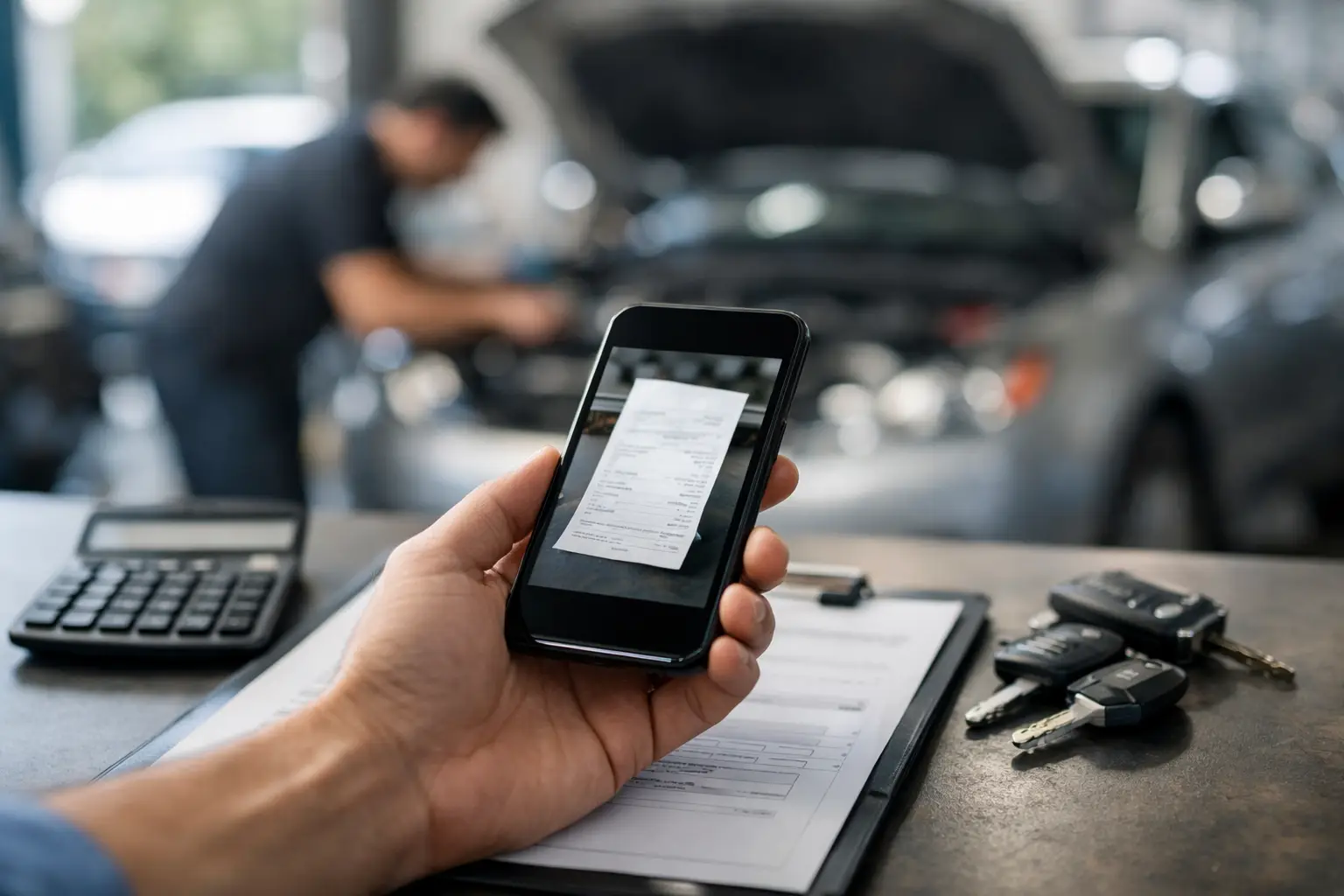
A repair receipt scanner app solves a problem most owners recognize the moment they need proof of a repair: the receipt is faded, buried in a glovebox, or missing entirely. That is inconvenient for a daily driver. For a project car, collector vehicle, or carefully built performance car, it can also weaken the story behind the vehicle and make thousands of dollars in maintenance and upgrades harder to verify.
Paper receipts are not a real recordkeeping system. They get tossed out during a cleanout, separated from warranty paperwork, or become unreadable after a few summers in the console. A scanner app gives every service invoice, parts receipt, and alignment sheet a permanent place in your vehicle history, right next to the work it documents.
What a Repair Receipt Scanner App Should Do
The basic job is simple: take a photo of a receipt and store it with the right vehicle. But a useful app should go further than acting like a digital shoebox. It should help turn that receipt into a record you can actually use.
After scanning, you should be able to confirm the shop, date, mileage, work performed, total cost, and warranty details. That matters because a photo of an invoice may prove a purchase, but searchable service data helps you understand what the car needs next.
For example, a receipt for a brake job should be tied to the mileage when pads and rotors were installed. A receipt for a coilover install should live with the modification details, parts cost, installer notes, and photos. When the next owner asks what is on the car, or when you are trying to remember which brand of pad you ran last time, the answer should not depend on scrolling through your camera roll.
The best receipt scanner tools also keep records synced across devices. If you use your phone at the shop and review your records later on a laptop, your vehicle history should be in the same place. That is especially useful for multi-car households and owners who maintain a daily driver, weekend car, truck, or ongoing build at the same time.
Why Scanning Repair Receipts Pays Off
A repair receipt is more than a record of money spent. It can protect a warranty, validate maintenance, support an insurance claim, and give a buyer confidence that your car has been cared for properly.
Keep maintenance decisions grounded in facts
It is easy to remember the big jobs: an engine replacement, a transmission rebuild, new tires, or a turbo kit. Smaller services are where the gaps usually appear. Fluid changes, belts, batteries, wheel bearings, spark plugs, and cooling-system repairs all affect reliability, but they are easy to forget after a year or two.
When receipts are scanned and logged with mileage, you can see the true history of the vehicle before making your next decision. Instead of guessing whether the differential fluid was changed recently, you can check. Instead of replacing parts early because you cannot find proof, you can work from the actual record.
That can save money, but it also helps prevent the opposite mistake: delaying a service because you assumed it had already been done.
Make warranty claims less frustrating
Parts warranties often require a receipt, purchase date, or proof of professional installation. If a starter, alternator, battery, sensor, or suspension component fails before its warranty period ends, a scanned receipt makes it much easier to find what you need.
Store the receipt as soon as the work is complete, not when the part fails. At that point, you may be standing at a parts counter with a faded thermal-paper receipt that no longer shows the item number. A clear scan, attached to the vehicle and repair record, gives you a better shot at a quick resolution.
Show buyers that your car was cared for
A clean car gets attention. A documented car earns trust.
Buyers know that a folder full of random receipts can be hard to review, and a verbal claim that the car was "always maintained" is not the same as evidence. A chronological digital record gives a serious buyer a clearer picture: oil changes were completed on time, major services were handled, repairs were addressed, and modifications were installed with intention.
This does not mean every repair automatically adds dollar-for-dollar resale value. Most modifications do not. But organized documentation can reduce uncertainty, and lower uncertainty helps buyers feel more comfortable paying for a well-kept vehicle.
How to Scan Receipts Without Creating More Work
The key is building a quick habit. If scanning feels like a monthly administrative project, it will not last. Make it part of closing out the repair.
Take a clear photo before leaving the shop or putting the receipt away. Flatten the paper, avoid glare, and capture every page of a multi-page invoice. If the shop gave you a digital invoice, save that too. Digital files are often easier to read than photos, but both are worth keeping when the repair is significant.
Then add the details that matter later: mileage, service category, total cost, and a short note about symptoms or recommendations. Notes are useful for repairs that do not fit neatly on an invoice. A receipt may say "diagnostic and repair," while your note can explain that the shop traced an intermittent misfire to a failed ignition coil on cylinder three.
For modification receipts, record the actual parts rather than only the total. A future buyer may care whether the car has quality components from known manufacturers, whether tuning was included, or whether the install was done by a reputable shop. Add before-and-after photos when they help tell the story.
Repair Receipts Need Context, Not Just Storage
Generic document apps can capture an image, but they do not always understand the difference between a maintenance expense and a build expense. Enthusiast ownership creates records that overlap: a clutch replacement may be necessary maintenance, but a performance clutch, lightweight flywheel, and upgraded hydraulics are also part of the build.
That is why it helps to use a system designed around the vehicle itself. CarJourney lets owners keep maintenance, modifications, photos, costs, and scanned documents in one organized vehicle history. Rather than treating every receipt as an isolated file, you can connect it to the service or upgrade it supports.
That context becomes valuable over time. You can see what the car has cost, identify repeat issues, prepare for upcoming service, and build a record that reflects the work behind the vehicle. For owners who take pride in their cars, that history is part of ownership, not paperwork to deal with later.
What OCR Can and Cannot Do
Many receipt scanner apps use optical character recognition, often called OCR, to read text from an image. It can save time by pulling in dates, vendor names, totals, and line items. But OCR is not perfect, especially with crumpled paper, faded ink, handwritten notes, unusual shop formats, or long parts lists.
Treat automatic extraction as a starting point, not the final record. Check the mileage, total, service date, and part names before saving. A five-second review is better than discovering later that the app read $1,280 as $128 or attached the repair to the wrong vehicle.
There is also a practical privacy trade-off. Receipts may show your name, address, vehicle identification number, phone number, or payment information. Use a platform you trust, keep account access protected, and avoid sharing documents publicly without reviewing what is visible. A shareable build profile should highlight the work, not expose personal details.
Build a Record Buyers and Future You Can Trust
Start with the receipts you already have. Scan the major maintenance first: timing work, transmission service, brakes, tires, suspension, cooling-system repairs, and any large diagnostic or engine work. Then add modification invoices, warranty documents, and receipts for meaningful parts purchases.
You do not need to organize ten years of history in one night. Add the next receipt when it happens, then work backward whenever you have a few minutes. The record gets stronger with every service, repair, and upgrade you document.
Your future self may be the person who benefits most. Whether you keep the car for another decade, hand it to a family member, or sell it to the next enthusiast, a documented history turns "I think it was done" into proof you can use.