 carjourney
From the CarJourney journal
The Role of Vehicle Recall Status for Owners and Buyers

Vehicle recall status is the official record of whether a specific vehicle has an unresolved safety defect that a manufacturer is legally required to fix at no cost. The National Highway Traffic Safety Administration (NHTSA) oversees this system in the United States, and the role of vehicle recall status extends far beyond a simple notification. It determines your legal rights, your safety on the road, and your negotiating position when buying or selling a car. In 2024, 1,073 safety recalls affected over 29 million vehicles. That number tells you this is not a rare edge case. It is a routine part of vehicle ownership that every driver and buyer needs to understand.
What is the role of vehicle recall status in vehicle safety?
Vehicle recall status is the industry’s formal term for tracking whether a safety defect campaign has been resolved on a specific vehicle. NHTSA defines a recall as a manufacturer’s obligation to remedy a defect that poses an unreasonable risk to safety. The legal foundation is 49 U.S.C. § 30120, which requires manufacturers to provide free repairs for 15 years from the vehicle’s original sale date, covering parts, labor, and diagnostics.
The status matters because it is the only reliable way to know whether your vehicle carries an unresolved defect. A car can look and drive perfectly fine while having a critical electrical fault or a faulty airbag inflator. Recall status bridges the gap between what you can see and what the manufacturer already knows is wrong.
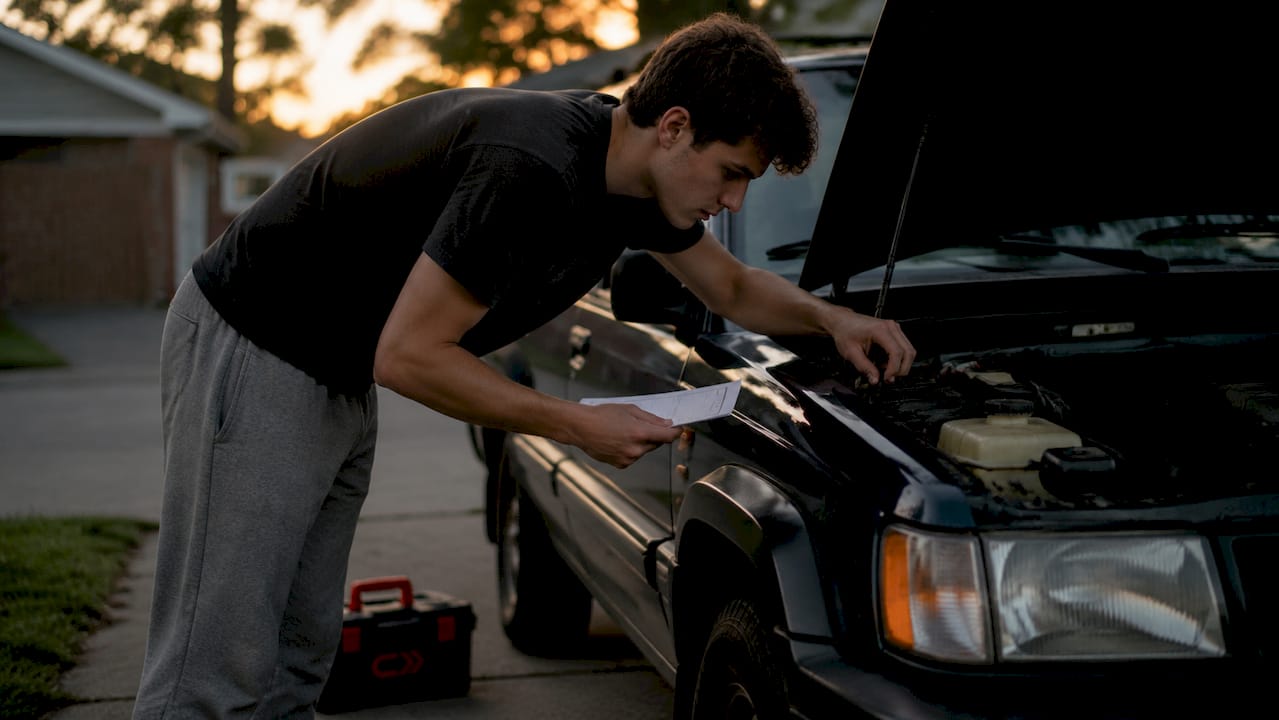
Electrical system defects were the most common cause of recalls in 2024. That category covers everything from software failures to wiring faults that can cause fires or sudden loss of power. Knowing your vehicle’s recall status is the first step toward getting those problems fixed before they cause harm.
How is recall status determined and communicated to owners?
A recall begins when NHTSA or a manufacturer identifies a defect that poses an unreasonable safety risk. Manufacturers can initiate recalls voluntarily, or NHTSA can compel them through investigation. Once a recall is issued, NHTSA assigns a unique Campaign Number to track it in a public database. That number is how regulators, dealers, and owners can look up the status of any specific recall campaign.
Manufacturers are required to notify registered owners by first-class mail. The notification must describe the defect, the risk it poses, and the steps to get it repaired. The system has a real limitation, though. If you moved after buying your vehicle and did not update your registration, the recall notice goes to your old address. The recall campaign stays open on your vehicle regardless.
Three types of manufacturer communications often get confused with each other:
- Safety recalls are federally mandated. The repair is free, and the manufacturer must fix the defect.
- Service campaigns are voluntary manufacturer programs that address issues not classified as safety defects. They may or may not be free.
- Technical Service Bulletins (TSBs) are repair instructions sent to dealers for known issues. They do not require free repairs and are not recalls.
Knowing the difference protects you from paying for a repair that should be free, or assuming a TSB carries the same legal weight as a recall.
What practical impact does recall status have on owners and buyers?
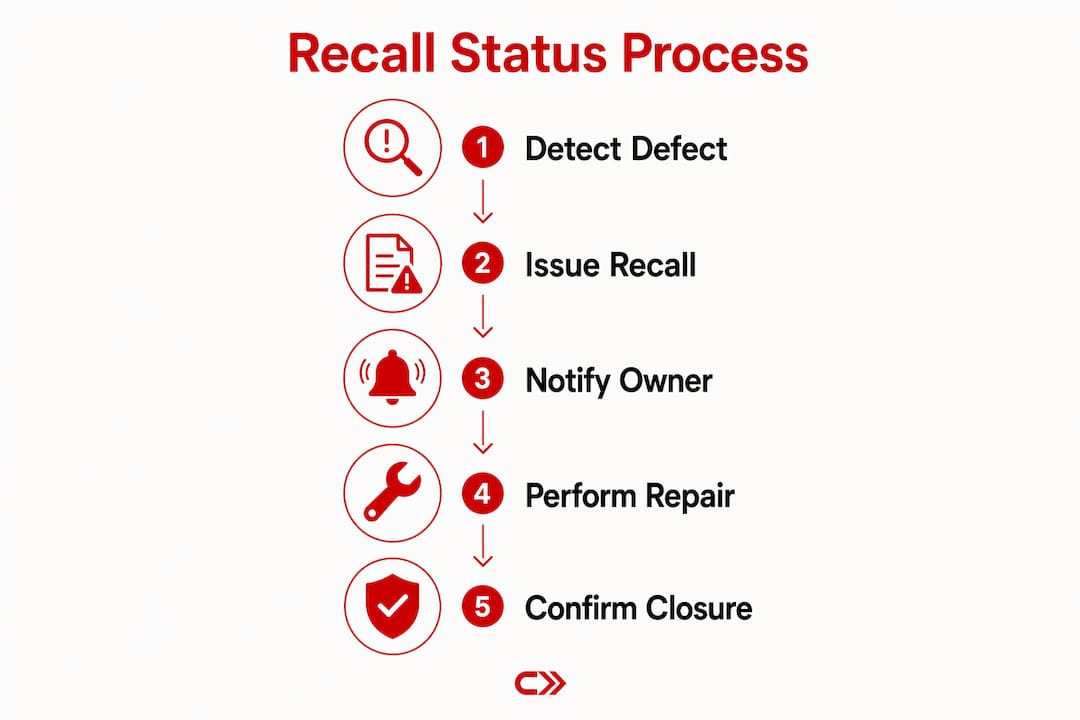
The most direct impact is financial. Recall repairs are free regardless of your warranty status, vehicle age, or where you originally bought the car. A 12-year-old vehicle with an open recall still qualifies for a no-cost fix at an authorized dealership. That is a federal legal requirement, not a manufacturer courtesy.
The safety impact is equally direct. In 2025, 16 recalls resulted in “Do Not Drive” advisories covering 48,371 vehicles. Those advisories exist because certain defects make a vehicle genuinely dangerous to operate. Ignoring an open recall in that category is not a minor oversight.
For buyers of used vehicles, the stakes are higher than most people realize. Here is why:
- Dealers can legally sell used cars with open recalls. Federal law does not prohibit it. The responsibility to check falls on the buyer.
- Open recalls affect resale value. A vehicle with an unresolved defect is worth less, and informed buyers will use that fact at the negotiating table.
- Recall history affects consumer confidence. A car with multiple closed recalls shows a history of manufacturer attention. A car with open recalls signals unfinished business.
- Severe recall categories carry real risk. Airbag inflator failures and electrical defects have caused deaths. These are not hypothetical concerns.
- An open recall is a negotiation tool. Buyers can use open recall status to negotiate a lower purchase price based on the inconvenience and safety concern involved.
Pro Tip: Before making an offer on any used vehicle, run a VIN recall check and print the results. Bring that printout to the negotiation. A documented open recall gives you concrete grounds to request a price reduction or require the dealer to complete the repair before sale.
Understanding how recall status integrates into a vehicle’s full history is covered in depth in Carjourney’s guide on car history reports for used car buyers.
How to check a vehicle’s recall status and interpret the results
The 17-character Vehicle Identification Number (VIN) is the key to an accurate recall lookup. Every vehicle has a unique VIN, and NHTSA’s public database uses it to return vehicle-specific recall results, including both open and completed campaigns. Generic make-and-model searches are not reliable because recalls often apply only to specific production runs or build dates.
Here is what to look for when you run a VIN recall check:
- Open recall: The defect has been identified and a remedy exists, but the repair has not been completed on your specific vehicle. Act on this immediately.
- Closed recall: The repair has been completed and reported to the manufacturer. Keep documentation of this in your records.
- No recalls found: Either the vehicle has no applicable recalls, or recalls exist but have not yet been entered into the database. Check again in 30 days if you have reason to suspect an issue.
- Recall with no remedy yet: NHTSA has issued the recall, but the manufacturer has not finalized the repair procedure. You will be notified when parts are available.
| Recall Status | What It Means | Action Required |
|---|---|---|
| Open | Defect identified, repair not done | Schedule dealer appointment immediately |
| Closed | Repair completed and reported | Retain documentation for your records |
| No remedy available | Recall issued, fix pending | Monitor NHTSA database for updates |
| Not found | No current recall on record | Recheck periodically, especially after news of manufacturer issues |
Pro Tip: If you had recall work done at an independent shop, that repair may not appear as closed in NHTSA’s database. Repair status may not update unless the shop reported the work to the manufacturer. Visit an authorized dealership with your repair receipt to get the recall officially closed in the system.
What are common misconceptions about recall status?
The most damaging misconception is that recalls expire. They do not. Recall campaigns remain open indefinitely until the repair is performed and reported on your specific vehicle. A recall issued in 2015 is still active on any vehicle that never received the fix.
Several other misunderstandings cause owners to leave money and safety on the table:
- “My warranty expired, so the recall repair will cost me.” False. Recall repairs are free under federal law regardless of warranty status.
- “My car has a lot of recalls, so it must be unsafe.” Not necessarily. More recalls do not automatically mean a less safe vehicle. Severity varies widely. A recall for a minor label error is categorically different from one for a faulty brake system.
- “The dealer told me there are no recalls, so I’m fine.” Dealer disclosure is not always complete. Run your own VIN check through NHTSA’s official database.
- “An open recall means I shouldn’t buy the car.” An open recall is a concern, not an automatic dealbreaker. Open recalls can be negotiation leverage rather than a reason to walk away, especially if the repair is simple and parts are available.
- “Manufacturers only cover recalls for 15 years.” The legal minimum is 15 years, but many manufacturers continue free repairs beyond that window voluntarily due to reputational concerns.
For severe recalls, manufacturers sometimes provide loaner vehicles while your car is being repaired. Ask the dealer directly if your recall qualifies.
Steps owners and buyers should take to manage recall status
Recall status is not a one-time check. It requires periodic attention because new recalls are issued continuously throughout a vehicle’s life.
- Run a VIN recall check before every major purchase. Check NHTSA’s database using the exact 17-character VIN. Do this before you negotiate, not after.
- Schedule open recall repairs immediately. Contact an authorized dealership and confirm the repair is covered. Bring your VIN and any recall notification you received.
- Keep all recall repair documentation. Ask the dealer for a written record showing the recall campaign number, the repair performed, and the date. Store it with your vehicle’s service history.
- Use recall history as a negotiation tool. If you are buying a vehicle with an open recall, request either a price reduction or written confirmation that the dealer will complete the repair before delivery.
- Check recall status after major news events. When a manufacturer announces a large recall campaign, check your VIN even if you have not received a notification. Mail delays and address changes mean official notices are not always reliable.
Sellers benefit from this process too. A complete recall repair history, documented and ready to show buyers, supports a stronger asking price. Carjourney’s resale history guide covers how to present that documentation effectively.
Key takeaways
Recall status is a legal, safety, and financial tool that every vehicle owner and buyer should use actively, not passively.
| Point | Details |
|---|---|
| Recalls never expire | An open recall stays active on your vehicle until the repair is completed and reported. |
| Repairs are always free | Federal law mandates free recall repairs for 15 years from original sale, regardless of warranty status. |
| Buyers carry the risk | Dealers can legally sell used cars with open recalls, so VIN checks before purchase are non-negotiable. |
| Open recalls have negotiation value | An unresolved defect gives buyers documented grounds to request a price reduction. |
| Database accuracy requires follow-up | Repairs done outside authorized dealerships may not close the recall in NHTSA’s system without owner action. |
Why I think most drivers treat recalls as someone else’s problem
Most drivers treat recall notices the way they treat jury duty summons. They see it, feel mild dread, and set it aside. I get it. The language is bureaucratic, the process sounds like a hassle, and the car seems fine. That instinct is exactly what gets people hurt.
What I have found is that the owners who stay on top of recall status are not the ones who are paranoid about their cars. They are the ones who understand that a recall is free money and free safety. The manufacturer has already admitted the problem exists. They are legally required to fix it. All you have to do is show up.
The buyer side is where I see the most costly mistakes. Buyers skip the VIN check because they trust the dealer or the seller. Dealers can legally sell vehicles with open recalls, and many do. That is not a scandal. It is just the law. The responsibility sits with you.
The other thing worth saying plainly: an open recall is not always a reason to walk away from a car. I have seen buyers use a documented open recall to knock hundreds of dollars off a purchase price, then get the repair done for free the following week. That is a good outcome. The recall did its job.
Build recall checks into your routine the same way you build in oil changes. Check your VIN once a year and before any major purchase. It takes five minutes and costs nothing.
— Chally
Carjourney keeps your vehicle’s full history in one place
Managing recall status alongside oil changes, tire rotations, and service records is exactly the kind of scattered process that Carjourney was built to fix.
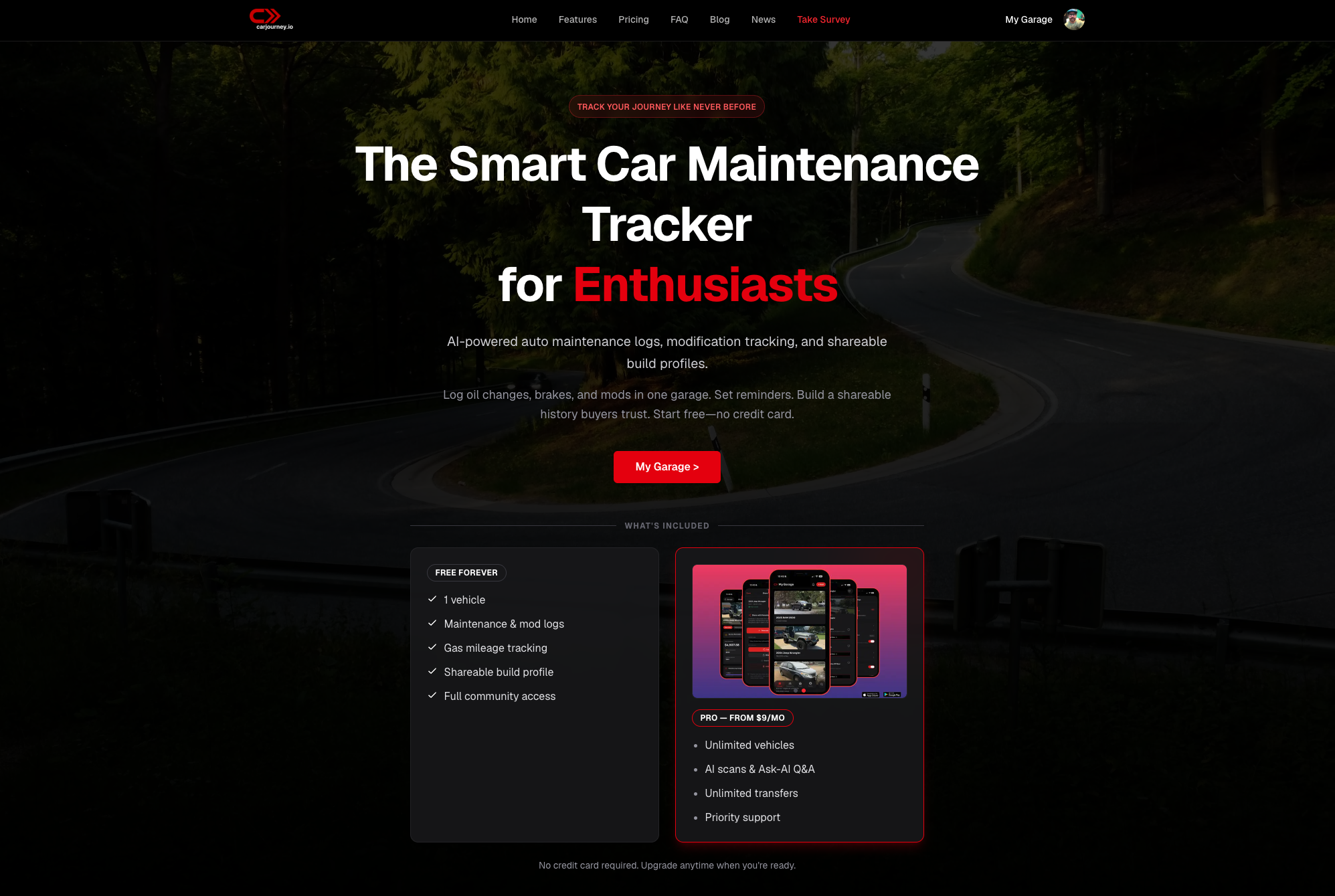
Carjourney combines AI-powered maintenance tracking with a centralized record system so your vehicle’s full service and recall history is always accessible. Whether you are preparing to sell, buying a used car, or just staying on top of your current vehicle’s needs, Carjourney gives you the organized, accurate picture you need. The platform scans your service documents, answers questions about your specific build, and connects you with a community of owners who share real-world experience. Visit Carjourney to start tracking your vehicle the right way.
FAQ
What does “open recall status” mean?
An open recall means a safety defect has been identified on your specific vehicle but the manufacturer’s required repair has not been completed. The vehicle remains under an active recall campaign until the fix is done and reported to the manufacturer.
How do I check my vehicle’s recall status?
Enter your 17-character VIN into NHTSA’s public recall database to get a vehicle-specific result showing all open and completed recall campaigns. Manufacturer websites also offer VIN-based recall lookups.
Are recall repairs really free?
Yes. Under 49 U.S.C. § 30120, manufacturers must provide free recall repairs for 15 years from the vehicle’s original sale date, covering parts, labor, and diagnostics, regardless of warranty status.
Can a dealer sell a used car with an open recall?
Yes. Federal law does not prohibit dealers from selling used vehicles with open safety recalls. Buyers must run their own VIN recall check before purchasing any used vehicle.
Do recalls ever expire if I ignore them?
No. Recall campaigns remain open indefinitely on any vehicle that has not received the repair. There is no deadline that cancels your right to a free fix.