 carjourney
From the CarJourney journal
Why a Car Repair Tracking App Pays Off
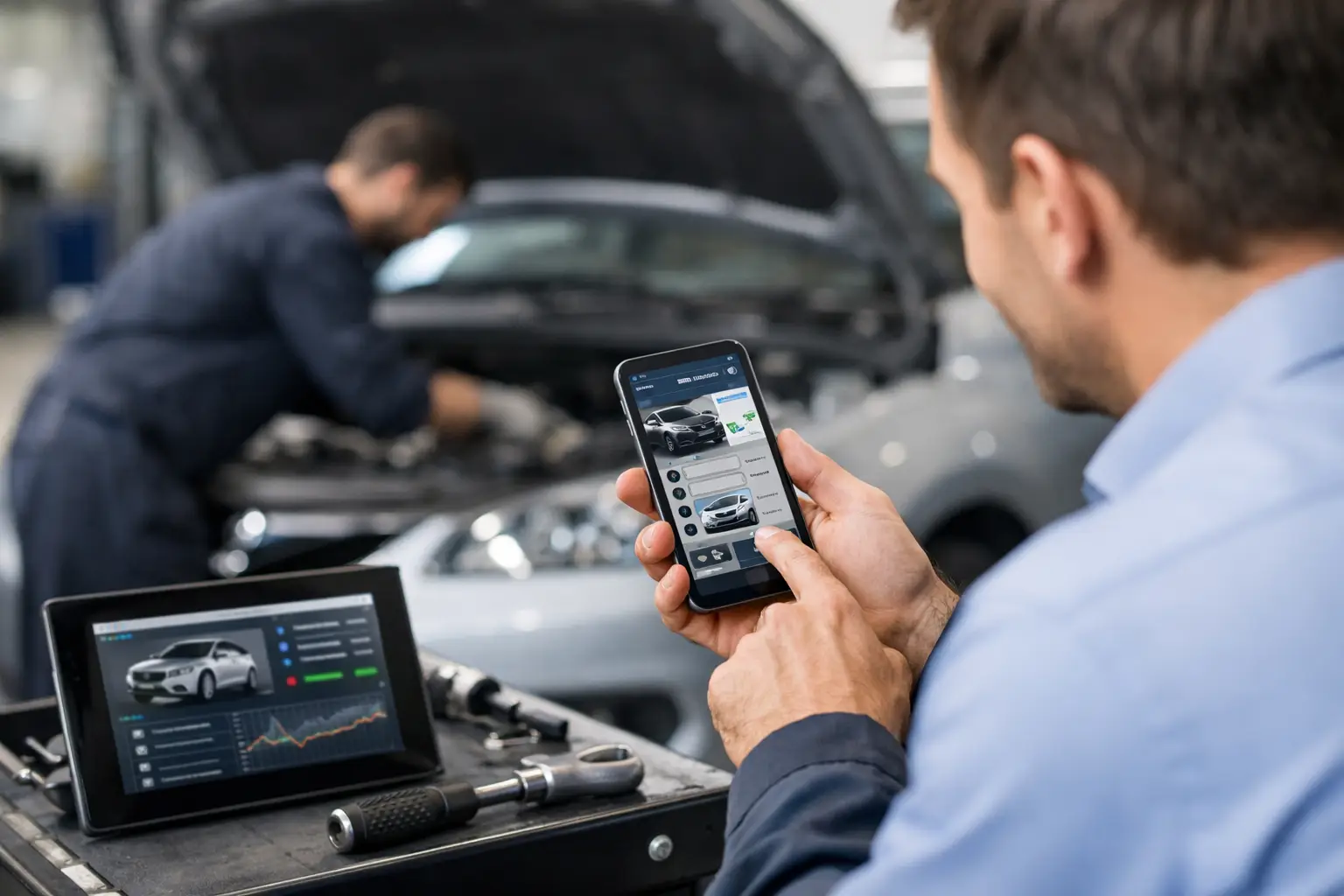
Missed oil changes are annoying. Missed timing belt service, undocumented brake work, or a mystery part installed three owners ago can get expensive fast. That is why a car repair tracking app has become less of a nice-to-have and more of a real ownership tool for people who actually care about their vehicles.
For enthusiasts, the problem usually is not motivation. It is fragmentation. A few receipts are in the glove box, part numbers live in old texts, alignment specs are buried in photos, and service dates are half-remembered until the next noise, leak, or check engine light shows up. Even if you are organized, spreadsheets and phone notes tend to break down once you are tracking multiple cars, long-term builds, or a mix of maintenance and upgrades.
A good app fixes that by giving every vehicle a usable history. Not just reminders, but context. What was done, when it was done, who did it, what it cost, and what should happen next.
What a car repair tracking app should actually do
The basic job is simple. You need one place to log repairs and routine maintenance so you can stop guessing. But for serious owners, that is only the starting point.
A useful app should let you record common service like oil changes, brake jobs, tire rotations, battery replacement, and fluid flushes. It should also handle the stuff that matters later, like warranty information, receipts, mileage at service, and notes about symptoms or follow-up work. If you replaced front control arms and still had a vibration at highway speed, that note matters. If you installed coilovers and changed wheel specs a month later, that relationship matters too.
The difference between a basic reminder app and a proper ownership platform is depth. A basic app tells you it is time for service. A better one helps you understand the story of the car.
That matters even more if your vehicle is modified. Most maintenance tools treat mods like an afterthought, but enthusiasts know upgrades and repairs often overlap. A downpipe install may affect future inspection planning. Bigger wheels may change tire replacement costs. Suspension work can alter alignment intervals and wear patterns. If your records ignore that, they are incomplete.
Why spreadsheets stop working
Plenty of owners start with a spreadsheet because it feels flexible and free. For one car and a handful of services, that can be enough. The problem shows up over time.
Spreadsheets do not naturally store photos, invoices, part details, reminder logic, and build history in a way that feels fast on your phone while you are standing in a garage or parts counter line. They also depend on you to keep every field consistent. One entry says "oil change," another says "engine oil," a third says "5W-30 and filter." Later, searching gets messy.
They also do a poor job of preserving trust. If you ever sell the car, a clean timeline with receipts, mileage, and documented modifications is easier for buyers to understand than a homemade spreadsheet and a folder of random images. Buyers do not just want proof that work happened. They want confidence that the owner paid attention.
That confidence has value. Sometimes it means a higher selling price. Sometimes it just means fewer suspicious questions from serious buyers.
The real payoff is control
The biggest benefit of a car repair tracking app is not convenience. It is control.
When your records are centralized, you can see patterns before they turn into wasted money. Maybe your rear tires are wearing faster than expected after a suspension change. Maybe a cooling issue started shortly after a water pump replacement. Maybe you have spent more on deferred maintenance this year than you realized because the costs were spread across small jobs.
That visibility changes how you own the car. You stop reacting and start planning.
For daily drivers, that means fewer missed services and better reliability. For project cars, it means a cleaner path through a build without losing track of what was already done. For multi-car households, it means each vehicle has its own timeline instead of competing for attention in your memory.
Car repair tracking app features that matter most
Not every feature matters equally. Some sound good on a product page but do very little in real ownership. The features worth caring about are the ones that reduce friction and improve record quality.
Mileage- and time-based reminders are near the top because service intervals rarely follow one simple rule. Some items depend on miles, some on months, and some on both. If the app can handle recurring schedules without making setup annoying, you are far more likely to keep using it.
Receipt and document storage matters because memory is unreliable and paper gets lost. A stored invoice, warranty, or inspection report can save time when a shop asks what part was used or when a buyer wants proof.
Photo support is more useful than it sounds. Photos help document condition, part installs, damage, routing, fitment, and even serial numbers. For builds, they also turn your maintenance record into something shareable rather than purely administrative.
Modification logging is where enthusiast-focused tools separate themselves from generic apps. If you care about your vehicle as more than transportation, you need a system that tracks upgrades, costs, brands, install dates, and supporting notes alongside regular service.
Cross-device sync also matters. If your history only lives on one phone, it is fragile. Real ownership records should be available wherever you are, whether that is your garage, a shop waiting room, or your desk.
It depends on how you use your vehicle
Not every owner needs the same level of detail, and that is worth saying clearly.
If you lease a daily driver and trade it in every few years, a simple reminder system may be enough. You probably do not need deep build documentation or detailed cost tracking.
If you own a long-term car, a performance build, a classic, or multiple vehicles, shallow tracking usually becomes frustrating. The more history that accumulates, the more useful structure becomes. A turbo build, restoration, off-road setup, or track car can generate dozens of service and parts events in a short period. In that case, you need more than a checklist. You need a timeline that holds together.
This is also where cloud-based systems have an edge. Cars outlast phones. Good records should outlast both.
Why documented history helps at resale
Enthusiasts sometimes think modifications automatically hurt resale. Sometimes they do. Sometimes they do not. The difference is often documentation.
A modified car with vague claims is hard to trust. A modified car with dated service logs, part details, receipts, install notes, and photos tells a different story. It shows that the owner was deliberate. Even if a buyer does not value every upgrade the same way you do, they will usually value clear records.
The same goes for stock or lightly modified vehicles. A documented maintenance history reduces uncertainty. Uncertainty is what pushes buyers to negotiate harder or walk away.
That is one reason platforms like CarJourney make sense for owners who want to protect value, not just stay organized. When your maintenance, mods, and documents live in one place, you can build a shareable history buyers trust instead of scrambling to reconstruct ownership at the last minute.
The best app is the one you will keep using
Feature depth matters, but adoption matters more. If logging a service takes too many taps, if the interface feels generic, or if the app ignores the way enthusiasts actually own cars, people stop updating it. Then the system fails, no matter how impressive the feature list looked on day one.
The best car repair tracking app is the one that fits into real ownership habits. It should be fast enough to update after a fill-up, detailed enough for a clutch job, and structured enough to make sense six months later when you are troubleshooting, budgeting, or preparing to sell.
That balance is harder to get right than it looks. Too simple, and the records are shallow. Too complicated, and the app becomes another unfinished project.
A good system gives you a home base for the car. Not just a service reminder, but a clear record of what you have built, fixed, spent, and preserved. And if you care about reliability, value, or the story behind the vehicle, that kind of record is not overkill. It is part of owning the car well.
The best time to start tracking is before you need the history, not after you wish you had it.