 carjourney
From the CarJourney journal
Maintenance Reminders: Keep Your Vehicle Running Smoothly
Vehicle ownership comes with countless responsibilities, from insurance payments to fuel costs. Yet one of the most crucial aspects that many car enthusiasts and daily drivers overlook is staying on top of regular maintenance. Missing an oil change or forgetting about brake inspections can transform minor issues into expensive repairs. This is where maintenance reminders become invaluable tools that protect your investment and keep your vehicle performing at its best throughout its lifetime. See our complete guide to car maintenance reminders for schedules and tools.
Why Maintenance Reminders Matter for Your Vehicle
Regular vehicle maintenance isn't just about keeping your car looking good. It's about preserving the engine, transmission, and countless other components that work together to get you safely from point A to point B. Implementing preventive maintenance increases equipment reliability and reduces unexpected repair costs across all types of machinery, including automobiles.
For car enthusiasts who invest time and money into modifications, tracking becomes even more critical. When you've upgraded your suspension, installed performance parts, or enhanced your engine, you need to monitor how these changes affect your vehicle's maintenance needs. Maintenance reminders ensure nothing falls through the cracks.
The Financial Impact of Missed Maintenance
Skipping regular service intervals leads to cascading problems:
- Dirty oil causes engine wear and reduces fuel efficiency
- Worn brake pads damage rotors, multiplying replacement costs
- Neglected coolant systems result in overheating and engine damage
- Ignored tire rotations create uneven wear requiring premature replacement
Understanding your yearly car maintenance costs helps you budget appropriately and appreciate why timely reminders save money. A $50 oil change becomes a $3,000 engine repair when postponed too long.

Types of Maintenance Reminders You Should Track
Different vehicle systems require attention at varying intervals. Some depend on mileage, others on time elapsed, and certain components need monitoring based on driving conditions. Creating a comprehensive reminder system means accounting for all these variables.
Mileage-Based Service Intervals
Most maintenance schedules revolve around odometer readings. Your vehicle manufacturer provides specific guidelines about when to service different components based on miles driven.
| Service Type | Typical Interval | Why It Matters |
|---|---|---|
| Oil Change | 5,000-7,500 miles | Prevents engine wear and sludge buildup |
| Tire Rotation | 5,000-8,000 miles | Ensures even wear and extends tire life |
| Air Filter | 15,000-30,000 miles | Maintains engine performance and fuel economy |
| Transmission Fluid | 30,000-60,000 miles | Protects transmission from overheating |
| Spark Plugs | 30,000-100,000 miles | Ensures efficient combustion and power |
These intervals vary based on your vehicle's make, model, and year. Maintenance reminder systems have become mainstream in modern vehicles, with onboard computers tracking mileage and alerting drivers when service is due.
Time-Based Maintenance Needs
Even if you don't drive frequently, certain components degrade over time. Fluids break down, seals dry out, and batteries lose charge regardless of mileage.
Critical time-based reminders include:
- Battery testing every 3-6 months for vehicles driven infrequently
- Coolant replacement every 2-5 years depending on fluid type
- Brake fluid flushing every 2-3 years to prevent moisture contamination
- Wiper blade replacement annually or when streaking occurs
Setting up a car maintenance plan that incorporates both mileage and time-based intervals ensures comprehensive vehicle care.
Setting Up Effective Maintenance Reminder Systems
Creating a reliable reminder system requires more than just mental notes or sticky notes on your dashboard. Modern car owners have numerous options for tracking service schedules, each with distinct advantages.
Digital Tracking Platforms
Technology has revolutionized how we manage vehicle maintenance. Digital platforms offer automation, cloud storage, and intelligent notifications that traditional paper logs can't match.
An auto maintenance tracker provides centralized storage for service records, upcoming maintenance needs, and modification details. For enthusiasts managing multiple vehicles or complex builds, digital solutions eliminate guesswork and missed appointments.
Automated reminders enhance workflow management by sending timely notifications through email, SMS, or app notifications. These systems calculate due dates based on your driving patterns and send alerts before service becomes urgent.
Traditional Reminder Methods
Not everyone prefers digital solutions. Some car owners maintain successful reminder systems using conventional approaches.
- Service stickers placed on windshields showing next oil change mileage
- Calendar notifications marked for time-based maintenance items
- Logbooks kept in the glove compartment with service history
- Spreadsheets tracking multiple vehicles and service types
The key is consistency. Reminders enhance productivity by ensuring tasks get completed on time, whether those tasks involve work projects or vehicle maintenance.
Customizing Reminders for Modified Vehicles
Car enthusiasts who modify their vehicles face unique maintenance challenges. Performance upgrades, suspension modifications, and engine enhancements often alter service intervals and introduce new maintenance requirements.
Performance Modifications and Maintenance
When you upgrade components, you're changing how stress distributes across your vehicle's systems. A turbocharged engine generates more heat, requiring more frequent oil changes with higher-quality synthetic oils. Upgraded brake systems with performance pads may wear differently than stock components.
Modified vehicle reminder considerations:
- Synthetic oil changes every 3,000-5,000 miles for forced induction engines
- Brake fluid inspection every track day or spirited driving session
- Suspension alignment checks after lowering springs installation
- Differential fluid replacement for vehicles with limited-slip upgrades
- Air filter cleaning for reusable performance filters every 10,000 miles
Tracking these specialized needs requires a flexible system that goes beyond manufacturer recommendations. Using a car maintenance tracker allows you to create custom intervals based on your specific modifications and driving style.
Documentation for Resale Value
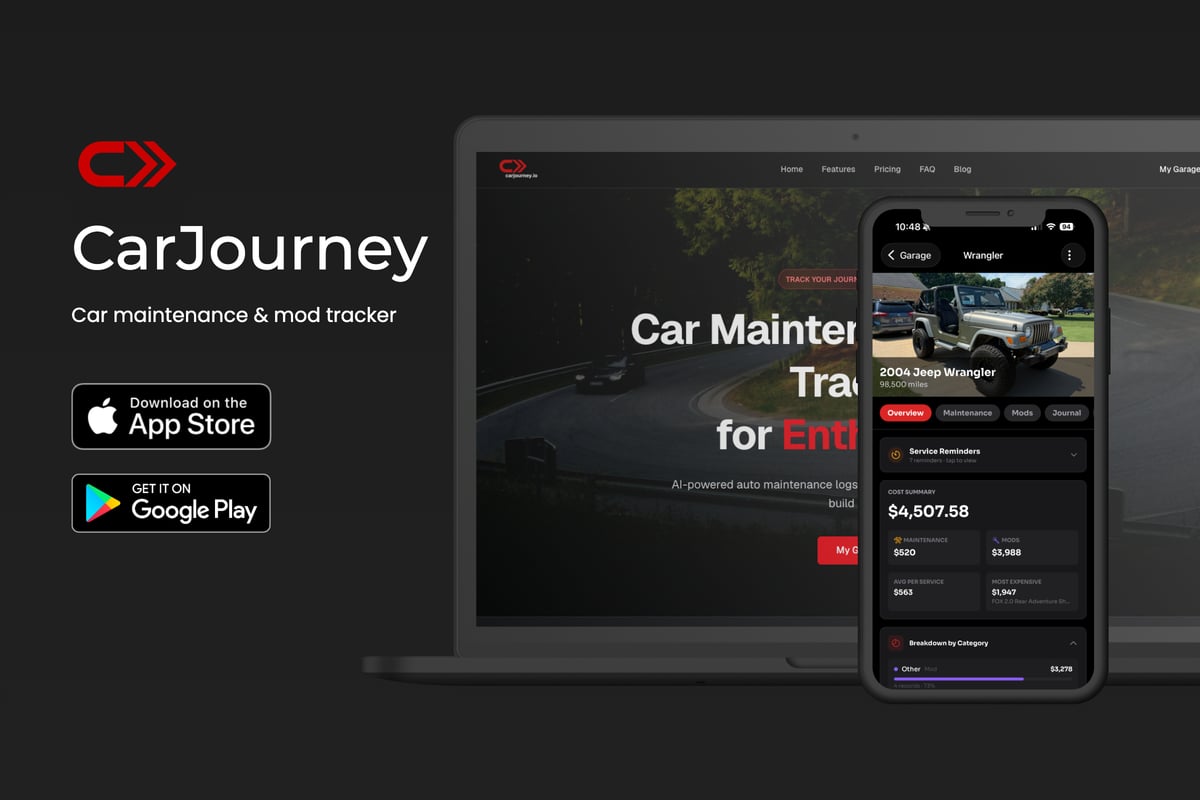
Detailed maintenance records significantly increase resale value, especially for modified vehicles. Potential buyers want proof that upgrades were installed correctly and that the vehicle received proper care. CarJourney Pro offers unlimited vehicle tracking with comprehensive modification documentation that creates shareable build profiles, making it easier to demonstrate your vehicle's maintenance history to prospective buyers.
Integrating Maintenance Reminders Into Your Routine
The best reminder system is one you'll actually use. Integration into your existing habits determines whether reminders help or simply create notification fatigue.
Creating Sustainable Habits
Start by identifying natural trigger points in your routine. Many people check their phone first thing in the morning, making morning notifications ideal for maintenance reminders. Others prefer weekend planning sessions where they review upcoming vehicle needs alongside household tasks.
- Link reminders to existing routines like weekly grocery shopping or monthly bill payments
- Batch similar maintenance tasks to reduce trips to the shop
- Set reminders two weeks early allowing time to schedule appointments
- Review and update intervals after each service to maintain accuracy
Maintaining vehicle logs creates accountability and helps you spot patterns in your vehicle's behavior. Maybe you notice transmission fluid needs attention more frequently during summer months, or brake pads wear faster during winter driving.
Managing Multiple Vehicles
Enthusiasts often own several vehicles, from daily drivers to project cars. Each requires individual attention with different service schedules.
| Vehicle Type | Primary Tracking Priority | Reminder Frequency |
|---|---|---|
| Daily Driver | Mileage-based intervals | Weekly checks |
| Weekend Car | Time-based maintenance | Monthly reviews |
| Project Car | Modification tracking | Per-milestone basis |
| Classic Car | Preservation maintenance | Seasonal inspections |
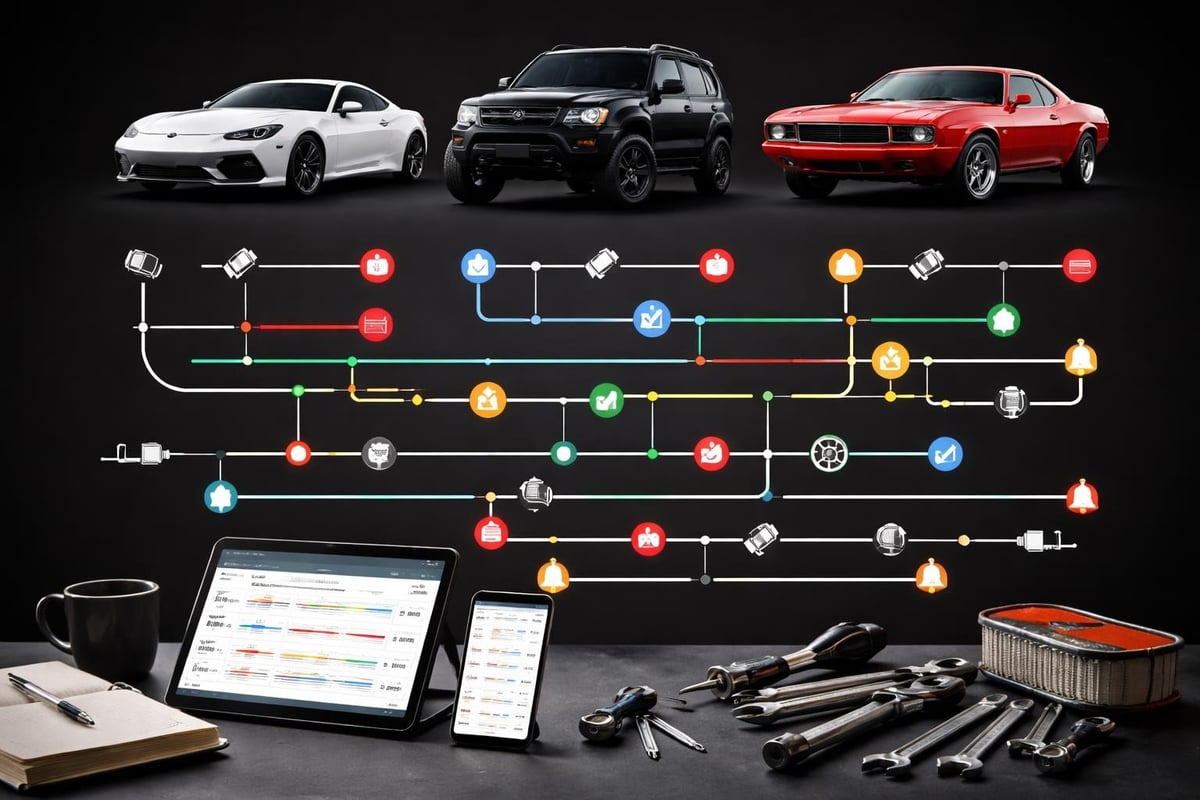
A centralized platform that allows you to add vehicles and track them separately prevents confusion and ensures each car receives appropriate attention.
Common Mistakes in Maintenance Reminder Management
Even with the best intentions, car owners make predictable errors when setting up and maintaining reminder systems. Recognizing these pitfalls helps you avoid them.
Overcomplicating the System
Some enthusiasts create elaborate tracking systems with dozens of data points for every minor component. While thoroughness seems beneficial, complexity often leads to abandonment. Your reminder system should capture essential maintenance without becoming a second job.
Focus on critical services first: oil changes, brake inspections, tire rotations, and fluid checks. Once these foundational reminders work smoothly, add secondary items like cabin air filters or differential services.
Ignoring Driving Conditions
Manufacturer maintenance schedules typically include "normal" and "severe" driving conditions. Most drivers underestimate how their habits qualify as severe use.
Severe driving conditions include:
- Frequent short trips under 5 miles
- Stop-and-go traffic during commutes
- Dusty or dirt road operation
- Towing trailers or heavy loads
- Extreme temperature environments
If your driving matches these patterns, your maintenance intervals should decrease by 30-50%. Adjust your reminders accordingly to prevent premature wear.
Leveraging Technology for Smarter Maintenance Tracking
Modern vehicles collect tremendous amounts of data through onboard diagnostics systems. Smart reminder platforms can integrate with this data, creating predictive maintenance schedules based on actual vehicle condition rather than simple mileage counts.
AI-Powered Maintenance Predictions
Advanced tracking systems use artificial intelligence to analyze driving patterns, modification impact, and historical service data. This technology predicts when components will need attention before problems develop.
For instance, AI might notice your brake pad wear rate increased after installing larger wheels. The system adjusts brake inspection reminders accordingly, catching potential issues earlier than standard intervals would.
Cloud-Based Service History
Storing maintenance records in the cloud provides several advantages over paper logs or local files. You can access your complete service history from anywhere, share it with mechanics instantly, and never worry about lost receipts.
Keeping organized maintenance receipts creates a comprehensive record that helps with warranty claims, insurance disputes, and resale documentation. Cloud platforms automatically backup this information, protecting it from physical damage or loss.
Building a Preventive Maintenance Mindset
Maintenance reminders work best when supported by a proactive approach to vehicle care. Rather than waiting for problems to appear, preventive thinking catches issues during early stages when repairs cost less and cause minimal inconvenience.
Regular Visual Inspections
Beyond scheduled maintenance, develop the habit of visual checks every few weeks. Look for fluid leaks, tire wear patterns, and unusual sounds during operation. These observations complement your formal reminder system and often catch problems between service intervals.
Quick inspection checklist:
- Check tire pressure and tread depth monthly
- Inspect under the vehicle for leaks or damage
- Test all lights and replace burned-out bulbs immediately
- Listen for unusual noises during startup and driving
- Monitor fluid levels between oil changes
Understanding recommended maintenance for your specific vehicle helps you know what's normal versus what requires immediate attention.
Community Knowledge Sharing
Car enthusiast communities provide valuable insights about model-specific maintenance needs that manufacturer schedules might not emphasize. Learning from others' experiences helps you anticipate issues and adjust reminder intervals appropriately.
Online forums and social media groups dedicated to your vehicle model often discuss common wear items, problematic components, and optimal service intervals. This collective knowledge refines your maintenance strategy beyond generic recommendations.
Calculating the Return on Maintenance Investment
Viewing regular maintenance as an investment rather than an expense changes how you approach vehicle care. Every dollar spent on preventive service typically saves three to four dollars in avoided repairs.
Consider a typical scenario: Missing a $75 coolant flush leads to radiator corrosion, eventually causing overheating. The resulting repairs include a new radiator ($400), water pump ($350), and thermostat ($150), totaling $900 plus towing costs and inconvenience.
Your car maintenance budget should account for regular service intervals as predictable expenses. This planning prevents financial surprises and ensures funds are available when maintenance comes due.
Extending Vehicle Lifespan
Consistent maintenance significantly extends how long your vehicle remains reliable. Modern cars easily reach 200,000 miles with proper care, while neglected vehicles often face major issues before 100,000 miles.
For modified vehicles where you've invested in upgrades, protecting that investment through diligent maintenance makes economic sense. Why spend thousands on performance parts only to let them fail from inadequate lubrication or cooling?
Seasonal Maintenance Reminder Adjustments
Different seasons stress vehicle systems in unique ways. Effective reminder systems account for these cyclical needs, ensuring your car stays ready for weather extremes.
Winter Preparation Reminders
As temperatures drop, several maintenance items become critical. Battery performance decreases in cold weather, tire pressure fluctuates, and fluids thicken.
- Test battery charge and replace if over 3 years old
- Switch to winter-grade washer fluid
- Check tire tread depth for snow traction
- Inspect heating system operation
- Verify antifreeze protection to appropriate temperature
Summer Maintenance Priorities
Heat creates different challenges, particularly for cooling systems and air conditioning. Set reminders to address summer-specific needs before hot weather arrives.
- Inspect coolant system for leaks and proper mixture
- Test air conditioning refrigerant levels
- Check tire pressure increases from heat expansion
- Verify proper operation of cooling fans
- Replace cabin air filters for optimal AC performance
Understanding yearly vehicle maintenance cycles helps you anticipate seasonal needs and set appropriate reminders.
Effective maintenance reminders transform vehicle ownership from reactive crisis management to proactive care that protects your investment and prevents costly breakdowns. By implementing a system that tracks both mileage and time-based intervals while accounting for modifications and driving conditions, you ensure your vehicle receives the attention it needs exactly when it needs it. CarJourney provides the AI-powered tools car enthusiasts need to maintain comprehensive digital logs, track modifications, and never miss critical service intervals, keeping your vehicle running at peak performance for years to come.