 carjourney
From the CarJourney journal
7 Best Ways to Track Mileage That Work
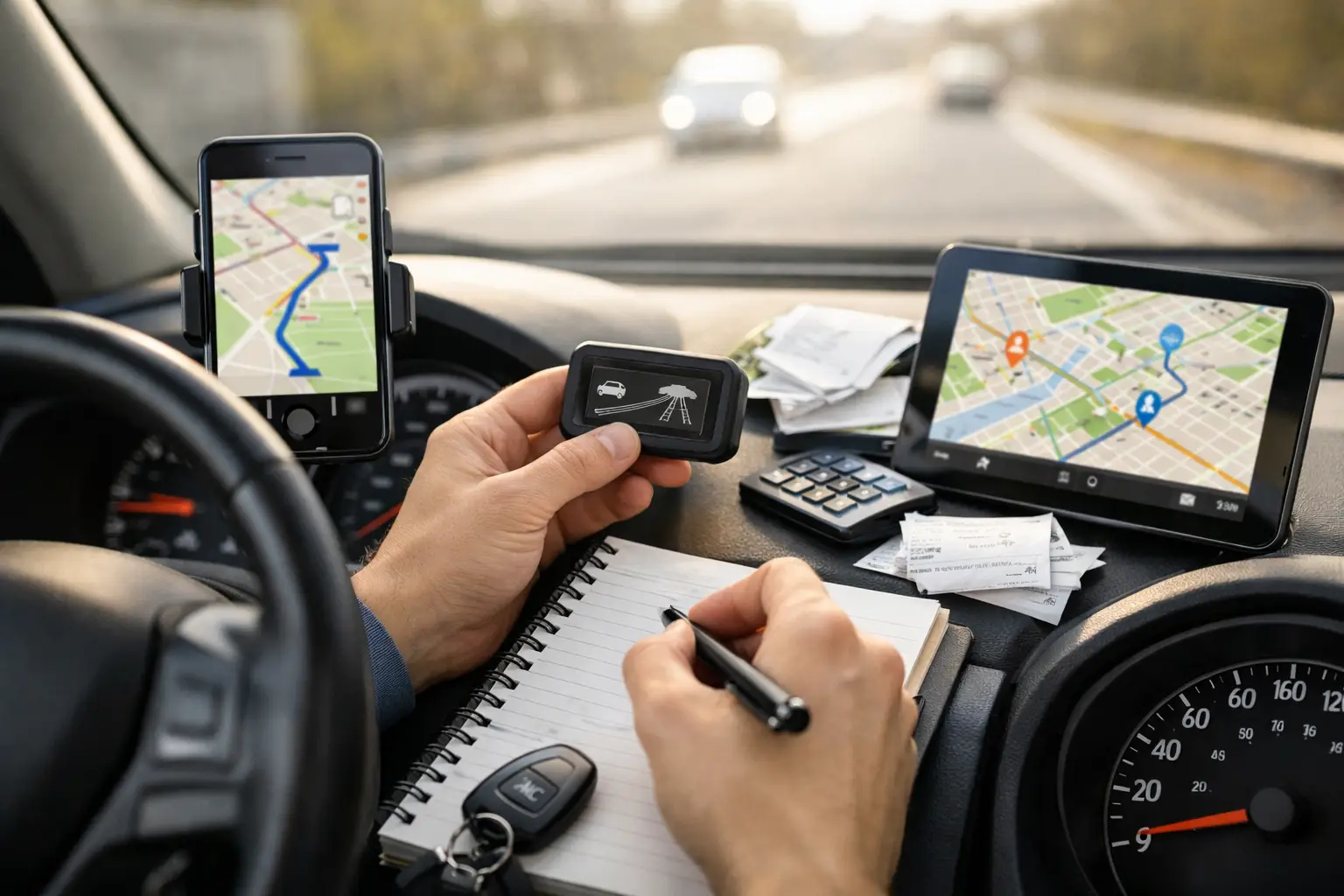
You notice it when service sneaks up on you. One week your car feels freshly sorted, and the next you are trying to remember whether that oil change happened 2,500 miles ago or 5,500. That is why the best ways to track mileage are not just about numbers. They help you protect maintenance timing, document your build, and keep a vehicle history you can actually trust.
For enthusiasts, mileage is tied to everything. It affects service intervals, resale conversations, warranty claims, modification timing, and the story of the car itself. A rough guess might be fine for a commuter appliance, but it falls apart fast when you own something you care about, especially if you are tracking multiple vehicles, seasonal cars, or a project that spends half its life in the garage and the other half at events.
What the best ways to track mileage actually need to do
A good mileage tracking method should answer three basic questions without making you dig. What is the current odometer reading? When did a specific service or modification happen? How quickly is the vehicle accumulating miles over time?
That sounds simple, but the right method depends on why you are tracking in the first place. If your only goal is remembering oil changes, a basic odometer note may be enough. If you are also documenting suspension work, tire life, fuel economy, and resale history, you need something more structured. The trade-off is usually between speed and detail. Simpler systems are easy to start but easier to outgrow.
Best ways to track mileage for real-world ownership
1. Use a dedicated vehicle tracking app
For most owners who care about maintenance and records, this is the strongest option. A dedicated app gives you one place to log mileage, attach services to exact odometer readings, set reminders, and keep everything available across devices.
The biggest advantage is context. Mileage by itself does not tell you much. Mileage connected to an oil change, brake job, coilover install, or transmission service gives you a history you can act on. That matters when you are troubleshooting, planning future work, or showing a buyer that the car was actually looked after.
This is also the best fit for multi-vehicle households or enthusiast owners with a daily, a weekend car, and maybe a long-term project. Instead of scattered notes, you get a central record. If you use a platform like CarJourney, mileage becomes part of a broader ownership history, not a standalone number floating in your phone.
The trade-off is discipline. An app only works if you actually log updates. But compared with spreadsheets or paper, the habit tends to stick better because the system is built around car ownership, not generic note-taking.
2. Log odometer readings at every fill-up
If you want a low-friction routine, fuel stops are a smart trigger. You are already standing next to the car, so adding the mileage takes almost no extra effort. This method is especially useful if you also care about fuel economy, trip costs, or how driving style changes over time.
For enthusiast owners, this can reveal patterns you might otherwise miss. Maybe your modified setup is drinking more fuel than expected. Maybe your weekend car racks up fewer miles than you thought, which affects annual service timing more than mileage-based intervals.
The downside is that fill-up logging gives you snapshots, not a full maintenance record. It helps establish a timeline, but it is not enough on its own if you want organized service history. It works best as part of a larger system.
3. Record mileage every time you do service or install parts
This is one of the most practical habits you can build. Any time the car gets work, whether that is an oil change, tire rotation, alignment, or a new exhaust, log the mileage right then. That creates a clean link between the odometer and the work performed.
This matters more than many owners realize. Later, when you are wondering how many miles are on your brake pads or whether your spark plugs are nearing replacement, you do not want to estimate. You want an exact number. The same goes for modifications. If you installed coilovers 18,000 miles ago, that tells a different story than saying, "a while back."
This method is strong because it ties mileage to real decisions. The limitation is that it only updates when something happens. If the car sits for months or racks up mileage between services quickly, you may still want regular checkpoints in between.
Best ways to track mileage if you like more control
4. Keep a spreadsheet
Spreadsheets still work well for detail-oriented owners. You can build columns for date, odometer, service type, cost, parts used, tire mileage, and notes. If you already live in spreadsheets for budget tracking or build planning, this may feel natural.
The upside is flexibility. You can organize data exactly how you want and analyze trends over time. Some owners like seeing average miles per month, cost per mile, or how long certain consumables last.
The problem is convenience. Spreadsheets are rarely the fastest tool when you are in the garage, at a gas station, or standing in a parts counter line. They also tend to become personal systems that only make sense to the person who built them. That is fine until you forget your own format six months later or need to show someone else the history.
5. Use a simple notes app or paper logbook
This is the bare-minimum option, but it can still work if your main goal is consistency. Write down the date, mileage, and what happened. That is better than trusting memory, which is where most maintenance confusion starts.
A paper logbook has a certain appeal for old-school owners and collectors, especially if the car already has a binder of records. A phone note is even easier since it is always with you. Either option can help you avoid missed intervals and vague service timing.
Still, both methods hit a ceiling quickly. They are hard to search, easy to forget, and not ideal for attaching receipts, photos, or reminders. If your ownership style is more involved than basic maintenance, this method can start feeling cramped.
6. Take periodic odometer photos
This one is underrated. Snap a photo of the odometer every month, every fuel stop, or every service visit. Photos create proof, not just a typed number, and they can be helpful when documenting mileage progression for insurance, resale, or long-term project cars.
It is also useful for vehicles that do not get driven often. If you own a collector car or seasonal build, monthly odometer photos create a timestamped record even when nothing major is happening. That helps you keep track of usage without relying on memory.
On its own, though, this method is incomplete. A camera roll becomes cluttered fast, and finding one specific odometer shot from eight months ago is not fun. Think of it as supporting evidence, not your whole system.
Best ways to track mileage for business or tax use
7. Use automatic trip tracking with manual review
If you drive for work, deductions, reimbursements, or side gigs, automatic trip tracking can save a lot of time. These tools use your phone to detect drives, record routes, and estimate business mileage without requiring manual entry every trip.
That convenience matters if you are logging high mileage or switching between personal and business driving often. It reduces missed trips and gives you more complete records than trying to recreate drives later.
But automation is not perfect. It can misclassify trips, miss short drives, or record movement you did not intend to count. The best approach is automatic capture with regular manual review. Let the tool do the heavy lifting, then clean up categories before the data gets messy.
How to choose the right mileage tracking method
The best ways to track mileage depend on how much your vehicle history matters to you and how many moving parts you are managing. If you just need a reminder for basic services, a notes app or simple odometer log may be enough. If you care about resale trust, modifications, long-term maintenance, and keeping a real record of ownership, a dedicated system is worth it.
It also depends on the car. A daily driver with predictable use is easy to monitor with occasional entries. A tuned car, tow rig, off-road build, or garage-kept collectible deserves better documentation because the stakes are higher. More money, more parts, more variables, more reason to keep mileage tied to the rest of the story.
The common mistake is choosing a system that sounds thorough but is too annoying to maintain. The best method is the one you will still be using next year. That usually means something fast enough for real life and detailed enough to stay useful when you need answers.
Mileage tracking is not glamorous, but it quietly makes ownership better. You save money by servicing on time, avoid guesswork when planning work, and build a history that gives your car more credibility when it is time to sell or show what has gone into it. Pick a method you will actually stick with, then let every mile add to a record you can trust.