 carjourney
From the CarJourney journal
Service Intervals by Mileage That Keep Cars Ready
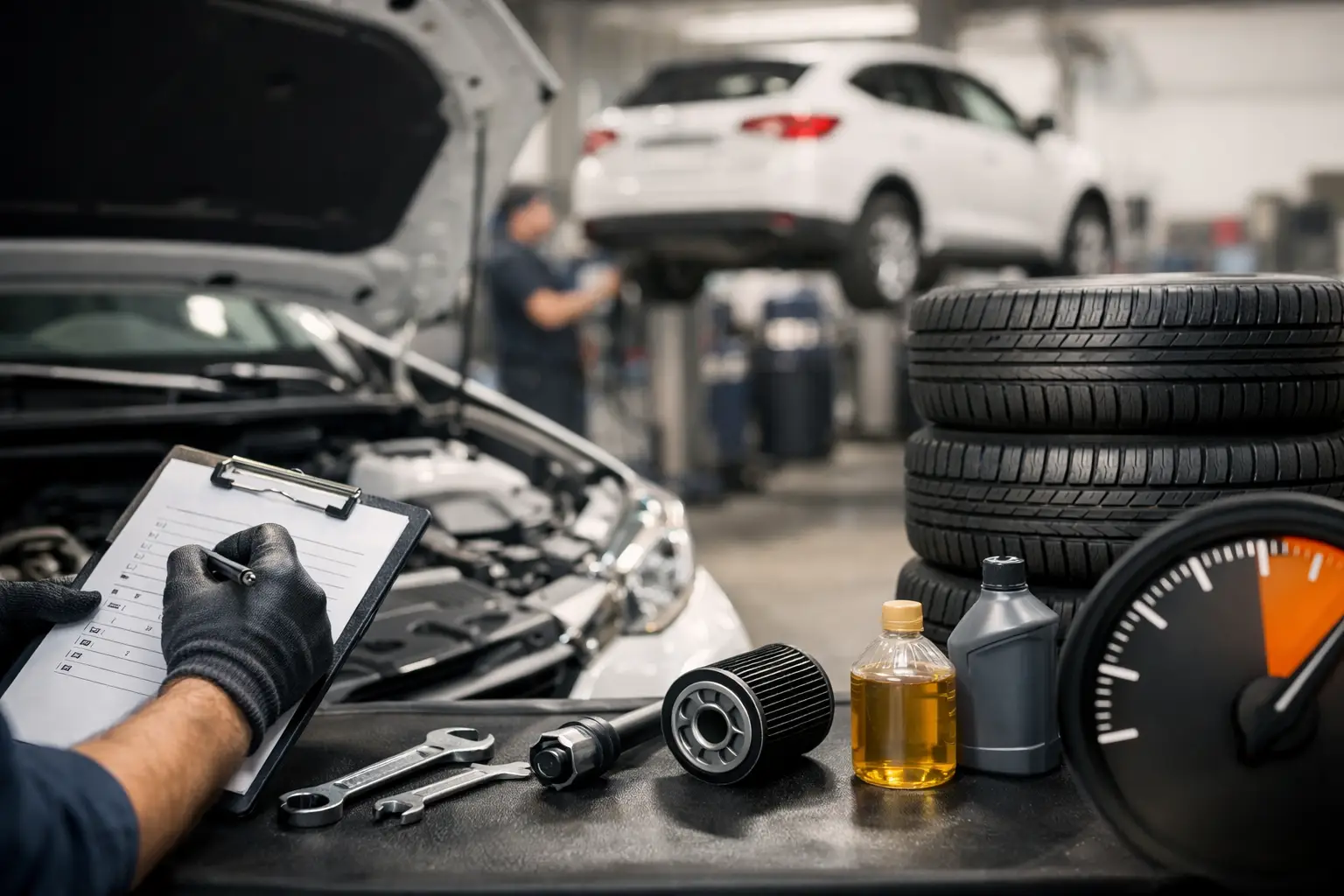
A missed oil change is annoying. A missed timing-belt replacement, ignored brake fluid, or overdue differential service can turn a good car into an expensive story. Service intervals by mileage give you a practical way to stay ahead of wear, protect the money in your build, and maintain a history that makes sense to the next owner.
For enthusiasts, mileage is more than a number on the cluster. It is context. It tells you when fluids have been through another track season, when tires have seen another summer of canyon runs, and when a newly installed part is due for its first inspection. The goal is not to service parts blindly. It is to know what your vehicle needs, when it needs it, and what has already been done.
Why Service Intervals by Mileage Matter
Mileage-based maintenance works because many vehicle components wear according to use. Engine oil breaks down through heat cycles and contamination. Tires lose tread. Brake pads and rotors wear every time you slow the car. Transmission, differential, and transfer case fluids take on heat and friction over thousands of miles.
Following the right interval can save money in two ways. First, it helps prevent avoidable repairs. Second, it gives you a clean service record instead of a collection of faded receipts and guesses. That record matters when you are troubleshooting, planning a build, or showing a buyer that the car was owned with care.
The key word is right. There is no universal schedule that fits every vehicle. A naturally aspirated commuter driven mostly on the highway has different needs than a turbocharged car that sees short trips, summer heat, autocross events, or added power. Start with the manufacturer maintenance schedule, then adjust for how you actually drive.
The Mileage Milestones Worth Tracking
Manufacturer schedules vary, but a few mileage checkpoints are useful for building a maintenance plan. Treat these as planning ranges, not replacements for your owner’s manual.
Every 3,000 to 10,000 Miles: Oil and Basic Checks
Oil changes are the service most owners track, and for good reason. Modern full-synthetic oil and many newer engines can often run 7,500 to 10,000 miles under normal conditions. Some performance engines, older vehicles, turbocharged applications, and cars driven hard may be better served by shorter intervals.
Oil life monitors are helpful, but they are not a complete ownership strategy. Log the oil type, viscosity, filter, mileage, date, and any observations such as metal in the drained oil or an unusual drop in oil level. If your car is modified, record the tune and relevant hardware too. A change in power, fueling, or operating temperature can change how conservative you should be.
At the same time, check tire pressure, fluid levels, leaks, lights, wiper condition, and visible brake wear. These quick inspections catch small issues before they become weekend-ruining problems.
Every 5,000 to 10,000 Miles: Tires and Brakes
Tire rotation is commonly recommended every 5,000 to 7,500 miles, although staggered setups and directional tires may limit or change your rotation options. Instead of forcing a rotation that does not suit the tire design, inspect tread depth across all four corners and watch for uneven wear.
Uneven wear is useful information. Inside-edge wear can point to aggressive alignment settings, worn suspension components, or excessive camber. Feathering can suggest toe issues. On a lowered or track-focused car, alignment checks may be more valuable than a standard rotation schedule.
Brake inspections belong here too. Track pad thickness, rotor condition, and brake feel. If you notice vibration, pulling, squeal that is new or persistent, or a soft pedal, inspect the system sooner. Mileage is a good reminder, but brake service should always respond to condition.
Every 15,000 to 30,000 Miles: Filters, Fluids, and Inspection Items
This is a common range for cabin air filters, engine air filters, and more detailed inspections. A cabin filter is inexpensive and easy to overlook until airflow drops or the HVAC system starts smelling stale. Engine air filters deserve a visual check rather than automatic replacement if your driving environment is clean.
Depending on the vehicle, this range may also include a brake inspection, suspension check, battery test, and a closer look at belts, hoses, and cooling-system components. If your vehicle sees dusty roads, frequent short trips, towing, or hard use, filters and fluids may need attention earlier.
For modified cars, inspect the parts you added. Check intercooler couplers, catch-can hoses, exhaust hardware, coilover adjustment collars, wheel spacers, and any custom wiring. The modification is not finished when it is installed. It becomes part of your maintenance schedule.
Every 30,000 to 60,000 Miles: Driveline and Major Fluid Service
Transmission fluid, differential fluid, transfer case fluid, coolant, and spark plugs often enter the conversation at these mileage points, but the correct interval varies widely. Some manufacturers call certain fluids “lifetime,” while enthusiasts who plan to keep a car long-term may choose preventative service based on heat, use, and fluid condition.
This is where driving style matters most. Frequent towing, track days, stop-and-go traffic, steep grades, high ambient temperatures, and added horsepower all increase stress on driveline fluids. A manual transmission used for spirited driving may benefit from more frequent fluid changes than one used on highway trips. A performance differential with limited-slip clutches may have its own fluid specification and service needs.
Do not assume every fluid is interchangeable. Record the exact product, capacity, and service date. That detail is valuable when diagnosing a shift issue, chasing differential noise, or proving a car was maintained correctly.
Every 60,000 to 120,000 Miles: Long-Term Reliability Items
At higher mileage, service planning becomes more vehicle-specific. Spark plugs may be due, especially on turbocharged engines where plug condition and gap can affect performance. Drive belts, coolant hoses, wheel bearings, suspension bushings, engine mounts, and fuel-system components deserve closer attention as age and mileage add up.
Timing belts require special attention because failure can cause major engine damage on interference engines. The interval may be based on mileage, time, or both. If you bought a used vehicle with no proof of timing-belt service, assume it needs verification before you trust the schedule.
Timing chains are not maintenance-free either. They usually do not have a fixed replacement interval, but oil quality, oil level, cold-start noise, and manufacturer guidance matter. Staying disciplined with oil service is often the best protection for chain-driven engines.
Mileage Is Only Half the Schedule
A car can age while sitting. Brake fluid absorbs moisture over time. Coolant loses its protective properties. Tires can develop age-related cracking long before the tread is gone. Batteries weaken, seals dry out, and fuel degrades.
That is why the best maintenance plan uses both mileage and time-based reminders. A collector car that drives 1,500 miles a year still needs annual inspections and periodic fluid service. A daily driver that racks up miles quickly may hit its oil, tire, and driveline intervals long before a calendar reminder appears.
Use the earlier of the two recommendations unless your manufacturer specifies otherwise. If brake fluid is due every three years or 30,000 miles, service it when either threshold comes first.
Build a Schedule Around Your Actual Car
Start with the factory maintenance guide for your exact year, engine, drivetrain, and transmission. Then create categories that reflect how you use the vehicle: routine service, tires and brakes, fluids, long-term items, and modifications.
A simple record should include the mileage, date, work completed, parts and fluids used, cost, shop or DIY notes, and receipt. Photos are useful for modifications, before-and-after repairs, and documenting part numbers. Over time, this becomes a real ownership history rather than a vague claim that the car was “well maintained.”
CarJourney makes that history easier to keep in one place, with mileage and date reminders alongside service logs, documents, costs, and build records. Whether you own one car or manage a garage, the benefit is the same: you can see what is due without hunting through notes, text messages, and old invoices.
When to Service Earlier Than the Manual Says
The manual assumes a range of normal use. Your car may not live in that range. Consider earlier intervals if it sees frequent short trips, extreme heat or cold, dusty conditions, towing, track days, repeated launches, heavy traffic, or performance modifications.
Earlier service is not automatically better. Changing quality oil far ahead of a reasonable interval can waste money and materials. Replacing parts without a maintenance or condition-based reason can do the same. The smart move is to shorten intervals when operating conditions justify it, and document why you made that choice.
A well-kept car does not need to be perfect or untouched. It needs an owner who knows its history. Log the next service while the mileage is fresh, save the receipt before it disappears, and give every mile a place in the record.