 carjourney
From the CarJourney journal
What a Service Reminder Schedule App Should Do
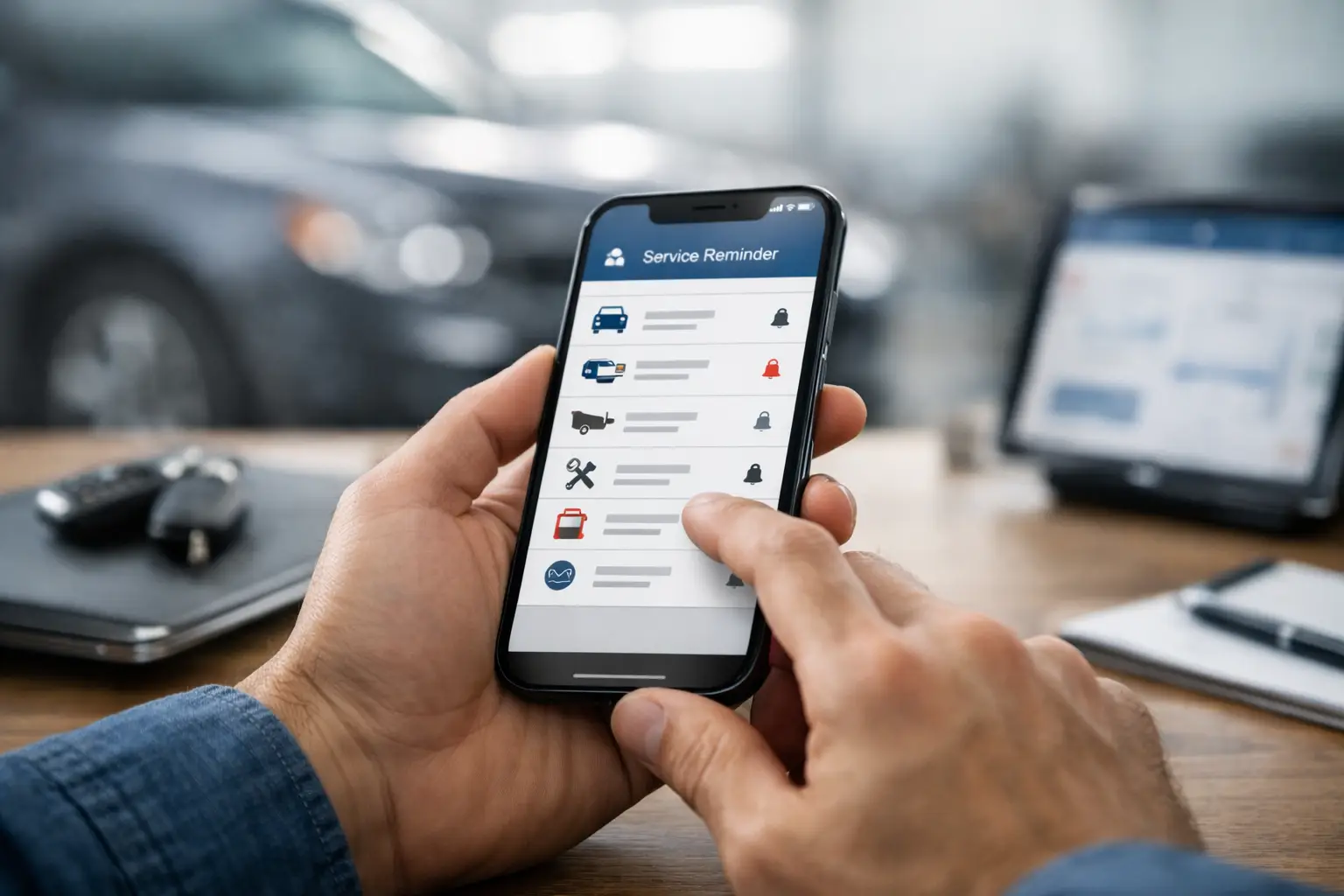
Miss one oil change on a daily driver and it is annoying. Miss a fluid service, brake inspection, or timing interval on a build you have poured real money into, and it gets expensive fast. That is why a service reminder schedule app matters more than most car owners realize - not just as a notification tool, but as the system that keeps your vehicle history organized, accurate, and easy to trust.
For enthusiasts, maintenance is never just maintenance. It is part of ownership, part of protecting resale value, and part of keeping a car ready for the next drive, event, or upgrade. A basic reminder app might tell you something is due next month. A better system helps you understand what was done, when it was done, what it cost, and what should happen next.
A service reminder schedule app is not just a calendar
A lot of apps treat vehicle care like a dentist appointment. Set a date, get a ping, move on. That works for simple time-based tasks, but cars do not live on time alone. They live on mileage, driving style, climate, storage conditions, and how the vehicle is actually used.
A proper service reminder schedule app should handle both time-based and mileage-based intervals. Oil changes, tire rotations, brake fluid, transmission service, spark plugs, filters, and inspections all follow different patterns. Some owners drive 3,000 miles in two months. Others take a year to do the same. If the app cannot adapt to that, reminders become background noise.
It should also let you set reminders based on your real-world ownership, not a generic schedule pulled from a broad database. Manufacturer intervals are a good starting point, but they are not always the final word. Modified cars, track-driven cars, tow rigs, classics, and project cars all need more context.
What actually makes an app useful
The difference between an app you keep using and one you abandon usually comes down to one thing: whether it saves work. If logging service feels like admin, most people stop after the first few entries. If it gives you a cleaner record and better control, it sticks.
The best service reminder schedule app should make it easy to log work the moment it happens. That includes the date, mileage, service type, parts used, labor notes, and total cost. If you replaced pads and rotors, changed fluid, and installed stainless lines at the same time, that should live in one clean record instead of scattered notes across your phone.
Storage matters too. Receipts, invoices, warranty info, and shop paperwork should sit next to the service entry they belong to. When records are split between email, glovebox papers, screenshots, and memory, details disappear. That becomes a problem later when you are troubleshooting, filing a warranty claim, or selling the car.
For many owners, this is where a dedicated platform earns its place. CarJourney, for example, is built around that full ownership picture - reminders, service logs, mod tracking, documents, and history - rather than acting like a single-purpose alarm clock.
Why enthusiasts need more than maintenance alerts
Enthusiast ownership has more moving parts than ordinary commuting. A modified car might need shorter oil intervals, more frequent inspections, and detailed notes around parts compatibility. A truck with suspension work and larger tires may have a very different maintenance rhythm than stock. A collector car may need preservation-focused reminders tied to time and storage conditions more than mileage.
That is why the app should understand the difference between service and upgrades, while still connecting both. If you install coilovers, wheels, a catch can, or a tune, those changes can affect future maintenance decisions. If the system separates mods from maintenance completely, your vehicle history loses context.
A strong record also helps when diagnosing issues. If you can quickly see when the last coolant flush happened, what brand of pads went on the car, or whether the alignment was done after suspension work, you make better decisions faster. This is especially helpful for owners who do some work themselves and outsource the rest.
The trade-off between simple and complete
There is always a balance here. Some owners want the fastest possible setup with minimal detail. Others want a full digital binder for every vehicle they own. A good app should support both, but you should be honest about what level of tracking you will maintain long term.
If the system is too bare, it will remind you about service but fail to preserve the story of the car. If it is too complicated, you may stop using it after the novelty wears off. The right middle ground is an app that feels quick on day one and still scales as your garage, service history, and parts list grow.
This matters even more for multi-vehicle households. Once you are tracking a daily driver, a spouse's SUV, a weekend car, and a project, spreadsheets start breaking down. One missed entry can throw off your schedule. One lost receipt can create questions later. Centralizing everything keeps each vehicle separate but easy to manage under one account.
Features worth looking for in a service reminder schedule app
A useful app should let you create reminders by mileage, date, or a mix of both. It should support common services but also custom entries, because not every owner has stock maintenance needs. If you cannot set your own intervals, the tool is likely too generic.
It should also keep a running service history that is easy to scan. You should be able to answer basic questions in seconds: What was the last major service? How much did I spend this year? When did I install that part? Did I already replace that gasket or am I remembering a different car?
Cross-device access matters more than it sounds. You may log something in the garage on your phone, review records at your desk, and pull up a receipt while standing at a parts counter. If the platform does not stay in sync, friction creeps in fast.
For serious owners, sharing matters too. A clean, organized history builds trust with buyers, shops, insurers, and even other enthusiasts following the build. If you ever sell, a documented service trail can support your asking price in a way verbal claims never will.
Why documented history protects value
People often think reminders are about avoiding breakdowns. They are, but they are also about proving care. A car with a documented record feels different from one with vague maintenance claims and a stack of random receipts.
Buyers want confidence. So do you. When every oil service, brake job, tire install, alignment, fluid flush, and major repair is logged in one place, the ownership story becomes clear. That is valuable on a modified vehicle especially, because buyers are already asking harder questions. Who installed the parts? When? At what mileage? What else was done at the same time?
A proper service record also helps you understand your own cost of ownership. Enthusiasts tend to remember big-ticket upgrades, but small recurring expenses add up. A good app gives you the truth, not your best guess. That helps with budgeting, future maintenance planning, and deciding whether to keep building or change direction.
The best app is the one you will still use next year
Plenty of tools sound good when you first download them. The test comes later, when life gets busy, a project stalls, or you buy another vehicle. A service reminder schedule app should reduce stress, not become another task you avoid.
Look for something that makes logging fast, keeps records clean, and treats your vehicle like more than a maintenance checkbox. The right system helps you stay ahead of service, protect what you have built, and keep a history you can actually trust.
That is the real value here. Not another notification. A better grip on your garage, your money, and the story of every car you care enough to keep right.