 carjourney
From the CarJourney journal
Why Digital Car Maintenance Records Matter
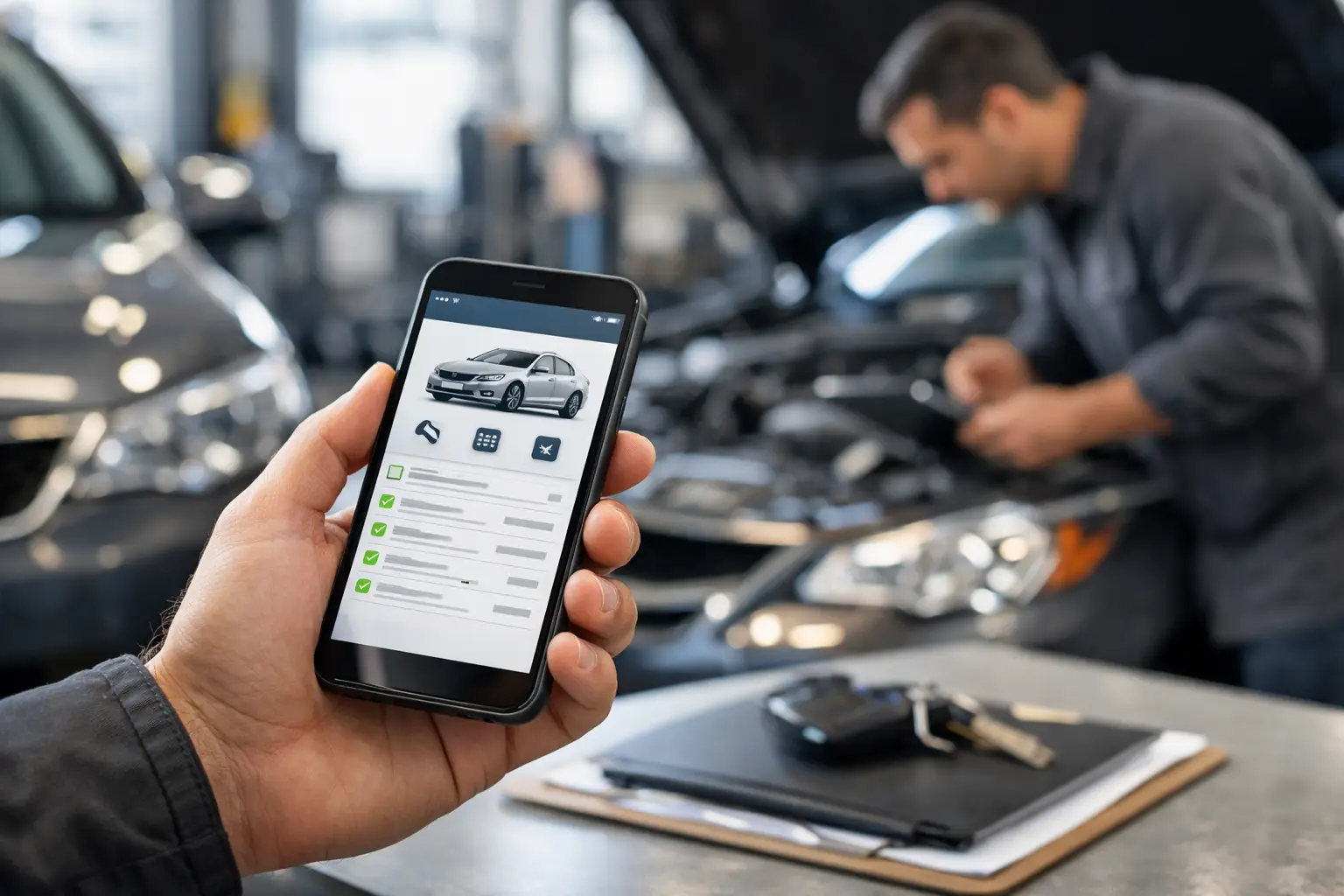
The problem usually shows up when you need proof, not when you need the oil changed. A buyer asks for service history. A warranty claim needs a receipt. You try to remember when the brakes were done, which pads you used, or whether that transmission service happened at 60,000 or 75,000 miles. That is where digital car maintenance records stop being a nice extra and start being one of the smartest tools an owner can have.
For enthusiasts, this matters even more. A car is rarely just transportation. It is a project, a long-term investment, a weekend obsession, or part of your identity. When maintenance records are scattered across gloveboxes, camera rolls, shop invoices, text messages, and memory, you lose control of the vehicle’s story. A digital system gives that history a home.
What digital car maintenance records actually do
At the most basic level, digital car maintenance records replace the folder full of receipts and the notes app full of half-finished reminders. But a good system does more than store dates and mileage. It creates a usable timeline of ownership.
That timeline should show routine services like oil changes, tire rotations, battery replacements, and brake work. It should also capture the details enthusiasts care about, including fluid types, torque specs, part brands, alignment settings, modification dates, and installation costs. Add photos, invoices, and warranty documents, and the record becomes much more than a checklist. It becomes evidence.
That evidence helps in three ways. First, it keeps you on schedule. Second, it protects the value of the car. Third, it makes your ownership history easier to trust, whether you are handing the keys to a buyer, a shop, or the next owner in your family.
Digital car maintenance records save money in ways people miss
Most owners think about maintenance tracking as a way to avoid missed service. That is true, but it is only part of the value.
Missed maintenance is expensive because it creates avoidable repairs. A forgotten coolant interval, delayed spark plugs, or neglected brake fluid service can turn a manageable job into a bigger one. A digital record with mileage and time-based reminders reduces that risk. You do not have to rely on memory, and you do not have to wonder whether the last service happened earlier this year or two summers ago.
The second savings comes from eliminating duplicate work. This happens more often than people admit. You buy a used car and cannot confirm what has been done. You switch shops and the new one has no history. You own multiple vehicles and mix up intervals between them. Without clean records, owners often pay for services early just to be safe. Sometimes that caution is worth it. Sometimes it is just wasted money.
The third savings is resale. Buyers say they want a clean car, but what really builds confidence is a clear history. A vehicle with documented service, modification notes, and receipts simply presents better. It answers questions faster. It feels cared for. That can mean a quicker sale, fewer negotiations, and stronger pricing.
Why paper records and spreadsheets break down
Paper still works, until it does not. Receipts fade. Invoices get lost during moves. The glovebox becomes a random archive where useful documents sit next to old insurance cards and registration renewals. If you ever need to search by mileage, part type, or date, paper turns simple questions into a scavenger hunt.
Spreadsheets are better, but they have limits too. They require discipline, and most people stop updating them when life gets busy. They also do not naturally handle photos, scanned invoices, warranty files, reminder logic, or multi-vehicle ownership very well. For an enthusiast tracking maintenance and modifications together, that matters.
A digital platform built for vehicle history solves the organization problem directly. It lets you log work when it happens, attach proof, and pull up records from your phone when someone asks. That sounds simple, and it is. Simple is the advantage.
Digital car maintenance records are even more valuable for modified cars
Modified vehicles create a different recordkeeping challenge. Once a car moves beyond stock, maintenance and build history start affecting each other.
A basic service log will tell you when the oil was changed. A better ownership record will also show whether the car was tuned, when the intercooler was installed, which suspension parts are on it, and what supporting maintenance was done around those upgrades. That context matters for reliability and for resale.
If you have ever tried to remember which injectors are in the car, what spring rates you chose, or when a clutch upgrade went in, you already know the issue. These details live in forum posts, receipts, screenshots, and old emails. Months later, the information is still technically available, but not in a way that helps.
This is where a platform like CarJourney fits naturally. The value is not just maintenance reminders. It is having one place to track service, modifications, photos, costs, and documents so your build history stays organized and shareable.
That shareable piece matters more than it used to. Buyers are skeptical for good reason. A clean, detailed digital history gives them something they can review instead of just promises. It helps your car stand out from listings full of vague claims and missing paperwork.
What to look for in a digital record system
Not every app or system deserves your trust. Some are fine for basic reminders but fall short once you need a complete ownership history.
The first thing to look for is structure. You should be able to log service by mileage, date, category, and cost. If the system cannot clearly separate maintenance, repairs, and modifications, your records will get messy fast.
The second is document storage. A digital log without receipts is better than nothing, but proof matters. You want invoices, warranty files, inspection reports, and photos attached directly to the vehicle’s timeline.
The third is reminders that match real ownership. Some tasks are mileage-based. Others are calendar-based. Some depend on the way you use the car. A weekend toy, tow rig, and daily driver do not live on the same schedule.
The fourth is multi-device access. If your records only live on one phone or one desktop, they are still fragile. Cloud access makes your history portable and easier to maintain over time.
Finally, think about the long game. If you plan to keep the car for years, add modifications, or eventually sell it to another enthusiast, your records should be easy to review and easy to present. Good recordkeeping is not just about ownership convenience. It is about preserving the car’s credibility.
It depends on how you use your car
There is no single perfect level of documentation. A commuter with one stock SUV may only need service dates, mileage, and receipts. A collector or builder may want a full timeline with every part number, fluid brand, labor cost, and before-and-after photo.
That is why flexibility matters. Overcomplicated systems can create friction, and friction kills consistency. At the same time, a bare-bones reminder app may not capture enough detail to be useful later. The right setup is the one you will actually keep updated.
If you are just getting started, begin with the essentials. Log the last major services, upload receipts you still have, and set upcoming reminders. Then build out the history as you go. You do not need a perfect backfill on day one to get real value from the system.
The real payoff is control
Most people do not feel the cost of bad records until they are under pressure. The check engine light comes on right after a recent repair. A buyer asks for proof of timing chain service. You need to verify whether the differential fluid was changed before a track weekend. In those moments, memory is not enough.
Digital car maintenance records give you control over information that tends to get lost. They help you make better service decisions, keep track of what you have invested, and build a vehicle history that stands up to scrutiny. For enthusiasts, that is not just practical. It is part of taking ownership seriously.
The best time to organize your car’s history is before you need to defend it. Start while the details are still easy to find, and your future self will thank you the next time someone asks, “Do you have records?”