 carjourney
From the CarJourney journal
How to Track Car Modifications Right
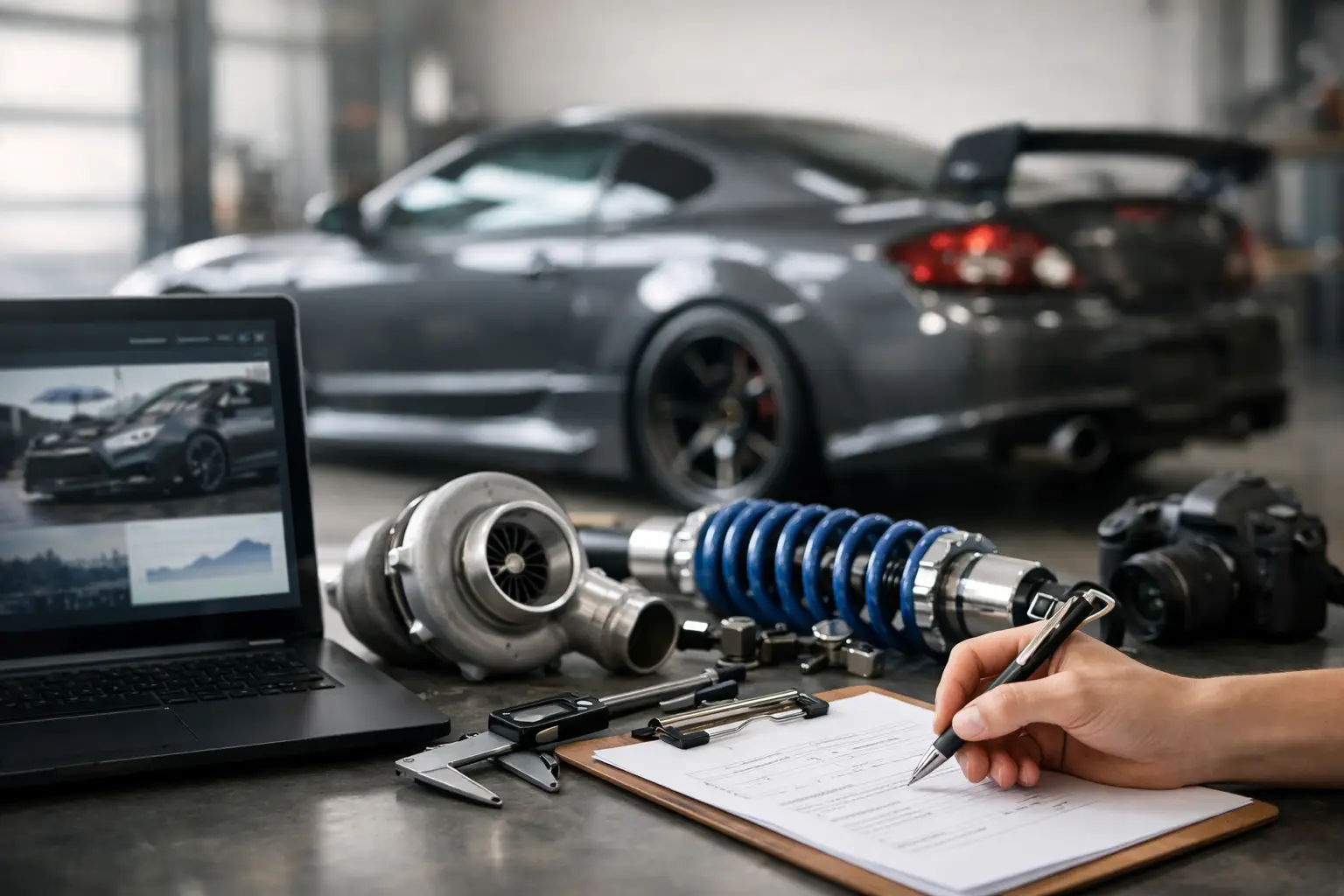
That intake install you swore you’d remember six months from now? You probably won’t. Neither will the exact part number on your coilovers, the tuner who revised your map, or whether that exhaust went on before or after your last emissions test. If you want to know how to track car modifications the right way, the goal is simple: build a record you can trust later, not just a pile of notes you hope makes sense.
For enthusiasts, modification tracking is not busywork. It protects your investment, keeps maintenance decisions accurate, and gives you a clean history to share when someone asks what’s actually done to the car. Whether you are building a weekend project, daily driving a lightly modified truck, or managing a few vehicles at once, a solid system saves money and cuts guesswork.
Why tracking mods matters more than most owners think
A mod list sounds simple until the car has been through two years of changes. Then the details start slipping. You remember the brand, but not the model. You remember the install date, but not the mileage. You know you spent a lot, but not how much. That gets expensive fast.
Good records help in three ways. First, they improve maintenance decisions. If your suspension, brakes, wheels, tune, or fueling setup changed, your service schedule may have changed too. Second, they protect resale value. Buyers trust documentation far more than verbal claims. Third, they help you make smarter build choices because you can see what you already did, what it cost, and what still needs attention.
There is also a practical side that many people miss. Mods rarely live alone. A wheel and tire change affects alignment history. A tune affects spark plug intervals. Lowering springs can change tire wear patterns. Once the car stops being stock, your records need to connect those dots.
How to track car modifications without making it a chore
The best tracking system is the one you will actually keep up with. That usually means going digital, keeping it simple, and logging each change as soon as it happens.
A notebook can work for a while, and spreadsheets are better than nothing, but both tend to break down once photos, receipts, warranty info, mileage, and service history all need to live together. Paper gets lost. Spreadsheets get messy. Notes apps turn into a search problem.
A better setup is one central record for each vehicle, with every mod tied to the date, mileage, cost, and supporting documents. That way, when you need to answer a question later, you are not hunting across your camera roll, email inbox, and glove box.
Start with the core details every mod entry needs
Every modification should have a few basic fields. The part name matters, but it is not enough on its own. Record the brand, specific model, install date, odometer reading, total cost, and who installed it. If the work was done by a shop, save the invoice. If you installed it yourself, note any extra hardware, fluids, or tuning required.
Photos matter more than people think. Take one before, one during if relevant, and one after. Not because every mod needs a glamour shot, but because photos help verify condition, install quality, and the exact version of the part. They are also useful later when comparing wear, routing, fitment, or finish.
If a part has a serial number, warranty card, or CARB compliance document, save that too. This is especially helpful for wheels, electronics, forced induction parts, exhaust systems, and anything emissions-related.
Organize mods by system, not just by date
A timeline is helpful, but system-based organization is what makes the record usable. Group modifications under categories like suspension, wheels and tires, engine, exhaust, exterior, interior, audio, brakes, and tuning.
This makes troubleshooting easier. If you are chasing a drivability issue, you can quickly review engine and tune changes. If you are diagnosing uneven tire wear, your wheel, tire, and suspension history is all in one place. Dates still matter, but categories make the history practical.
Track the real cost, not just the part price
A lot of build budgets go sideways because owners only log the headline number. The intake was $350, sure, but the install kit, shipping, tax, dyno time, alignment, and supporting parts pushed it much higher.
If you want accurate ownership records, log the total cost of each change. That includes labor, add-ons, fluids, tuning, fabrication, and follow-up work. This gives you a real picture of what is in the car. It also helps when deciding whether the next upgrade is worth it or whether the money should go toward maintenance first.
The details that separate a usable build record from a weak one
A weak mod log says, “Coilovers installed in spring.” A strong one says, “Fortune Auto 500 coilovers installed at 68,412 miles on March 14, aligned same week, front ride height adjusted 0.25 inches on April 2, warranty and setup sheet saved.”
That level of detail may sound excessive at first. It is not. It becomes valuable the first time you need to diagnose a noise, file a warranty claim, verify setup changes, or explain the build to a buyer.
You should also note whether a mod replaced a factory part proactively or after failure. That context matters. A buyer reads “upgraded radiator” differently if it was preventative versus installed after an overheating issue.
Another smart move is to track removed parts. If you kept the original suspension, airbox, or exhaust, log that. OEM take-off parts can add value later, especially for resale or emissions compliance.
How to track car modifications alongside maintenance
This is where most systems fall apart. Owners track mods in one place and maintenance in another, even though the two constantly affect each other.
If your car is tuned, boosted, lowered, or running aggressive wheels and tires, maintenance should not be treated like a separate story. Modified cars often need adjusted service intervals, different consumables, and more frequent inspections. If you are serious about ownership, your mod history and maintenance history need to live together.
For example, if you install bigger brakes, log the pad and rotor type so future replacements match. If you add a tune, track spark plug changes and fuel requirements with it. If you switch wheel specs, note the alignment and tire rotation schedule that followed. When those records connect, you avoid bad assumptions and missed service.
This is one reason many enthusiasts move away from generic reminder apps. They remind you to change oil, but they do not really understand the car’s actual setup. A platform built for real ownership records gives you more control over the full history.
Common mistakes that make mod tracking useless later
The biggest mistake is waiting too long to log something. Details fade quickly, especially when several changes happen close together. Enter the record the same day if you can. If not, save the receipt and create a placeholder note immediately.
The second mistake is tracking only major upgrades. Small changes matter too. Battery replacements, shift knobs, catch cans, tire spacers, coding changes, and head unit swaps can all affect future maintenance, troubleshooting, or resale conversations.
The third mistake is relying only on memory for costs. Most owners underestimate what they spent once labor and supporting parts are factored in. That is normal, but it makes the record less trustworthy.
The last mistake is not building a shareable history. Even if you never plan to sell, life changes. When that day comes, a documented build feels more credible, more cared for, and easier to value.
What a good tracking workflow looks like
A practical workflow is simple. Add the vehicle, create categories for the major systems, and log each modification with date, mileage, cost, photos, and receipts. Then connect any follow-up maintenance or setup changes to that entry.
If you buy parts before installing them, you can log them as planned or pending so the purchase is not forgotten. Once installed, update the entry with mileage, labor, and final photos. This helps if you stockpile parts or manage multiple vehicles at once.
For owners who want one home base for all of this, CarJourney fits naturally because it combines modification logging, service records, documents, reminders, and build sharing in one place. That matters when your goal is not just remembering what you changed, but preserving a history you can actually use.
Build records are about trust as much as organization
A well-documented car tells a better story. Not a fake sales pitch, just a clear record of ownership. It shows the car was maintained with intention, not modified at random and forgotten.
That trust matters to you while you own the vehicle. It matters to shops working on it. It matters to future buyers. And it matters when you are trying to decide what comes next in the build without repeating work or missing the basics.
The best time to start tracking is before the next part shows up at your door. The second-best time is right after you finish reading this. Your future self, your mechanic, and any serious buyer will all be glad you kept the history straight.