 carjourney
From the CarJourney journal
Car Maintenance by Mileage: Complete 2026 Guide
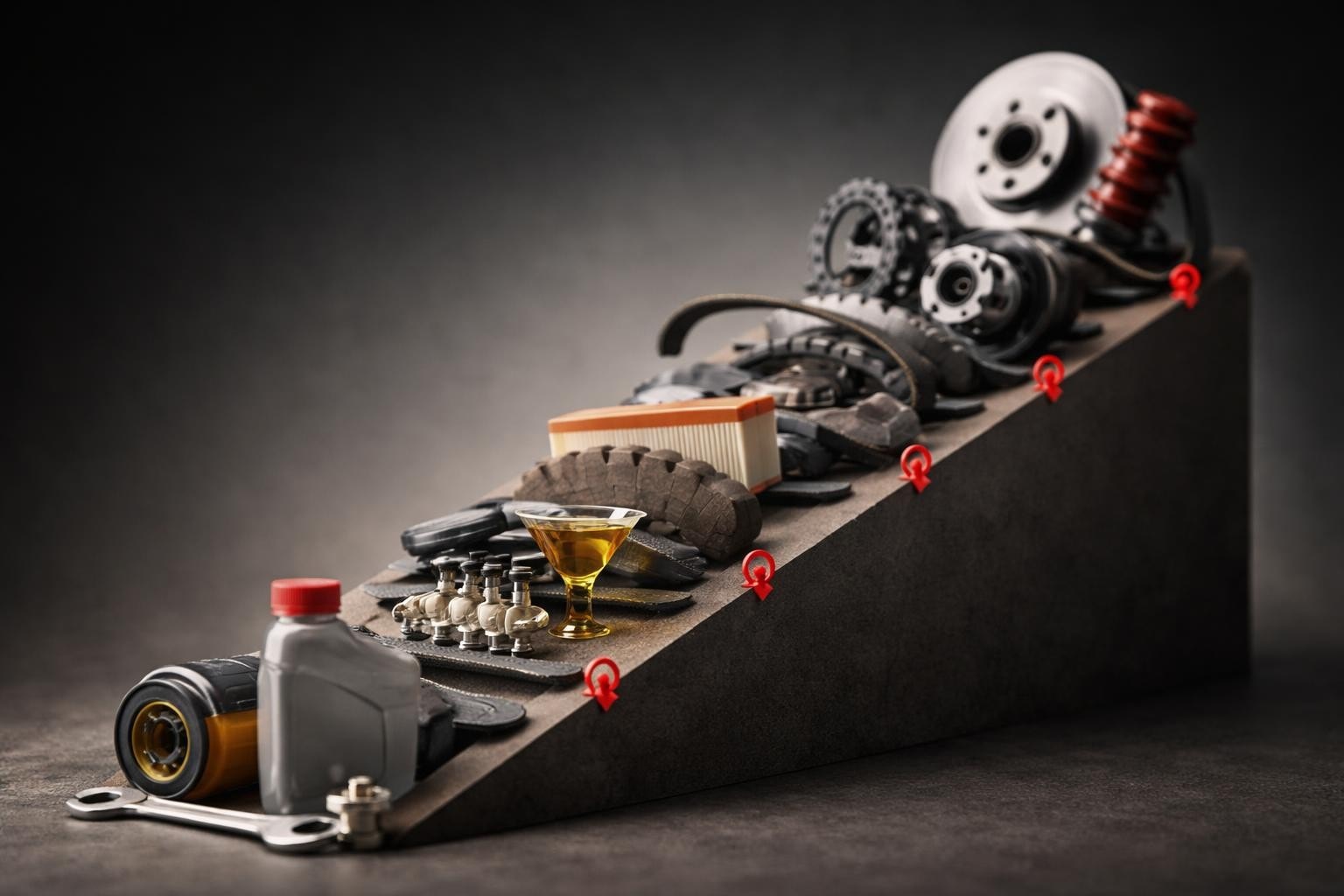
Understanding car maintenance by mileage is essential for keeping your vehicle running smoothly and avoiding costly repairs down the road. Every vehicle has specific service requirements based on how many miles you've driven, and following these guidelines ensures optimal performance, safety, and longevity. Whether you're driving a daily commuter or a modified performance vehicle, tracking maintenance by mileage helps you stay ahead of potential issues and maintain your car's value over time.
Why Mileage-Based Maintenance Matters
Your vehicle's components wear down based on use, not just time. While calendar-based maintenance has its place, mileage-based maintenance provides a more accurate picture of when parts need attention.
Engine components, transmission fluids, and brake systems all degrade based on the stress and friction they experience during operation. A car driven 20,000 miles in a year experiences significantly more wear than one driven 5,000 miles, even if they're the same age.
Following a car maintenance schedule prevents minor issues from becoming major problems. Neglecting scheduled services can void warranties, reduce fuel efficiency, and lead to breakdowns that cost thousands to repair.
Modern vehicles come with manufacturer-recommended service intervals detailed in the owner's manual. These recommendations are based on extensive testing and engineering data specific to your vehicle's make and model.
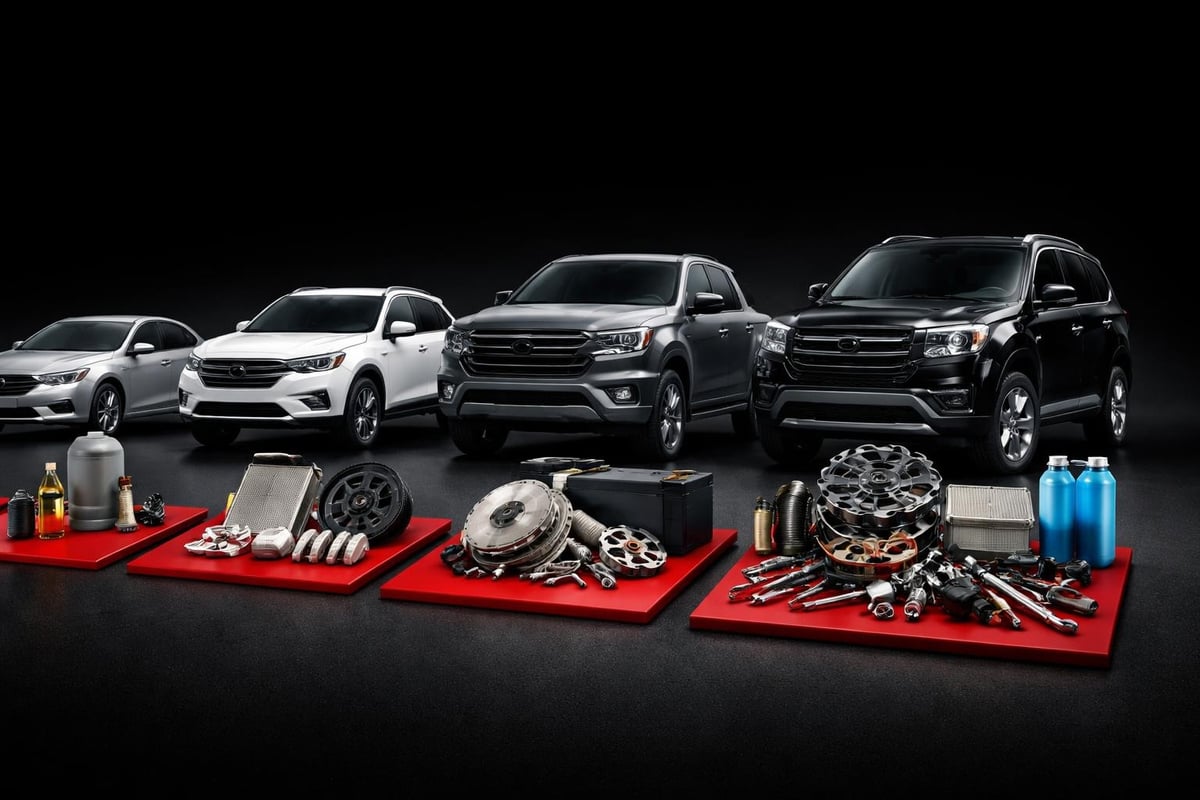
Early Mileage Maintenance: 3,000 to 15,000 Miles
The First Oil Change
Your first oil change typically occurs between 3,000 and 7,500 miles, depending on whether you use conventional or synthetic oil. Modern synthetic oils often allow for extended intervals, but always consult your owner's manual.
During this first service, technicians should also:
- Inspect fluid levels (coolant, brake fluid, power steering)
- Check tire pressure and tread depth
- Examine belts and hoses for early wear
- Review filter conditions
10,000 to 15,000 Mile Services
At this interval, your vehicle needs more comprehensive attention. Tire rotation becomes critical to ensure even wear patterns and maximize tire lifespan. Uneven wear can affect handling and safety, particularly in performance vehicles.
Cabin air filters typically need replacement around 12,000 to 15,000 miles. These filters protect you from dust, pollen, and pollutants, and a clogged filter reduces HVAC efficiency.
| Service Item | Typical Interval | Why It Matters |
|---|---|---|
| Oil Change | 3,000-7,500 miles | Engine lubrication and cooling |
| Tire Rotation | 5,000-10,000 miles | Even wear, extended tire life |
| Cabin Air Filter | 12,000-15,000 miles | Air quality and HVAC efficiency |
| Multi-point Inspection | Every service | Early problem detection |
Mid-Range Maintenance: 20,000 to 50,000 Miles
This mileage range represents the transition from basic preventive maintenance to more involved services. Your car maintenance by mileage schedule becomes more detailed as components approach their service life.
30,000 Mile Major Service
The 30,000-mile mark is a significant milestone. According to a comprehensive car maintenance schedule, this interval typically includes:
- Air filter replacement
- Fuel filter inspection or replacement
- Transmission fluid check
- Brake pad inspection
- Coolant system inspection
- Battery testing
Spark plugs may need replacement depending on your engine type. Traditional copper plugs last around 30,000 miles, while platinum or iridium plugs can last 60,000 to 100,000 miles.
40,000 to 50,000 Mile Services
Brake components require closer attention at this interval. Brake pads typically last 30,000 to 70,000 miles depending on driving habits and conditions. Performance vehicles with larger brake systems may need more frequent attention.
Tire replacement often becomes necessary around 40,000 to 50,000 miles, though this varies widely based on tire quality, driving style, and road conditions. Maintaining proper vehicle logs helps you track tire wear patterns and predict replacement timing.
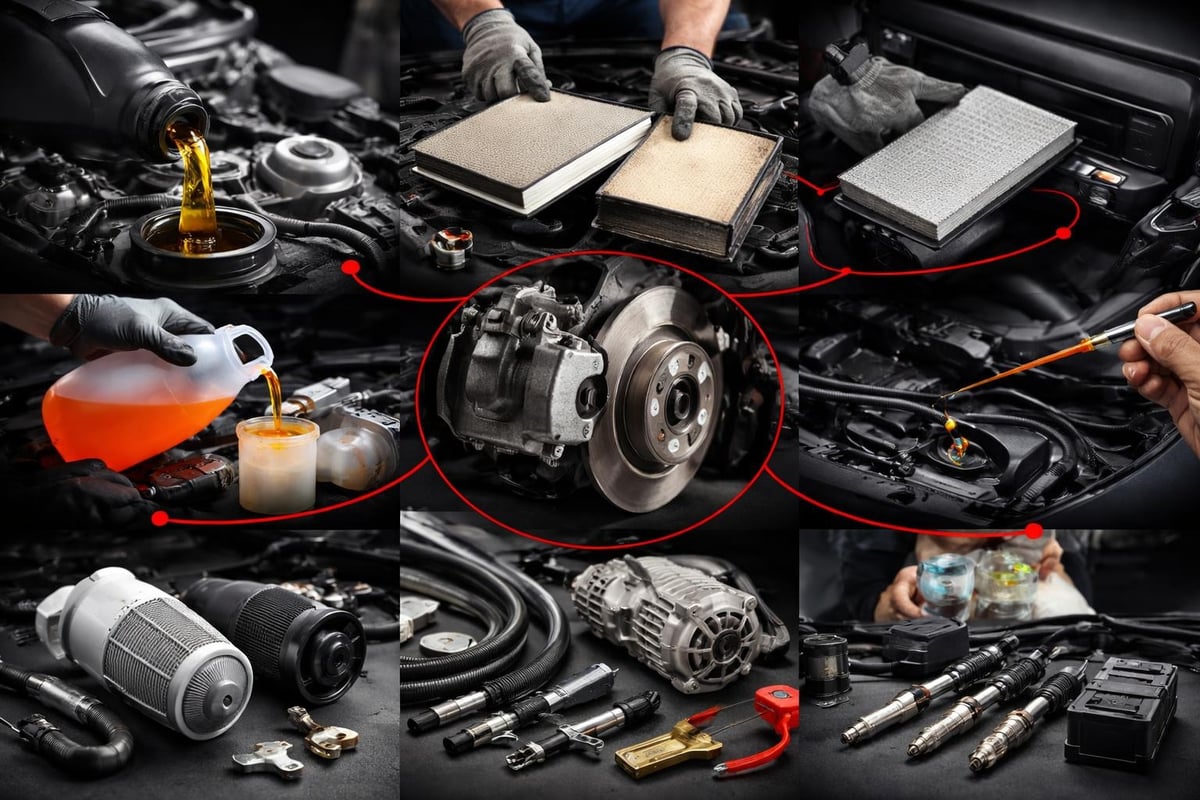
Major Service Intervals: 60,000 to 100,000 Miles
The Critical 60,000 Mile Service
This represents one of the most comprehensive service intervals in your car maintenance by mileage schedule. Major components that have been operating since new now require replacement or extensive inspection.
Timing belt replacement is crucial for many vehicles at 60,000 to 100,000 miles. A failed timing belt can cause catastrophic engine damage, particularly in interference engines. Always check your manufacturer's recommendations for your specific engine.
Services typically include:
- Complete transmission fluid and filter change
- Differential fluid replacement (if applicable)
- Coolant system flush and refill
- Serpentine belt replacement
- Spark plug replacement (if not done earlier)
- Brake fluid flush
- Power steering fluid exchange
75,000 to 90,000 Mile Maintenance
Suspension components begin showing wear around this mileage. Shock absorbers and struts gradually lose effectiveness, affecting ride quality and handling. Signs include excessive bouncing, nose-diving during braking, or uneven tire wear.
Water pump replacement often coincides with timing belt service, as these components share location and labor requirements. Replacing both simultaneously saves money and prevents future failures.
The Travelers car maintenance checklist emphasizes inspecting all rubber components at these intervals, as age and heat cycles cause deterioration.
| Major Service | Mileage Range | Estimated Cost Range |
|---|---|---|
| Timing Belt | 60,000-100,000 | $500-$1,000 |
| Transmission Service | 60,000-90,000 | $150-$350 |
| Coolant Flush | 60,000-100,000 | $100-$200 |
| Major Tune-Up | 60,000-100,000 | $300-$800 |
High-Mileage Maintenance: Beyond 100,000 Miles
Reaching 100,000 miles is a significant achievement, and with proper car maintenance by mileage, many vehicles easily exceed 200,000 miles. High-mileage maintenance focuses on preservation and monitoring.
100,000 to 120,000 Mile Services
Beyond basic maintenance, focus shifts to component replacement before failure. This includes:
- Alternator and starter inspection
- Fuel injector cleaning or replacement
- Throttle body cleaning
- PCV valve replacement
- Engine mounts inspection
- Exhaust system evaluation
Preventive replacement becomes more cost-effective than reactive repairs. A car maintenance plan helps budget for these higher-cost items before they fail.
150,000 Miles and Beyond
At this stage, your vehicle requires more frequent inspections and monitoring. Oil analysis can reveal engine wear patterns and predict potential failures. Tracking these details becomes crucial for modified or performance vehicles where component stress exceeds factory specifications.
For car enthusiasts managing modified vehicles, comprehensive tracking helps correlate modifications with maintenance needs. CarJourney Pro provides unlimited vehicle tracking with AI-powered features that help identify patterns in your maintenance history. CarJourney Pro - Yearly offers a complete platform for managing multiple vehicles, tracking modifications, and maintaining detailed service logs that prove invaluable at high mileages.

Adjusting Maintenance for Driving Conditions
Standard car maintenance by mileage schedules assume normal driving conditions. Severe service conditions require more frequent maintenance regardless of mileage intervals.
Severe service includes:
- Frequent short trips (under 10 miles)
- Extreme temperatures (hot or cold)
- Dusty or dirty environments
- Towing or hauling heavy loads
- Performance driving or track use
- Stop-and-go traffic
According to scheduling car maintenance by mileage guidelines, severe service can reduce intervals by 30-50%. An oil change normally due at 7,500 miles might need completion at 5,000 miles under severe conditions.
Performance and Modified Vehicles
Modified vehicles require adjusted maintenance schedules. Performance upgrades increase stress on supporting systems. A turbocharged engine needs more frequent oil changes, while upgraded brakes require specific fluid types and more frequent bleeding.
Track your modifications and correlate them with maintenance needs using a dedicated auto maintenance tracker designed for enthusiast vehicles.
Creating Your Personal Maintenance Schedule
Understanding general guidelines is important, but creating a personalized schedule ensures nothing gets overlooked. Start with your manufacturer's recommendations, then adjust for your specific circumstances.
Documentation and Tracking
Maintaining detailed records serves multiple purposes:
- Validates warranty claims
- Increases resale value
- Identifies recurring issues
- Helps budget for future expenses
- Tracks modification effects
Digital maintenance receipts are more reliable than paper records. They're searchable, backed up, and easily shareable with mechanics or potential buyers.
Building Your Schedule
- Review your owner's manual for manufacturer recommendations
- Assess your driving conditions to determine if severe service applies
- List all required services with their recommended intervals
- Set reminders for upcoming maintenance
- Track completed work with dates, mileage, and service details
- Monitor costs to budget for future maintenance
Understanding yearly car maintenance costs helps you prepare financially for both routine services and unexpected repairs.
Common Mileage-Based Maintenance Mistakes
Even with the best intentions, car owners make preventable mistakes when following car maintenance by mileage schedules.
Extending intervals beyond recommendations is the most common error. Using high-quality synthetic oil doesn't necessarily mean you can double the interval. Filters still clog, additives deplete, and contaminants accumulate.
Skipping inspections to save money often costs more long-term. A comprehensive car maintenance checklist helps ensure nothing gets overlooked during routine services.
Using incorrect fluids can cause serious damage. Modern transmissions, differentials, and engines require specific fluid formulations. Always use manufacturer-specified products, particularly in newer vehicles with complex systems.
Record-Keeping Failures
Poor documentation leads to missed services, duplicate work, and difficulty proving maintenance for warranty claims or resale. Paper records get lost, and memory is unreliable.
A centralized system for tracking all vehicle maintenance ensures nothing falls through the cracks. For enthusiasts managing multiple vehicles or tracking extensive modifications, having all information in one place becomes essential.
Seasonal Maintenance Considerations
While car maintenance by mileage provides the foundation for vehicle care, seasonal factors also affect maintenance timing and priorities.
Winter preparation includes battery testing, coolant freeze point verification, and tire changes in snowy climates. Even if mileage doesn't indicate service is due, winter conditions demand extra attention.
Summer heat stresses cooling systems, air conditioning, and batteries. Inspect these systems before peak temperatures arrive, regardless of your mileage-based schedule.
Alignment with Mileage Services
Coordinate seasonal preparations with scheduled mileage services when possible. If your 30,000-mile service occurs in October, that's the perfect time for winter preparation. This reduces shop visits and labor costs.
Technology and Modern Maintenance Tracking
Modern vehicles include maintenance reminder systems that track mileage and operating conditions. These systems provide alerts when service is due, but they're not perfect.
Oil life monitors use algorithms considering engine temperature, RPM, and operating time. While helpful, they don't replace checking your owner's manual for manufacturer recommendations.
Some services aren't tracked by vehicle systems. Cabin air filters, transmission services, and coolant changes often need manual tracking. A dedicated platform provides comprehensive oversight beyond what your vehicle's computer offers.
For detailed guidance on how often should you service your car, consider both manufacturer recommendations and your specific usage patterns.
Budgeting for Mileage-Based Maintenance
Understanding upcoming maintenance costs helps you budget effectively. A comprehensive maintenance checklist combined with cost estimates allows accurate financial planning.
Average annual maintenance costs increase with vehicle age and mileage. A new car might cost $500-$1,000 yearly, while a vehicle with 100,000+ miles could require $1,500-$3,000 or more.
Major services create spikes in spending. The 60,000-mile service might cost $1,000-$2,000, while routine oil changes run $50-$100. Planning for these variations prevents financial surprises.
Setting aside a monthly maintenance fund helps smooth these costs. Calculate your expected annual maintenance based on mileage and divide by twelve. When major services arrive, you'll have funds available.
Following a structured car maintenance by mileage schedule protects your investment, ensures reliability, and prevents costly breakdowns. By understanding what your vehicle needs at each interval and adjusting for your specific driving conditions, you'll maximize both performance and longevity. CarJourney provides the tools you need to track every service, monitor your maintenance history, and never miss a critical interval, whether you're managing a daily driver or building a modified performance machine.