 carjourney
From the CarJourney journal
Best Car Maintenance Reminder App Features
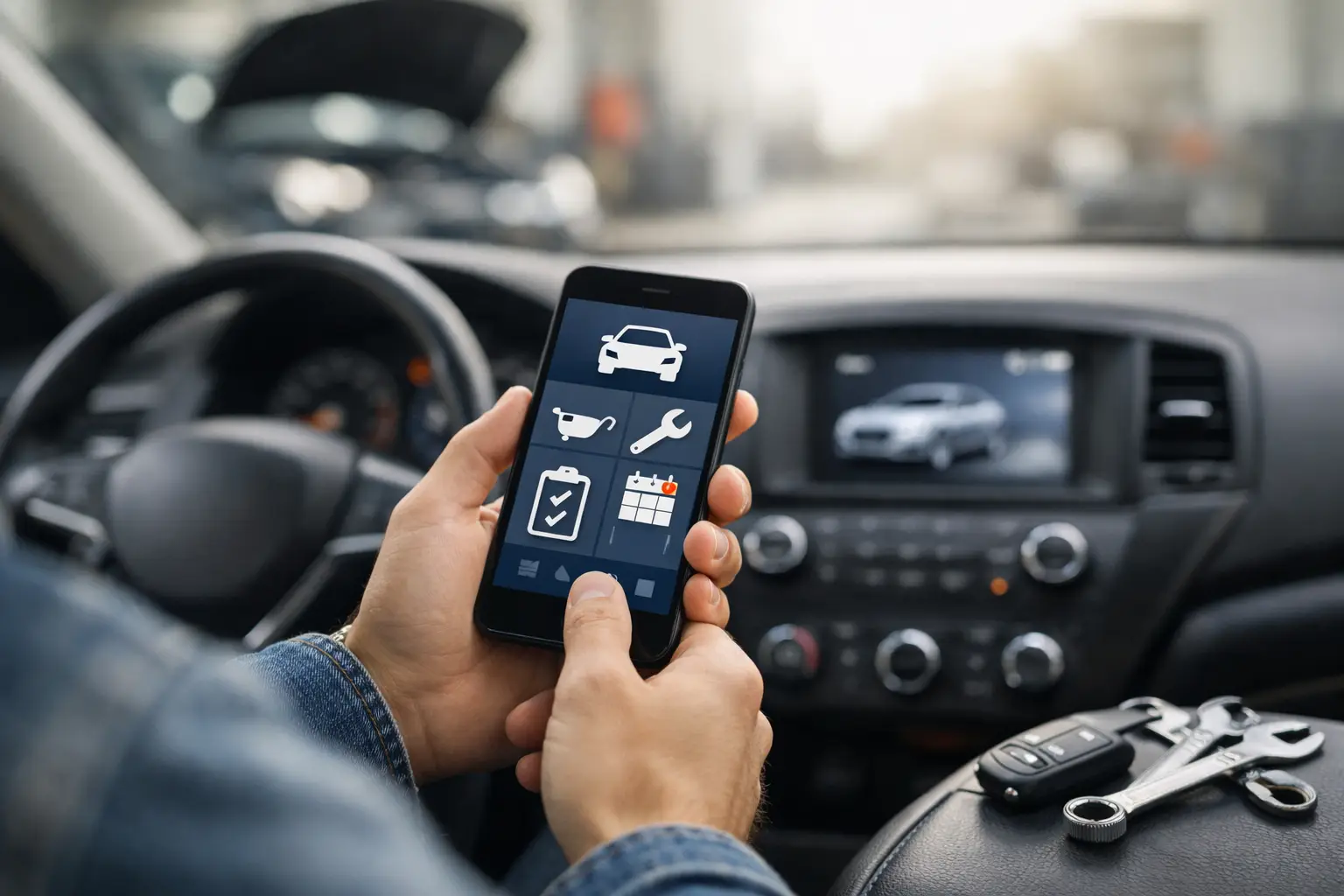
Miss one oil change on a daily driver and it is annoying. Miss a timing service on a project car you have years and thousands invested into, and it gets expensive fast. That is why a car maintenance reminder app matters more than most owners realize - not just as a notification tool, but as the system that keeps your vehicle history organized, your maintenance on schedule, and your ownership record ready when it counts.
For a lot of car owners, reminders start as sticky notes, phone alarms, glovebox receipts, or a spreadsheet that looked fine until the second vehicle showed up. That approach works for a while. Then life gets busy, mileage climbs faster than expected, parts get swapped, and suddenly the answer to a basic question like “When did I last do brake fluid?” is buried somewhere between old invoices and text messages from your mechanic.
What a car maintenance reminder app should actually do
A good app should do more than ping you every few months. The real job is giving you control over your vehicle history. That means tracking maintenance by time, mileage, or both, while also storing what was done, when it was done, how much it cost, and what parts were used.
That difference matters. If your app only says “oil change due,” it is helpful, but limited. If it also shows the last service date, odometer reading, oil type, filter used, shop or DIY notes, and receipt image, you are building a record that saves time later and builds trust if you ever sell the car.
For enthusiasts, the bar is even higher. Your maintenance does not exist in a vacuum. Coilovers, wheels, tunes, brake kits, bigger injectors, or track use all change how and when you service a car. A basic reminder app may keep up with commuter maintenance, but it often falls short when your ownership includes modifications, custom intervals, and multiple vehicles with very different needs.
Why basic reminders are not enough for serious owners
The biggest mistake people make is treating maintenance like a calendar event instead of a living history. Cars are not all driven the same way. One truck may rack up highway miles. Another car may sit for weeks and then see a hard canyon run, autocross, or track day. Those two vehicles need different service logic, even if they share a garage.
That is where a better car maintenance reminder app earns its keep. You want reminders based on mileage, time, and usage patterns. You also want the flexibility to log work that does not fit a factory schedule exactly. Modified cars especially need that freedom because once you change the setup, the stock service rhythm may no longer tell the full story.
There is also the money side. Maintenance records are not just for prevention. They help you understand what ownership really costs. Once every repair, fluid service, tire purchase, and upgrade is logged in one place, you stop guessing. You can see whether a car is staying reliable, whether a build is getting expensive, and whether you are protecting the value you think you are.
The features that make the difference
The best apps tend to share a few traits. First, they let you create reminders by mileage and by date, because real-world maintenance rarely follows only one clock. A low-mileage weekend car still needs fluid attention over time, while a daily driver may hit mileage intervals long before a calendar reminder feels relevant.
Second, they store records cleanly. That includes service type, odometer, date, cost, notes, and photos or documents. Receipts matter more than people think. The day you need to verify warranty coverage, prove a service was completed, or reassure a buyer, having documentation attached to the record is far better than saying you know it happened somewhere around last spring.
Third, they support multiple vehicles without turning your garage into a mess. Enthusiasts rarely stop at one car forever. If you have a daily, a tow rig, and a project, your system needs to keep all three organized without making it hard to switch between them.
Fourth, a strong app recognizes that modifications are part of vehicle history. Logging a cat-back or intake is nice. Logging a turbo upgrade, suspension overhaul, wheel fitment change, or brake conversion with cost, install date, and photos is much more valuable. It gives you a complete picture of the car, not just the maintenance side.
Car maintenance reminder app vs spreadsheet
Spreadsheets are popular because they are flexible and cheap. If you are disciplined, they can absolutely work. The problem is that they rely on you to do all the structure, all the updating, and all the reminder logic yourself.
That is fine for a while. Then the downside shows up. Mobile entry is clumsy, receipts live somewhere else, photos are disconnected, and reminders usually depend on manual setup. A spreadsheet can track history, but it does not naturally behave like a living garage. It behaves like a file.
A purpose-built app is better when you want speed and consistency. You log service at the moment it happens. You keep documents with the record. You get reminders without rebuilding formulas. And if the platform is built for enthusiasts, your maintenance history sits alongside your build history instead of in a separate system.
That last part matters more than it sounds. Buyers, shops, and even your future self do not think about the car in categories. They want the full story. When maintenance, repairs, and mods all live together, the history makes sense.
What to look for if you own a modified or project car
A stock commuter and a modified enthusiast car have different documentation needs. On a project or build, maintenance is often tied directly to upgrades. Install a new clutch, and you may want to track break-in mileage. Add coilovers, and now alignment records matter more. Run a tuned turbo car, and you probably care about shorter fluid intervals than the factory schedule suggests.
So the right app should let you customize reminders, not force you into a generic template. It should also make it easy to attach photos, parts details, costs, and install notes. That helps if you troubleshoot later, and it helps even more when someone asks what is actually on the car.
Sharing can be useful here too. A clean build and service history is not only personal organization. It is presentation. If you ever list the vehicle for sale, trade it, or simply want a documented record of the work, a structured timeline makes the car easier to understand and easier to trust.
That is one reason platforms like CarJourney stand out for enthusiast owners. They do the practical work of reminders and records, but they also treat the vehicle like a build with history, not just a machine with due dates.
The trade-offs depend on how you use your vehicles
Not every owner needs the same level of detail. If you lease one daily driver and just want oil change reminders, almost any simple tool can get the job done. You may not need modification tracking, detailed document storage, or a shareable profile.
But if you own older vehicles, maintain cars yourself, rotate between multiple vehicles, or care about resale proof, more depth is worth it. The time spent logging work pays back later in fewer missed services, cleaner records, and less confusion about what has already been done.
There is also the question of effort. Any system is only useful if you actually use it. The best app is not the one with the longest feature list. It is the one that makes logging quick enough that you keep your history current. If adding a receipt, mileage, and note takes seconds, you will do it. If it feels like data entry homework, you probably will not.
A smart system protects more than the car
People usually think maintenance tracking is about avoiding repairs, and that is true. But it also protects your time, your budget, and your confidence as an owner. You stop second-guessing service intervals. You stop losing records. You stop wondering whether the money you are putting into the car is being documented in a way that adds value later.
That is the bigger role of a car maintenance reminder app. It turns scattered ownership into a clear record. For a commuter, that means fewer missed services. For an enthusiast, it means your garage finally has a home base that reflects the way you actually own cars.
If you care enough to keep a vehicle right, it is worth keeping its story right too.