 carjourney
From the CarJourney journal
Vehicle Maintenance Sheets: Your Complete Guide
Keeping your car in top condition requires more than just regular trips to the mechanic. Whether you're managing a single prized vehicle or a collection of modified builds, having a systematic approach to tracking every service, repair, and upgrade makes all the difference. Vehicle maintenance sheets serve as the backbone of this organization, creating a comprehensive record that protects your investment, prevents unexpected breakdowns, and ensures you never miss a critical service interval. For car enthusiasts who take pride in their vehicles, these documentation tools transform scattered receipts and vague memories into actionable data that extends vehicle lifespan and maximizes performance.
Why Vehicle Maintenance Sheets Matter for Your Car
Documentation might not be the most exciting part of car ownership, but it's undeniably one of the most valuable. Vehicle maintenance sheets create a permanent record of every service performed, tracking everything from routine oil changes to major component replacements. This historical data becomes increasingly important as your vehicle ages.
When you maintain detailed records, you can spot patterns that might indicate developing problems. If you notice you're replacing brake pads more frequently than expected, your maintenance sheets will reveal this trend, prompting you to investigate whether aggressive driving or a mechanical issue is causing premature wear.
The financial benefits alone justify the effort. According to industry experts, proper maintenance documentation can significantly protect your car's value, especially when it comes time to sell or trade in your vehicle. Buyers pay premium prices for cars with complete service histories because they demonstrate responsible ownership.
Protection Against Warranty Denials
Many car owners don't realize that missing maintenance records can void manufacturer warranties. Car maintenance records are crucial for preventing warranty claim denials, ensuring you don't lose coverage on expensive repairs due to inadequate documentation.
When a dealership or manufacturer questions whether you've followed the recommended service schedule, your vehicle maintenance sheets provide irrefutable proof. This protection becomes especially critical for modified vehicles, where warranty coverage can already be contentious.

Essential Components of Effective Vehicle Maintenance Sheets
Not all maintenance tracking systems are created equal. The most effective vehicle maintenance sheets capture specific information that provides both immediate utility and long-term value. Understanding what to include ensures your records serve their intended purpose.
Critical Data Points to Track
Every entry in your maintenance log should contain fundamental information that creates a complete picture of the service performed. Here's what comprehensive vehicle maintenance sheets should include:
- Date of service - Exact day the work was completed
- Mileage reading - Odometer reading at time of service
- Service type - Oil change, tire rotation, brake service, etc.
- Parts replaced - Specific components with part numbers when available
- Labor performed - Description of work completed
- Cost breakdown - Parts and labor costs separately listed
- Service provider - Shop name and location
- Next service due - Recommended mileage or date for next service
This level of detail might seem excessive, but each data point serves a specific purpose. The mileage reading helps you calculate actual service intervals, while part numbers prove invaluable when ordering replacements or diagnosing recurring issues.
Modification Tracking for Enthusiasts
For car enthusiasts who customize their vehicles, standard maintenance sheets often fall short. Your modification tracking needs extend beyond routine service to document every upgrade, performance enhancement, and aesthetic change.
A complete modification log should capture:
| Modification Type | Information to Record |
|---|---|
| Performance upgrades | Baseline dyno numbers, post-modification results, tuning details |
| Suspension changes | Ride height measurements, alignment specs, spring rates |
| Exhaust systems | Sound level readings, emissions test results, installation notes |
| Forced induction | Boost pressures, intercooler temps, fuel system upgrades |
| Aesthetic modifications | Paint codes, part manufacturers, installation techniques |
This detailed tracking becomes essential when troubleshooting issues or planning future upgrades. It also significantly increases resale value to other enthusiasts who appreciate documented build histories.
Digital vs. Paper Vehicle Maintenance Sheets
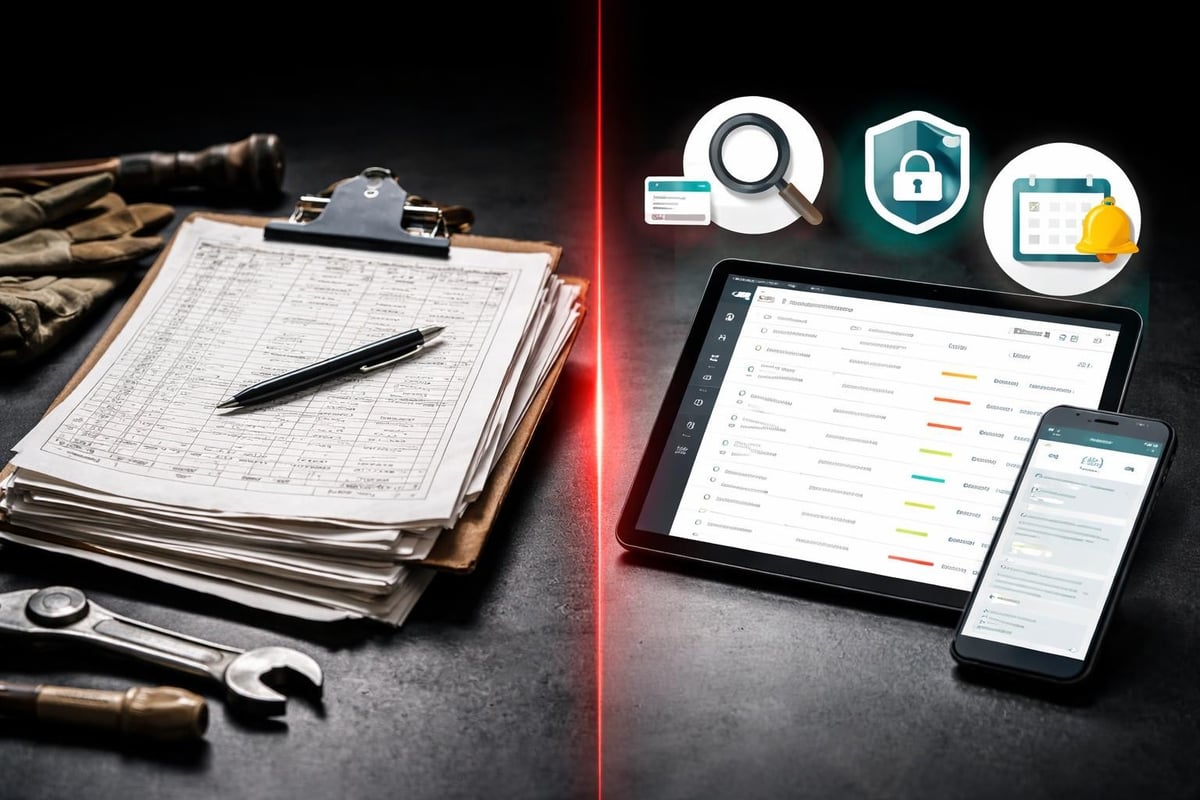
The debate between digital and paper record-keeping has largely been settled in favor of digital solutions, but understanding both approaches helps you make an informed choice for your specific needs.
Traditional Paper-Based Systems
Paper maintenance logs have served car owners well for decades. You can download free vehicle maintenance log templates that provide structured formats for recording service information. These physical records offer simplicity and don't require technology to access.
However, paper systems come with significant limitations:
- Easy to lose or damage - A single coffee spill can destroy years of records
- Difficult to search - Finding specific service dates requires manual page-flipping
- No backup capability - Lost records are gone permanently
- Space-consuming - Years of documentation require physical storage
- Hard to share - Copying and distributing paper records is cumbersome
Modern Digital Tracking Solutions
Digital vehicle maintenance sheets address every limitation of paper systems while adding powerful new capabilities. Digital vehicle maintenance tracking saves time and money through automated reminders, searchable histories, and cloud-based backup.
The advantages of going digital include:
- Automatic calculations - Track costs per mile, service intervals, and spending trends
- Photo attachments - Document vehicle condition with timestamped images
- Cloud backup - Never lose records even if devices are damaged or lost
- Instant sharing - Send complete service histories to buyers or mechanics with one click
- Predictive alerts - Receive notifications when services are due based on mileage or time
For car enthusiasts managing multiple vehicles or extensive modifications, digital platforms provide organizational capabilities that paper simply cannot match. Understanding your car maintenance budget becomes much easier when software automatically categorizes and totals your spending.
Creating Your Vehicle Maintenance Sheet System
Starting a comprehensive maintenance tracking system might feel overwhelming, but breaking it into manageable steps makes the process straightforward. Whether you're documenting a single daily driver or a garage full of project cars, the same fundamental approach applies.
Step 1: Gather Historical Records
Begin by collecting every piece of maintenance documentation you currently have. This includes:
- Service receipts from mechanics and dealerships
- Oil change stickers and reminder cards
- Warranty paperwork and service booklets
- Previous owner records if available
- Parts receipts from DIY work
- Inspection reports and emissions certificates
Don't worry if your historical records have gaps. Document what you know and commit to maintaining complete records moving forward. Even partial historical data provides valuable context.
Step 2: Choose Your Tracking Method
Decide whether paper or digital vehicle maintenance sheets better suit your needs and habits. Consider your comfort with technology, number of vehicles you're tracking, and how you plan to use the information.
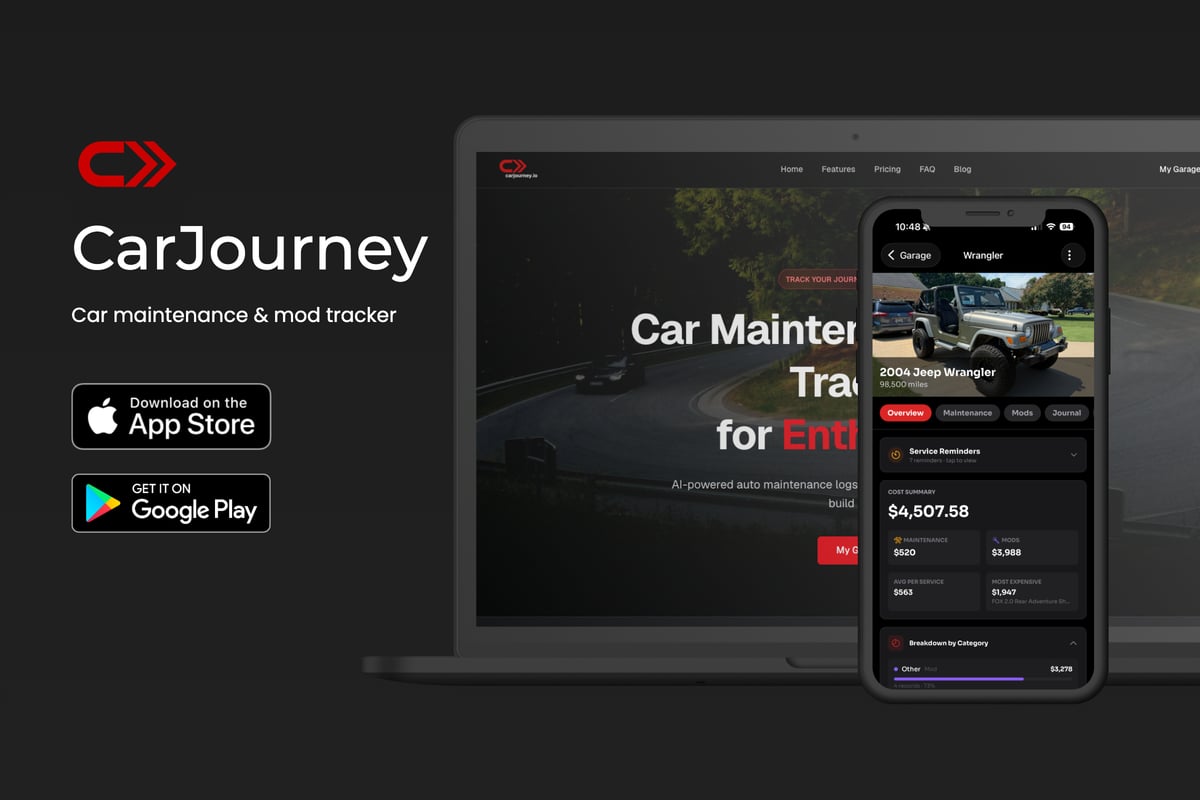
For enthusiasts serious about their vehicles, digital solutions offer clear advantages. The AI-powered features available through platforms like CarJourney Pro provide intelligent insights that help you optimize maintenance schedules, track modifications comprehensively, and share your build with the community.
Step 3: Establish Your Recording Routine
Consistency makes or breaks any maintenance tracking system. Create a habit of recording service information immediately after work is completed. This prevents the accumulation of loose receipts and forgotten details.
Best practices for maintaining consistency:
- Keep your recording system easily accessible
- Set calendar reminders for routine services
- Photograph receipts as backup even if entering data digitally
- Review records monthly to catch missing entries
- Use service reminder apps to automate due date tracking
The effort invested in maintaining current records pays dividends every time you need to reference service history or make informed maintenance decisions.
Using Maintenance Sheets to Optimize Service Schedules
Beyond simple record-keeping, vehicle maintenance sheets become powerful tools for optimizing when and how you service your car. Analyzing your documented history reveals patterns and opportunities that save money while keeping your vehicle in peak condition.
Understanding Service Intervals
Manufacturer recommendations provide baseline service intervals, but your actual driving conditions might require adjustments. Vehicle maintenance sheets let you track how your car responds to different service frequencies, helping you find the optimal balance between maintenance costs and reliability.
For example, car maintenance by mileage provides general guidelines, but your specific usage patterns matter more. A car driven primarily on highways might safely extend oil change intervals, while stop-and-go city driving might require more frequent service.
Identifying Cost Patterns
Comprehensive tracking reveals where your maintenance dollars go and identifies opportunities for savings. When you document every service over time, you can:
- Compare pricing between different service providers
- Identify which components require frequent replacement
- Calculate total cost of ownership for budgeting purposes
- Spot unusually expensive repairs that might indicate deeper issues
- Plan for upcoming major services by recognizing patterns
This financial transparency helps you make informed decisions about whether to continue maintaining an aging vehicle or invest in a replacement.
Vehicle Maintenance Sheets for Fleet Management
While individual car owners benefit from maintenance tracking, fleet managers find vehicle maintenance sheets absolutely indispensable. Managing multiple vehicles without systematic documentation creates operational chaos and financial waste.
Compliance and Regulatory Requirements
Vehicle maintenance records are essential for compliance, helping fleet managers meet safety regulations and pass inspections. Government agencies and insurance companies often require proof of regular maintenance for commercial vehicles.
Detailed vehicle maintenance sheets demonstrate due diligence, protecting businesses from liability in accident investigations. When every service is documented with dates, mileage, and work performed, companies can prove they maintained vehicles properly.
Multi-Vehicle Tracking Strategies
Managing maintenance for multiple vehicles requires organizational systems that scale beyond individual car tracking. Effective fleet maintenance sheets should provide:
| Feature | Business Value |
|---|---|
| Vehicle comparison | Identify which vehicles have highest maintenance costs |
| Service scheduling | Plan shop time to minimize fleet downtime |
| Vendor management | Track performance across different service providers |
| Budget forecasting | Predict upcoming maintenance expenses accurately |
| Asset lifecycle tracking | Determine optimal replacement timing for aging vehicles |
For businesses running vehicle fleets, the vehicle logs functionality becomes a critical operational tool rather than an optional convenience.
Maximizing Resale Value Through Documentation
When the time comes to sell your vehicle, comprehensive maintenance sheets can add thousands of dollars to the final price. Buyers consistently pay premiums for cars with complete, well-organized service histories because documentation reduces their risk.
What Buyers Want to See
Prospective buyers evaluate maintenance records to assess how well you cared for the vehicle. They look for specific indicators of responsible ownership:
- Consistent service intervals - Regular maintenance at appropriate mileage points
- Reputable service providers - Work performed by qualified mechanics or dealerships
- Major services completed - Timing belts, transmission services, and other expensive items addressed
- Problem documentation - Evidence that issues were identified and properly repaired
- Modification records - For modified cars, professional installation and quality parts
Tips for keeping track of maintenance records emphasize that organized, complete documentation significantly enhances resale value and simplifies the selling process.
Preparing Records for Sale
When you decide to sell, your vehicle maintenance sheets need minimal preparation if you've maintained them properly. Create a summary document highlighting major services and total investment in the vehicle. Include recent inspection reports and emissions certificates that demonstrate current roadworthiness.
For enthusiast vehicles with modifications, your build documentation becomes a selling point. Detailed modification logs showing quality parts, professional installation, and tuning results appeal to buyers who appreciate engineered upgrades over questionable modifications.
Advanced Features in Modern Maintenance Tracking
As technology evolves, vehicle maintenance sheets have transformed from simple paper logs into sophisticated digital platforms offering capabilities previous generations of car owners couldn't imagine.
AI-Powered Insights
Modern maintenance tracking platforms use artificial intelligence to analyze your service history and provide predictive insights. These systems can:
- Predict when components are likely to fail based on usage patterns
- Recommend optimal service intervals for your specific driving conditions
- Alert you to unusual spending patterns that might indicate problems
- Compare your maintenance costs against similar vehicles to identify outliers
- Suggest preventive maintenance before issues become expensive repairs
This intelligent analysis transforms your vehicle maintenance sheets from passive records into active tools that help you make better decisions about your car.
Integration Capabilities
The most advanced tracking solutions integrate with other automotive systems and data sources. Look for platforms that connect with:
- OBD-II diagnostic tools - Automatically log fault codes and diagnostic data
- Fuel tracking apps - Correlate maintenance with fuel economy changes
- Calendar systems - Schedule service appointments and set reminders
- Parts suppliers - Quick reordering of frequently replaced components
- Social platforms - Share build progress with enthusiast communities
These integrations eliminate duplicate data entry and create comprehensive vehicle profiles that go far beyond basic maintenance logs.
Common Mistakes to Avoid
Even with good intentions, car owners make predictable mistakes when maintaining vehicle maintenance sheets. Recognizing these pitfalls helps you avoid them and build more useful records.
Incomplete Information
The most common error is recording partial information that diminishes the long-term value of your records. Every entry should include all essential data points, not just service type and date. Missing mileage readings, for example, make it impossible to calculate true service intervals.
Other frequent gaps include:
- Forgetting to record DIY maintenance and repairs
- Omitting part numbers for components replaced
- Neglecting to document diagnostic findings
- Skipping cost information for warranty or personal work
- Failing to note service provider for warranty coverage
Even services performed by friends or family should be documented in your vehicle maintenance sheets with as much detail as professional work.
Delayed Entry
Waiting too long to record maintenance creates opportunities for errors and omissions. Details fade from memory quickly, and receipts get misplaced or damaged. The best practice is documenting service information within 24 hours of completion, preferably immediately.
If you use digital tracking, snap photos of receipts right away and set aside time that evening to enter complete details. This habit ensures your records stay current and complete. Understanding car maintenance reminders helps establish these productive routines.
Standardized Templates and Checklists
Rather than creating vehicle maintenance sheets from scratch, leveraging proven templates ensures you capture all necessary information and maintain consistency across records. Standardized formats also make it easier to share information with mechanics or buyers.
Free Template Resources
Numerous organizations provide free maintenance log templates designed by automotive professionals. A comprehensive vehicle maintenance checklist covers key systems and safety equipment, helping you conduct thorough inspections.
Similarly, car maintenance checklists help proactively identify issues before they become serious problems. These templates provide structure that ensures consistent, complete record-keeping.
Customizing for Your Needs
While templates provide excellent starting points, customize them to match your specific requirements. Modified vehicles need fields for boost pressures, dyno results, and tuning parameters. Classic cars might require sections for restoration work and originality documentation.
The goal is creating vehicle maintenance sheets that capture information relevant to how you use and care for your specific vehicles. Generic templates work well for stock daily drivers, but enthusiast builds demand more specialized tracking.
Comprehensive vehicle maintenance sheets protect your investment, prevent costly surprises, and provide peace of mind that your car receives proper care. Whether you prefer traditional paper logs or leverage modern digital solutions, consistent documentation transforms how you manage vehicle ownership. CarJourney makes this process effortless with AI-powered tracking that automatically organizes your maintenance history, reminds you of upcoming services, and helps you share your build with fellow enthusiasts. Start building your complete vehicle history today and experience the confidence that comes from knowing exactly what's been done to your car and what it needs next.