 carjourney
From the CarJourney journal
Car Maintenance Logs: Complete Guide for 2026
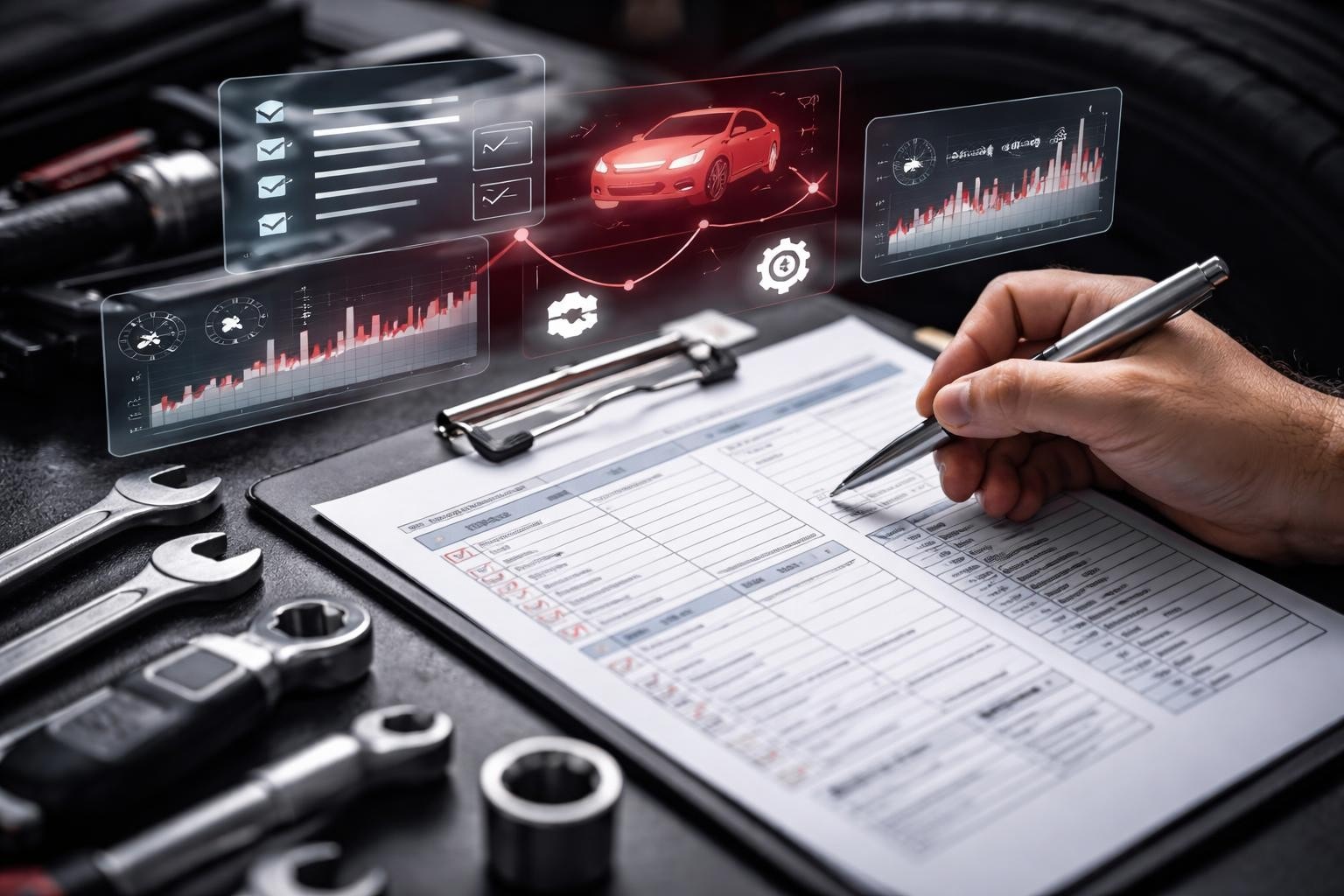
Keeping detailed car maintenance logs transforms how you care for your vehicle. Whether you're a car enthusiast tracking every modification or a daily driver ensuring your warranty stays valid, maintenance logs provide a clear picture of your vehicle's history and health. In 2026, the evolution from paper records to digital platforms has made tracking easier than ever, but understanding what to document and why remains critical for every vehicle owner.
Why Car Maintenance Logs Matter for Every Vehicle Owner
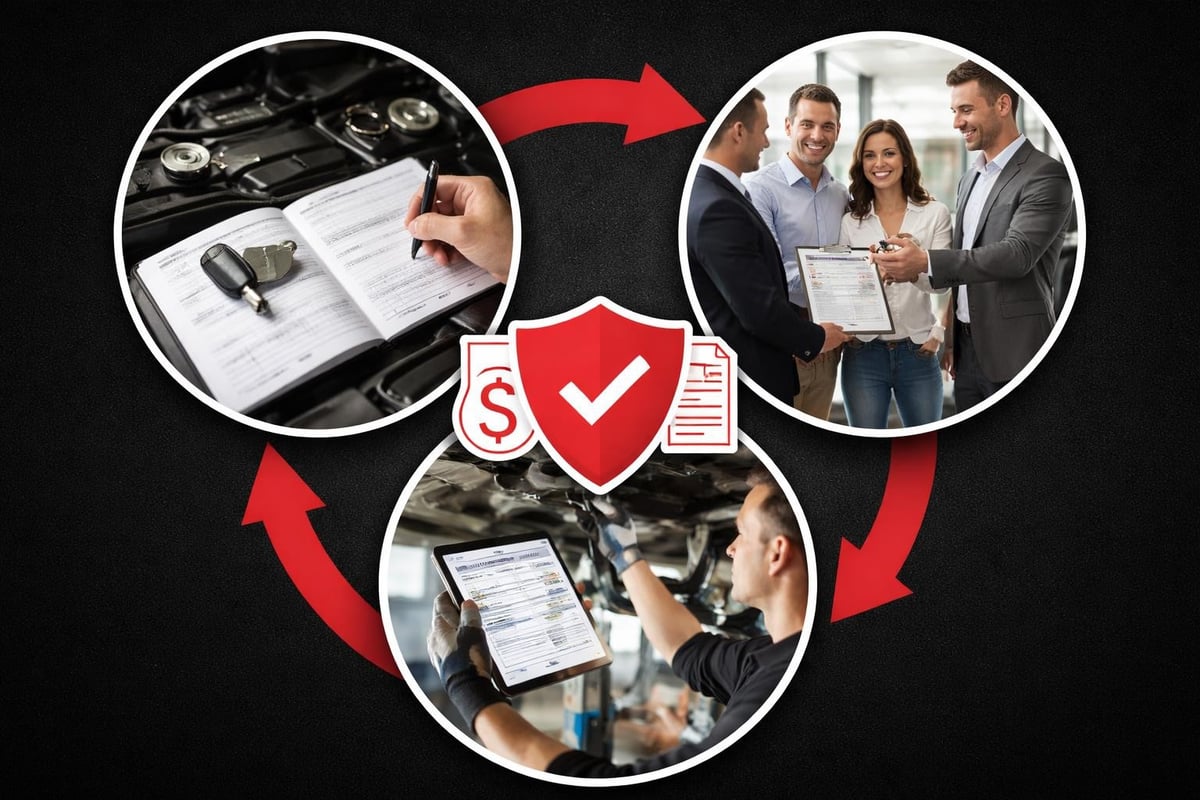
Car maintenance logs serve as the official health record for your vehicle. They document every service, repair, and modification from the moment you take ownership. This comprehensive history protects your investment in multiple ways.
Financial protection tops the list of benefits. Maintaining detailed service records can significantly increase your vehicle's resale value, often by thousands of dollars. Buyers pay premium prices for vehicles with documented maintenance because it demonstrates responsible ownership and reduces their risk.
Warranty claims depend entirely on proof of service. Manufacturers require documentation showing you followed their maintenance schedule. Without proper car maintenance logs, you could face denied warranty claims even for legitimate issues. The importance of car maintenance records becomes especially clear when dealing with major component failures that should be covered under warranty.
Documentation Requirements That Actually Matter
Your logs should capture specific details about every service interaction. Simply noting "oil change" isn't enough for comprehensive tracking.
Essential information to record includes:
- Date and mileage at service
- Service type and parts replaced
- Labor costs and parts costs separately
- Service provider name and location
- Part numbers and specifications
- Any diagnostic trouble codes identified
- Technician notes or recommendations
This level of detail creates an actionable history. When a problem emerges, you can trace potential causes through previous work. If you're planning yearly car maintenance costs, historical data helps you budget accurately based on your actual vehicle needs rather than generic estimates.
Digital Versus Paper Maintenance Log Systems
The debate between digital and paper car maintenance logs has largely been settled in 2026. Digital systems offer advantages that paper simply cannot match, though some owners still prefer traditional methods.
Paper logs provide tangible records that don't depend on technology. You can't lose them to a server crash or forgotten password. However, they're vulnerable to physical damage, difficult to search, and impossible to back up. Organizing receipts and handwritten notes becomes increasingly challenging as your vehicle ages.
Digital platforms transform maintenance tracking through automation and intelligence. Modern apps can read maintenance receipts automatically, set service reminders based on time and mileage, and generate reports for warranty claims or resale documentation.
| Feature | Paper Logs | Digital Logs |
|---|---|---|
| Backup capability | None | Automatic cloud storage |
| Search function | Manual review | Instant keyword search |
| Photo storage | Limited | Unlimited with organization |
| Reminder system | Manual tracking | Automated alerts |
| Sharing capability | Physical copies only | Instant digital sharing |
Various methods and technologies for tracking have evolved to address different user needs, from simple spreadsheets to AI-powered platforms that predict maintenance needs based on driving patterns.
Building Your First Comprehensive Maintenance Log
Starting a maintenance log from scratch feels overwhelming, but breaking it into steps makes the process manageable. Whether you just bought a vehicle or finally decided to organize years of scattered receipts, the same approach works.
Initial Setup and Historical Data Entry
Begin by gathering every piece of documentation you have. This includes purchase records, previous owner logs if available, service invoices, and even credit card statements showing auto repair charges. Create a timeline working backward from today.
For vehicles without prior documentation, start fresh with your current mileage and date. Note the vehicle's condition and any known issues. This baseline becomes your reference point for all future tracking.
Organization steps for effective logs:
- Record basic vehicle information (VIN, year, make, model, engine type)
- Enter current mileage and date as your starting point
- Add all historical services you can document
- Photograph the current condition of major components
- Set up future maintenance schedules based on manufacturer recommendations
- Establish a system for adding new entries consistently
The car maintenance tracker you choose should make this process straightforward. Look for features that import data from photos or PDFs to minimize manual entry.
Routine Maintenance Documentation Standards
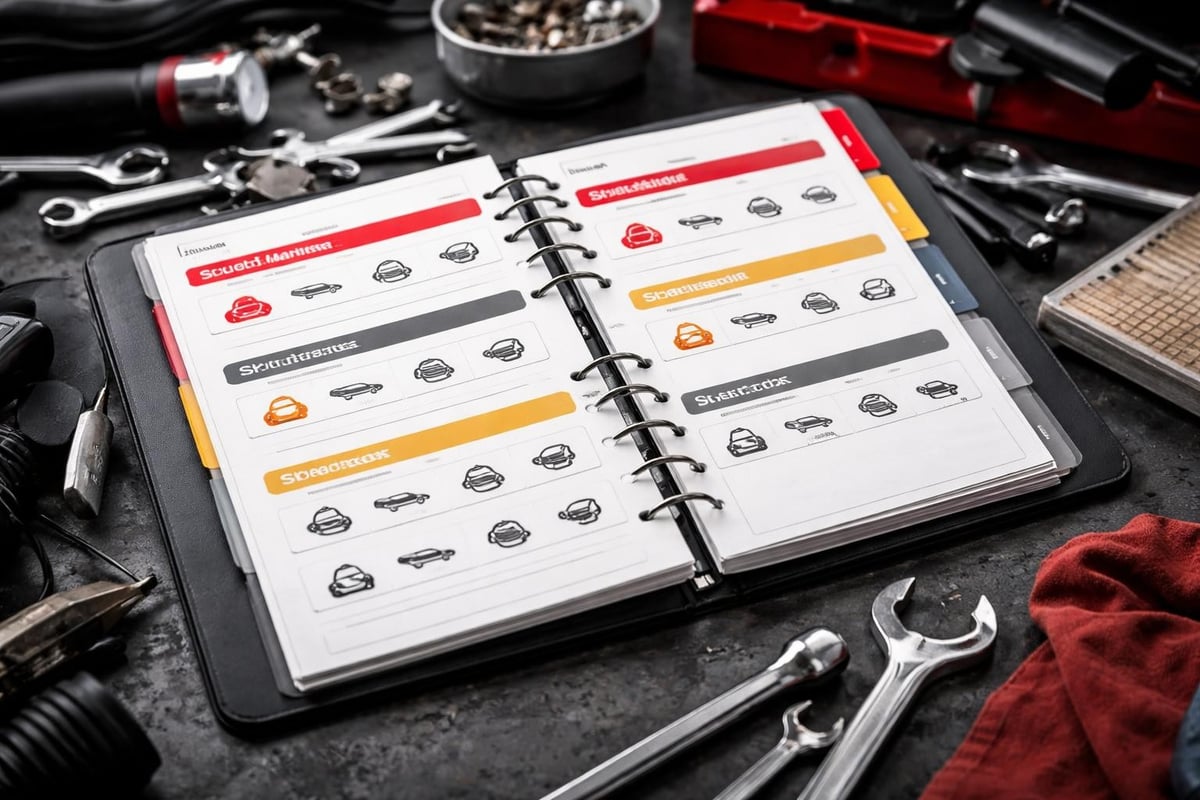
Every routine service deserves an entry in your car maintenance logs. Oil changes represent the most frequent service for most vehicles, but documenting them consistently creates a valuable pattern over time.
For oil changes specifically, record the oil type and viscosity, filter brand and number, amount added, and any additives used. This detail helps if you switch service providers or need to troubleshoot oil-related issues later.
Beyond oil changes, track these routine services with equal diligence:
- Tire rotations and pressure adjustments
- Air filter replacements (engine and cabin)
- Brake inspections and fluid flushes
- Coolant system services
- Transmission fluid changes
- Battery testing and replacement
Each entry should connect to your vehicle's recommended maintenance schedule. Most manufacturers specify services by mileage intervals, but time intervals matter too. A vehicle driven only 3,000 miles per year still needs annual oil changes because oil degrades over time.
Advanced Logging for Modified and Performance Vehicles
Car enthusiasts modifying their vehicles need enhanced documentation beyond standard maintenance logs. Every modification affects your vehicle's baseline, potentially changing future maintenance needs and warranty coverage.
Performance modifications create new maintenance requirements. An upgraded turbocharger demands more frequent oil change intervals because of increased thermal stress. Suspension modifications change alignment specifications and tire wear patterns. Documenting these changes and their maintenance implications protects your investment.
Modification documentation should include:
- Part manufacturer and model number
- Installation date and mileage
- Installer information (if not self-installed)
- Baseline performance metrics before modification
- Any tuning or calibration performed
- Changed maintenance intervals resulting from the mod
- Photos of the installation process
Platforms like CarJourney's modification tracking system let enthusiasts create detailed build profiles that document every change. This creates a complete vehicle story that resonates with potential buyers who appreciate documented builds.
Tracking Performance Metrics and Diagnostic Data
Modern vehicles generate vast amounts of diagnostic data. Incorporating this information into your car maintenance logs provides early warning of developing problems.
OBD-II scanners connect to your vehicle's computer and retrieve diagnostic trouble codes, real-time sensor data, and freeze frame information. Logging this data periodically creates a health baseline. When values start drifting, you can catch problems before they cause failures.
Key metrics to log quarterly:
- Engine coolant temperature range
- Oxygen sensor readings
- Fuel trim values (short-term and long-term)
- Throttle position sensor data
- Mass airflow sensor readings
- Transmission temperature (if available)
This proactive approach to vehicle logs shifts maintenance from reactive to predictive. You're not just recording what happened but actively monitoring for emerging issues.
Organizing Receipts and Supporting Documentation
Car maintenance logs need supporting evidence. Receipts prove service occurred and provide warranty protection, but scattered papers in glove compartments don't constitute organization.
Create a receipt management system that complements your log entries. For each service, you need the itemized invoice showing parts, labor, and any diagnostics performed. These receipts validate your log entries and provide detail your summary notes might miss.
Digital receipt storage solves multiple problems simultaneously. Photographing receipts immediately after service prevents loss and makes them searchable. Modern smartphone cameras capture enough detail to read fine print years later. Store these images linked to their corresponding log entries.
| Receipt Storage Method | Pros | Cons |
|---|---|---|
| Physical folder system | No technology required | Degrades over time, hard to search |
| Email receipts | Automatic backup | Difficult to organize, lost in inbox clutter |
| Photo storage in cloud | Accessible anywhere | Requires consistent naming convention |
| Integrated log platform | Automatically linked to services | Dependent on single platform |
Eight practical tips for tracking your maintenance records emphasize the importance of organized documentation systems that you'll actually maintain over years of ownership.
Creating Effective Maintenance Schedules and Reminders
Car maintenance logs look backward at completed services, but effective vehicle care requires looking forward. Schedule-based tracking prevents missed services that lead to expensive repairs.
Your vehicle's owner's manual contains manufacturer-recommended service intervals. Transfer these to your logging system with appropriate mileage and time-based triggers. Some services occur every 5,000 miles while others happen annually regardless of mileage.
Time-Based Versus Mileage-Based Service Intervals
Understanding the difference between these interval types prevents confusion and missed services. Oil changes might be recommended every 5,000 miles or six months, whichever comes first. That "whichever comes first" clause matters for vehicles with low annual mileage.
A vehicle driven only on weekends might accumulate 3,000 miles annually. Waiting for the mileage interval means oil sits degrading for 20 months. Time-based intervals protect against this degradation.
Common time-sensitive services include:
- Engine oil and filter (breaks down chemically over time)
- Brake fluid (absorbs moisture from atmosphere)
- Coolant (corrosion inhibitors degrade)
- Fuel system cleaners (fuel oxidizes)
- Battery maintenance (self-discharge over time)
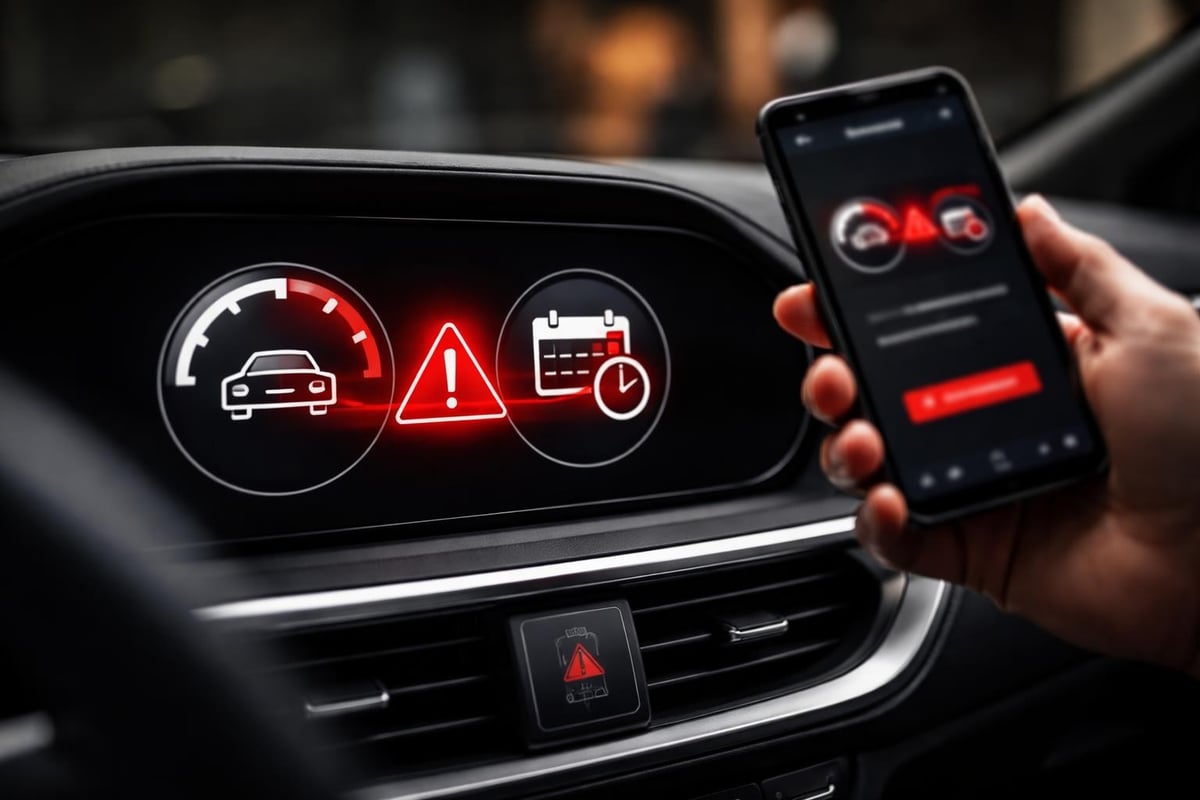
Modern service reminder apps track both intervals simultaneously and alert you to whichever comes due first. This dual-tracking eliminates the mental math of comparing mileage rates against calendar dates.
Cost Tracking and Budget Management Through Logs
Financial data embedded in car maintenance logs reveals spending patterns that inform better budgeting. Tracking what you actually spend versus what you budgeted exposes the true cost of vehicle ownership.
Break down costs by category to understand where money goes. Routine maintenance like oil changes represents predictable baseline spending. Repairs represent variable costs that increase with vehicle age. Modifications are discretionary investments that enhance enjoyment or performance.
Year-over-year cost analysis shows aging trends. A five-year-old vehicle might average $800 annually for maintenance. By year eight, that average might jump to $1,500 as major components need replacement. Recognizing this trend helps you plan for increasing costs or decide when to replace the vehicle.
Calculating True Cost of Ownership
Purchase price represents only the beginning of vehicle expenses. Understanding maintenance budget requirements for your specific vehicle helps with long-term financial planning.
Your car maintenance logs should track:
- Scheduled maintenance costs
- Unscheduled repair expenses
- Parts purchased for DIY work
- Tools acquired for self-service
- Fluids and consumables between services
- Diagnostic charges and inspections
Sum these annually and divide by miles driven to calculate cost per mile. This metric helps compare different vehicles objectively. A reliable car with $600 annual maintenance driven 15,000 miles costs $0.04 per mile for maintenance. A problematic vehicle with $2,000 in annual repairs driven the same distance costs $0.13 per mile.
Leveraging Logs for Warranty Claims and Disputes
When warranty disputes arise, comprehensive car maintenance logs become legal evidence. Manufacturers deny claims when they believe owners neglected required maintenance. Your logs prove otherwise.
Warranty coverage typically requires following the manufacturer's maintenance schedule exactly. Missing a single scheduled service can void coverage for related components. Your logs demonstrate you met every requirement, protecting your coverage.
Document everything during warranty repairs. Record the complaint date, symptoms described, diagnostic process, parts replaced, and work authorization numbers. If the same problem recurs, this history proves the initial repair was inadequate and additional work should be warranty-covered.
Why you should keep vehicle maintenance logs extends beyond warranty protection to insurance claims, lemon law cases, and service disputes where documentation determines outcomes.
Multi-Vehicle Fleet Management Strategies
Managing car maintenance logs for multiple vehicles requires systematic organization. Whether you own several personal vehicles or manage a small business fleet, the principles scale consistently.
Create individual profiles for each vehicle with its own maintenance schedule and service history. Cross-reference shared service dates when multiple vehicles get serviced simultaneously. This approach prevents confusion while maintaining vehicle-specific accuracy.
For families with multiple vehicles, assign ownership responsibility for logging. The person who drives each vehicle primarily should manage its log. This distributes the workload and ensures the person most familiar with the vehicle documents its needs accurately.
Preparing Vehicle History for Resale
When selling a vehicle, comprehensive car maintenance logs justify premium pricing. Buyers pay more for documented history because it reduces their risk and demonstrates your care quality.
Prepare a maintenance summary document highlighting:
- Total number of services performed
- All major component replacements
- Modification history with before/after metrics
- Consistent routine maintenance completion
- Any warranty work performed
- Outstanding recommended services
This summary, backed by detailed logs and receipts, tells a compelling story. Creating shareable build profiles that showcase your vehicle's complete history makes private sales more successful and speeds transactions.
Professional pre-sale inspections carry more weight when supported by maintenance documentation. The inspector can verify your claims and identify any discrepancies, but starting with thorough logs demonstrates transparency that builds buyer confidence.
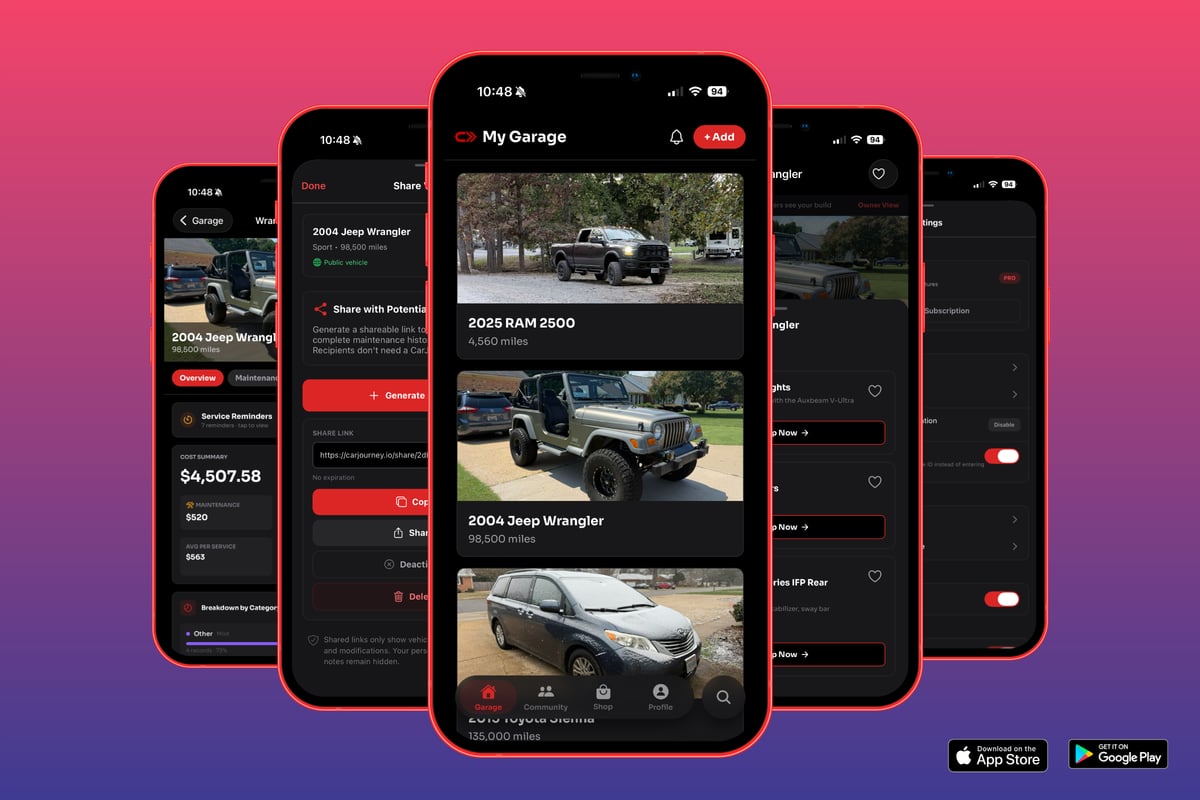
For enthusiasts who invest heavily in their vehicles, platforms like CarJourney Pro provide unlimited vehicle tracking and the ability to create detailed, shareable profiles. CarJourney Pro offers yearly access to advanced features including AI-powered insights that help you understand maintenance patterns and predict future needs based on your specific driving habits and vehicle configuration.
Digital Tools and Platform Selection Criteria
Choosing the right platform for your car maintenance logs affects how consistently you'll maintain them. Evaluate options based on features that match your specific needs.
Essential features for any logging platform include:
- Easy entry methods (typing, voice, photo capture)
- Automatic backup and sync across devices
- Customizable reminder systems
- Report generation for various purposes
- Data export capabilities
- Receipt and photo storage
- Multi-vehicle support
Advanced features that benefit serious enthusiasts:
- VIN decoding for automatic vehicle specifications
- Integration with diagnostic tools
- Modification tracking with performance metrics
- Community features for sharing builds
- AI-powered maintenance predictions
- Parts marketplace integration
Test multiple platforms before committing. Most offer free tiers or trial periods. Enter a few months of data and evaluate the workflow. The best platform disappears into the background, making logging effortless rather than a chore you avoid.
Long-Term Data Retention and Archive Strategies
Car maintenance logs should outlive your ownership period. Future owners benefit from your documentation, and you might repurchase a vehicle years later and want that history.
Cloud storage provides the most reliable long-term retention. Local files on computers or phones get lost during device upgrades. Paper records deteriorate, get misplaced during moves, or suffer damage from environmental factors.
Create redundancy through multiple backup methods. Your primary logging platform should auto-sync to cloud storage. Additionally, export annual reports as PDFs and store them in a separate cloud service. This two-platform approach protects against any single service shutting down or changing terms.
When selling a vehicle, provide the new owner with complete log access. Transfer digital files or grant platform access if the system supports ownership transfer. This value-add improves your negotiating position and helps the next owner maintain the vehicle properly.
Professional Fleet Applications and Compliance
Business fleet managers face additional requirements beyond personal vehicle tracking. Car maintenance logs for commercial vehicles must support compliance with regulations, insurance requirements, and operational accountability.
Equipment maintenance logs principles apply equally to vehicle fleets. Detailed documentation reduces unplanned breakdowns, controls costs, and extends vehicle life through consistent care.
Fleet-specific logging requirements:
- Driver assignment tracking
- Pre-trip and post-trip inspections
- Fuel consumption monitoring
- Accident and incident reporting
- DOT compliance documentation (for commercial vehicles)
- Insurance claim support documentation
- Audit trail for service decisions
Centralized platforms allow fleet managers to oversee all vehicles while individual drivers input daily information. This distributed responsibility ensures timely updates while maintaining management oversight.
Privacy and Data Security Considerations
Car maintenance logs contain sensitive information. Your VIN, service locations, and spending patterns create privacy concerns when stored digitally.
Evaluate platform security before uploading personal data. Look for:
- Encrypted data transmission (HTTPS)
- Encrypted storage at rest
- Two-factor authentication options
- Privacy policy clearly stating data usage
- No third-party data selling
- Regular security audits
- Data deletion capabilities
Avoid sharing complete logs publicly. When creating shareable profiles for your build, exclude sensitive details like VIN numbers, service locations, and financial information. Share the story and technical details without compromising security.
Integration with Smart Vehicle Systems
Modern connected vehicles generate automatic maintenance data. Your 2026 vehicle might send service needs directly to your phone or email. Integrating this data with your manual car maintenance logs creates the most complete record.
Some manufacturers offer apps that track service history for vehicles serviced at their dealerships. Export this data periodically and import it to your comprehensive logging system. Relying solely on manufacturer apps means losing access if you switch brands or the manufacturer discontinues the service.
Third-party telematics devices plug into your OBD-II port and transmit data to cloud platforms. These devices capture driving behavior, diagnostic trouble codes, and maintenance needs in real-time. The best logging systems integrate with popular telematics platforms, automatically creating log entries when the device detects service needs.
Effective car maintenance logs protect your investment, simplify ownership, and maximize resale value through comprehensive documentation of every service, repair, and modification throughout your vehicle's life. Whether you're tracking a daily driver or building a performance vehicle with extensive modifications, consistent logging pays dividends in reduced costs, prevented problems, and improved resale outcomes. CarJourney provides the digital tools car enthusiasts need to maintain detailed logs, track modifications, and create shareable build profiles that tell your vehicle's complete story while helping you stay on top of maintenance schedules with AI-powered insights.