 carjourney
From the CarJourney journal
Car Maintenance Oil Change: Essential Guide for 2026
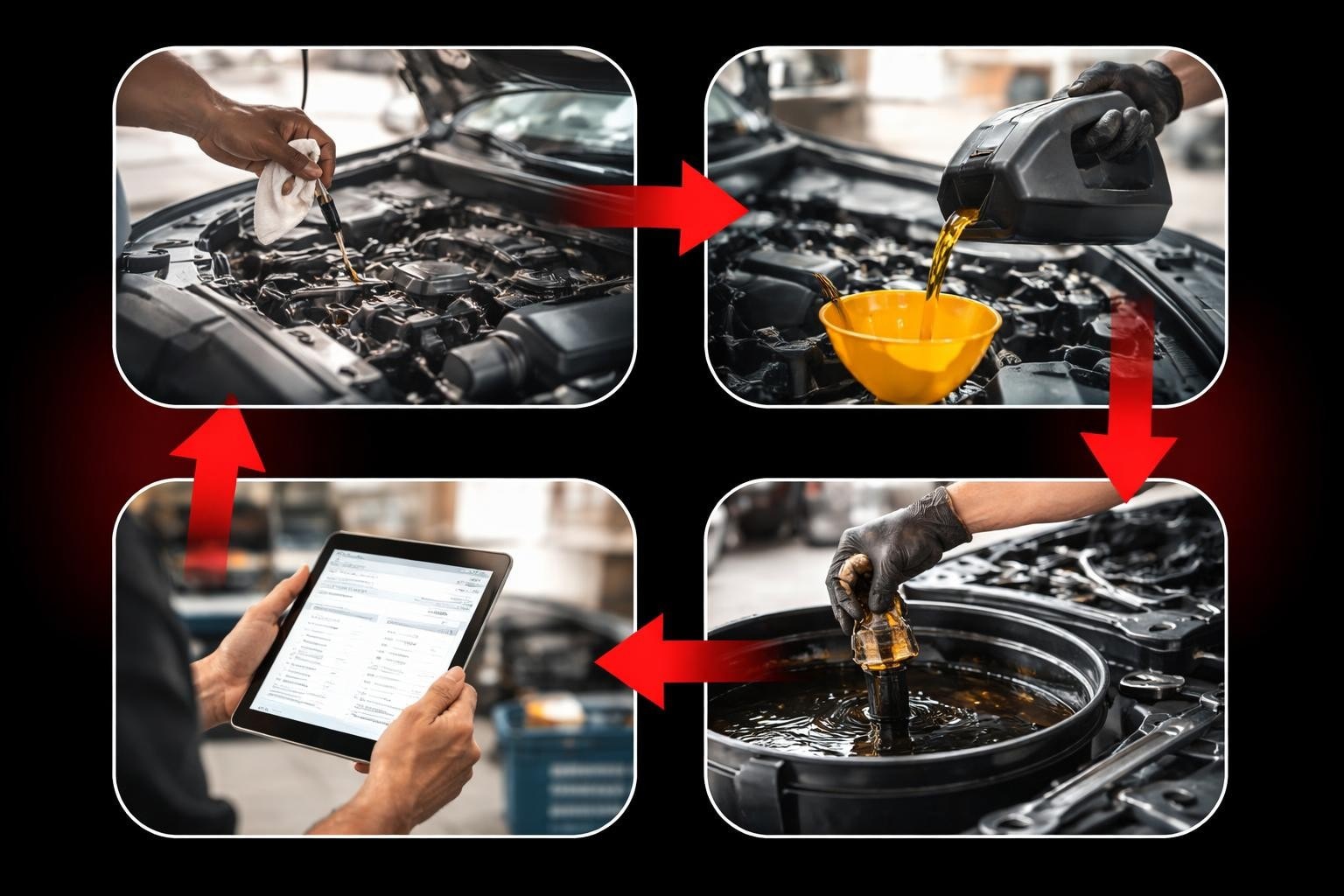
Regular oil changes represent one of the most fundamental aspects of vehicle ownership, yet misconceptions and outdated information continue to confuse drivers. Understanding the proper approach to car maintenance oil change procedures helps extend engine life, improve performance, and prevent costly repairs down the road. Modern engines and advanced synthetic oils have transformed traditional recommendations, making it essential for car enthusiasts and everyday drivers alike to stay informed about current best practices.
Understanding Engine Oil Functions
Engine oil serves multiple critical functions beyond simple lubrication. It reduces friction between moving parts, preventing metal-on-metal contact that would quickly destroy engine components. The oil also acts as a cooling agent, carrying heat away from critical areas where coolant cannot reach.
Additionally, engine oil suspends contaminants and debris, preventing them from accumulating on engine surfaces. Modern oils contain detergent additives that actively clean internal components while neutralizing acidic byproducts from combustion. These protective qualities gradually diminish as oil degrades through heat, pressure, and contamination.
The Chemistry of Oil Breakdown
Over time, engine oil undergoes chemical changes that reduce its effectiveness. Heat causes oil molecules to break down through oxidation, creating sludge and varnish deposits. Combustion byproducts including water, acids, and carbon particles contaminate the oil, further accelerating degradation.
Key factors affecting oil life include:
- Operating temperature and frequency of short trips
- Driving conditions (stop-and-go traffic versus highway)
- Engine design and age
- Oil quality and formulation
- Presence of leaks or consumption issues
The oil filter captures particulates but eventually reaches capacity, allowing contaminants to circulate. This progression makes regular car maintenance oil change intervals essential for preserving engine health.

Modern Oil Change Intervals
The traditional 3,000-mile oil change recommendation has become largely obsolete for modern vehicles. Contemporary understanding of oil change intervals reveals this standard originated decades ago when engine designs and oil formulations were far less advanced.
Most 2026 vehicles equipped with conventional oil can safely operate between 5,000 and 7,500 miles between changes. Synthetic oil users often extend intervals to 10,000 or even 15,000 miles depending on manufacturer specifications. These extended intervals reflect significant advancements in both engine technology and oil chemistry.
Manufacturer Recommendations Matter
Your owner's manual provides the most reliable guidance for car maintenance oil change scheduling. Manufacturers conduct extensive testing to determine optimal intervals based on specific engine designs, tolerances, and operating parameters. Consumer Reports emphasizes consulting your owner's manual rather than relying on generic industry recommendations.
| Driving Condition | Conventional Oil | Synthetic Blend | Full Synthetic |
|---|---|---|---|
| Normal highway | 5,000-7,500 miles | 7,500-10,000 miles | 10,000-15,000 miles |
| Severe (city/short trips) | 3,000-5,000 miles | 5,000-7,500 miles | 7,500-10,000 miles |
| Performance/track | 2,500-3,000 miles | 3,000-5,000 miles | 5,000-7,500 miles |
Severe driving conditions warrant shorter intervals. These include frequent short trips under five miles, extensive idling, towing heavy loads, dusty environments, or extreme temperatures. AAA research on maintenance practices confirms that many drivers overestimate their service needs while others dangerously underestimate them.
Oil Monitoring Technology
Advanced vehicles in 2026 feature sophisticated oil life monitoring systems that analyze multiple parameters to calculate remaining oil life. These systems consider engine revolutions, operating temperature, trip duration, ambient conditions, and driving style to provide personalized maintenance recommendations.
Oil life monitors use algorithms developed through extensive testing to predict when oil chemistry has degraded beyond acceptable limits. When the system indicates 10-15% remaining oil life, schedule your service. Waiting for 0% risks operating with compromised lubrication.
Monitoring systems track:
- Total engine revolutions and time since last change
- Operating temperature ranges and frequency
- Cold starts and warm-up cycles
- Load conditions and acceleration patterns
- Ambient temperature extremes
Some enthusiasts prefer manual monitoring through regular dipstick checks and understanding proper vehicle logs to complement or verify electronic systems. This hands-on approach helps detect developing issues like consumption or contamination between scheduled services.
Selecting the Right Oil
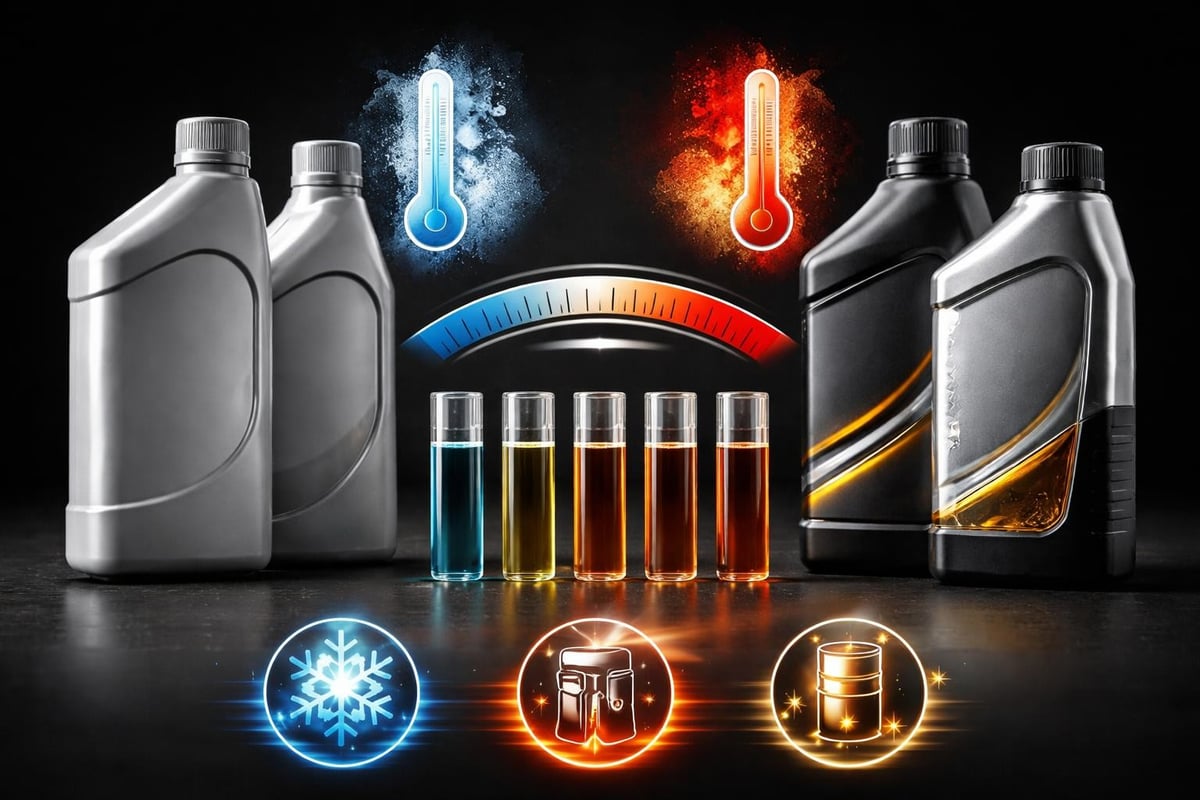
Choosing appropriate oil for your vehicle involves understanding viscosity ratings, formulation types, and certification standards. The owner's manual specifies required viscosity grades using the SAE numbering system (such as 5W-30 or 0W-20).
The first number indicates cold-temperature viscosity, while the second represents operating temperature thickness. Lower numbers provide better cold-weather flow and fuel economy, while higher numbers offer more protection under extreme heat and stress.
Conventional versus Synthetic Formulations
Conventional petroleum-based oil provides adequate protection for many applications at a lower cost. It works well for older vehicles, simple engine designs, and drivers who perform frequent oil changes. However, it breaks down faster under stress and offers less extreme-temperature protection.
Synthetic oil delivers superior performance through engineered molecular structures. It resists breakdown, flows better in cold weather, protects during high-temperature operation, and typically extends service intervals. The higher upfront cost often balances through fewer required changes and better engine protection.
Synthetic blends combine conventional and synthetic base stocks, offering a middle ground for price-conscious drivers seeking improved performance over conventional oil. Car and Driver's maintenance resources provide detailed comparisons to help you select appropriate products for your specific needs.
DIY Oil Change Process
Performing your own car maintenance oil change saves money while providing intimate knowledge of your vehicle's condition. The process requires basic tools, safety equipment, and attention to detail.
Required Tools and Materials
Before starting, gather necessary supplies including the correct quantity and type of oil, an appropriate filter, drain pan, wrench or socket for the drain plug, oil filter wrench, funnel, and clean rags. Jack stands or ramps provide safe vehicle access, never rely solely on a hydraulic jack.
Step-by-step process:
- Warm the engine briefly to suspend contaminants in the oil
- Safely raise and support the vehicle on level ground
- Position the drain pan beneath the oil pan drain plug
- Remove the drain plug and allow complete drainage (10-15 minutes)
- Replace the drain plug with a new washer if required
- Remove the old filter (expect residual oil spillage)
- Lubricate the new filter gasket with fresh oil
- Install the new filter hand-tight plus three-quarters turn
- Lower the vehicle and add specified oil quantity
- Start the engine, check for leaks, then verify level
Preventive maintenance guidance emphasizes proper disposal of used oil and filters at designated recycling centers. Most auto parts stores and service facilities accept these materials free of charge.
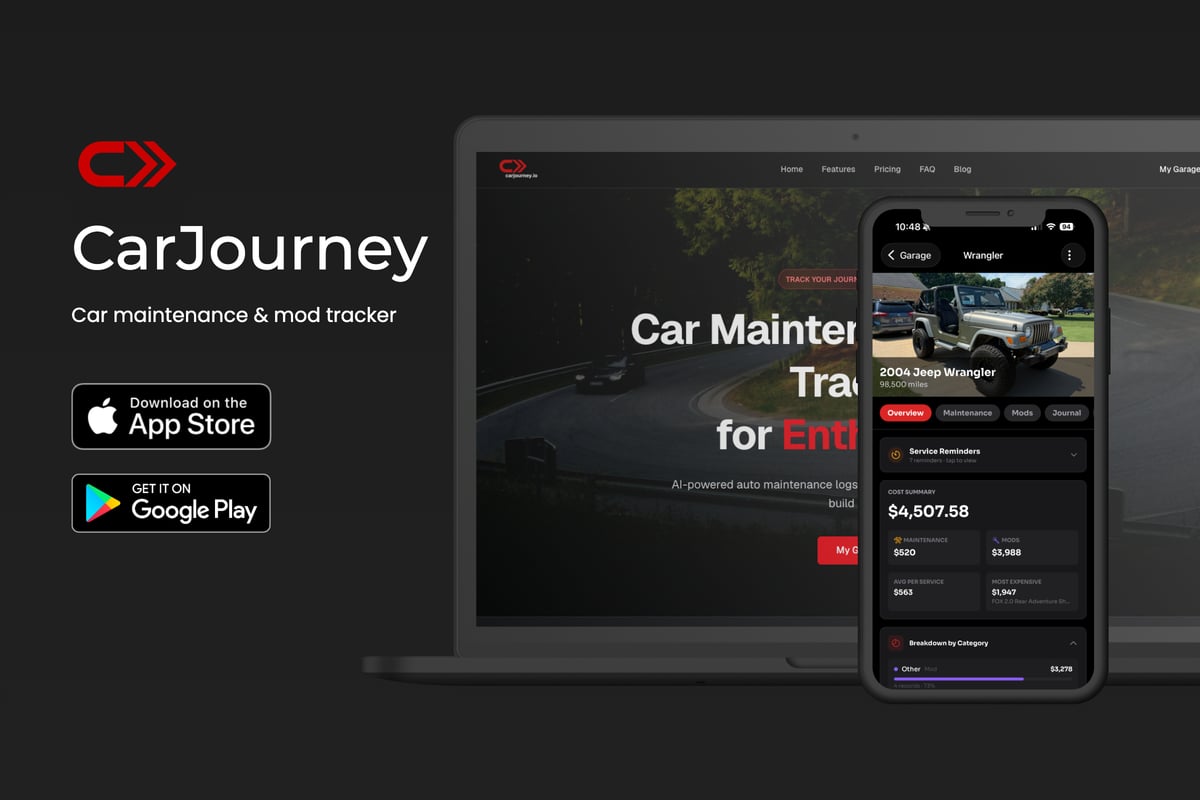
Tracking your maintenance history becomes much easier when you document each service with date, mileage, oil type, and filter brand. Digital platforms like CarJourney Pro - Yearly provide unlimited vehicle tracking with AI-powered maintenance reminders, helping enthusiasts maintain comprehensive service records across multiple vehicles while connecting with a community of fellow car lovers.
Professional Service Considerations
While DIY oil changes offer satisfaction and savings, professional service provides convenience and additional inspection benefits. Technicians often perform multipoint inspections during oil changes, identifying potential issues before they become serious problems.
Choosing a Service Provider
Options range from quick-lube chains to dealership service departments and independent mechanics. Quick-lube facilities offer speed and competitive pricing but may employ less experienced technicians. Dealerships provide manufacturer-specific expertise and OEM parts at premium prices.
Independent shops often balance expertise, personalized service, and reasonable costs. Research potential providers through online reviews, certifications, and recommendations from fellow enthusiasts. Verify they use quality filters and oils meeting your vehicle's specifications.
| Service Type | Typical Cost | Time Required | Additional Services |
|---|---|---|---|
| Quick-lube chain | $35-$75 | 15-30 minutes | Basic inspection, fluid top-off |
| Independent shop | $50-$100 | 30-60 minutes | Comprehensive inspection, recommendations |
| Dealership | $75-$150 | 45-90 minutes | Factory expertise, OEM parts, records |
Request used oil inspection if you suspect consumption or contamination issues. Metal particles indicate internal wear, while milky appearance suggests coolant intrusion requiring immediate diagnosis.
Tracking Your Maintenance History
Comprehensive documentation of every car maintenance oil change creates valuable records for warranty claims, resale value, and troubleshooting. Organizing your maintenance budget becomes simpler when you track service costs and intervals systematically.
Essential information to document:
- Service date and current mileage
- Oil brand, type, and viscosity
- Filter manufacturer and part number
- Service provider or DIY notation
- Cost breakdown for parts and labor
- Additional work performed simultaneously
- Observations about oil condition or consumption
Digital tracking eliminates lost receipts and provides instant access to complete vehicle history. Many car enthusiasts appreciate the ability to share their maintenance dedication with potential buyers or fellow community members interested in their build.
Complete car maintenance oil change record-keeping showing service dates, mileage intervals, oil specifications, costs, and next service reminders organized in a digital tracking platform
Common Mistakes to Avoid
Even experienced car owners occasionally make errors during oil service that can compromise engine protection. Overfilling ranks among the most common mistakes, creating excessive crankcase pressure that can damage seals and force oil past rings.
Using incorrect oil viscosity affects both protection and fuel economy. Thicker oil than specified increases drag and reduces efficiency, while thinner oil may not adequately protect under load. Always reference manufacturer specifications rather than following generic recommendations.
Filter Quality and Installation Issues
Cheap aftermarket filters may use inferior media, bypass valves, or anti-drainback valves that compromise protection. Premium filters cost only slightly more while providing significantly better filtration and construction quality. Understanding oil change basics includes recognizing that the filter represents a critical component deserving quality consideration.
Double-gasketing occurs when the old filter gasket remains stuck to the engine block while installing a new filter. This creates an imperfect seal that fails shortly after starting the engine, dumping oil. Always verify the old gasket came off with the filter before installation.
Impact on Engine Longevity
Consistent oil service intervals directly correlate with engine lifespan and reliability. Engines receiving timely car maintenance oil change services routinely exceed 200,000 miles with minimal internal wear. Neglected engines often require major repairs or replacement well before 100,000 miles.
Clean oil maintains precise tolerances between moving parts, preventing accelerated wear. Variable valve timing systems, turbochargers, and direct injection components particularly depend on pristine lubrication for proper operation. Sludge buildup from extended intervals clogs oil passages, starving critical components.
Performance and Efficiency Benefits
Fresh oil reduces internal friction, improving both power output and fuel economy. Degraded oil creates additional resistance that forces the engine to work harder, consuming more fuel while producing less power. The difference becomes particularly noticeable in high-performance applications where every horsepower matters.
Proper maintenance preserves resale value significantly. Documented service history reassures potential buyers about vehicle care and reliability. Recommended maintenance schedules encompass oil changes as the foundation supporting all other systems.
Environmental Considerations
Responsible oil change practices include proper disposal and consideration of environmental impact. Used motor oil contains heavy metals, combustion byproducts, and other contaminants harmful to ecosystems. A single gallon of improperly disposed oil can contaminate one million gallons of fresh water.
Recycling used oil allows it to be re-refined into new lubricants or processed into fuel oil. This conservation reduces crude oil demand while preventing environmental contamination. Most municipalities provide collection sites or periodic hazardous waste events accepting used motor oil and filters.
Environmental best practices:
- Never pour used oil down drains or onto soil
- Store used oil in sealed, labeled containers
- Drain filters completely before disposal
- Use appropriate recycling facilities
- Consider extended-drain synthetic oils to reduce waste frequency
Synthetic oils reduce environmental impact through longer service intervals and superior biodegradability compared to conventional petroleum products. The manufacturing process for synthetics does require more energy initially, but extended drain capability offsets this impact over the product lifecycle.
Cost Analysis and Budgeting
Understanding the true cost of car maintenance oil change services helps with financial planning and decision-making between DIY and professional service. Evaluating oil change car cost requires considering materials, tools, time investment, and disposal fees.
DIY oil changes typically cost $25-$50 for conventional oil and $45-$80 for synthetic, assuming you already own basic tools. Professional service adds labor charges but includes disposal and often complementary inspections. Calculate annual costs based on your driving habits and maintenance intervals.
| Cost Factor | DIY | Professional |
|---|---|---|
| Oil (5 quarts synthetic) | $25-$35 | Included |
| Filter | $8-$15 | Included |
| Drain plug washer | $1-$3 | Included |
| Disposal | Free-$5 | Included |
| Labor | Your time | $20-$75 |
| Total per change | $35-$60 | $50-$150 |
Tracking these expenses helps identify patterns and plan for yearly vehicle maintenance costs across all systems. Multiple vehicles compound expenses but also increase potential DIY savings.
Adapting to Vehicle Modifications
Modified vehicles often require adjusted oil change intervals and specialized products. Forced induction engines generate more heat and contamination, warranting more frequent services. Track-focused builds may need changes after every event regardless of mileage.
Performance modifications that increase horsepower also increase stress on lubrication systems. Upgraded components like aftermarket turbochargers or superchargers demand higher-quality oils and closer monitoring. Documenting these modifications and corresponding maintenance adjustments creates a comprehensive vehicle history.
Engine builders often recommend break-in oil changes at 500-1,000 miles for rebuilt or new engines, followed by a second service at 3,000-5,000 miles. This removes initial wear particles and assembly lubricants before switching to regular service intervals. Adding vehicles to your maintenance tracking allows managing different service requirements across your collection efficiently.
Maintaining proper car maintenance oil change intervals represents the single most important service for protecting your engine investment and ensuring long-term reliability. By understanding modern interval recommendations, selecting appropriate products, and documenting every service meticulously, you create a foundation for trouble-free vehicle ownership. Whether you prefer hands-on DIY maintenance or professional service, consistent attention to this fundamental task pays dividends through enhanced performance, improved longevity, and preserved value. CarJourney provides the digital tools enthusiasts need to track every oil change and modification across their entire vehicle collection, making it simple to maintain comprehensive service histories that demonstrate your commitment to proper care.