 carjourney
From the CarJourney journal
Car Checkup Cost: What to Budget for in 2026

Understanding car checkup cost is essential for every vehicle owner who wants to budget effectively and avoid financial surprises. Whether you're driving a brand-new sedan or a decade-old truck, knowing what to expect when you visit the mechanic can help you plan ahead and make informed decisions about your vehicle's care. In 2026, car maintenance expenses continue to vary based on multiple factors, from your vehicle's make and model to your location and the type of service required. This comprehensive guide breaks down the costs associated with different types of checkups, helping you anticipate expenses and maintain your vehicle without breaking the bank.
Understanding Different Types of Car Checkups
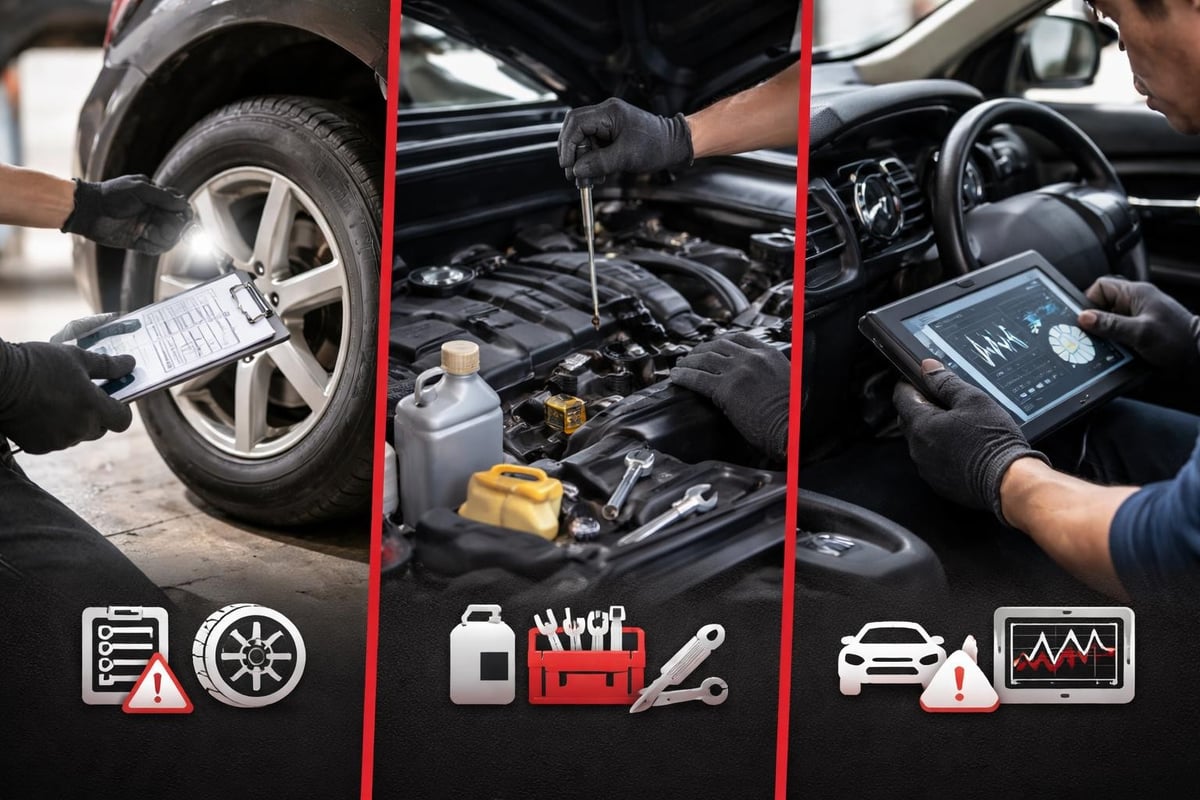
Not all car checkups are created equal, and the car checkup cost varies significantly depending on what type of service your vehicle needs. Basic inspections typically examine fundamental systems like lights, brakes, and fluid levels, while comprehensive diagnostics involve computer scanning and detailed component analysis.
A standard safety inspection usually ranges from $25 to $75, covering essential visual checks and basic functionality tests. These inspections are often required for vehicle registration in many states and ensure your car meets minimum safety standards.
Routine Maintenance Checkups
Routine maintenance checkups form the foundation of vehicle care and represent the most predictable expenses. These scheduled services include:
- Oil changes and filter replacements
- Tire rotations and pressure checks
- Brake inspections
- Fluid level assessments
- Belt and hose examinations
Most manufacturers recommend these checkups every 5,000 to 7,500 miles, depending on your driving conditions. The average car maintenance costs can total just over $900 annually when combining routine and unexpected repairs.
Diagnostic Checkups
When your check engine light illuminates or you notice unusual performance issues, a diagnostic checkup becomes necessary. These services utilize specialized computer equipment to read error codes and identify problems within your vehicle's electronic systems.
Diagnostic fees typically range from $80 to $150 for the initial assessment, though this cost may be waived if you proceed with the recommended repairs. The complexity of modern vehicles, with their advanced sensors and computer systems, makes professional diagnostics invaluable for accurate problem identification.
Factors That Influence Car Checkup Cost
Multiple variables affect how much you'll pay for vehicle checkups, and understanding these factors helps you anticipate expenses more accurately. Key factors influencing car repair costs include vehicle specifications, repair complexity, and regional differences.
Vehicle Make and Model
Luxury vehicles and European imports typically command higher checkup costs due to specialized parts and expertise requirements. A basic service for a Honda Civic might cost $150, while the same service for a BMW 5 Series could reach $300 or more.
Domestic vehicles generally offer more affordable maintenance, with readily available parts and widespread mechanic familiarity. Sports cars and performance vehicles also tend toward higher maintenance costs due to specialized components and more frequent service intervals.
| Vehicle Type | Basic Checkup Range | Comprehensive Checkup Range |
|---|---|---|
| Economy Cars | $75-$150 | $200-$400 |
| Mid-Size Sedans | $100-$200 | $300-$500 |
| Luxury Vehicles | $150-$350 | $450-$800 |
| Trucks/SUVs | $125-$250 | $350-$600 |
Vehicle Age and Mileage
As vehicles age, checkup costs naturally increase due to wear and the need for more frequent inspections. A car with over 100,000 miles requires more thorough examinations and often reveals issues that newer vehicles don't face.
Older vehicles may need additional testing for components like:
- Suspension systems
- Exhaust components
- Cooling system integrity
- Transmission function
- Electrical system reliability
The relationship between car maintenance costs and vehicle age shows a clear upward trend, with maintenance expenses increasing significantly after the five-year mark.
Breaking Down Common Checkup Services and Costs
Understanding specific service costs helps you budget appropriately and recognize fair pricing when visiting repair shops. These estimates reflect 2026 pricing across the United States, though regional variations exist.
Multi-Point Inspections
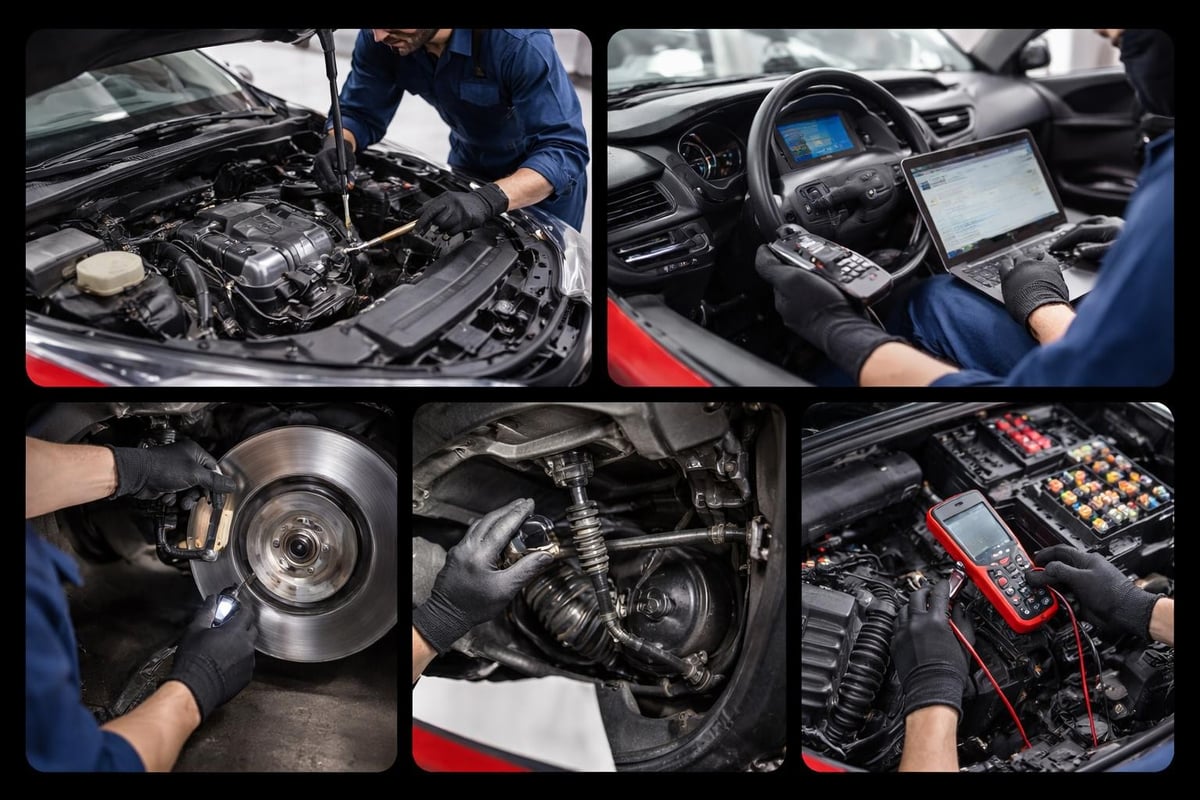
A comprehensive multi-point inspection examines numerous vehicle systems and provides a detailed report on your car's condition. These inspections typically cost between $50 and $125 as a standalone service.
Inspection components usually include:
- Engine performance assessment
- Transmission operation
- Brake system evaluation
- Steering and suspension check
- Exhaust system examination
- Battery and charging system test
- Tire condition and alignment
- Fluid levels and quality
- Filter conditions
Many dealerships and service centers offer complimentary multi-point inspections with oil changes or other services, making it worthwhile to ask about bundled offerings.
Pre-Purchase Inspections
Before buying a used vehicle, investing in a professional pre-purchase inspection can save thousands in future repairs. These thorough examinations cost between $100 and $200 but provide invaluable insights into a vehicle's true condition.
A quality pre-purchase inspection uncovers hidden issues like previous accident damage, frame problems, or impending mechanical failures that aren't apparent during a test drive. This modest investment protects you from costly mistakes and provides negotiating leverage.
Seasonal Checkups
Many car owners schedule seasonal checkups to prepare their vehicles for extreme weather conditions. Winter preparation inspections focus on battery health, antifreeze levels, and heating systems, while summer checkups emphasize cooling system performance and air conditioning function.
Seasonal checkup costs range from $40 to $100 and often identify minor issues before they become major problems. Proactive maintenance through these services can significantly reduce unexpected repair expenses throughout the year.
Regional Variations in Car Checkup Cost
Where you live dramatically impacts what you'll pay for vehicle checkups. Urban areas with higher labor costs typically charge 20-40% more than rural locations for identical services.
Metropolitan vs. Rural Pricing
Major cities like New York, Los Angeles, and San Francisco feature higher shop rates due to increased overhead costs and higher wages. A basic checkup costing $80 in a small Midwestern town might run $150 in a coastal metropolitan area.
Independent shops generally offer lower rates than dealerships, though dealership technicians possess specialized training for specific brands. The price difference can be substantial, with dealerships charging 25-50% more for similar services.
State-Specific Requirements
Some states mandate annual safety or emissions inspections, adding to your overall car checkup cost. These required inspections typically cost between $15 and $50, depending on the state and inspection type.
States with strict emissions standards may require more expensive diagnostic testing, while states without mandatory inspections allow owners to skip these costs entirely. Researching your state's requirements helps you budget accurately for mandatory checkups.
How to Reduce Your Car Checkup Cost
Smart strategies can minimize your maintenance expenses without compromising vehicle safety or reliability. Implementing these approaches helps you maintain your car effectively while controlling costs.
Leverage Warranty Coverage
If your vehicle remains under warranty, many checkups and repairs are covered at no cost. Understanding your warranty terms and utilizing authorized service centers for covered work saves substantial money.
Extended warranties may also cover diagnostic fees and certain maintenance services, making them valuable for owners who prefer predictable expenses over unexpected repair bills.
Bundle Services Strategically
Many shops offer package deals that reduce the per-service cost when you combine multiple maintenance tasks. Scheduling tire rotation, oil change, and multi-point inspection together often costs less than paying for each service separately.
Creating a comprehensive car maintenance plan helps you identify bundling opportunities and schedule services efficiently, maximizing value while minimizing trips to the mechanic.
Maintain Digital Records
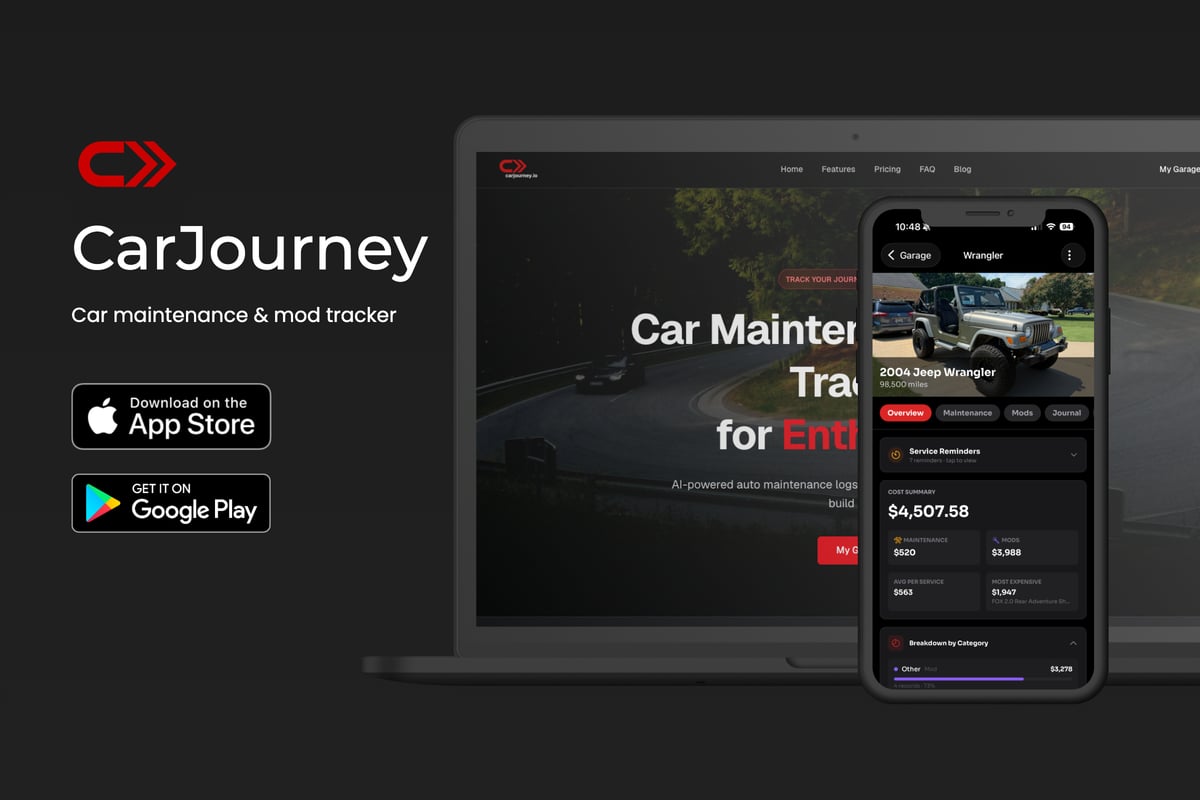
Keeping detailed maintenance records helps you track service history, identify patterns, and avoid unnecessary duplicate inspections. Using a car maintenance tracker ensures you never miss scheduled services while preventing premature or redundant checkups.
For car enthusiasts who make modifications or maintain multiple vehicles, comprehensive tracking becomes even more critical. Platforms designed specifically for vehicle management help you organize maintenance schedules, store receipts, and monitor long-term costs across your entire fleet.

Planning Your Annual Car Checkup Budget
Creating an annual budget for car checkup cost requires considering both routine maintenance and potential unexpected services. Most financial experts recommend setting aside 1-2% of your vehicle's value annually for maintenance and repairs.
Standard Annual Expenses
For a typical vehicle, expect these annual checkup-related costs:
| Service Type | Frequency | Annual Cost Range |
|---|---|---|
| Oil Changes | 2-4 times | $120-$280 |
| Tire Rotations | 2-3 times | $60-$120 |
| Multi-Point Inspections | 1-2 times | $50-$150 |
| Brake Inspections | 1 time | $40-$80 |
| State Inspections | 1 time | $15-$75 |
These baseline costs don't include repairs or part replacements that inspections might reveal, making it wise to budget additional funds for unexpected issues. According to AAA's analysis of car repair and maintenance costs, adhering to your owner's manual schedule helps control expenses.
Building an Emergency Fund
Beyond routine checkups, maintaining a car repair emergency fund protects you from financial stress when major issues arise. Setting aside $50-$100 monthly creates a cushion for unexpected diagnostic fees, repairs, or component replacements.
This fund should cover your insurance deductible plus typical major repair costs, which might range from $500 to $2,000 depending on your vehicle. Having funds available means you can address problems immediately rather than deferring maintenance and risking more expensive failures.
Tracking Costs Over Time
Monitoring your actual car checkup cost over multiple years reveals patterns and helps refine future budgets. Some owners discover they're spending far more than expected, while others find their careful maintenance reduces long-term expenses.
Understanding yearly car maintenance costs through detailed tracking helps you make informed decisions about when to invest in repairs versus considering vehicle replacement. When maintenance costs exceed 50% of your car's value annually, replacement often makes more financial sense.
Choosing the Right Service Provider
Where you take your vehicle for checkups significantly impacts both cost and service quality. Each option offers distinct advantages and pricing structures worth considering.
Dealerships vs. Independent Shops
Dealership advantages include:
- Factory-trained technicians
- Original equipment manufacturer (OEM) parts
- Specialized diagnostic equipment
- Warranty work authorization
- Complete service records in manufacturer systems
Independent shop benefits include:
- Lower labor rates (typically $80-$120 vs. $120-$180 per hour)
- More flexible pricing
- Personal relationships with mechanics
- Often faster service
- Willingness to use aftermarket parts for cost savings
National Chains vs. Local Mechanics
National chain service centers offer consistency and often run promotional pricing on basic checkups. However, local mechanics may provide more personalized service and greater flexibility in addressing your specific needs.
Chain advantages include standardized pricing, convenient locations, and corporate guarantees. Local mechanics often build long-term relationships, remember your vehicle's history, and may offer more competitive pricing for repeat customers.
DIY Inspections to Reduce Costs
Car enthusiasts with mechanical knowledge can perform basic inspections themselves, reducing professional checkup frequency. Simple monthly checks of fluid levels, tire pressure, lights, and visible components help identify issues early.
However, professional diagnostic equipment and expertise remain necessary for comprehensive assessments. DIY inspections supplement rather than replace professional checkups, helping you stay informed between scheduled service appointments.
Understanding Diagnostic Fees and Testing Costs
Modern vehicles rely heavily on computer systems, making diagnostic testing essential for accurate problem identification. Understanding these specialized checkup costs helps you evaluate service quotes and make informed decisions.
Computer Diagnostics
Standard OBD-II diagnostic scans typically cost $80-$120 and read trouble codes from your vehicle's computer system. These scans identify which systems are reporting problems, though they don't always specify exact component failures.
Advanced diagnostics using manufacturer-specific software may cost $150-$250 but provide more detailed information about complex issues. Luxury and European vehicles often require this specialized testing for accurate diagnosis.
Specialized Testing Services
Some checkups require specialized equipment beyond basic diagnostic scanners:
- Smoke testing for vacuum leaks ($100-$150)
- Compression testing for engine health ($120-$180)
- Wheel alignment checks ($50-$100)
- Battery load testing ($20-$40)
- Cooling system pressure tests ($40-$80)
These specialized tests help mechanics pinpoint specific problems rather than guessing, potentially saving money by avoiding unnecessary part replacements.
When Diagnostic Fees Are Waived
Many repair shops waive diagnostic fees if you proceed with recommended repairs. This practice acknowledges that diagnosis is part of the repair process rather than a separate service.
Before authorizing any testing, clarify whether diagnostic fees apply if you decline repairs. Some shops charge regardless, while others only charge when customers seek diagnosis without repair commitment. Understanding common vehicle repair costs helps you evaluate whether quoted repairs represent fair pricing.
The Impact of Maintenance History on Checkup Costs
Your vehicle's maintenance history directly influences both current checkup costs and long-term reliability. Consistent care typically reduces diagnostic complexity and prevents expensive failures.
Benefits of Regular Maintenance
Vehicles with documented regular maintenance often require simpler, faster checkups because mechanics can reference previous service records and focus on age-appropriate concerns. This efficiency reduces labor time and associated costs.
Consistent maintenance also prevents minor issues from escalating into major problems. A $50 brake inspection might reveal pad wear that costs $200 to address, preventing $800 rotor damage that occurs when worn pads are ignored.
Consequences of Deferred Maintenance
Neglecting routine checkups leads to compounding problems that increase diagnostic complexity. Mechanics must spend more time identifying root causes when multiple systems show wear or failure, raising labor costs substantially.
Tracking your maintenance with detailed records helps mechanics work efficiently and prevents duplicate inspections. Digital logs accessible through auto maintenance tracker apps provide instant service history access, regardless of which shop performs your checkup.
Future Trends Affecting Car Checkup Cost
The automotive industry continues evolving, with emerging technologies and changing vehicle types influencing maintenance costs and checkup requirements in 2026 and beyond.
Electric Vehicle Considerations
Electric vehicles (EVs) require different checkups than traditional combustion engines, eliminating oil changes but introducing battery health assessments and electric motor inspections. Current EV checkup costs range from $100-$300 annually, significantly less than conventional vehicles.
However, specialized training and equipment for EV diagnostics remain limited, potentially increasing costs at non-specialized shops. As EV adoption grows, competition should drive these costs downward.
Advanced Driver Assistance Systems
Modern vehicles equipped with advanced driver assistance systems (ADAS) require calibration after certain repairs or checkups. Windshield replacement, suspension work, or wheel alignment may necessitate camera and sensor recalibration costing $150-$400.
ADAS checkups ensure safety systems function correctly, making this additional expense worthwhile for vehicles equipped with these technologies. As these features become standard rather than premium options, calibration costs may decrease through improved efficiency and competition.
Predictive Maintenance Technology
Connected vehicles now provide predictive maintenance alerts based on real-time system monitoring, potentially reducing unnecessary checkups while ensuring timely service for actual issues. This technology helps optimize maintenance schedules and control costs.
Implementing strategies to reduce car ownership costs becomes easier when technology helps you avoid both premature and delayed maintenance, finding the optimal service timing.
Understanding car checkup cost empowers you to budget effectively, choose quality service providers, and maintain your vehicle without financial surprises. By recognizing the factors that influence pricing and implementing smart maintenance strategies, you can keep your car running reliably while controlling expenses. CarJourney helps you stay on top of maintenance schedules, track all your service costs, and build a comprehensive digital record of your vehicle's care, making it easier to budget accurately and maintain your car's value over time.