
 carjourney
Digital Garage App Review for Car Owners
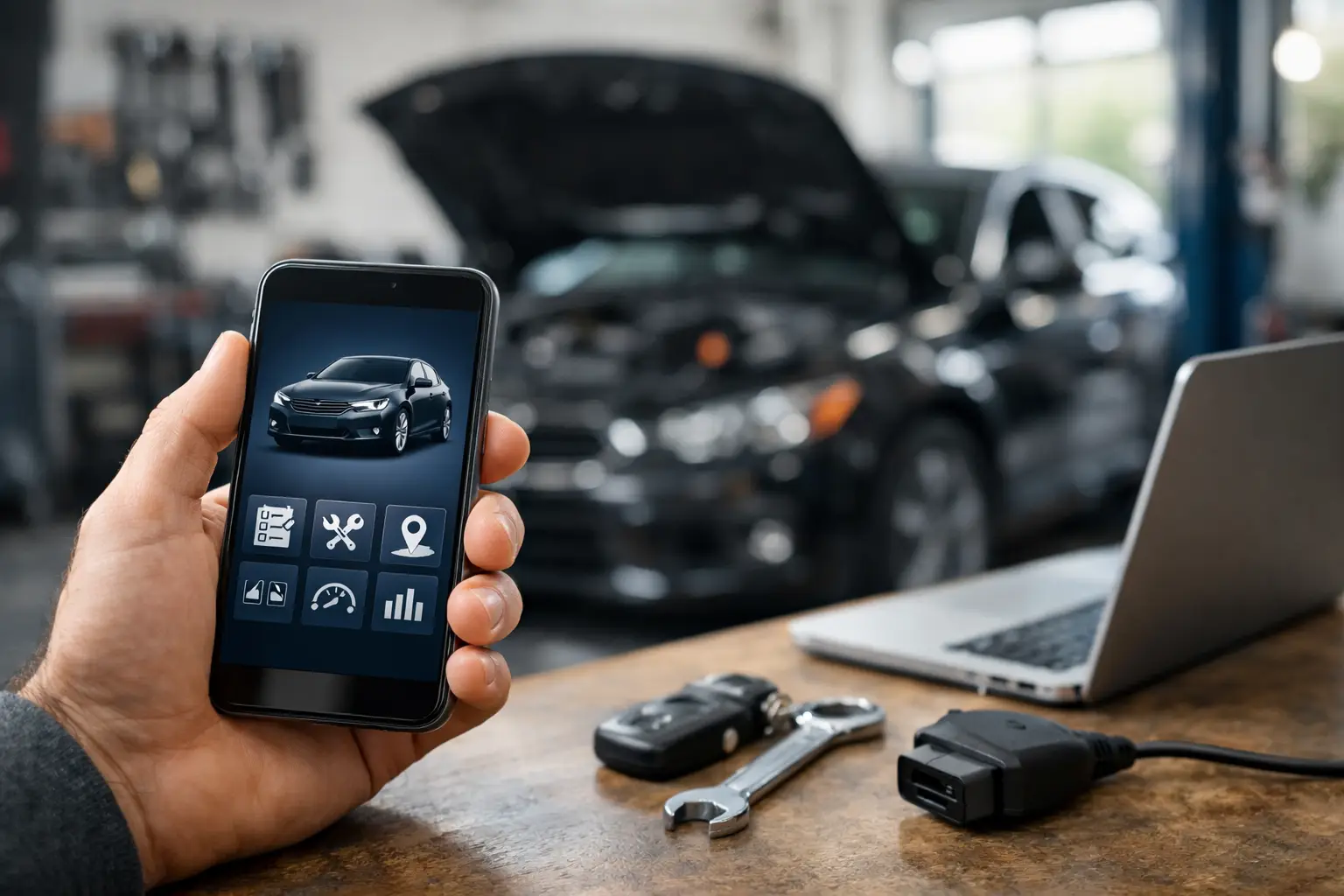
Miss one oil change interval, lose a brake service receipt, or forget when you installed those coilovers, and your vehicle history starts getting blurry fast. That is why a solid digital garage app review matters - not as app-store trivia, but as a real-world look at whether a platform can help you stay in control of maintenance, mods, costs, and long-term value.
For enthusiasts, this category is bigger than simple reminders. A true digital garage app needs to handle service records, aftermarket parts, photos, documents, and multiple vehicles without turning your ownership history into a mess of screenshots, notes apps, and glovebox paperwork. The best ones give you a clean record now and a stronger story later when it is time to troubleshoot, insure, or sell.
What a digital garage app should actually do
A lot of apps look useful in a feature grid and then fall apart in daily use. The real test is whether they reduce friction. Can you log work in under a minute? Can you attach receipts and mileage? Can you track a build over time instead of just checking off maintenance tasks?
That distinction matters. Basic car maintenance apps tend to focus on reminders only. That works if you just want a ping for your next tire rotation. It does not work nearly as well if you own a modified car, a project, a collector vehicle, or a household with multiple cars and uneven service schedules.
A stronger digital garage setup should do four things well. It should organize maintenance history, preserve modification records, store supporting documents, and make the whole record easy to reference later. If one of those breaks, the value drops quickly.
Digital garage app review: where most apps get it right
The good news is that this category has improved. Most modern digital garage apps now understand that vehicle ownership is ongoing, not a one-time setup. Mileage-based reminders, service timelines, and cloud syncing are becoming standard rather than premium extras.
That baseline is useful. If your current system is a spreadsheet plus a folder of receipts, almost any decent app will be a step up. You get cleaner records, better recall, and less chance of missing routine work. For daily drivers, that alone can save money by helping you stay ahead of deferred maintenance.
Many apps also do a respectable job with document storage. Being able to snap a photo of an invoice right after service is simple, but it solves a real problem. Receipts get lost. Phones do not, at least not in the same way. When your records live in one place, warranty claims, resale conversations, and maintenance planning all get easier.
Some platforms are also getting better at presenting ownership history visually. That matters more than it sounds. A clear timeline of services and upgrades helps you understand the vehicle at a glance, especially if you are juggling several projects or sharing a car with family members.
Where the category still falls short
This is also where a balanced digital garage app review needs some honesty. Plenty of apps are still built for generic consumers, not enthusiasts. They can remind you about oil changes, but they treat modifications like an afterthought or ignore them entirely.
That becomes frustrating once your vehicle is anything beyond stock. If you have installed wheels, suspension, intake components, lighting, audio equipment, or engine parts, you need more than a maintenance checklist. You need a record of what changed, when it changed, what it cost, and ideally what parts were used. Otherwise your build history lives in fragments.
Another weak point is context. Some apps let you enter a service item, but they do not give you a useful ownership story. You can log an alignment, for example, but cannot easily connect it to suspension work you did the month before. That makes the record less valuable for diagnosis and far less compelling for resale.
There is also a difference between storing data and making it usable. A cluttered interface, limited photo support, or poor search can make an app feel like digital paperwork instead of a control center. If it is annoying to use, most owners stop logging consistently. That is the failure point for almost every system.
What matters most for enthusiasts
If you care about your cars beyond basic transportation, the standard is higher. The app needs to support the way enthusiasts actually own vehicles. That means maintenance and mods living together, not in separate worlds.
A useful platform should let you document service like oil changes, brake work, coolant flushes, and inspections with mileage, dates, notes, and costs. It should also handle modifications as first-class entries, with photos, parts details, installation notes, and spending history. That is what turns a log into a real ownership archive.
Multi-vehicle support matters too. A lot of enthusiasts do not own just one car. They might have a daily, a weekend build, and a truck or SUV in the household. If the app becomes expensive or messy the moment you add a second or third vehicle, it stops being practical.
Reminders should also be flexible. Not every maintenance item follows the same rhythm. Some depend on mileage, some on time, and some on how the vehicle is actually used. A track-driven car, a stored collector car, and a commuter sedan should not be managed the same way.
The features that separate good from great
The gap between a decent app and a great one is usually trust. Can you trust it to hold your history, surface the right information, and make ownership simpler instead of heavier?
Cross-device access is a big part of that. Logging service on your phone is convenient in the garage or at the shop, but reviewing the full history on a desktop is often better when you are planning maintenance, organizing records, or preparing to sell. If the experience breaks across devices, the tool feels incomplete.
Shareability matters more than many apps assume. Enthusiasts do not only want a private log. They often want to show a clean build history to buyers, friends, insurance providers, or even their own future selves. A shareable profile can turn scattered records into something credible and easy to understand.
Smart automation can help too, as long as it is useful and not gimmicky. Receipt scanning, document capture, or AI-assisted organization can save time if the output is accurate. If it creates extra cleanup work, it is not helping. This is one of those areas where the idea is strong, but execution really depends on the platform.
Who actually benefits from using one
The clearest win goes to owners who already care about records but hate managing them manually. If you have ever kept receipts in a folder, tracked mods in your notes app, or tried to remember the mileage of your last transmission service from memory, you are the target user.
Project car owners benefit even more. Builds evolve in stages, and the cost history adds up quickly. When you can track what was installed, when, and for how much, you get a far better handle on the vehicle and your budget. You also build a stronger paper trail if you ever sell.
Collectors and multi-car households get a different kind of value. For them, the issue is not just detail. It is volume. The more vehicles you manage, the more likely something gets missed unless your records are centralized.
Even relatively casual owners can benefit if they plan to keep a car long term. The trade-off is simple: if you will only log a few oil changes and never look at the app again, a full-featured garage platform may feel like more than you need. But if you want history, accountability, and a better resale story, it starts making a lot of sense.
A practical verdict in this digital garage app review
So, is a digital garage app worth using? For most engaged car owners, yes. But not every app in the category deserves your time.
The best platforms are the ones that treat ownership as a full timeline. They help you log maintenance, track modifications, store proof, stay ahead of service, and present a history buyers trust. The weaker ones stop at reminders and leave the enthusiast side underbuilt.
That is the lens to use when evaluating any option, whether it is a generic maintenance tracker or something more enthusiast-focused like CarJourney. Do not just ask whether it can remind you about your next oil change. Ask whether it can become the home base for your vehicle history.
If it can do that, you are not just organizing data. You are protecting value, saving yourself future guesswork, and giving your car the kind of documented story it deserves. The right app should make ownership feel more controlled, not more complicated.