 carjourney
From the CarJourney journal
Selling Your Modified Car: Tips for Car Enthusiasts

Selling a modified vehicle presents unique challenges that differ significantly from selling a stock car. Car enthusiasts who have invested time, money, and passion into customizing their vehicles face a market that can be both selective and demanding. Understanding the right approach to selling your modified car can mean the difference between achieving top dollar and settling for less than your investment deserves. This comprehensive guide explores proven strategies for successfully selling modified vehicles while maximizing value and connecting with the right buyers who appreciate your build.
Understanding Your Market When Selling Modified Vehicles
The market for modified cars operates differently than the mainstream used car market. Not every buyer appreciates aftermarket modifications, which means identifying your target audience becomes critical.
Performance enthusiasts typically seek modifications that enhance horsepower, handling, or track capability. Show car collectors prioritize aesthetics, paint quality, and unique styling elements. Daily driver upgrades appeal to buyers wanting modest improvements without sacrificing reliability.
Research modern sales techniques to understand buyer-centric approaches that work in 2026. The key lies in matching your vehicle's specific modifications to buyers who value those exact upgrades.
Identifying Your Ideal Buyer Profile
Consider these buyer categories when selling modified vehicles:
- Track day enthusiasts seeking performance-ready cars
- Car club members looking for specific builds
- First-time modification buyers wanting turnkey solutions
- Collectors interested in documented, tasteful builds
- Budget-conscious buyers seeking value-added features
Your selling strategy should align with which category best matches your vehicle's modification profile.
Documentation: The Foundation of Successful Selling
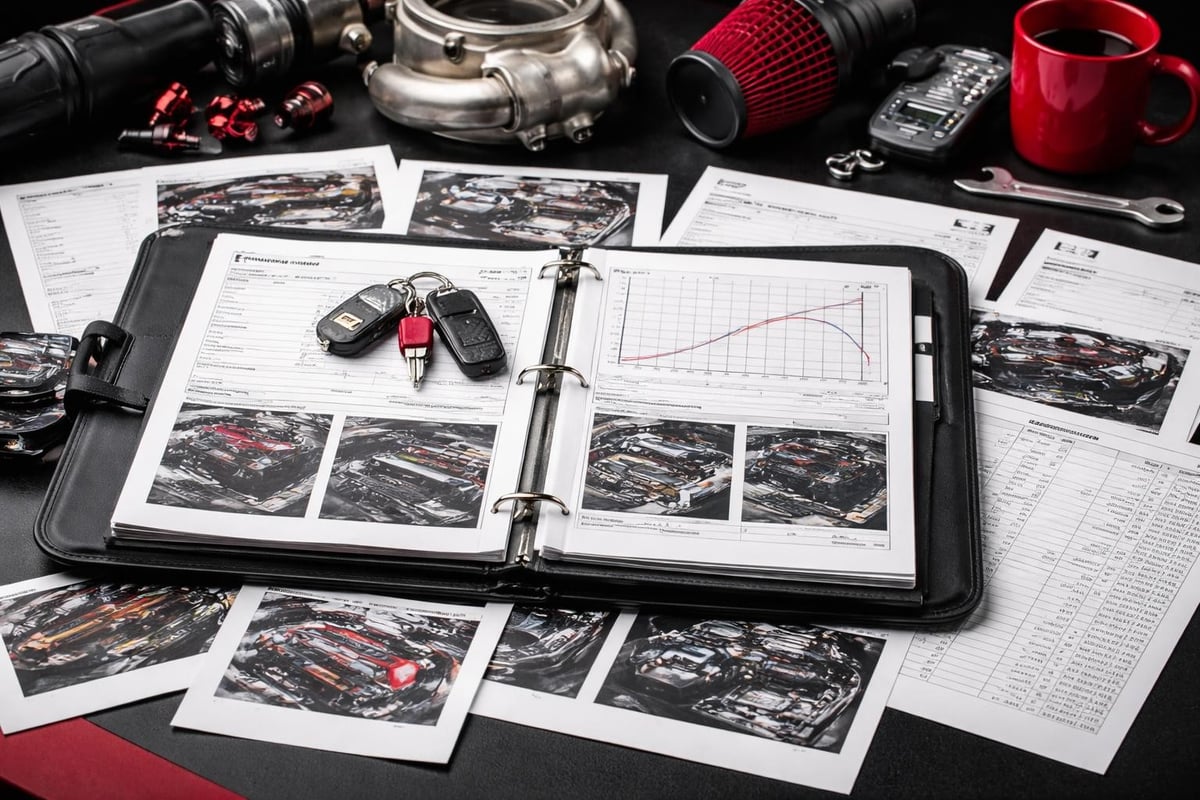
Nothing builds buyer confidence like comprehensive documentation. Modified car buyers want proof that work was performed correctly and that the vehicle has been properly maintained.
Maintaining detailed maintenance receipts throughout ownership demonstrates responsible care. Your documentation package should include receipts for all modifications, original parts if retained, dyno sheets proving performance claims, and service records showing regular upkeep.
Creating a Modification Portfolio
Build a complete modification portfolio that tells your car's story:
- Part receipts and invoices showing purchase prices and dates
- Installation documentation with shop names and labor costs
- Before and after photos of each modification stage
- Performance data including dyno results and lap times
- Maintenance logs proving consistent care throughout ownership
Professional installation receipts carry more weight than DIY work when selling to cautious buyers. If you performed installations yourself, detailed photos and process documentation help establish credibility.
Pricing Strategy for Modified Vehicles
Pricing modified cars requires realistic expectations. The unfortunate truth: modifications rarely add dollar-for-dollar value to a vehicle's resale price.
Calculate your baseline price starting with the stock market value of your make, model, and year. Add approximately 25-50% of modification costs for quality upgrades, then adjust based on market demand for your specific build style.
| Modification Type | Typical Value Recovery | Market Demand |
|---|---|---|
| Performance engine work | 40-60% | High for enthusiasts |
| Suspension upgrades | 30-50% | Moderate to high |
| Cosmetic modifications | 20-40% | Variable by taste |
| Audio/electronics | 15-30% | Low to moderate |
| Rare OEM parts | 60-80% | High for collectors |
Understanding effective sales techniques helps you position your price point appropriately while focusing on problem-solving for potential buyers.
Justifying Your Asking Price
When selling a modified vehicle, transparency about costs builds trust. Break down your asking price to show buyers the value they're receiving.
Present total modification costs separately from the base vehicle value. Highlight quality components from reputable brands that command respect in the enthusiast community. Emphasize the reliability work you've completed alongside performance upgrades.
Smart sellers acknowledge that buyers won't pay full modification costs but demonstrate why premium pricing makes sense. Point to comparable builds selling for similar amounts in your local market.
Marketing Your Modified Build Effectively
Effective marketing when selling modified cars requires reaching the right audience through appropriate channels. Generic classified sites attract casual browsers, while enthusiast forums and specialty platforms connect you with serious buyers.
Platform-specific strategies matter significantly. Facebook Marketplace and Craigslist offer broad reach but attract many tire-kickers. Enthusiast forums specific to your make/model connect you with knowledgeable buyers who understand your build. Bring a Trailer and Cars & Bids suit higher-value, well-documented builds seeking national exposure.
Crafting Compelling Listings
Your listing makes the first impression when selling any vehicle. Create detailed, honest descriptions that appeal to knowledgeable enthusiasts.
- Lead with key specifications and standout modifications
- Provide comprehensive modification lists organized by category
- Address common concerns proactively (emissions, warranty, reliability)
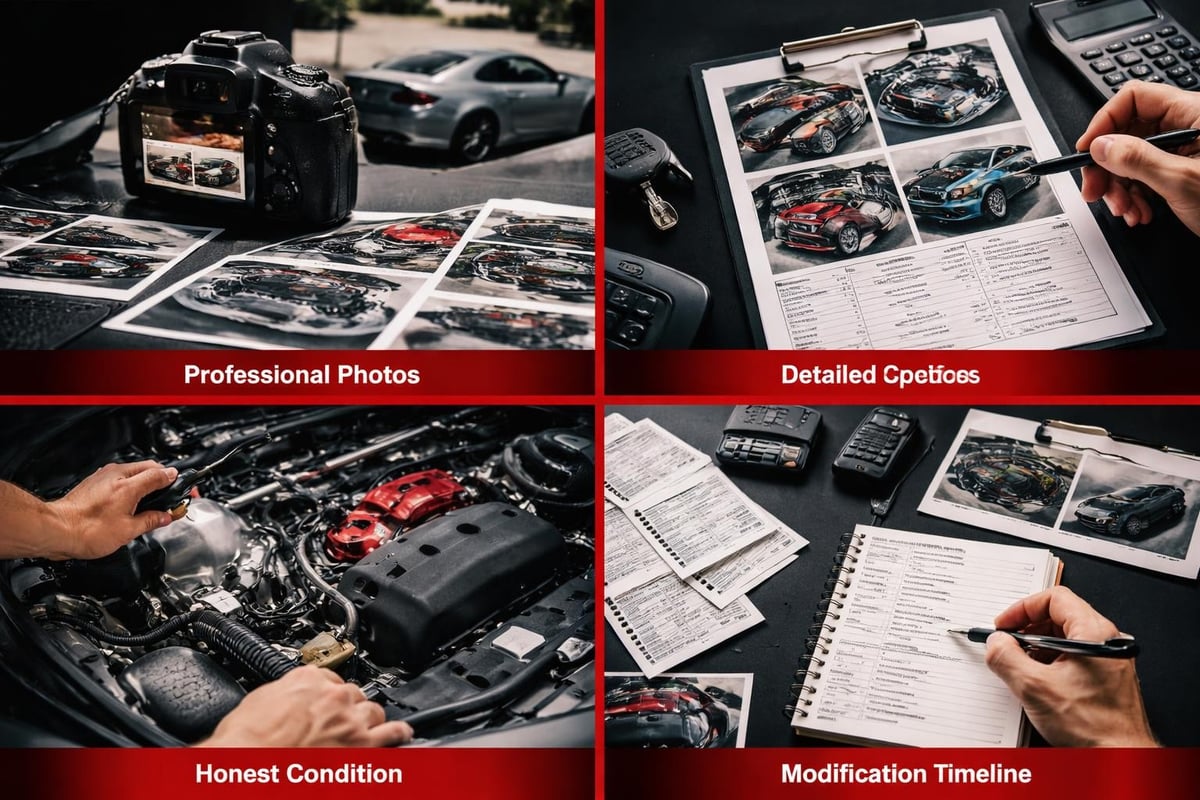
- Include high-quality photos showing details and overall condition
- List both positives and areas needing attention for credibility
Professional photography dramatically improves selling success. Invest time in clean, well-lit photos that showcase your build's best features and don't hide imperfections.
Leveraging Digital Tools for Selling Success
Modern selling benefits tremendously from digital documentation and presentation tools. Platforms like CarJourney enable car enthusiasts to create comprehensive digital profiles showcasing their builds with complete modification and maintenance histories.
Building a shareable profile that documents your entire ownership journey provides potential buyers with unprecedented transparency. Digital logs eliminate paper receipt hassles while demonstrating the care and attention invested in your vehicle. This approach aligns with consultative selling techniques that prioritize building value-driven relationships with prospects.
Creating Visual Selling Materials
Beyond standard listing photos, consider creating:
- Video walkarounds explaining modifications and demonstrating features
- Driving footage showing the car in action
- Compilation videos documenting the build process
- Comparison content showing before/after performance metrics
- Detail galleries highlighting quality workmanship
Video content dramatically increases engagement when selling modified vehicles. Buyers across the country can experience your car virtually before considering travel for in-person viewing.
Handling Buyer Interactions and Negotiations
Selling modified cars attracts various buyer types, from seasoned enthusiasts to first-time modification buyers. Adapt your communication style to match buyer knowledge levels.
Knowledgeable enthusiasts appreciate technical discussions about specifications, tuning strategies, and component choices. Less experienced buyers need education about what modifications mean for performance, reliability, and maintenance requirements.
Common Buyer Concerns and How to Address Them
Reliability questions dominate modified car discussions. Address these proactively by sharing maintenance records, explaining preventive measures taken, and offering inspection opportunities.
Emissions and legality concerns require honest answers. If modifications affect emissions compliance, clearly state this fact rather than leaving buyers to discover it later.
Insurance and financing challenges often surprise modification buyers. Recommend they contact insurance providers before committing, and understand that financing modified vehicles can be more difficult.
Future maintenance costs worry buyers unfamiliar with modified car ownership. Sharing your car maintenance budget history and explaining ongoing requirements sets realistic expectations.
Negotiation Strategies for Modified Vehicle Sales
Successful selling involves principled negotiation that protects your interests while reaching agreements. Set a firm bottom-line price before listing, and build a buffer between asking price and your minimum.
Justify your pricing with comparable sales data from enthusiast communities. Present modification receipts and maintenance documentation that prove value. Demonstrate that your asking price reflects quality work, reliable components, and meticulous care.
Managing Lowball Offers
Modified car listings inevitably attract lowball offers. Respond professionally while educating buyers about market realities.
Counter unrealistic offers with data showing comparable sales. Explain component costs and installation labor to illustrate value. Politely decline offers that don't merit serious consideration to avoid wasting time.
For buyers showing genuine interest but limited budgets, consider meeting in the middle if their offer approaches your acceptable range. Flexibility on price can accelerate selling while maintaining profitability.
Pre-Sale Preparation Steps
Preparation significantly impacts selling outcomes. Address deferred maintenance before listing to prevent buyers from discovering issues during inspections.
Complete a thorough detailing that showcases your vehicle's condition. Fix minor cosmetic issues that create negative impressions. Ensure all modifications function properly and any check engine lights are resolved.
Mechanical inspection recommendations demonstrate transparency:
- Conduct pre-purchase inspections yourself
- Address identified issues before listing
- Provide inspection reports to interested buyers
- Offer buyers independent inspection opportunities
- Fix safety-related concerns immediately
Consider research-backed sales strategies that focus on driving value for customers through thorough preparation.
Managing the Test Drive Process
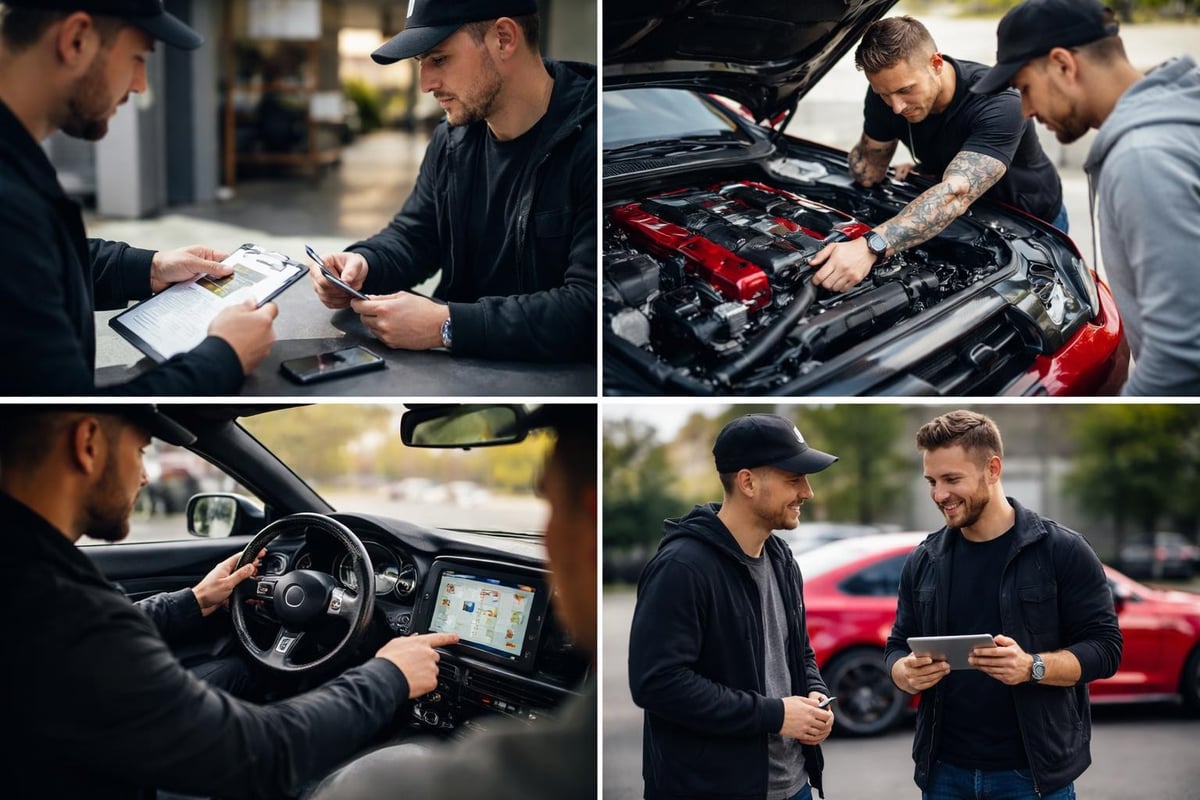
Test drives require special consideration when selling modified vehicles. Screen potential buyers before allowing drives to ensure they understand manual transmissions, turbocharged powertrains, or other unique features.
Test drive protocols for modified cars:
- Verify valid driver's licenses and insurance
- Accompany all test drives personally
- Start with explanations of unique features or quirks
- Set boundaries on driving style appropriate to location
- Demonstrate features yourself first when appropriate
High-value builds may warrant requiring deposits before test drives. This filters serious buyers from joyriders seeking free entertainment.
Finalizing the Sale Transaction
When selling any vehicle, proper transaction procedures protect both parties. Never accept personal checks from unknown buyers, and understand your state's title transfer requirements.
Transaction best practices include:
- Cash or verified cashier's checks for payment
- Bill of sale documenting all transaction details
- Clear title transfer following state regulations
- Removal of personal items and data from electronics
- Cancellation of insurance and registration immediately
For out-of-state buyers, research both states' requirements to ensure compliance. Some states require notarized signatures, while others have specific form requirements.
Handling Modifications During Transfer
Clarify which parts transfer with the vehicle and which you're retaining. If selling without certain components, return the car to stock configuration or clearly disclose missing parts.
Some sellers offer buyers the option to purchase additional parts separately, such as extra wheels, original intake systems, or spare components. This flexibility can facilitate selling while recouping additional investment.
Post-Sale Responsibilities and Follow-Up
Professional sellers maintain communication after transactions conclude. Provide new owners with modification documentation, spare parts if included, and contact information for shops that performed work.
Following up shows character and builds positive reputation within enthusiast communities. Answer questions new owners have about maintenance schedules, modification peculiarities, or recommended service providers.
Maintaining vehicle logs throughout ownership creates valuable documentation that smooths transitions to new owners. Digital platforms make this process seamless and professional.
Building Reputation for Future Sales
Car enthusiasts often buy and sell multiple vehicles throughout their hobby involvement. Building positive reputation facilitates selling future builds.
Encourage satisfied buyers to leave reviews on forums and selling platforms where you listed the vehicle. Join enthusiast communities and participate constructively beyond just selling vehicles. Document your builds publicly to establish credibility with potential future buyers.
Reputation-building activities include:
- Sharing build progress on forums and social media
- Answering questions from community members
- Contributing knowledge to discussion threads
- Attending car meets and events
- Documenting work quality through photos and videos
Strong community involvement means your next selling process starts with existing credibility rather than building trust from scratch.
Successfully selling a modified vehicle requires understanding your market, comprehensive documentation, realistic pricing, and effective communication with potential buyers. The strategies outlined above help car enthusiasts maximize value while connecting with buyers who appreciate their builds. When you're ready to document your next project or prepare your current build for sale, CarJourney provides the digital tools to track modifications, maintain service records, and create shareable profiles that demonstrate the care and quality invested in your vehicle.