 carjourney
From the CarJourney journal
How to Remove Stubborn Stains From Car Upholstery
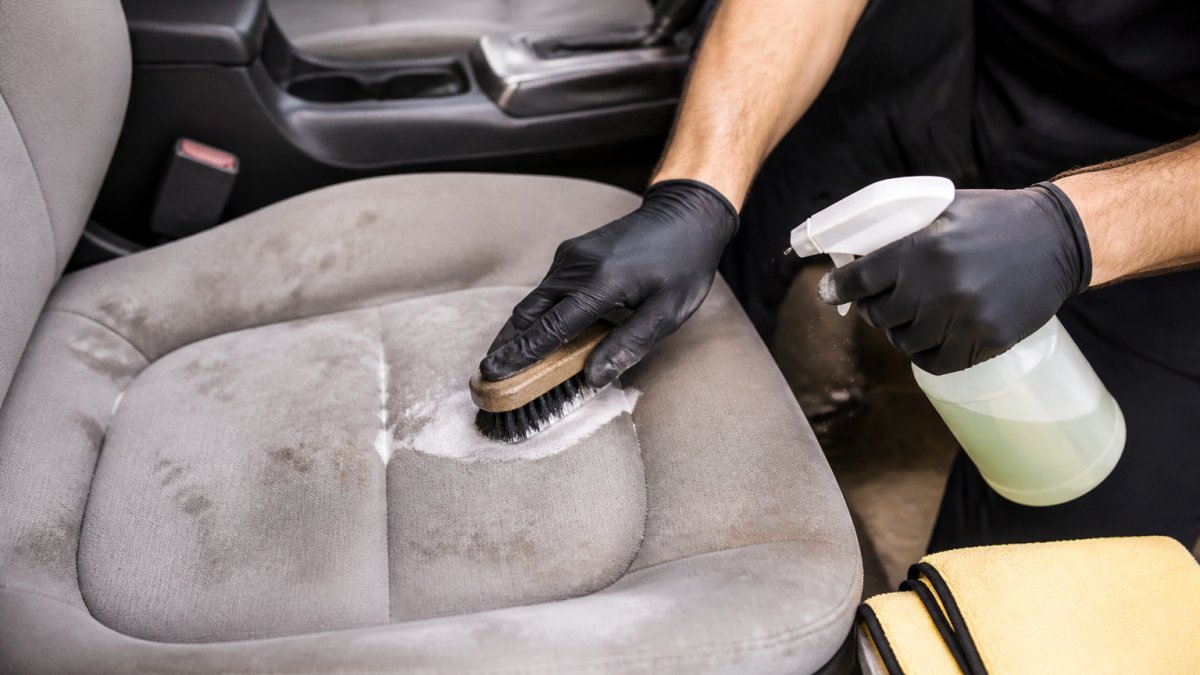
Table of Contents
- Assess Your Stain and Upholstery Material
- How to Clean Cloth Car Seats
- How to Clean Leather Car Seats
- Best Upholstery Cleaner for Car Seats
- How to Get Beer Out of a Car Seat
- Avoid Common Cleaning Mistakes
- When to Use Professional Cleaning or Extraction
- Frequently Asked Questions
Last Updated: October 12, 2026
Assess Your Stain and Upholstery Material
Learning how to remove stubborn stains from car upholstery starts with understanding what you're dealing with. Not all stains respond to the same treatment, and not all cleaning methods work on every fabric. Identify the stain type and your seat material before you grab any cleaner.
Identify the stain type
Different stains require different approaches. Match the method to what caused the damage, because a cleaning solution that works on one stain type can set another permanently into the fabric.
- Grease and oil (fries, sunscreen, hand lotion): needs a degreaser. Dish soap or a dedicated automotive degreaser breaks the oil film so it can be lifted. Water alone smears it deeper.
- Ink and marker: responds to isopropyl alcohol. Dab, never scrub, because scrubbing spreads the pigment and can push it under the fabric weave.
- Coffee, tea, and soda: often lift with mild soap and water. The sugar and tannins are the stubborn part, so rinse thoroughly to stop the stain from wicking back as it dries.
- Blood: requires cold water only. Hot water and heat coagulate the protein and lock the stain in permanently.
- Pet accidents: need an enzymatic cleaner to break down the organic matter. Soap and water remove the surface but leave the odor source, which keeps attracting the pet back to the same spot.
- Mud and dirt: let it dry fully, vacuum the crust, then treat the remaining pigment with soap and water. Wetting mud first drives it into the fibers.
- Milk and dairy: treat with an enzyme cleaner and rinse heavily. The residue sours and produces odor if any protein is left behind.
Determine your seat material
Upholstery falls into more categories than most guides admit, and each one tolerates different products. Check your owner's manual or the seat tag for the exact material, and when in doubt, test any cleaner on a hidden area first.
- Cloth and woven fabric: the most common and most forgiving. Absorbs liquid quickly, so it stains easily but also responds well to water-based cleaners, vinegar solutions, and mild detergent. Safe: dish soap, vinegar and water, baking soda, upholstery extractors. Avoid: bleach, ammonia on colored fabric, and over-wetting.
- Leather: porous and prone to water rings and uneven absorption. Safe: pH-balanced leather cleaner and a soft cloth. Avoid: vinegar, dish soap, alcohol, brushes, and heat drying, all of which strip the finish or crack the surface.
- Vinyl: a synthetic surface that resists staining but can dry out and crack. Safe: mild soap and water, vinyl conditioner afterward. Avoid: abrasive pads and alcohol, which dull the finish.
- Suede: textured and easily matted. Safe: a suede-specific brush and eraser, plus a foam cleaner. Avoid: soaking, scrubbing, and most household liquids, which flatten the nap.
- Alcantara: a premium microfiber suede that needs the gentlest handling. Safe: diluted mild soap applied to a cloth, then blotted. Avoid: brushing hard, saturating, and any oil-based product, which leaves permanent marks.
Once you know both the stain and the material, you can pick a method with confidence instead of guessing.
How to Clean Cloth Car Seats
Cloth seats are your best option for DIY cleaning because they respond well to household solutions and simple tools. The process takes about 30 minutes per seat.
Prepare your cleaning supplies
Gather these items before you start:
- Soft-bristled brush (old toothbrush works)
- Microfiber cloth or clean cloth
- Spray bottle
- Your chosen cleaning solution
- Towels for drying
- Optional: portable carpet cleaner or upholstery extractor for deep cleaning
Having everything ready prevents you from leaving a half-cleaned stain while you search for supplies.
Apply and work the cleaner
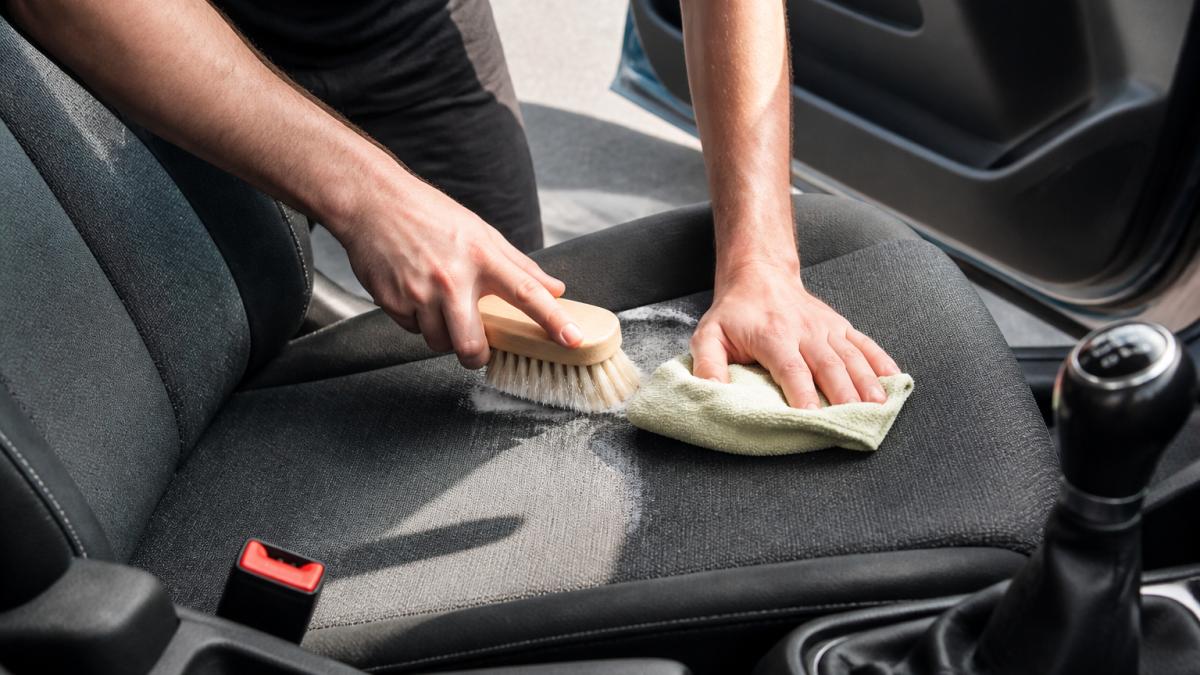
Spray your cleaning solution directly onto the stain. Don't oversaturate, the goal is damp, not soaked.
Use your soft brush to scrub gently in circular motions. Press down with light to medium pressure.
Blot with a clean cloth to lift the loosened stain.
Rinse the area with clean water using a spray bottle. Blot again to remove cleaning residue.
How to Clean Leather Car Seats
Leather requires a gentler approach than cloth. It's less forgiving and more expensive to replace, so caution is essential. The same logic applies to the other non-cloth surfaces in a car, and each one has its own safe and unsafe products.
"Say Goodbye to Stains: Easy Car Cloth Seat Upholstery Cleaning Guide!
Elite Car Detailing Studio
Leather
Use a leather-specific cleaner, never household solutions.
Blot immediately with a clean, dry cloth. Leather doesn't need to sit as long as cloth, 30 seconds to 1 minute is enough.
Test your cleaner on the seat bottom or underside first. Leather color can vary, and some cleaners may lighten or darken the material.
Vinyl
Vinyl is a coated synthetic surface, so it resists staining better than leather but can dry out and crack over time. Wipe with a mild soap-and-water solution on a soft cloth, then rinse with a clean damp cloth. Finish with a vinyl conditioner to keep the surface supple. Avoid abrasive pads and alcohol-based cleaners, which dull the finish and speed up cracking.
Suede
Suede is textured and mats easily when wet. Brush the nap with a suede brush to lift dirt, then use a suede eraser on dry marks. For liquid stains, apply a suede-specific foam cleaner sparingly and blot, never soak. Let it air-dry away from heat, then re-brush the nap once dry. Avoid household liquids and hard scrubbing, which flatten the texture permanently.
Alcantara
Alcantara is a premium microfiber suede that needs the gentlest handling of any upholstery. Dilute a mild soap in water, dip a soft microfiber cloth, wring it nearly dry, and blot the stain. Do not saturate the material. Rinse with a clean damp cloth and blot dry. Avoid oil-based products, hard brushing, and heavy moisture, all of which leave permanent marks on the nap.
Pro Tip For any non-cloth surface, apply the cleaner to the cloth first rather than spraying the seat directly. This gives you control over how much liquid reaches the material and keeps product out of seams, perforations, and stitching.Safe cleaning around seat electronics and airbags
Modern seats contain heated-seat elements, occupancy sensors, and side airbag modules. Never spray cleaner directly near buttons, vents, wiring connectors, or the seam where a side airbag deploys. Spray cleaner onto a cloth first, then apply to the seat. Avoid the outer bolster where side airbags are located. If you accidentally wet an electronic area, dry it immediately with a cloth and let the seat air-dry before using the car.
Best Upholstery Cleaner for Car Seats
You don't need expensive commercial products. Common household solutions work well for most stains when applied correctly.
Vinegar and water solution
Mix one part white vinegar with three parts water in a spray bottle. This solution cuts through grease, lifts light stains, and deodorizes. It's safe for cloth and synthetic blends but should not be used on leather.
The vinegar smell fades as the seat dries. If you're sensitive to the odor, add a few drops of essential oil to the mixture.
Dish soap and water method
Mix one teaspoon of mild dish soap with two cups of warm water. This gentle solution works on most stains without damaging fabric. It's safe for cloth, leather, and synthetic blends.
Avoid harsh dish soaps designed for heavy grease. Stick to mild formulas like Dawn or similar gentle brands. Too much soap leaves residue that attracts dirt.
Baking soda for odor and absorption
Sprinkle dry baking soda directly on the stain and let it sit for 15-30 minutes. Baking soda absorbs moisture and odors. Vacuum it up, then treat the stain with your chosen cleaner.
For stubborn odors, leave baking soda on the seat overnight. This works especially well for pet accidents and spills that have been sitting for days.
How to Get Beer Out of a Car Seat
Beer stains are sticky and can leave residue even after the liquid dries.
Blot up as much liquid as possible immediately with paper towels or a cloth.
The key is thorough rinsing. Spray with clean water multiple times and blot each time.
If the stain has already dried, soak the area with your cleaning solution for 20-30 minutes before scrubbing.
Avoid Common Cleaning Mistakes
Even the right cleaning solution can cause damage if applied incorrectly. These mistakes are common and preventable.
Water rings and over-wetting
The biggest mistake is using too much water. Excess moisture creates water rings, especially on leather and darker fabrics.
Use a spray bottle, not a bucket. Apply cleaner in light mists. If the seat is dripping wet, you've used too much.
Allow seats to dry completely before using the car. Crack windows or use air conditioning to speed drying.
Color transfer and fabric damage
Test cleaners on hidden areas first. Some solutions can lighten or darken fabric, especially on older seats. Aggressive scrubbing damages the weave and creates worn patches.
Use gentle pressure and let the cleaner do the work. A soft brush and time remove stains better than force. If a stain won't lift after three or four attempts, it may be permanent or require professional extraction.
Cleaning around electronics and airbags
Modern car seats have electronic controls and airbag sensors. Never spray cleaner directly near buttons, vents, or sensor areas. Liquid can damage electronics and disable safety features.
Spray cleaner onto a cloth first, then apply to the seat. This gives you control over moisture. Avoid the sides of seats where airbags are located.
When to Use Professional Cleaning or Extraction
Consider professional cleaning if:
- The stain has been there for weeks or months
- DIY methods have failed after multiple attempts
- The stain covers a large area
- You're preparing to sell the car and want perfect results
- The stain is on expensive leather or specialty upholstery
Professional equipment like hot water extraction or steam cleaning can handle stubborn stains that household solutions can't touch.
For daily drivers, DIY cleaning handles most spills and stains. For resale preparation or high-value vehicles, professional cleaning is the safer choice.
Keeping your car's interior clean protects its value and makes driving more enjoyable.
Frequently Asked Questions
What's the safest way to remove stubborn stains from car upholstery without damaging the fabric?
Test any cleaning solution in an inconspicuous area first. Use a soft brush or microfiber cloth with gentle circular motions, never aggressive scrubbing. Blot stains rather than rub them, and avoid over-wetting the fabric. Start with mild solutions like vinegar and water or dish soap before moving to stronger cleaners. Always let the solution sit for 10-15 minutes to break down the stain, then rinse thoroughly with clean water and allow proper drying time to prevent water rings and color transfer.
Will vinegar and dish soap remove stains from car upholstery?
Yes, both work well for light to moderate stains. White vinegar cuts through grease and odors, while dish soap breaks down organic matter. Mix vinegar with water in a 1:1 ratio, or dilute a few drops of mild dish soap in water. Spray the solution onto the stain, let it sit for 10-15 minutes, then blot with a clean cloth. These household solutions are safe for most cloth upholstery, but test leather seats separately as vinegar can damage some finishes.
How do you remove grease stains from car seats?
Grease stains require a degreasing solution. Start by blotting excess grease with a clean cloth, then apply a dish soap and water mixture directly to the stain. Let it sit for 15-20 minutes to break down the oil, then scrub gently with a soft brush using circular motions. Blot repeatedly with a damp cloth to lift the grease, rinse with clean water, and allow to air dry. For stubborn grease, a dedicated upholstery cleaner or extraction method may be necessary.
When should I use professional cleaning instead of DIY methods?
Use professional cleaning for large stains, set-in stains that don't respond to household solutions, or when the upholstery is delicate or high-value. Steam extraction and portable carpet cleaners are effective for deep cleaning but risk over-wetting if not used carefully. Professional services are also recommended for leather upholstery with stubborn stains, or if you need to clean around sensitive electronics and airbags without risk of water damage.
Start free