 carjourney
From the CarJourney journal
How to Track Vehicle Maintenance Right
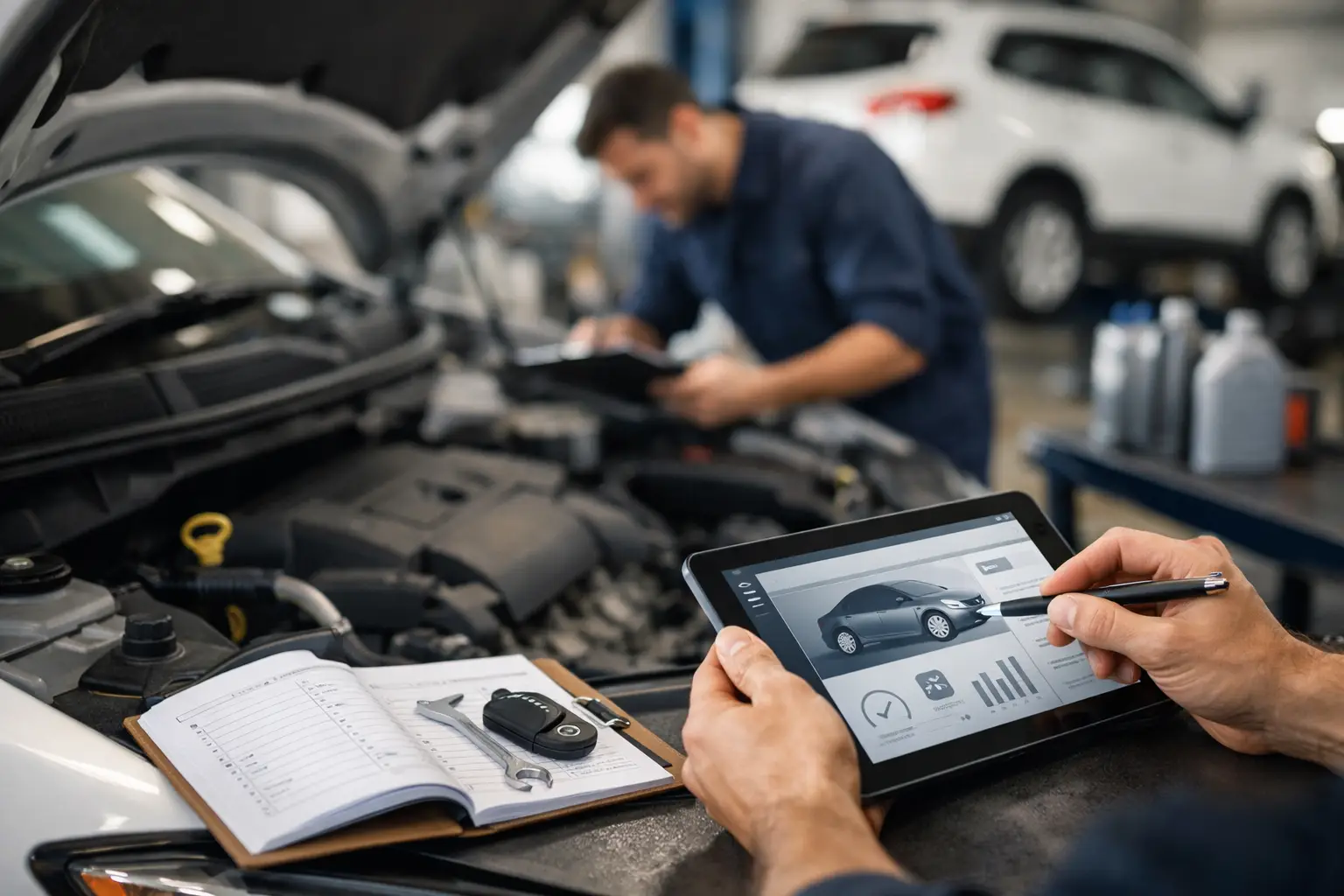
Missing one oil change is annoying. Missing the paper trail for three years of maintenance, warranty work, tire rotations, and parts upgrades is where ownership starts getting expensive.
That is why learning how to track vehicle maintenance matters more than most drivers think. A good system does more than remind you when to change fluids. It helps you catch patterns, prove care, protect resale value, and keep the full story of the car in one place - especially if you own something modified, older, or worth preserving.
Why most maintenance tracking systems fail
The problem usually is not effort. It is fragmentation. A receipt is in the glove box, an alignment note is in your email, the mileage for the last brake job is scribbled on a shop invoice, and your mod list lives in your camera roll or notes app.
That setup works until it does not. You forget when the transmission service was done. You cannot remember which spark plugs went in. A buyer asks for records and you know you have them somewhere, but not in a way that builds confidence.
For enthusiasts, the problem gets bigger. A basic reminder app might cover oil changes, but it usually does not help you track coilovers, wheels, tunes, warranty paperwork, install dates, or what you actually spent on the car over time.
How to track vehicle maintenance without making it a chore
The best system is the one you will still use six months from now. That means keeping it simple enough to update in two minutes, but detailed enough to be useful later.
Start by treating every service event as a record, not just a reminder. A reminder tells you something is due. A record tells you what happened, when it happened, at what mileage, who did the work, what parts were used, and how much it cost. That difference matters when diagnosing problems or proving ownership history.
At a minimum, each entry should include the date, odometer reading, service performed, parts or fluids used, total cost, and any supporting receipt or photo. If the job relates to a pattern-prone issue, add a short note. Something like "front pads replaced due to uneven wear" is much more useful later than "brakes done."
Build one home base for every vehicle
If you own more than one car, truck, or bike, separate records become essential. Mixing everything into one spreadsheet or notes app gets messy fast.
Create a dedicated profile for each vehicle with its VIN, model year, current mileage, tire size, fluid specs if you want quick reference, and a full running history of service and modifications. That gives you control immediately. It also makes it easier to hand off information to a family member, a shop, or a future buyer.
A digital garage is usually better than paper alone because it is searchable, backed up, and available wherever you are. Paper records still have value, especially for original invoices and warranty documents, but they should support your system, not be the system.
What you should actually log every time
People tend to record the big jobs and forget the smaller stuff. That is a mistake. The little maintenance items are often what prevent the expensive repairs.
You should log routine service like oil changes, tire rotations, alignments, air filters, cabin filters, brake fluid, coolant, batteries, and inspections. You should also log unscheduled repairs such as sensors, leaks, misfires, and electrical fixes. If you modify your car, track those installs too, including brand, part number, install date, and cost.
This is where maintenance tracking turns into ownership history. A clean record showing regular service plus documented modifications tells a stronger story than memory ever will. It also helps when a new issue shows up and you need context fast.
Use mileage, time, and condition together
A lot of people want a single answer for service intervals, but real life does not work that way. Some maintenance is mileage-based. Some is time-based. Some depends on how the car is driven.
Oil is the easiest example. A weekend car may only see a few thousand miles a year, which means time matters more. A daily-driven turbo car that gets driven hard may need closer attention than the generic interval printed in a broad maintenance chart. Brake fluid, tires, and batteries also depend heavily on age and conditions, not just mileage.
The smartest way to track vehicle maintenance is to use all three signals. Set reminders based on mileage and time, then adjust based on inspection results and driving style. If you tow, track days, sit in traffic daily, or let a collector car sit for long stretches, your maintenance reality is different from the average owner's manual scenario.
Receipts matter more than people realize
A log entry without proof is still better than nothing, but documentation adds trust. Save invoices, parts receipts, warranty paperwork, and photos of work completed. If you do your own maintenance, photograph the odometer, the parts used, and the job in progress when relevant.
That may sound excessive until you sell the vehicle or need to troubleshoot a repeat issue. Suddenly, being able to show exactly when coils, injectors, rotors, or tires were installed becomes a real advantage.
For enthusiast builds, receipts also keep upgrade spending honest. Plenty of owners know they have invested a lot into a car, but not exactly where the money went. Clear records help you make smarter decisions about future upgrades and maintenance priorities.
Spreadsheets work, but they have limits
A spreadsheet is better than no system at all. It is flexible, cheap, and familiar. For a single stock daily driver, that might be enough.
But spreadsheets start to break down when you want mobile access, photo storage, automatic reminders, document uploads, or an easy way to separate maintenance from modifications. They also rely on manual structure. If you are busy, entries get delayed, formats get inconsistent, and details get skipped.
That is why many enthusiasts move to a dedicated platform built around service history, reminders, receipts, and build tracking in one place. CarJourney fits that use case well because it gives you a centralized record for maintenance, mods, costs, and documents without forcing you to juggle five different tools.
How detailed should your records be?
It depends on the car and your goals.
If you lease a daily commuter and plan to turn it in soon, basic service history may be enough. If you own a project car, a performance build, a collector vehicle, or anything you may sell privately later, more detail pays off.
A good rule is to log enough that another informed owner could understand the car's history without needing your memory to fill the gaps. That means recording what was done, why it was done if relevant, what parts were used, and what the car's mileage was at the time. If a tune, suspension setup, or wheel and tire package changes how the car should be maintained, note that too.
The real payoff: control, trust, and fewer surprises
Tracking maintenance is not just about staying organized. It changes how you own the vehicle.
You start seeing patterns before they become expensive. You stop buying duplicate parts because you forgot what is installed. You can check service history before a road trip or track day in seconds. If a shop recommends work, you can compare that recommendation against what was actually done and when.
And when it is time to sell, trade, or transfer the vehicle, you are not just saying it was well cared for. You can prove it. Buyers trust documented history. Shops diagnose faster with context. Even if you plan to keep the car for years, that trust still matters because it gives you confidence in your own records.
A simple system you will keep using
If your current setup is scattered, do not try to rebuild your entire ownership history in one night. Start with the vehicle you care about most. Add the current mileage, log the last major services you can verify, upload the receipts you have, and set reminders for the next items due.
From there, update the record every time you touch the car - whether it is an oil change, a tire swap, a battery replacement, or a full suspension install. Consistency beats perfection.
The best maintenance tracker is not the one with the most fields. It is the one that gives you a clear history, helps you act on time, and makes your vehicle easier to own. When your records are complete, your car is not just maintained. Its story is protected.