 carjourney
From the CarJourney journal
Pre-Sale Maintenance Workflow: Maximize Your Resale Value
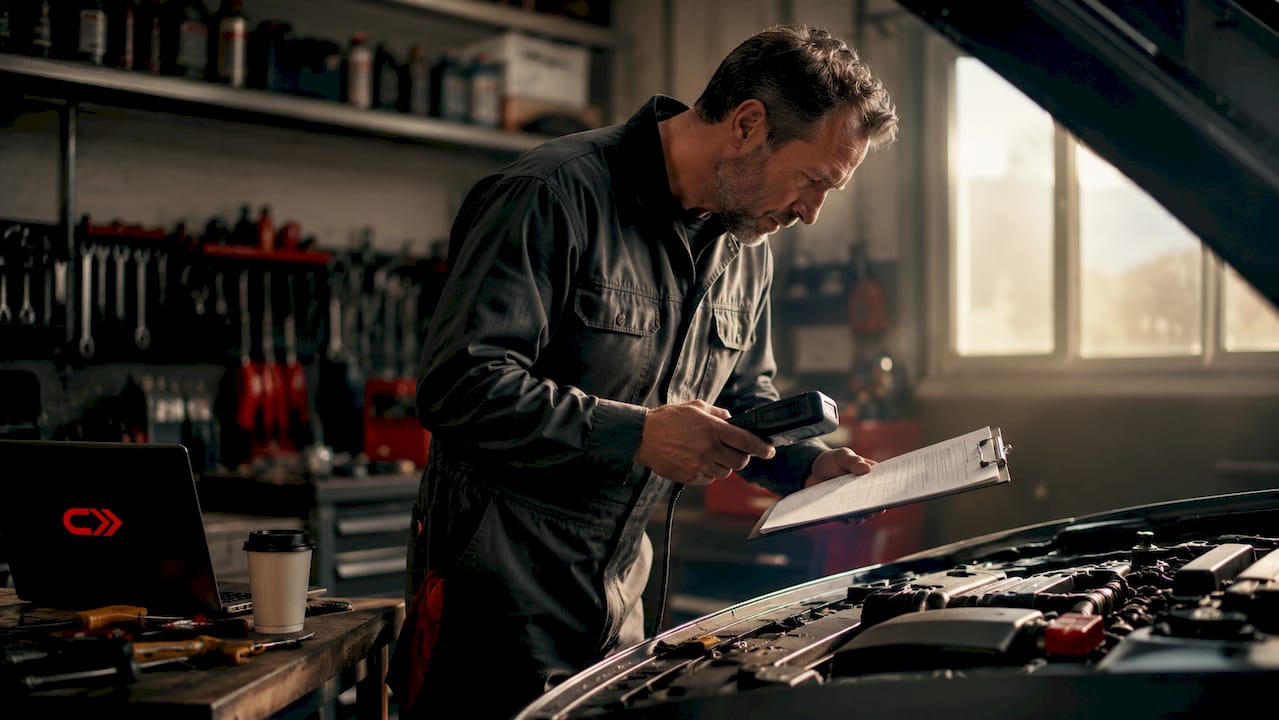
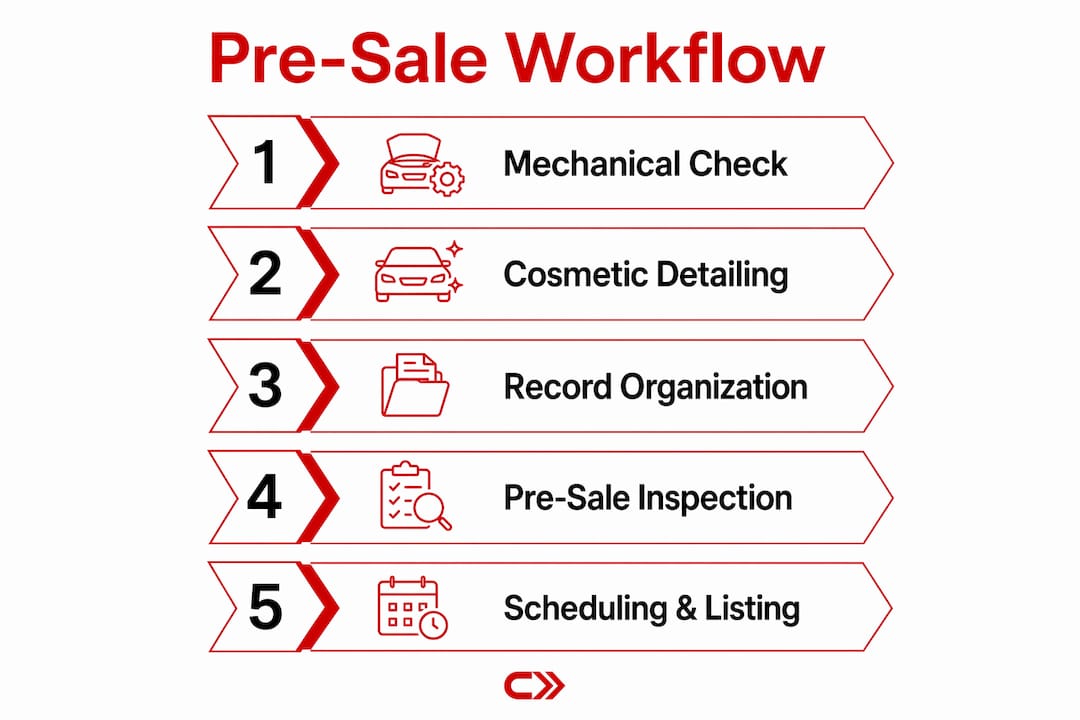
A pre-sale maintenance workflow is a systematic process of preparing your vehicle mechanically, cosmetically, and documentarily before listing it for sale. Done right, it directly increases what buyers will pay and how fast they sign. Professional detailing alone can boost resale value by 10–20% and cut time to sale by around 25%. That kind of return makes preparation a financial decision, not just a cosmetic one. The industry term for this process is “pre-sale vehicle preparation,” and the workflow approach treats it as a structured sequence rather than a last-minute scramble.
What essential tasks should be in a pre-sale maintenance workflow?
The core of any pre-sale maintenance workflow is a service preparation checklist that covers both mechanical and cosmetic items. Skipping either category leaves money on the table. Buyers make up their minds fast. 93% of visual impact happens within the first five minutes of viewing a vehicle. That means your car needs to pass a visual and mechanical test before a single question gets asked.
Mechanical must-dos
Start with the systems buyers cannot see but will definitely feel:
- Fluids: Top off or replace engine oil, coolant, brake fluid, power steering fluid, and windshield washer fluid. Low or dirty fluid signals neglect immediately.
- Tires: Check tread depth and tire pressure. Replace tires with low tread. Uneven wear points to alignment issues, which buyers notice on the test drive.
- Brakes: Inspect pad thickness and rotor condition. Soft or squeaky brakes are among the most common deal-killing mechanical issues that kill asking prices.
- Belts and hoses: A cracked serpentine belt costs little to replace but signals major neglect if a buyer spots it.
- Warning lights: Clear any Check Engine light before listing. A lit dashboard warning is the single fastest way to lose negotiation leverage.
Cosmetic must-dos
- Exterior wash and clay bar treatment: Remove embedded contaminants before polishing.
- Paint correction or touch-up: Address chips and scratches. Even minor paint work pays back multiples.
- Interior deep clean: Vacuum, shampoo carpets, and wipe all surfaces. Remove personal items completely.
- Glass cleaning: Clean all windows inside and out. Hazy glass reads as poor upkeep.
- Odor elimination: Use an ozone treatment or enzyme-based cleaner. Masking sprays do not fool buyers.
Pro Tip: Avoid over-dressing surfaces like the steering wheel and pedals. A greasy wheel is a red flag to experienced buyers who assume you are hiding wear.
How do you organize maintenance records to build buyer trust?
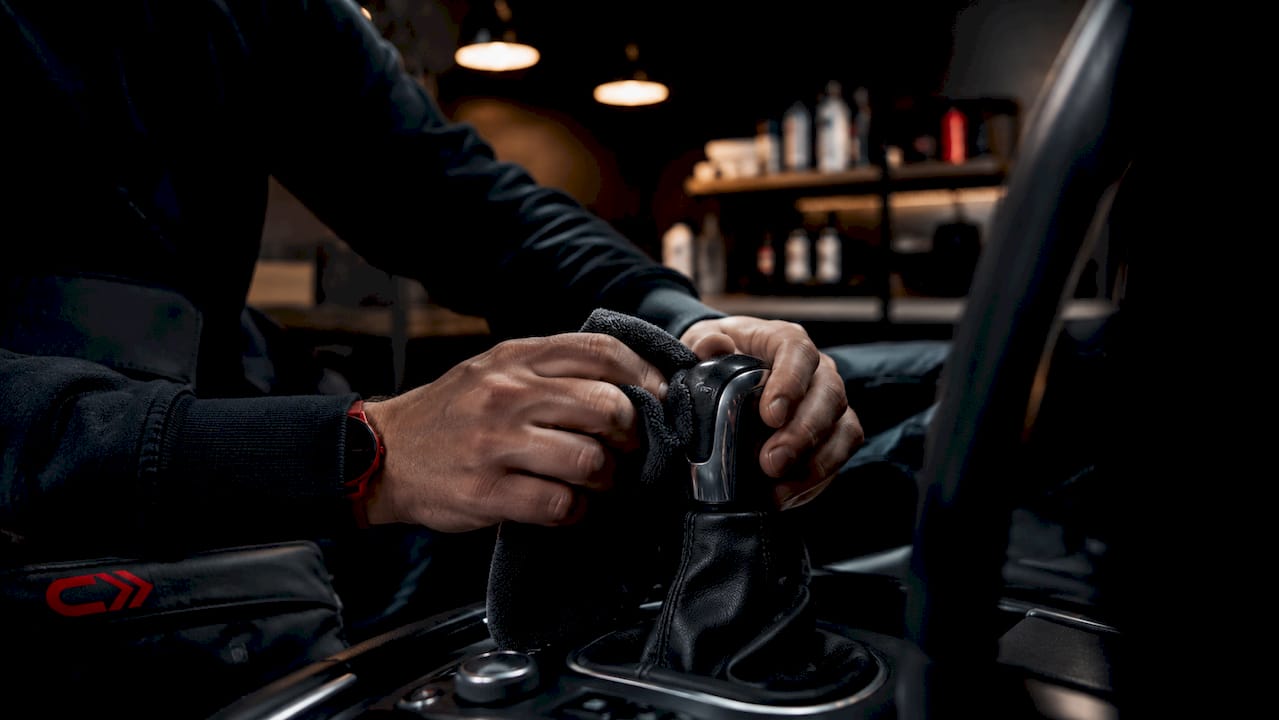
Organized service records are as important as the mechanical preparation itself. Chronological documentation in a clean folder or digital equivalent reduces buyer anxiety and gives you the standing to hold your asking price. Most sellers skip this step entirely, which is exactly why doing it sets you apart.
A complete pre-sale documentation package shifts the buyer’s mindset. Instead of hunting for problems to justify a lower offer, they start connecting emotionally with a vehicle that clearly has a known, predictable history. Maintenance history communicated as predictability moves buyers from defensive price haggling to genuine interest.
Collect and organize the following:
- Oil change receipts, sorted oldest to newest
- Tire purchase and rotation records
- Brake service invoices
- Any major repair receipts (transmission, suspension, timing belt)
- Recall completion notices from the manufacturer
- State inspection or emissions certificates
Store physical copies in a labeled binder. Keep digital backups in a folder you can share by email or text. Carjourney’s AI can scan your existing service documents and organize them automatically, which is a significant time saver if your records are scattered. The Carjourney blog covers what maintenance records matter most when it comes to used car pricing and buyer confidence.
Pro Tip: Print a one-page maintenance summary showing dates, mileage, and services performed. Hand it to every serious buyer. It signals professionalism and makes your asking price feel justified before they even open the hood.
What does a mechanical pre-sale inspection involve?
A pre-sale inspection is a third-party mechanical audit performed before you list the vehicle. It costs less than most repairs and prevents far more expensive surprises during buyer negotiations. Schedule it at an independent shop, not a dealership, to get an unbiased report.
Here is the standard sequence for executing a mechanical inspection workflow:
- Book the inspection two to three weeks before your target listing date. This gives you time to address findings without rushing.
- Request a written report. A verbal summary is not enough. You need a document you can show buyers.
- Review findings by priority. Separate deal-killers (Check Engine light, brake failure, fluid leaks) from minor items (worn wiper blades, a small coolant seep).
- Fix the deal-killers. Anything a buyer can see, hear, or feel during a test drive must be addressed. The test drive is the vehicle’s audition, and minor irregularities read as signs of costly upcoming repairs.
- Disclose minor issues with repair quotes attached. For items you choose not to fix, get a written estimate from the shop. Presenting a quote during negotiation neutralizes a buyer’s attempt to wildly undercut your price.
Pro Tip: A third-party inspection report used proactively in negotiations is one of the most underused seller tools. It shows confidence and removes the buyer’s information advantage.
For performance vehicles, a proper wheel alignment check belongs on the inspection list. Misalignment causes uneven tire wear and a pulling sensation that buyers notice immediately on the test drive.
How should you time and schedule your pre-sale workflow?
Workflow management matters as much as the tasks themselves. Listing too early, before repairs and detailing are complete, costs you money. Listing too late, after you have already paid for detailing that fades, wastes your investment. The goal is to complete all preparation within a two-week window before going live.
| Task | Timing Before Listing | Estimated Cost |
|---|---|---|
| Mechanical inspection | 3 weeks out | $100–$150 |
| Repairs (deal-killers) | 2–3 weeks out | Varies |
| Safety or inspection certificate | 2 weeks out | $90–$200 |
| Professional detailing | 3–5 days out | $350–$500 |
| Photos and listing creation | 1–2 days after detailing | $0–$100 |
Safety certificates costing $90–$200 remove a major point of buyer hesitation and speed up the ownership transfer process. They signal that the vehicle passed an official standard, not just your own assessment.
Detailing should happen as close to listing day as possible. Professional detailing helps sell cars 25% faster with fewer negotiation obstacles, but a car that sits for three weeks after detailing loses that advantage. Time it right and the photos will reflect the car at its best.
One common scheduling mistake is completing repairs and then waiting too long to list. Buyers who see a freshly listed vehicle with recent service records and a clean appearance move faster and negotiate less. Delay erodes that momentum.
Key Takeaways
A disciplined pre-sale maintenance workflow, covering mechanical repairs, professional detailing, organized records, and timed scheduling, produces the highest resale price and the fastest sale.
| Point | Details |
|---|---|
| Fix mechanical deal-killers first | Address Check Engine lights, brakes, and belts before any cosmetic work. |
| Detail close to listing day | Schedule detailing 3–5 days before photos to preserve condition. |
| Organize service records | Chronological documentation lets you hold your asking price with confidence. |
| Use inspection reports strategically | A third-party report neutralizes buyer lowball attempts during negotiation. |
| Time your listing window | Complete all preparation within two weeks of going live for maximum impact. |
What sellers get wrong about pre-sale preparation
Most sellers focus on appearance and ignore documentation. That is the wrong priority order. A spotless car with no service history still invites skepticism. A car with a complete, organized service folder and a third-party inspection report commands respect before the buyer even sits in the driver’s seat.
I have seen sellers spend $600 on detailing and then hand over a crumpled oil change receipt from three years ago as their “maintenance history.” The detailing did its job. The documentation undid it. Buyers are not just buying a car. They are buying confidence that the car will not surprise them next month.
The other mistake I see constantly is fixing everything. Not every repair makes financial sense before a sale. A $1,200 repair on a car you are selling for $8,000 needs to pencil out. If it does not, disclose it with a written estimate and price accordingly. Buyers respect honesty backed by documentation far more than a car that seems too perfect.
Cleanliness and documentation together create a psychological effect that is hard to overstate. Buyers who see a well-maintained vehicle stop looking for problems and start imagining ownership. That shift is where your asking price gets protected.
— Chally
Carjourney makes your pre-sale preparation easier
Pulling together years of service records, receipts, and inspection reports takes time. Carjourney was built specifically to remove that friction for vehicle owners.
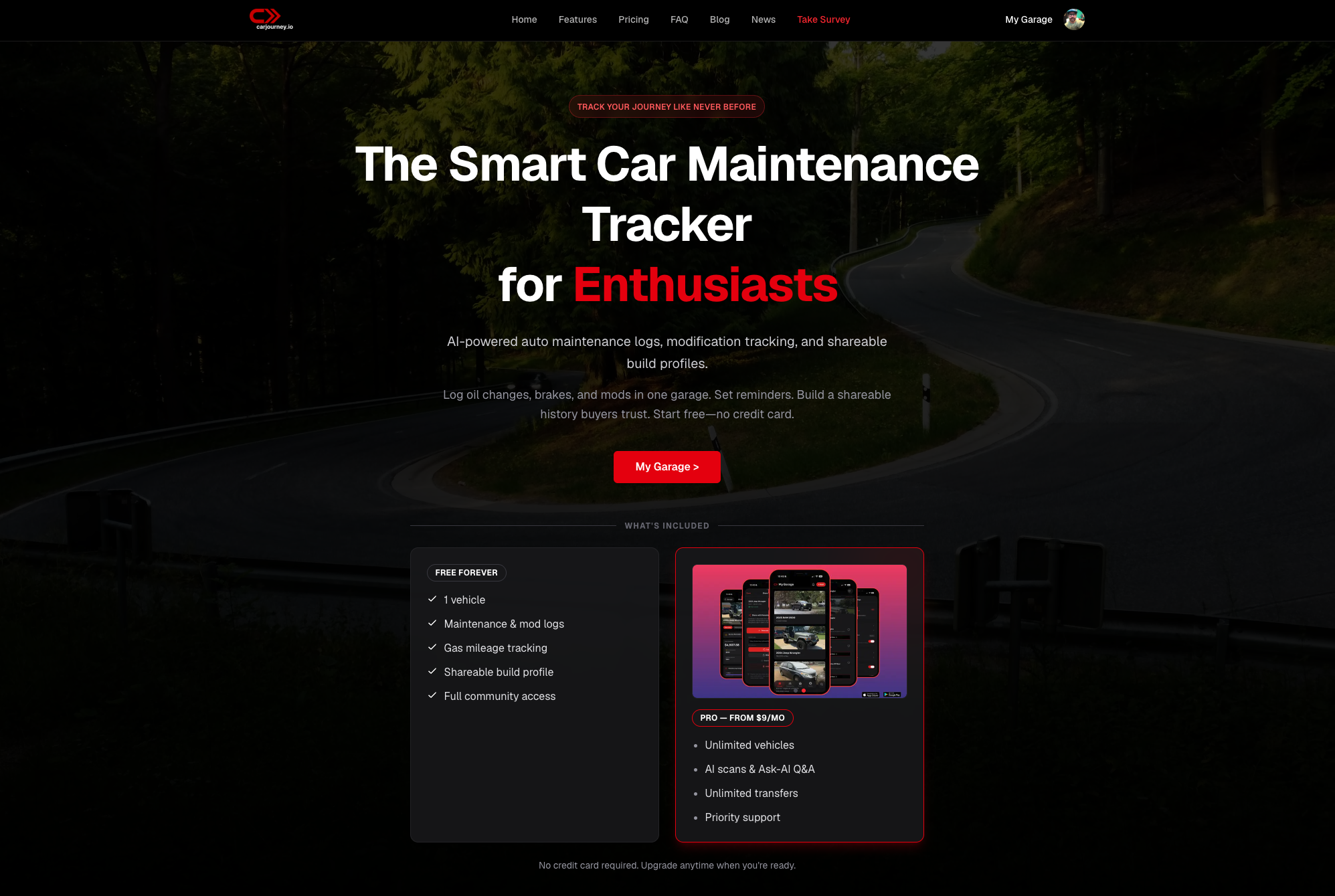
Carjourney’s AI scans your existing service documents, organizes them by date and service type, and gives you a clean maintenance history you can share with any buyer. You can also use Carjourney to track upcoming service needs, so nothing gets missed before you list. The platform’s community and AI-powered insights help you understand exactly how service records affect value before you set your asking price. Visit Carjourney to build your vehicle’s digital maintenance history and go into your sale with the documentation that protects your price.
FAQ
What is a pre-sale maintenance workflow?
A pre-sale maintenance workflow is a structured sequence of mechanical, cosmetic, and documentation tasks completed before listing a vehicle for sale. The goal is to maximize resale value and reduce time on market.
How much can detailing increase my car’s resale value?
Professional detailing can increase resale value by 10–20% and reduce time to sale by around 25%, with a typical return of 150–400% on a $350–$500 investment.
Should I fix everything before selling my car?
Fix mechanical deal-killers like warning lights, soft brakes, and fluid leaks. For costly repairs that do not pencil out financially, disclose the issue with a written repair estimate instead.
How do I organize service records for a car sale?
Sort all receipts and invoices chronologically in a labeled binder or digital folder. Include oil changes, tire work, brake service, and any major repairs. A one-page summary of services and dates helps buyers absorb the history quickly.
When should I schedule detailing before listing?
Schedule professional detailing 3–5 days before your listing photos. Detailing too early allows dust and minor wear to return before buyers see the vehicle.