 carjourney
From the CarJourney journal
What Is Car Consignment? Your 2026 Seller's Guide
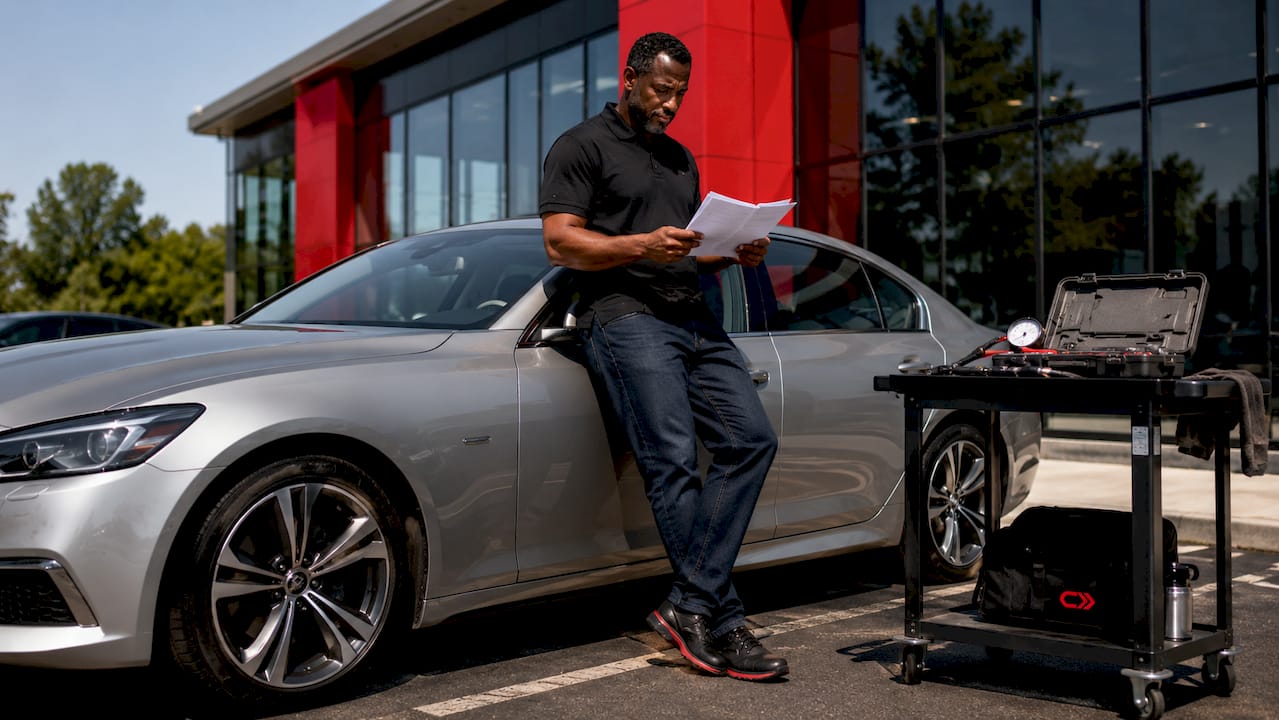
What Is Car Consignment? Your 2026 Seller’s Guide
Car consignment is defined as the process of entrusting your vehicle to a licensed dealership that sells it on your behalf at full retail value, while you retain legal ownership until the sale completes. Unlike a trade-in, where the dealer buys your car outright at wholesale price, consignment puts a professional sales team to work for you without surrendering your title upfront. The dealer handles marketing, test drives, negotiations, and paperwork. You collect a higher payout when the deal closes. For sellers who want more than a trade-in offer but less hassle than a private sale, consignment is the middle ground worth understanding.
What is car consignment and how does it differ from other selling methods?
Car consignment is a formal agency arrangement. The dealer acts as your sales agent, not your buyer. That single distinction changes everything about how the transaction works and what you earn.
A trade-in is fast but costly. The dealer buys your car at wholesale, marks it up, and keeps the spread. A private sale gives you full retail exposure but puts every risk on you: scam buyers, no-show test drives, and cash-only limitations. Consignment bridges that gap by combining retail-level pricing with dealer infrastructure and buyer financing access. That means more qualified buyers can actually afford your car, not just cash buyers browsing classified ads.
The industry term for this arrangement is “vehicle consignment” or “auto consignment.” Both phrases describe the same legal structure. The dealer earns a commission only when your car sells, which aligns their incentive with yours.

How does the car consignment process work?
The car consignment process follows a clear sequence from drop-off to payout. Knowing each step prevents surprises and helps you set realistic expectations.
1. Vehicle evaluation and price setting. The dealer inspects your car and sets a retail asking price based on current market data, condition, and comparable listings. You agree on a minimum “net to owner” amount before signing anything.
2. Documentation and drop-off. You bring the vehicle title or loan payoff information, a photo ID, all keys and remotes, service records, owner manuals, and at least a half tank of gas for test drives. These required documents are non-negotiable. Missing paperwork stalls the process.
3. Marketing and exposure. The dealer photographs the car professionally, lists it across multiple platforms, and places it on their lot. Leaving the car at the dealer’s lot greatly increases walk-in buyer access and speeds up the sale compared to keeping it at your home.
4. Buyer negotiations. The dealer handles all inquiries, test drives, and price negotiations. You are not involved in day-to-day buyer conversations unless a final price decision requires your approval.
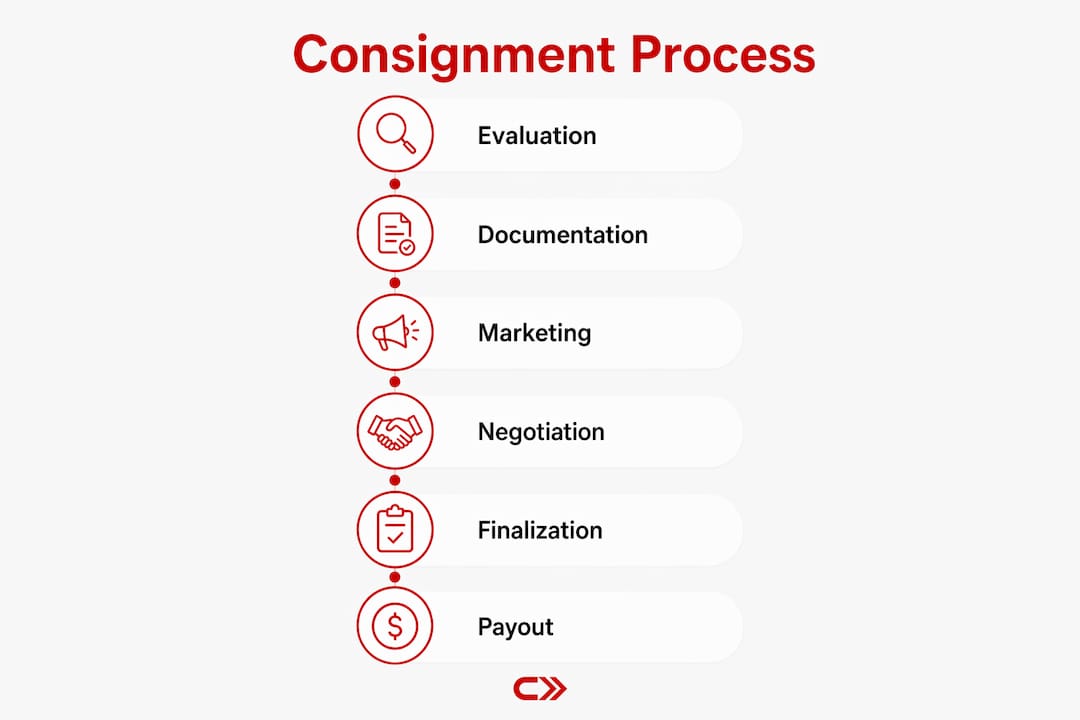
5. Sale finalization and paperwork. Once a buyer commits, the dealer processes financing, handles the title transfer, and completes all DMV paperwork. Consignment agreements often include a limited power of attorney that authorizes the dealer to complete the title transfer on your behalf once the sale closes.
6. Payment to you. Sellers typically receive payment within 24–48 hours after the buyer’s financing funds. The full process from drop-off to payout usually takes 15–45 days.
Pro Tip: Ask the dealer to show you their active listings before signing. A dealer with well-photographed, competitively priced inventory is far more likely to sell your car quickly than one with stale, poorly presented listings.
What are the benefits of car consignment vs. selling on your own?
Consignment consistently outperforms both trade-ins and private sales on net return for sellers who have the patience to wait out the process.
The financial case is direct. Sellers who consign their vehicle can earn $1,500–$3,500 more than they would receive from a trade-in offer. That gap exists because the dealer sells at retail, not wholesale. Even after paying the dealer’s commission, most sellers come out ahead.
The practical benefits go beyond the dollar amount:
- Professional marketing. The dealer provides quality photography, detailed listings, and multi-platform exposure that most private sellers cannot match.
- Buyer financing. Dealer financing options expand your buyer pool well beyond cash-only buyers, which is the biggest limitation of private sales.
- Scam protection. You never deal directly with strangers, accept cashier’s checks of unknown validity, or coordinate risky test drives on your own.
- Retained ownership. Your name stays on the title until the moment of sale. If the car does not sell, you get it back.
- Expert negotiation. Dealer pricing expertise and negotiation skills consistently produce better outcomes than most individual sellers achieve on their own.
“Consignment gives you the reach of a dealership without giving up your car for a wholesale price. For a well-maintained vehicle, it is almost always the smarter financial move.”
What fees and responsibilities should you expect?
Understanding the cost structure before you sign a consignment agreement protects you from surprises at payout time.
| Fee or Responsibility | Typical Terms |
|---|---|
| Dealer commission | 5–10% of the final sale price |
| Agreement duration | 60–90 days in most contracts |
| Seller payout timing | Within 24–48 hours after sale funding |
| Insurance obligation | Seller maintains coverage throughout |
| Liability for damage | Clarified in contract; varies by dealer |
The commission structure is the most important number to negotiate. A 5% commission on a $25,000 sale costs you $1,250. A 10% commission costs $2,500. Both are still likely better than a trade-in, but the difference matters. Some dealers charge a flat fee instead of a percentage. Compare both structures before committing.
The “net to owner” amount is the single most critical line in your contract. This is the guaranteed minimum you receive after all fees and commissions are deducted. Never sign a consignment agreement without this number clearly stated in writing.
Insurance and liability remain your responsibility until the sale completes. Keep your policy active for the full duration of the agreement. If the car is damaged during a test drive, the contract terms determine who pays. Read that section carefully.
Pro Tip: Request a written breakdown of every fee before signing. If a dealer cannot produce a clear fee schedule, treat that as a red flag and walk away.
How should you prepare your car and documents for consignment?
Preparation directly affects how fast your car sells and what price it commands. Dealers work with many vehicles at once. A well-presented car with complete documentation gets prioritized.
Documents to gather before drop-off
- Vehicle title or current loan payoff statement
- Government-issued photo ID
- All keys, key fobs, and remotes
- Full service records and maintenance receipts
- Owner’s manual and any supplemental guides
- At least a half tank of gas
Organized service records are not just paperwork. They are a sales tool. Detailed maintenance history builds buyer confidence and can justify a higher asking price. A car with documented oil changes, tire rotations, and major service intervals tells a buyer the vehicle was cared for. That story sells cars.
Vehicle condition and presentation
Professional detailing, quality photos, and proper staging boost visibility and speed up the sale. Before drop-off, clean the interior thoroughly, address any minor cosmetic issues, and fix small mechanical problems that a buyer might use to negotiate the price down. A cracked windshield or worn wiper blades cost little to fix but can cost you hundreds in negotiation.
Consignment works best for well-maintained vehicles with broad market appeal. If your car has significant mechanical issues or unusual modifications, discuss that honestly with the dealer before signing. Knowing your vehicle’s resale position before you walk in gives you a stronger starting point for setting the asking price.
Key Takeaways
Car consignment earns sellers more money than a trade-in by placing the vehicle with a licensed dealer who sells at retail price, handles all marketing and negotiations, and pays out within 24–48 hours of the sale closing.
| Point | Details |
|---|---|
| Definition of consignment | A dealer sells your car as your agent at retail price while you keep the title until sale. |
| Financial advantage | Sellers typically earn $1,500–$3,500 more than a trade-in offer after dealer commission. |
| Commission and contract | Expect 5–10% commission and a 60–90 day agreement; always confirm the net to owner amount. |
| Seller responsibilities | You must maintain insurance on the vehicle for the full duration of the consignment period. |
| Preparation drives results | Complete service records and a clean, detailed vehicle sell faster and at higher prices. |
Why I think most sellers leave money on the table with consignment
Most sellers who try consignment for the first time make the same mistake: they focus entirely on the commission rate and ignore everything else in the contract. I have seen sellers walk away from a 6% commission dealer with a strong track record and choose a 4% dealer whose lot was full of unsold inventory sitting past 90 days. The cheaper commission cost them more in the end.
The dealers who move cars quickly share two traits. They price aggressively based on real-time market data, and they present vehicles like they mean it. Professional photos, clean descriptions, and active follow-up with interested buyers. When you are vetting a consignment dealer, ask how many vehicles they sold in the last 30 days and how long the average listing sat before selling. Those two numbers tell you more than any fee schedule.
The other mistake I see constantly is sellers keeping the car at home to “save on insurance” or because they are not ready to part with it yet. Keeping the car off the lot kills walk-in traffic and slows everything down. If you are serious about selling, leave it with the dealer. That is the whole point.
Finally, go in with a realistic timeline. A 15-day sale is possible for a popular model in good condition. A 45-day sale is normal for most vehicles. Patience here pays off. Pulling the car early because you got impatient and then accepting a trade-in offer is the worst financial outcome of all.
— Chally
How Carjourney helps you sell with confidence
Organized vehicle records are one of the most underrated factors in a successful consignment sale. Buyers and dealers both respond to a car with a documented history.
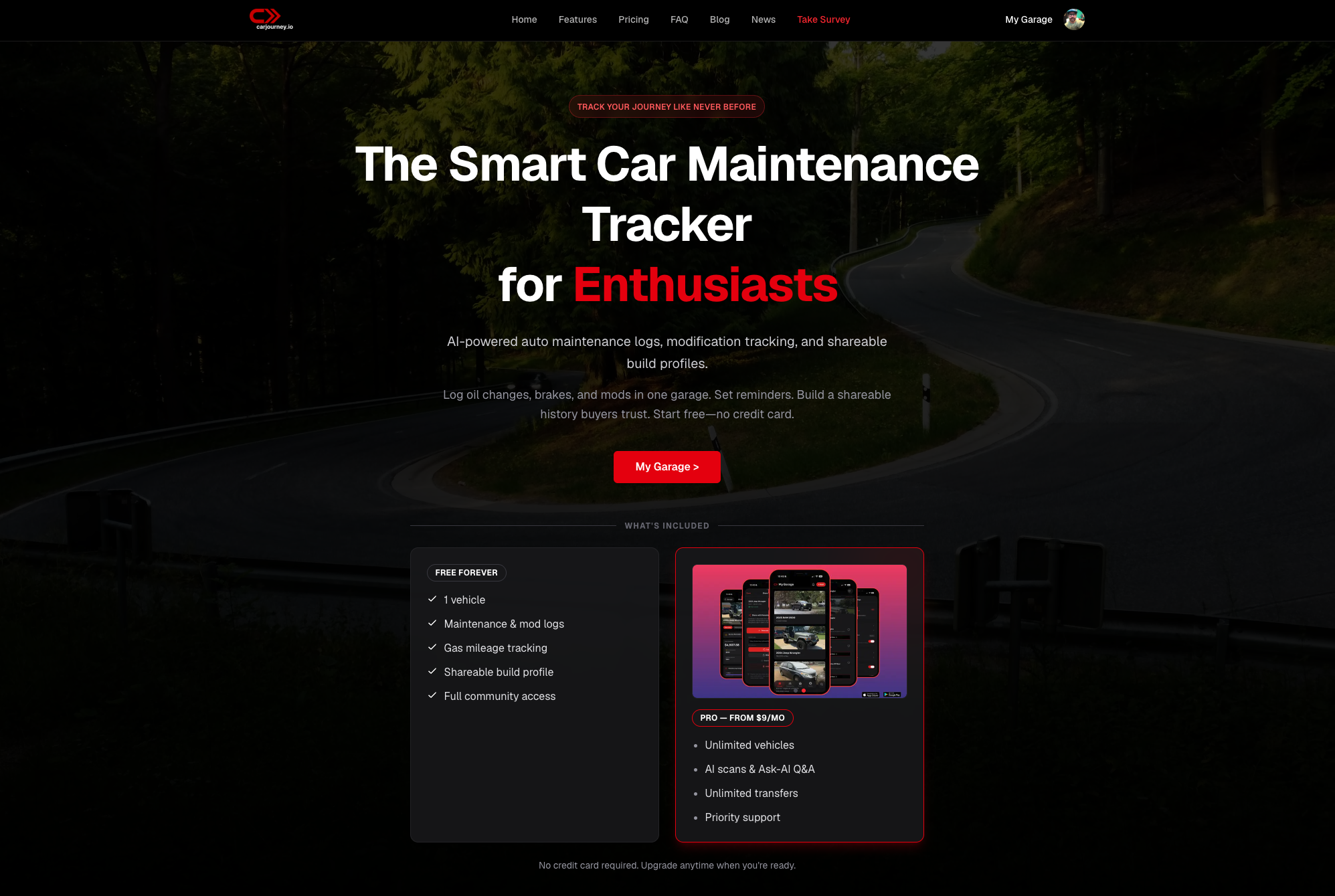
Carjourney is built for exactly this. The platform uses AI to scan your service documents, organize your maintenance history, and give you a clear picture of your vehicle’s condition over time. When you walk into a consignment dealer with a complete, organized service history on your phone, you are not just prepared. You are negotiating from a position of strength. Start building your vehicle’s record at Carjourney before your next consignment conversation.
FAQ
What is car consignment in simple terms?
Car consignment is when you hand your vehicle to a licensed dealer who sells it for you at retail price and takes a commission from the final sale. You keep ownership of the car until it sells.
How long does the car consignment process take?
Most consigned vehicles sell within 15–45 days. The timeline depends on the vehicle’s condition, asking price, and how much lot exposure the dealer provides.
What fees does a consignment dealer charge?
Consignment dealers typically charge a commission of 5–10% of the sale price, or a flat fee. Agreements usually run 60–90 days, and sellers receive their payout within 24–48 hours after the buyer’s financing clears.
Do I need to keep insurance on my car during consignment?
Yes. The seller is responsible for maintaining insurance on the vehicle for the entire duration of the consignment agreement. Confirm liability terms in the contract before signing.
What documents do I need to consign my car?
Bring the vehicle title or loan payoff information, a photo ID, all keys and remotes, service records, and the owner’s manual. Keep at least a half tank of gas in the car for buyer test drives.