 carjourney
From the CarJourney journal
10 Signs Your Car Needs Maintenance Right Now
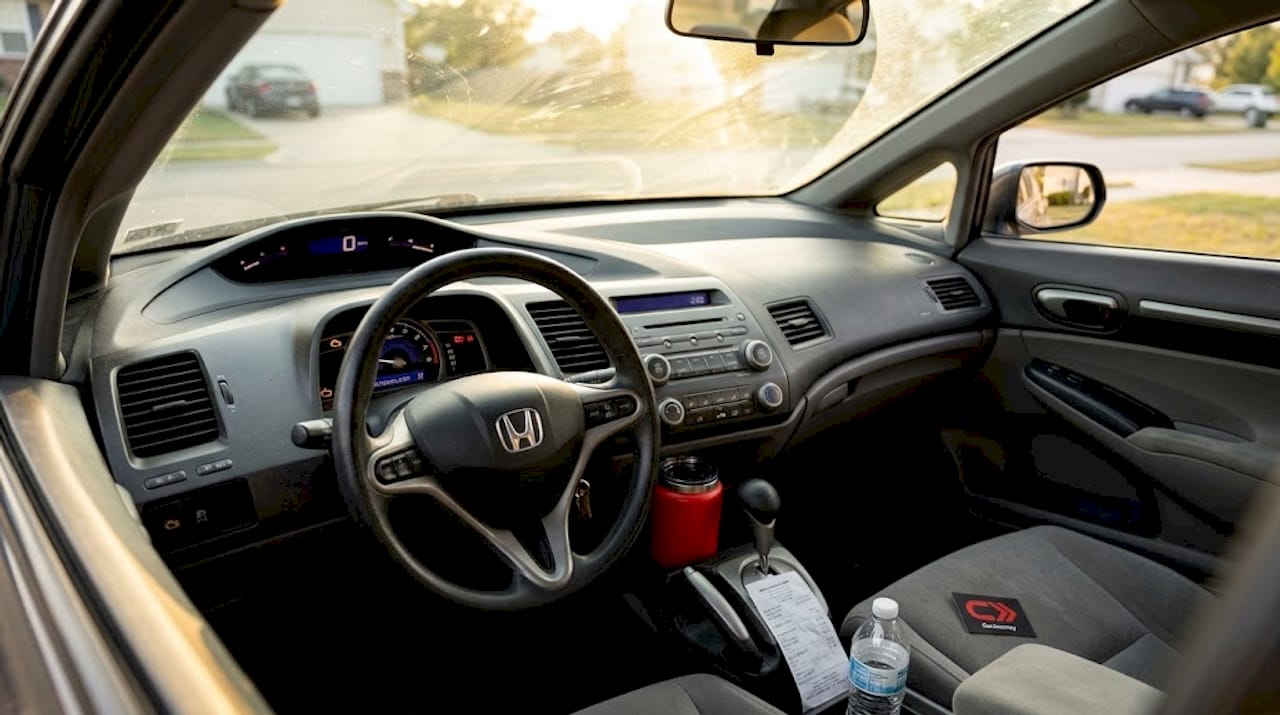
Your car is communicating with you constantly. Most drivers only listen when something goes catastrophically wrong. Recognizing the signs your car needs maintenance before a $200 fix becomes a $2,000 repair is the difference between a driver who owns their vehicle’s health and one who gets owned by their repair bills. Approximately 70% of car problems are preventable through timely maintenance and proactive inspection. This guide covers the ten most critical car maintenance indicators you should never ignore.
Table of Contents
- Key Takeaways
- 1. Signs your car needs maintenance start with the dashboard
- 2. Grinding or squealing brakes
- 3. Unusual engine noises
- 4. Burning smells you should not ignore
- 5. Fluid leaks under the car
- 6. Vibrations while driving or braking
- 7. Hard starting or rough idling
- 8. Reduced fuel economy
- 9. Routine mileage and time service intervals
- 10. How to respond when you spot warning signs
- My honest take on ignoring early warning signs
- Stay ahead of service with Carjourney
- FAQ
Key Takeaways
| Point | Details |
|---|---|
| Act on warning lights immediately | Red dashboard lights signal stop-now urgency; yellow means schedule service within days, not weeks. |
| Sounds and smells are diagnoses | Grinding, squealing, or burning odors are not quirks. They are symptoms of car issues that get worse without intervention. |
| Follow the “whichever comes first” rule | Service your car by time or mileage, whichever arrives first, because fluids degrade even when the car sits. |
| Don’t delay to save money | Delaying maintenance almost always costs more. Early repairs protect your wallet and your vehicle’s resale value. |
| Build a 10-minute weekly habit | A quick weekly check of oil, coolant, and tire pressure catches most problems before they escalate. |
1. Signs your car needs maintenance start with the dashboard
Your dashboard is the most direct communication channel between your car and you. Mechanics advise treating warning lights like traffic signals to prioritize urgency correctly. That mental model actually works.
Here is what the color coding means in plain terms:
- Green or blue lights are informational. They tell you a system is active, like your high beams or cruise control.
- Yellow or amber lights mean attention needed soon. Think of them as your car raising its hand, not screaming. A steady check engine light or a tire pressure warning falls here. You have a short window before the problem compounds.
- Red lights require immediate action. Oil pressure, brake system, and engine temperature warnings in red mean pull over, shut off the engine, and figure out what is happening before you drive another mile.
The check engine light deserves its own note. A flashing check engine light signals an active engine misfire that can destroy your catalytic converter within miles. A steady check engine light is less urgent but still needs a diagnostic scan. OBD-II scanners costing $25 to $50 let you read the trouble codes yourself at home. Most auto parts stores will also scan for free if you bring the car in.
Pro Tip: Photograph your warning light the moment it appears. That timestamp and image help a mechanic narrow down the diagnosis faster, especially if the light disappears before your appointment.
Learn more about specific warning lights and what each one means for your exact vehicle.
2. Grinding or squealing brakes
Brake noise is the most dangerous sound you can ignore. A high-pitched squeal when you apply the brakes is usually your wear indicator. Manufacturers build a small metal tab into brake pads specifically to produce that noise when the pad material gets thin. That squeal is not annoying by accident. It is designed to get your attention.
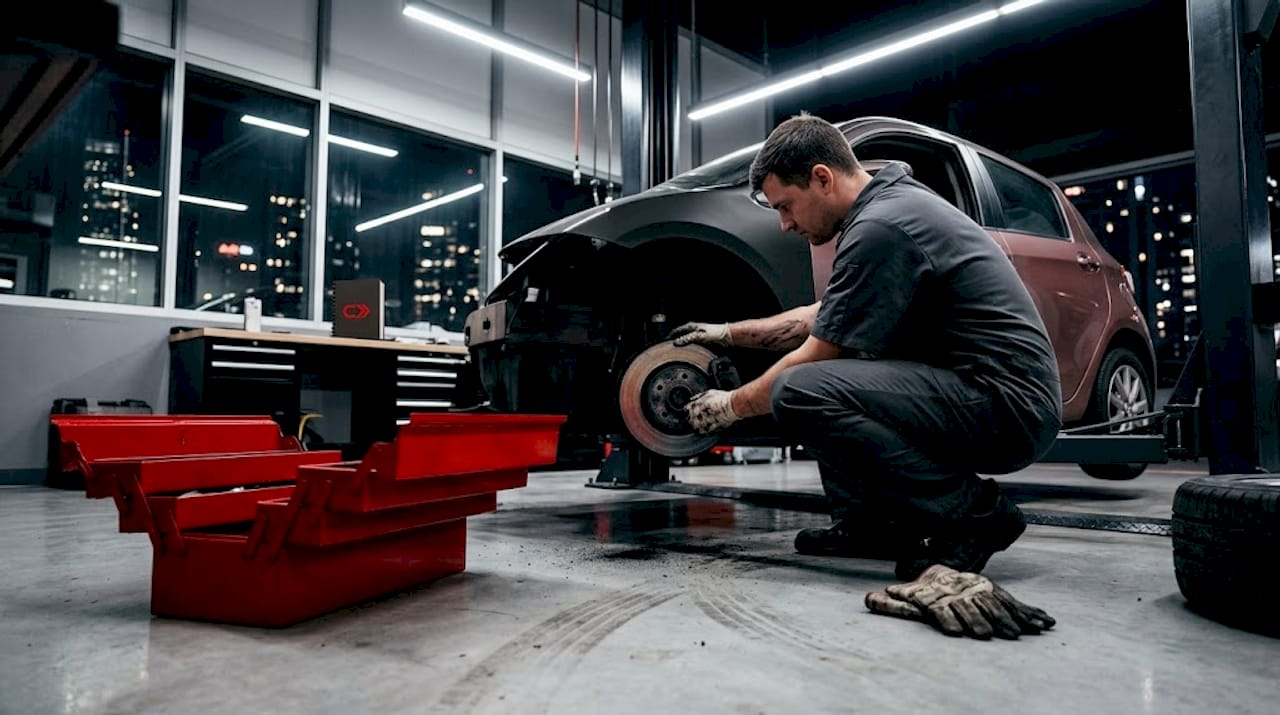
Grinding is worse. When you hear metal-on-metal grinding, the pad material is gone and your rotor is being scored with every stop. What started as a $150 pad replacement is now a $400 to $600 rotor and pad job. Vibrations through the brake pedal often accompany this stage.
Soft or spongy brake pedal feel is a separate warning entirely. That usually points to air in the brake lines or a fluid leak, both of which affect stopping power directly.
3. Unusual engine noises
Your engine has a normal operating sound. Anything that deviates from that baseline is worth investigating. A knocking or pinging sound under load often indicates low oil pressure, engine knock from low-grade fuel, or worn rod bearings. None of those get better on their own.
A ticking sound at startup that fades after a few minutes usually means oil is not reaching the upper engine components fast enough. It may be low oil level, old oil that has lost viscosity, or a failing oil pump. A hissing sound from under the hood while parked almost always points to a coolant or vacuum leak.
4. Burning smells you should not ignore
Smell is one of the most underrated car maintenance indicators. Different smells point to different problems with surprising specificity.
A burning rubber smell often means a slipping belt or a brake dragging after you have come to a stop. Burning oil has a thick, acrid quality and usually means oil is leaking onto a hot surface like the exhaust manifold. Sweet, syrupy smells point directly to coolant. If you smell that after a drive and your temperature gauge is climbing, your cooling system has a leak.
Ignoring unusual smells like burning odors almost always leads to more expensive repairs down the line. The smell is the cheapest version of the repair you are about to have.
Pro Tip: If you smell something unusual, check the ground where you parked. A puddle or stain under the car tells you which system is leaking and gives a mechanic a critical head start.
5. Fluid leaks under the car
Not every fluid under your car is a crisis, but none of them should be ignored. Here is a quick field identification guide:
- Clear water near the passenger side is usually condensation from the air conditioning. Normal.
- Dark brown or black fluid is engine oil. Check your dipstick immediately.
- Bright green, orange, or pink fluid is coolant. This needs same-day attention.
- Clear to light brown fluid near a wheel is brake fluid. Do not drive the car.
- Red fluid is typically transmission or power steering fluid.
The location of the puddle relative to your car tells you a lot. A drip near the front center is likely engine-related. Near a wheel points to brakes or axle seals.
6. Vibrations while driving or braking
A car that shakes at highway speed usually has a tire or wheel balance issue. Tires that are out of balance create vibrations that typically appear between 55 and 70 mph and smooth out above that range. Worn or improperly inflated tires can also cause pulling to one side.
Vibration specifically during braking points to warped rotors. This is distinct from the grinding described earlier. The steering wheel pulses as you slow down rather than shaking continuously.
If vibration starts suddenly and intensifies, a broken belt inside a tire is possible. That condition can cause a blowout and warrants pulling over to inspect immediately.
7. Hard starting or rough idling
If your engine cranks longer than usual before starting, the most common culprits are a weak battery, a failing starter motor, or a fuel system issue. Batteries typically last three to five years. If yours is approaching that range and starting feels sluggish on cold mornings, get it tested before it leaves you stranded.
Rough idling while parked, where the engine shudders or RPMs fluctuate, often points to spark plugs, a dirty fuel injector, or a vacuum leak. These are relatively low-cost repairs when caught early. Left alone, a misfire puts stress on the catalytic converter, which is an expensive part to replace.
8. Reduced fuel economy
Most drivers have an intuitive sense of how often they fill up. If you are suddenly visiting the pump more often without changing your driving habits, your fuel economy has dropped. That drop is a symptom, not a normal occurrence.
Dirty air filters, underinflated tires, failing oxygen sensors, and worn spark plugs all drag fuel economy down. A car running rich (burning more fuel than necessary) is also putting unburned hydrocarbons through the exhaust system, which degrades the catalytic converter over time.
Tracking fuel economy is one of the simplest and most overlooked items on any vehicle maintenance checklist. You do not need an app to do it. Divide the miles driven by the gallons used on your last fill-up. Do that for a few tanks and you have your baseline.
9. Routine mileage and time service intervals
Most drivers wait for something to break before they think about service. The smarter approach is treating maintenance intervals as hard deadlines, not suggestions.
| Service | Typical Interval | Notes |
|---|---|---|
| Oil and filter change | Every 5,000 to 7,500 miles | Synthetic oil may extend to 10,000 miles per manufacturer |
| Tire rotation | Every 5,000 to 7,500 miles | Often done with oil changes |
| Air filter replacement | Every 15,000 to 30,000 miles | More frequent in dusty environments |
| Brake inspection | Every 12 months or 12,000 miles | More often if you tow or drive mountain roads |
| 30/60/90k full service | At 30,000, 60,000, 90,000 miles | Includes transmission, coolant, spark plugs, belts |
Vehicles covering up to 12,000 miles per year should get a full service including a 77-point inspection and oil change annually. The “whichever comes first” rule for time or mileage matters because oil and coolant degrade over time regardless of whether you drove the miles. A car that sits for a year still needs an oil change.
The 10-minute weekly rule takes almost no time and catches the most common issues before they escalate. Check your oil level, coolant level, and tire pressure. That is it. Three items, ten minutes, once a week.
Review the full mileage-based service schedule for a breakdown of what every major interval should include.
10. How to respond when you spot warning signs
Knowing the signs is half the job. Responding correctly is the other half. Here is a practical sequence when something feels off:
- Do not panic, but do not delay. A yellow warning light gives you a window of days, not months. Use it.
- Check the basics yourself first. Oil level, tire pressure, and coolant level take two minutes to inspect. Many warning lights clear once the underlying low-level issue is corrected.
- Use an OBD-II scanner or visit an auto parts store. Getting the diagnostic code before talking to a mechanic gives you context and makes it harder to be sold a repair you do not need.
- Document what you notice. When did the light appear? Does the noise happen only when cold? Only at highway speed? Specifics help a mechanic find the problem faster.
- Get professional diagnosis on anything structural. Brakes, steering, suspension, and anything related to the powertrain should not be self-diagnosed based on a forum post or social media video. Relying on AI or social media for complex repairs can lead to costly and dangerous errors.
- Prioritize by severity. Red lights and brake issues first. Fuel economy drops and rough idling can be scheduled within the week.
Pro Tip: Find a mechanic before you need one. Getting a referral and building a relationship when your car is healthy means you already trust the shop when something urgent happens.
Delaying maintenance consistently results in higher repair costs as problems compound. The math is almost never in your favor when you wait.
My honest take on ignoring early warning signs
I have watched this pattern repeat itself more times than I can count. A driver notices something odd, a sound, a smell, a light they do not recognize, and they make a mental note to deal with it later. Later never comes until the car stops moving or the repair estimate causes sticker shock in a waiting room.
The frustrating part is that most of those repairs were avoidable. Not because the driver was negligent in some dramatic way, but because no one had built a simple habit into their routine. Checking oil takes ninety seconds. Noting a new noise takes even less.
What I have learned is that the drivers who avoid big repair bills are not the ones who know the most about cars. They are the ones who pay attention and act quickly when something feels different. You do not need to diagnose the problem yourself. You need to notice it and get it to someone who can.
I am also skeptical of the idea that a forum thread or a quick AI response is a substitute for a qualified mechanic’s eyes on your specific car. General advice has real limits when your vehicle has 140,000 miles, a specific regional climate history, and a prior owner you know nothing about. Build a relationship with a shop you trust. It will pay you back.
— Chally
Stay ahead of service with Carjourney
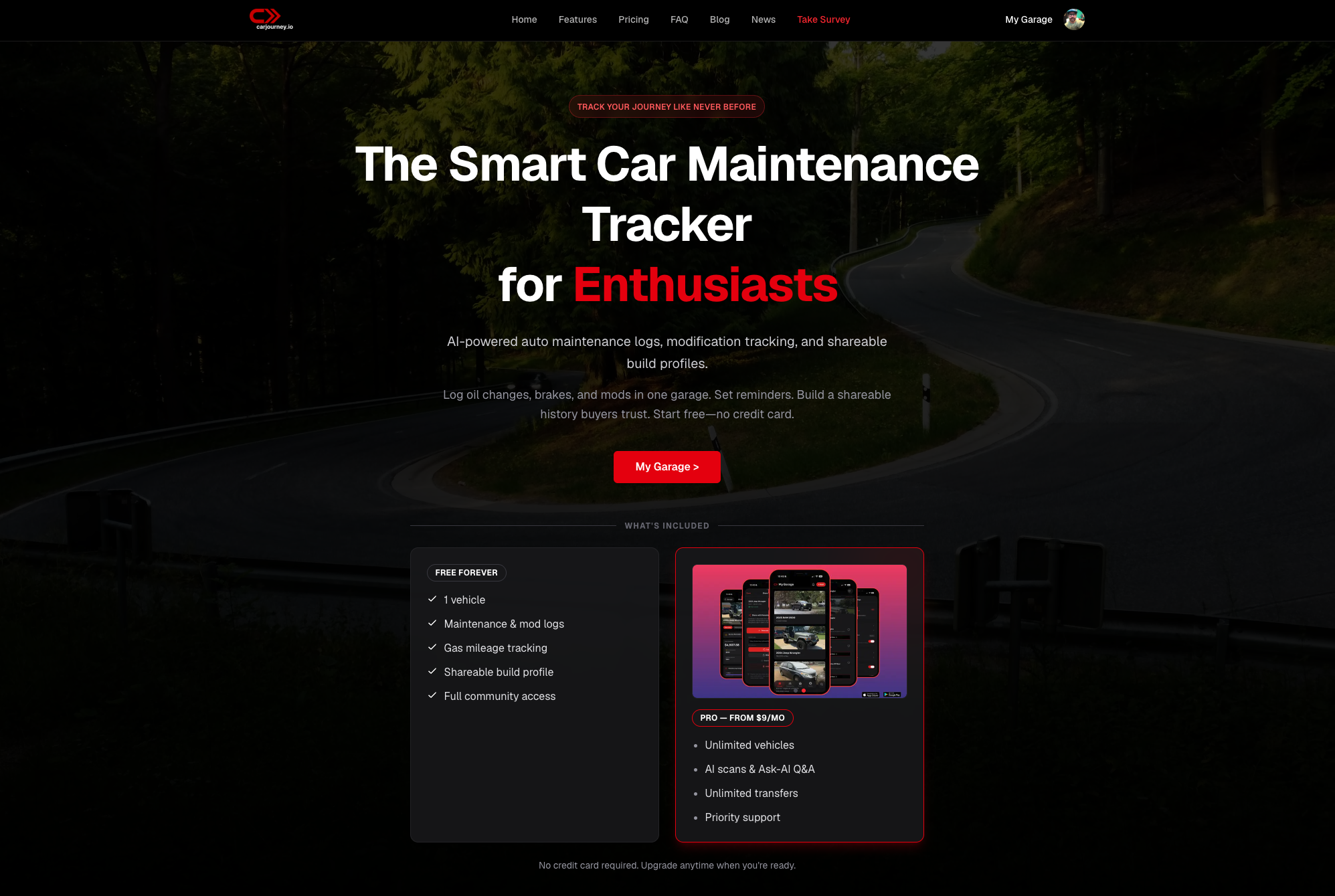
Noticing signs your car needs maintenance is only useful if you act on them before they compound into bigger problems. Carjourney was built for exactly this kind of proactive ownership. The platform uses AI to scan your service documents, track your maintenance history, and surface reminders based on your vehicle’s actual mileage and service record, not a generic schedule that ignores your build.
Whether you are tracking oil changes, upcoming 60k mile service, or just want a single place where your vehicle’s entire history lives, Carjourney’s maintenance tracker removes the guesswork. No more scattered receipts. No more missed intervals. Learn more about how Carjourney works and put the advice in this article to work for your specific vehicle.
FAQ
What are the most common signs your car needs maintenance?
The most common signs include dashboard warning lights, unusual noises like squealing or grinding, burning smells, fluid leaks under the car, rough idling, and declining fuel economy. Any one of these signals warrants at least a basic inspection.
How often should I service my car?
Most vehicles need an oil change every 5,000 to 7,500 miles and a full service annually or every 12,000 miles, whichever comes first. Always follow your manufacturer’s guidelines, and service more frequently under severe driving conditions like towing, extreme temperatures, or stop-and-go commuting.
What does a flashing check engine light mean?
A flashing check engine light signals an active engine misfire that can damage your catalytic converter within miles. Unlike a steady check engine light, a flashing light means you should stop driving and have the car towed to a mechanic immediately.
Can I check car warning signs myself?
Yes, for basic indicators. You can check oil and coolant levels, inspect tire pressure, and read diagnostic codes with an inexpensive OBD-II scanner. However, anything involving brakes, steering, or the powertrain needs professional evaluation, not a DIY fix based on online advice.
How do I know if a car repair can wait?
Yellow warning lights and minor symptoms like slightly reduced fuel economy can typically be addressed within a few days. Red warning lights, brake noise, steering changes, or any symptom that affects your ability to control the car should be treated as same-day priorities.
Recommended
- Signs Your Car Needs Servicing Now: Essential Car Maintenance Checklist and Warning Indicators – CarJourney Blog
- Car maintenance checklist: essential steps to protect your car – CarJourney Blog
- Car Maintenance Sign: Essential Warning Lights & Indicators – CarJourney Blog
- Essential Maintenance Recommendations for Your Vehicle – CarJourney Blog