
Car maintenance checklist: essential steps to protect your car
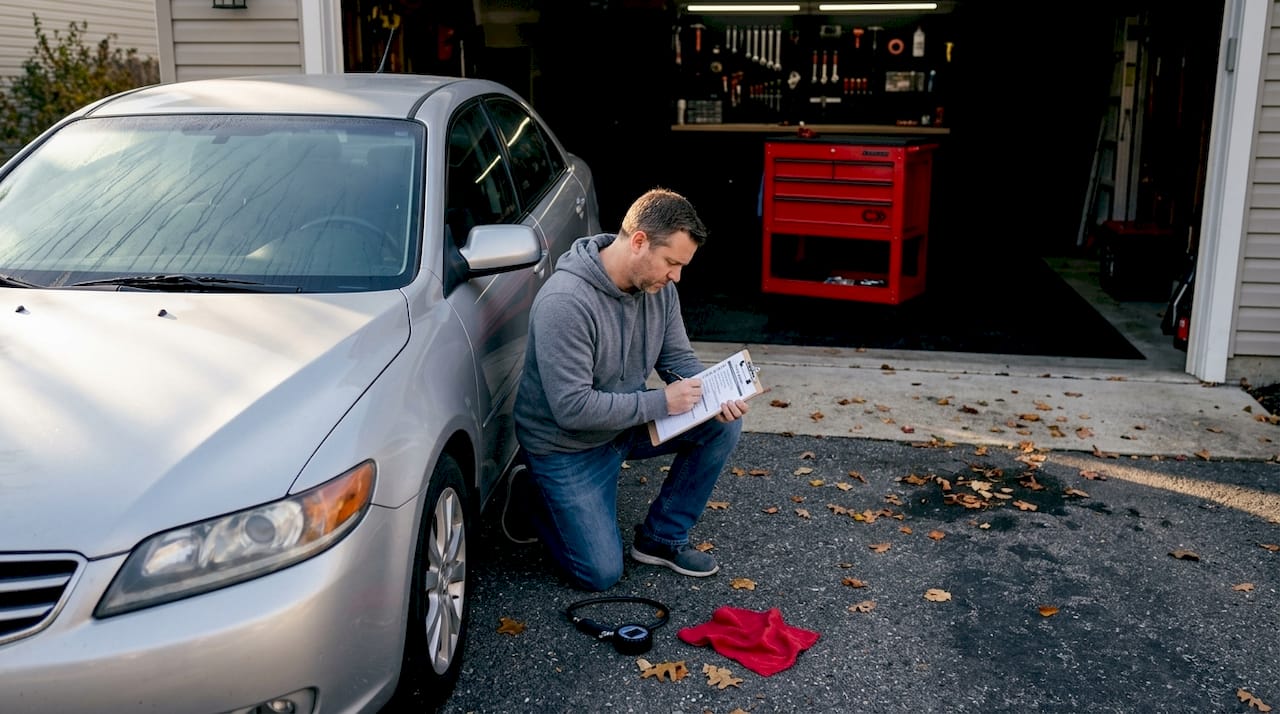
Nothing kills your morning like a car that won’t start, a tire that’s gone flat, or a warning light you don’t recognize. The frustrating part? Most of those surprises are completely avoidable. A consistent, well-structured car maintenance checklist is one of the simplest ways to protect your investment, avoid emergency repair bills, and keep your vehicle running the way it should. This guide walks you through building a routine, covering the essential checklist items, personalizing your schedule, and adapting your approach when seasons or situations change.
Table of Contents
- How to set up your car maintenance routine
- Core maintenance checklist items
- Comparing maintenance schedules: what’s right for your vehicle?
- Situational and seasonal maintenance tips
- The uncomfortable truth about car maintenance: habits matter more than checklists
- Track your maintenance and keep your car running strong
- Frequently asked questions
Key Takeaways
| Point | Details |
|---|---|
| Consistent routine | Set a regular schedule and reminders to ensure maintenance tasks are never forgotten. |
| Essential checklist | Cover oil changes, tire care, brakes, fluids, and filters to keep your car running reliably. |
| Personalized schedule | Tailor your maintenance intervals based on your vehicle’s age, mileage, and climate conditions. |
| Seasonal adjustments | Adapt your maintenance checklist for winter, summer, and travel to avoid surprises. |
| Habit over checklist | Building good maintenance habits is more important than having a long list of tasks. |
How to set up your car maintenance routine
Now that you see why being proactive matters, let’s get practical: here’s how to structure your own maintenance routine.
The biggest reason most car owners skip maintenance isn’t laziness. It’s a lack of structure. If you rely on memory alone, you will eventually miss something. A proper routine turns irregular guesswork into a predictable system, and that system pays off fast. Routine maintenance keeps your car running smoothly and prevents major issues before they snowball into expensive repairs.
Here’s how to build your routine from scratch:
- List every maintenance task your vehicle needs. Pull out your owner’s manual and write down every scheduled service item. Include oil changes, tire rotations, fluid checks, filter replacements, and brake inspections. This becomes your master list.
- Assign intervals to each task. Some tasks happen every 3,000 to 5,000 miles. Others happen annually or every 30,000 miles. Your service maintenance schedule should map each task to a clear mileage or time-based trigger.
- Set recurring digital reminders. Use your phone’s calendar, a vehicle app, or a dedicated tracker to create alerts. Set them to fire a week before the interval is due, not the day of. That buffer gives you time to schedule a shop visit.
- Log every completed service. Every time you get an oil change, rotate your tires, or top off fluids, write it down. Note the date, mileage, and what was done. This log becomes evidence for warranty claims, resale negotiations, and your own peace of mind.
- Review your log quarterly. At the start of each new quarter, take five minutes to scan your records. Identify anything that’s coming due in the next 30 to 60 days and plan accordingly.
“An ounce of prevention is worth a pound of cure” has never been more literal than in car ownership. A $15 oil change interval you miss can turn into a $4,000 engine repair.
Following vehicle maintenance best practices from the start shortens the learning curve significantly, especially if you’re a newer car owner building habits for the first time.
Pro Tip: Create a simple spreadsheet or use a notes app with two columns: task name and last completed date. Even a basic log dramatically reduces the chance of missing a critical service interval.
Core maintenance checklist items
With your routine established, let’s dig into the specific checklist items every car owner should cover.
These aren’t arbitrary suggestions. Each item on this list protects a critical system in your vehicle. Skipping even one of them consistently will shorten your car’s lifespan and increase your total cost of ownership. Refer to signs your car needs servicing now if you’re unsure whether a task is overdue.
Oil and filter changes
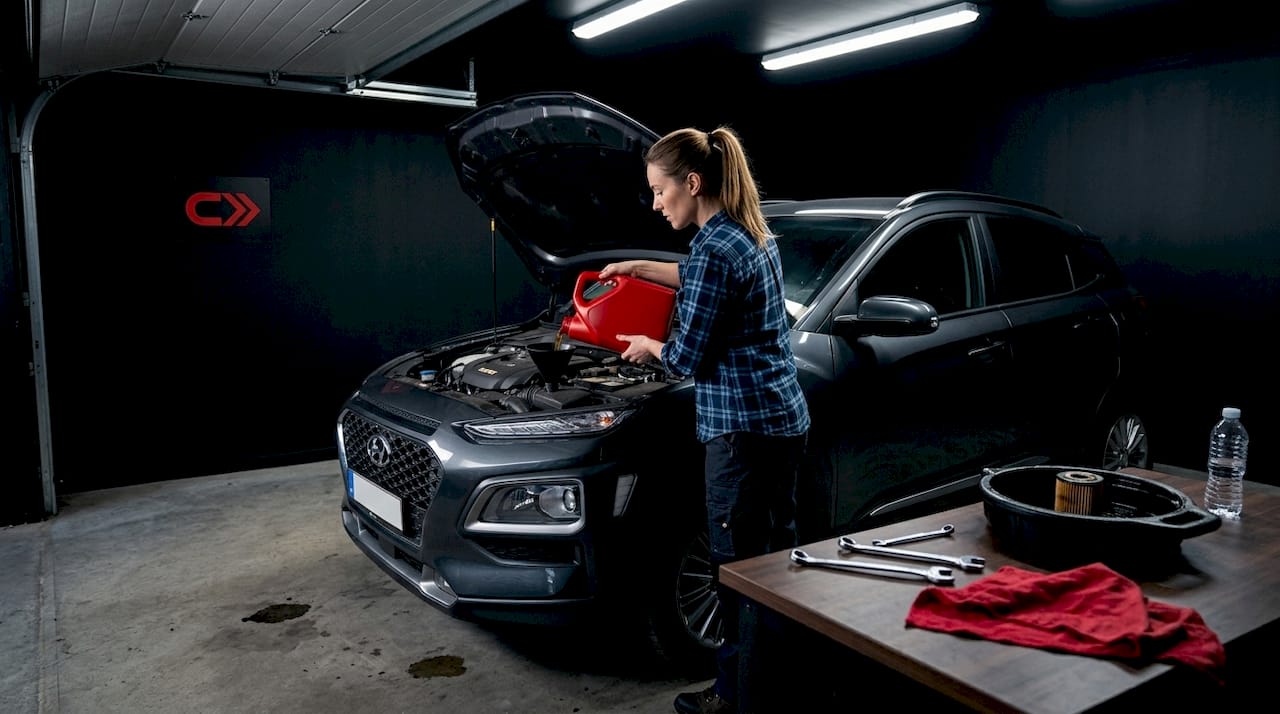
Fresh oil is the lifeblood of your engine. Over time, oil breaks down and loses its ability to lubricate engine components effectively. Most modern vehicles use synthetic oil and can go 7,500 to 10,000 miles between changes, though some older models still benefit from the traditional 3,000-mile interval. Always check your owner’s manual for the manufacturer’s specific recommendation rather than relying on general advice.
Tire rotation and pressure checks
Tires wear unevenly based on their position on the vehicle. Rotating them every 5,000 to 7,500 miles evens out that wear and extends tire life significantly. Pressure should be checked monthly because tires naturally lose about one PSI per month. Under-inflated tires reduce fuel efficiency, increase wear, and raise the risk of a blowout.
Brake inspection
Brakes should be inspected at least once a year or every 12,000 miles. Warning signs include squealing when you apply the brakes, a grinding noise, a soft or spongy pedal, or the vehicle pulling to one side during braking. Don’t wait for these symptoms to appear before checking. Proactive inspection catches worn pads before they damage rotors, which are far more expensive to replace.
Fluid top-offs
Your car depends on multiple fluids to operate safely:
- Coolant prevents your engine from overheating, especially in summer heat or stop-and-go traffic
- Transmission fluid keeps your gearbox shifting smoothly and protects against expensive transmission failures
- Brake fluid transfers your pedal pressure into actual stopping power, and it absorbs moisture over time, which lowers its boiling point
- Power steering fluid ensures responsive, effortless steering, especially at low speeds
Check all fluids monthly and top off or replace as needed. If you notice any fluid consistently running low, that’s a sign of a leak that needs immediate attention.
Air filter and fuel filter replacement
A clogged air filter reduces engine efficiency and can cause poor fuel economy, rough idling, and sluggish acceleration. Most air filters need replacement every 15,000 to 30,000 miles depending on driving conditions. If you drive on dirt roads or dusty terrain, replace yours more frequently. Fuel filters are often overlooked but protect your fuel injectors from debris.
Battery checks
Car batteries typically last three to five years. Corrosion on battery terminals is the most common and easily preventable cause of battery failure. Clean terminals with a wire brush and baking soda solution once a year. Have your battery load-tested annually after the two-year mark to catch declining capacity before you’re stranded.
Pro Tip: If your car takes noticeably longer to start in cold weather, get your battery tested immediately. Cold temperatures reduce battery capacity by up to 35%, and a weak battery that barely passes in summer will fail in winter.
Following solid maintenance checklist tips ensures you’re covering all your bases without overcomplicating the process. And for personalized guidance based on your specific vehicle, maintenance recommendations tailored to your make, model, and mileage make a real difference. Learning how to consistently maintain your car is ultimately about building repeatable habits around these core items.
Comparing maintenance schedules: what’s right for your vehicle?
Once you know the checklist items, it’s important to personalize your schedule. Here’s how different intervals fit different needs.
A 2026 brand-new SUV and a 2010 high-mileage sedan don’t share the same maintenance needs. Vehicle age, mileage, climate, and driving style all shift your optimal schedule. The yearly vehicle maintenance guide for car enthusiasts breaks this down in detail, but here’s a practical reference point.
| Maintenance task | New vehicles (under 50K miles) | Older vehicles (over 80K miles) | Severe conditions |
|---|---|---|---|
| Oil change | Every 7,500 to 10,000 miles | Every 5,000 to 7,500 miles | Every 3,000 to 5,000 miles |
| Tire rotation | Every 7,500 miles | Every 5,000 to 6,000 miles | Every 5,000 miles |
| Brake inspection | Annually | Every 6 to 12 months | Every 6 months |
| Coolant flush | Every 30,000 miles | Every 15,000 to 30,000 miles | Every 15,000 miles |
| Transmission fluid | Every 30,000 to 60,000 miles | Every 20,000 to 30,000 miles | Every 15,000 miles |
| Battery check | Every 2 years | Annually | Annually |
| Air filter | Every 20,000 to 30,000 miles | Every 12,000 to 15,000 miles | Every 10,000 miles |
Severe conditions include extreme heat, extreme cold, dusty environments, frequent short trips, or heavy towing.
Vehicles driven primarily on short trips (under five miles each) accumulate engine wear faster than highway-driven cars because the engine never fully reaches optimal operating temperature. These vehicles should follow the “severe” column above.
For the full breakdown of annual car service tasks versus quarterly checks, the distinction matters. Annual tasks include coolant flushes, spark plug inspections, and full brake system reviews. Quarterly tasks focus on the fast-moving items: oil, tires, fluids, and filters. Keeping these separated in your log prevents confusion and ensures nothing falls through the cracks. A well-maintained full maintenance schedule is your single most valuable document as a car owner.
Learning maintenance savings tips through a regular schedule isn’t just good for your car’s health. It protects resale value, improves fuel efficiency, and keeps repair costs predictable rather than shocking.
Situational and seasonal maintenance tips
Maintenance isn’t one-size-fits-all: here’s how to adjust your checklist based on season or life events.
Your car faces different stresses depending on the time of year and how you’re using it. A seasonal car maintenance checklist approach ensures your vehicle is prepared for whatever conditions are coming next.
Winter preparation
- Switch to winter or all-season tires rated for cold temperatures if you live in a snow-prone region
- Test your battery and charging system before the first cold snap
- Check antifreeze concentration to make sure your coolant won’t freeze at local low temps
- Top off your windshield washer fluid with a winter-rated formula that won’t ice over on your windshield
- Inspect your wiper blades and replace if streaking or skipping
Summer preparation
- Check coolant levels and system integrity before heat season kicks in
- Inspect your AC system’s refrigerant levels and cabin air filter
- Watch tire pressure closely since heat causes air to expand and can push tires into the over-inflated range
- Check your serpentine belt for cracking or fraying since heat accelerates rubber degradation
Rainy season and wet roads
- Inspect tire tread depth since worn tires dramatically increase hydroplaning risk
- Test your brakes and confirm all brake lights and tail lights are functioning
- Replace wiper blades if they’re leaving streaks, which significantly reduces visibility in heavy rain
Road trip preparation
Before any long drive, run through this short checklist:
- Oil level and condition
- Tire pressure including the spare
- Brake feel and fluid level
- All lights functioning
- Emergency kit in the trunk including jumper cables, a flashlight, and a basic tool kit
Don’t wait for a road trip to discover your spare tire is flat or your emergency kit is missing. A five-minute check before departure prevents roadside misery hundreds of miles from home.
Pro Tip: For 2026 maintenance recommendations that account for modern vehicle tech and updated service intervals, cross-reference your owner’s manual with current manufacturer service bulletins. Manufacturers update recommended intervals as they gather long-term field data. And following current tire maintenance tips for each season keeps your most critical contact points with the road in top shape.
The uncomfortable truth about car maintenance: habits matter more than checklists
Here’s a perspective most maintenance guides won’t give you: the checklist isn’t your problem. Your habits are.
We’ve talked to hundreds of car owners over the years. Almost none of them failed to maintain their cars because they lacked information. They knew they needed oil changes. They knew their tires were getting low. They just kept putting it off, telling themselves they’d handle it next week. And then next week turned into three months, and three months turned into a blown engine or a wheel bearing failure on the highway.
A checklist is a tool. Tools only work when you pick them up. The actual differentiator between car owners who spend $800 a year on preventive maintenance versus those who spend $3,000 a year reacting to breakdowns isn’t knowledge. It’s consistency.
The most effective habit isn’t a complex system. It’s a recurring monthly check that takes less than 15 minutes: walk around the car, check tire pressure, pop the hood and look at fluid levels, and note anything that looks or sounds different from normal. That single habit, done consistently, catches 80% of developing issues before they become serious.
Regular vehicle checks aren’t about being a mechanic. They’re about being observant. Your car communicates constantly through sounds, smells, warning lights, and feel. The owners who catch problems early are the ones who are paying attention, not the ones with the longest to-do lists.
The other uncomfortable truth: most people overplan and underexecute. A simple, short checklist you actually follow beats a detailed 40-point inspection you never open. Start small. Build the habit. Then expand the system once the baseline routine is locked in.
Track your maintenance and keep your car running strong
If you’re ready to turn these habits into a routine, here’s a simple tool to make it easier.
At CarJourney, we built exactly what we wished existed when we were managing our own vehicles. No more scattered receipts, forgotten service dates, or generic schedules that ignore your specific build.
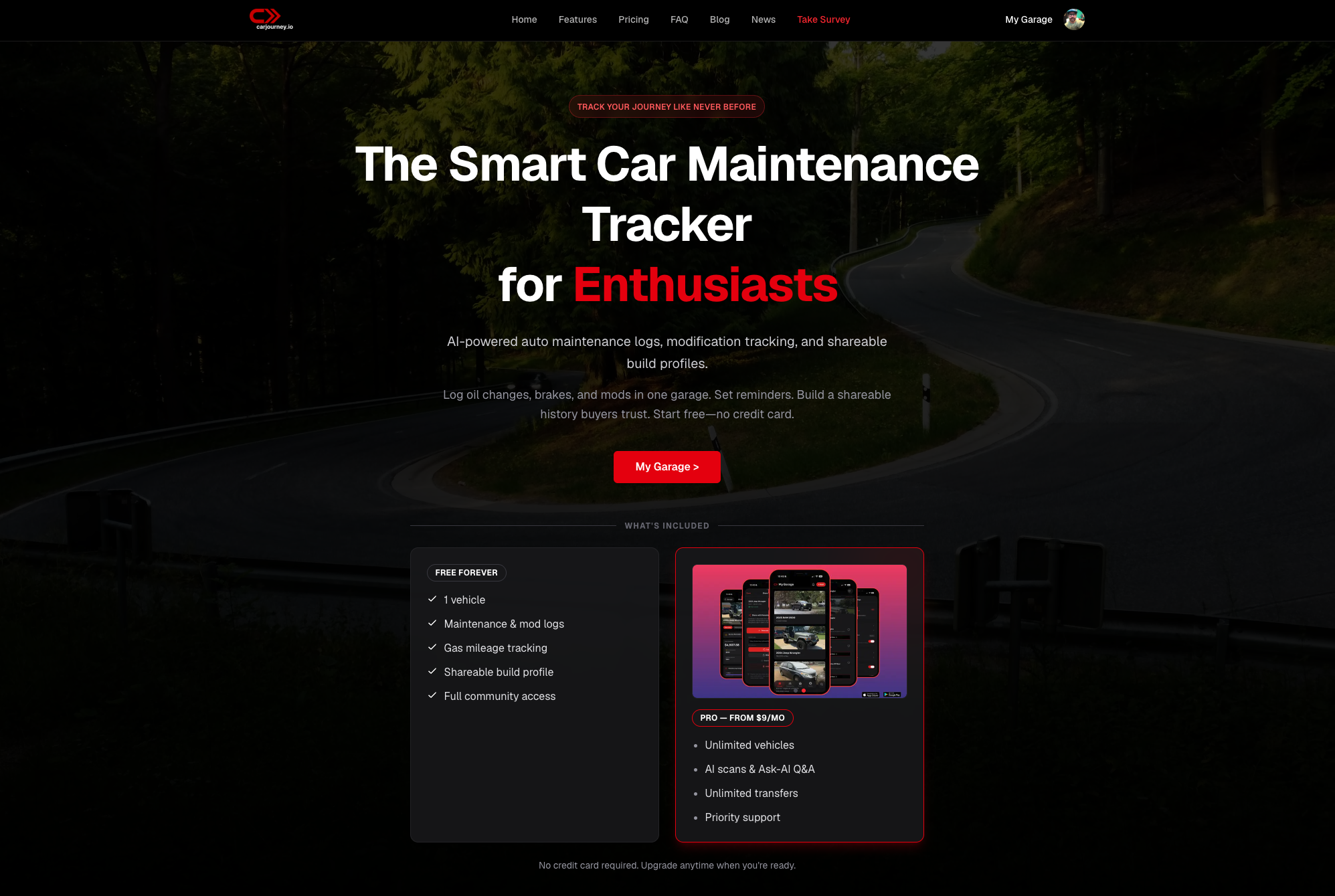
Our car maintenance tracker uses AI to scan your service documents, remind you when tasks are coming due, and answer specific questions about your exact vehicle’s maintenance needs. You get a complete service history in one place, personalized recommendations based on your mileage and driving conditions, and a community of enthusiasts sharing real-world data. Learn more about our vehicle maintenance tracking approach and how we’re building tools that make upkeep feel simple instead of overwhelming.
Frequently asked questions
How often should I check my oil level?
Check your oil level at least once a month and before any long trips for optimal engine performance. Routine maintenance like this keeps your engine protected and prevents low-oil damage from accumulating unnoticed.
What is the difference between routine and urgent maintenance?
Routine maintenance involves scheduled tasks like oil changes and tire rotations, while urgent maintenance responds to active warning signs like overheating, brake failure, or fluid leaks. Knowing the difference helps you prioritize correctly without overlooking either category. Recognizing signs your car needs urgent attention can save you from a dangerous situation on the road.
Does seasonal maintenance really matter?
Seasonal maintenance prevents weather-related damage and helps your car perform reliably as conditions change. A seasonal maintenance checklist approach specifically protects your tires, battery, and cooling system from the season’s most common failure points.
How do I know if my car needs professional attention?
Warning indicators like strange noises, dashboard warning lights, fluid leaks, or a change in braking feel are signs your car needs prompt professional evaluation. Acting on essential car maintenance warning signs early almost always costs less than waiting until the problem worsens.