 carjourney
From the CarJourney journal
Car Service Every Year: Essential Maintenance Guide
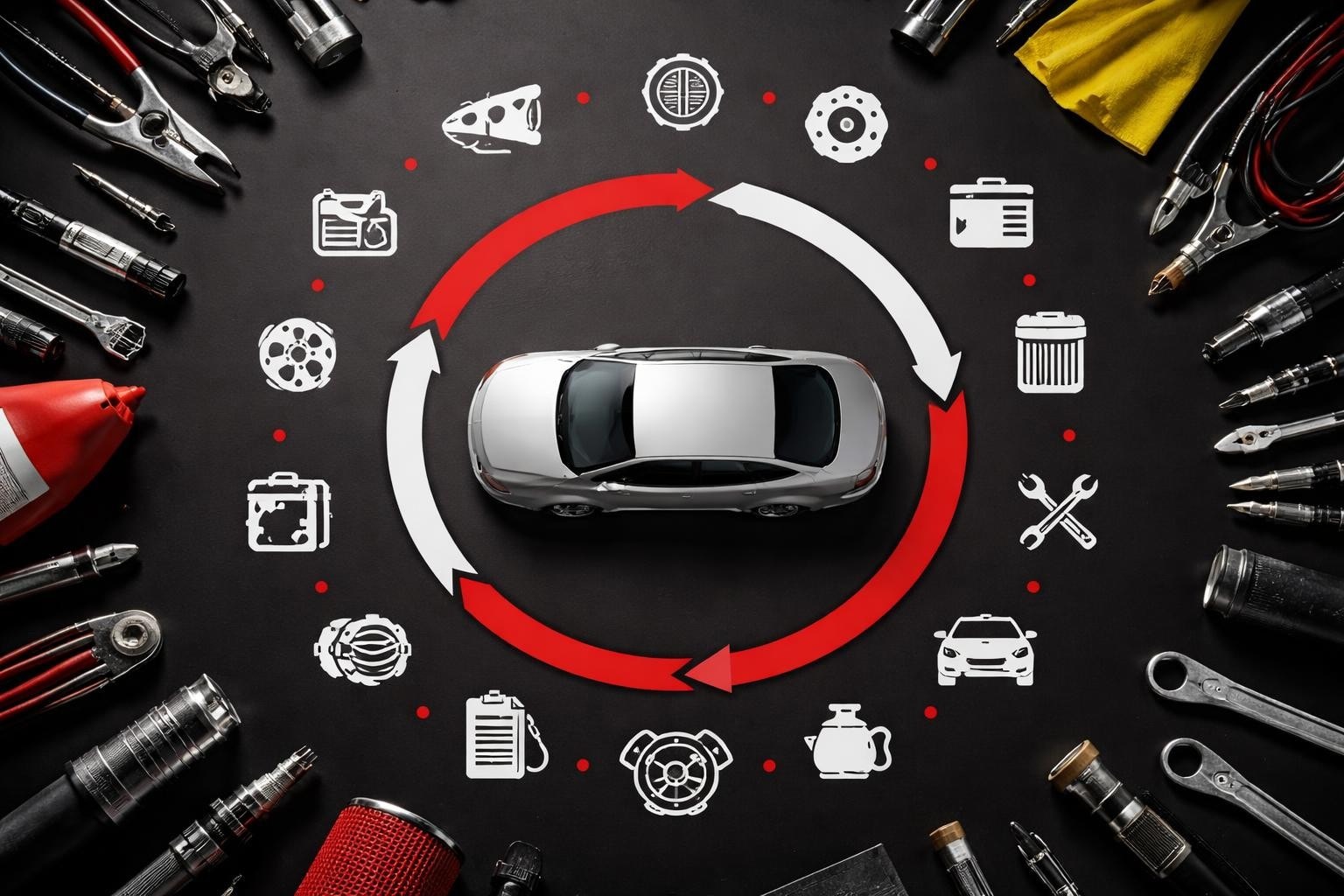
Your vehicle represents a significant investment that requires consistent attention to maintain its performance, safety, and value. While daily driving may seem routine, the mechanical systems working beneath the surface need regular professional evaluation and maintenance. Scheduling a car service every year forms the foundation of a comprehensive maintenance strategy that prevents costly repairs, extends vehicle lifespan, and ensures your safety on the road. Understanding what this annual service entails and why it matters can transform how you approach vehicle ownership in 2026.
Understanding Annual Car Service Requirements
Annual vehicle maintenance goes beyond simple oil changes and tire rotations. A comprehensive car service every year involves systematic inspection of critical components that experience gradual wear throughout normal driving conditions. These inspections identify emerging problems before they escalate into expensive failures or dangerous situations.
Professional technicians examine brake systems, suspension components, fluid levels, filters, belts, hoses, and electrical systems during annual service appointments. They also check for manufacturer-specific maintenance requirements that vary based on your vehicle's make, model, and age. Modern vehicles contain sophisticated computer systems that require diagnostic scanning to detect issues invisible to the naked eye.
Components Inspected During Annual Service
The scope of annual maintenance covers numerous vehicle systems. Here are the primary areas technicians evaluate:
- Brake system components including pads, rotors, calipers, and fluid condition
- Tire condition and alignment to ensure even wear and optimal handling
- Fluid levels and quality for engine oil, transmission, coolant, power steering, and brake systems
- Battery health and electrical connections to prevent starting failures
- Belts and hoses that can crack or deteriorate over time
- Air filters for both engine and cabin air quality
- Suspension and steering components affecting ride quality and safety
- Exhaust system integrity to prevent dangerous fumes and ensure emissions compliance
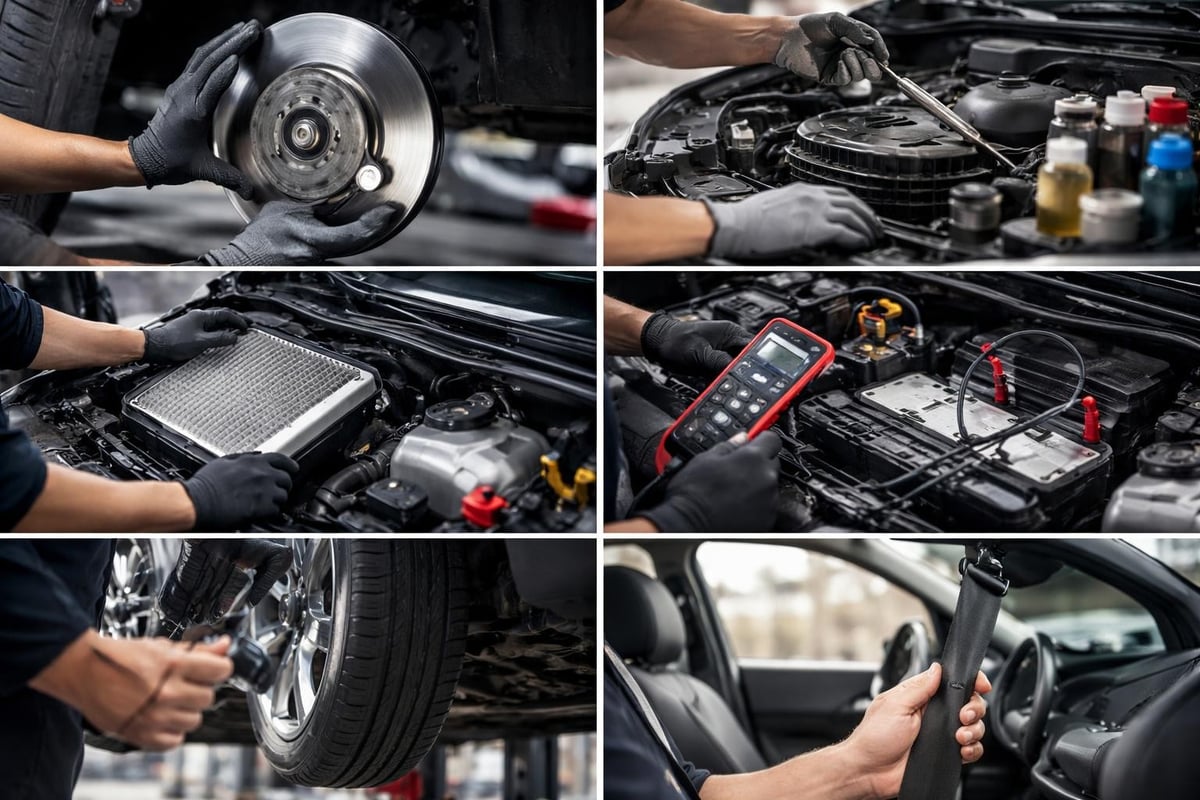
Different vehicles require different attention levels based on their age, mileage, and driving conditions. A comprehensive car maintenance checklist helps ensure nothing gets overlooked during your annual service appointment.
Why Car Service Every Year Matters for Vehicle Longevity
Regular annual maintenance directly impacts how long your vehicle remains reliable and safe. Neglecting scheduled car service every year accelerates component deterioration and leads to cascading failures where one problem triggers additional issues throughout interconnected systems.
Consider your engine's cooling system as an example. Fresh coolant prevents corrosion and maintains optimal operating temperatures. Over time, coolant degrades and loses its protective properties. Without annual inspection and replacement when needed, corroded radiators, water pumps, and thermostats fail prematurely, potentially causing catastrophic engine damage costing thousands of dollars.
Financial Benefits of Preventative Maintenance
| Maintenance Approach | Average Annual Cost | Major Repair Frequency | Total 5-Year Cost |
|---|---|---|---|
| Annual Service | $500-800 | Low | $2,500-4,000 |
| Reactive Repairs Only | $200-400 | High | $4,500-8,000 |
| No Maintenance | Minimal initially | Very High | $8,000-15,000+ |
These figures demonstrate that investing in car service every year costs significantly less than addressing major failures. The annual vehicle maintenance checklist approach prevents expensive emergency repairs that disrupt your schedule and strain your budget.
Beyond immediate cost savings, regular maintenance preserves resale value. Buyers pay premium prices for vehicles with documented service records showing consistent care. When you maintain detailed logs of your car service every year, you demonstrate responsible ownership that justifies higher asking prices.
Creating Your Annual Service Schedule
Establishing a consistent schedule ensures your vehicle receives timely attention. Most experts recommend scheduling your comprehensive car service every year based on either calendar dates or mileage milestones, whichever comes first. Many manufacturers specify 12-month or 12,000-mile intervals for major service appointments.
Choose a consistent time each year that aligns with your schedule and budget. Some vehicle owners prefer scheduling annual service around their birthday, vehicle registration renewal, or tax season. The specific date matters less than consistency and follow-through.
Building Your Maintenance Calendar
Start by consulting your owner's manual for manufacturer-recommended service intervals. These guidelines provide the baseline for your maintenance schedule, though certain driving conditions may require more frequent attention.
Severe driving conditions that necessitate accelerated maintenance include:
- Frequent short trips under five miles in normal temperatures
- Stop-and-go traffic driving in hot weather
- Towing trailers or carrying heavy loads regularly
- Driving on dusty, muddy, or salt-covered roads
- Extended idling periods or low-speed driving
Modern maintenance tracking tools simplify schedule management. Digital platforms like those found in a car maintenance tracker send automated reminders based on your specific vehicle's needs and usage patterns.
Essential Tasks in Your Annual Service Appointment
Understanding what happens during car service every year helps you communicate effectively with technicians and make informed decisions about recommended work. Different service packages offer varying levels of thoroughness, from basic inspections to comprehensive evaluations.
A standard annual service typically includes an oil change, even if you've already completed one earlier in the year. Fresh oil provides the best protection for your engine's internal components. Technicians also rotate tires to promote even wear and extend tire life significantly.
Fluid System Maintenance
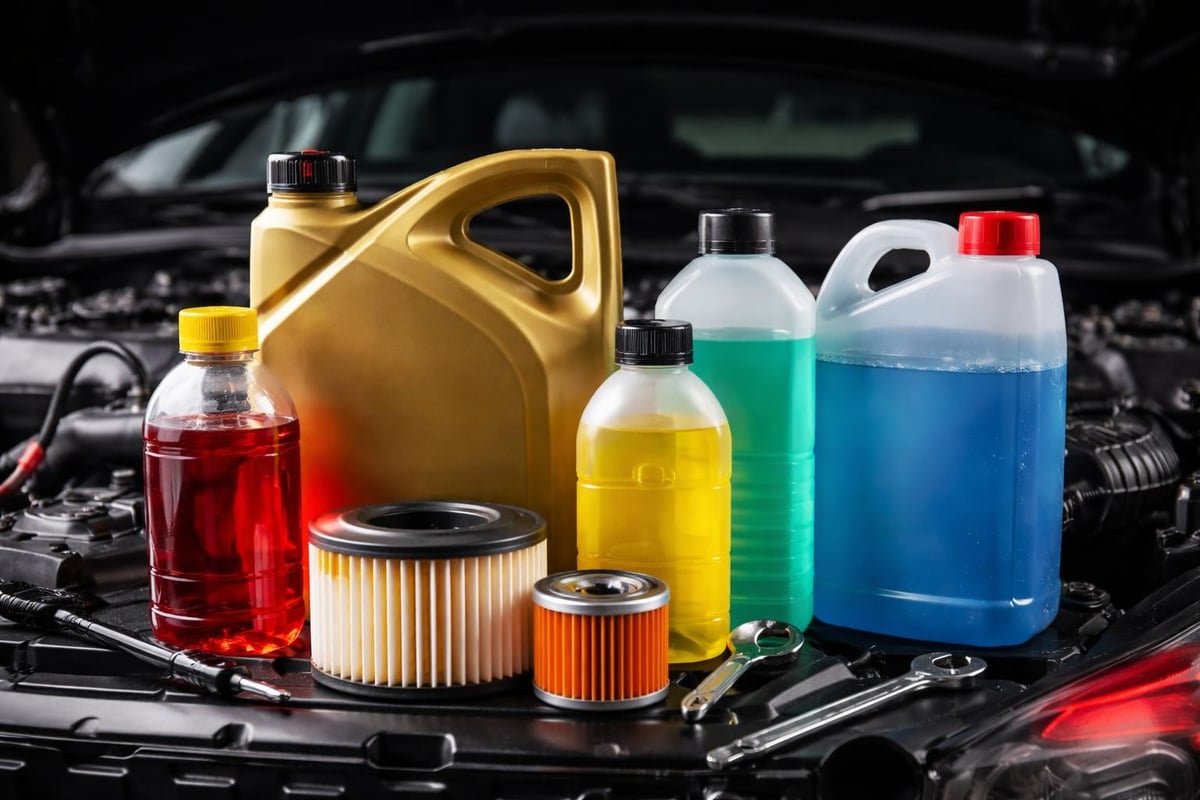
Your vehicle contains multiple fluid systems requiring periodic attention. During car service every year, technicians check levels and condition of:
- Engine oil and filter protecting moving parts from friction and heat
- Transmission fluid enabling smooth gear changes
- Coolant/antifreeze regulating engine temperature
- Brake fluid transmitting hydraulic pressure to stop your vehicle
- Power steering fluid assisting steering effort
- Windshield washer fluid maintaining visibility
Contaminated or degraded fluids accelerate component wear. For instance, finding the ideal maintenance frequency for brake fluid replacement prevents moisture accumulation that corrodes brake components and reduces stopping power.
Filter Replacements and Air Quality
Clean filters protect your engine and enhance cabin comfort. The engine air filter prevents contaminants from entering combustion chambers, while the cabin air filter blocks pollen, dust, and pollutants from your interior ventilation system.
Most vehicles need engine air filter replacement annually under normal conditions, though dusty environments require more frequent changes. The car service checklist recommendations suggest inspecting both filters during every annual service and replacing them when visibly dirty or restricted.
Brake System Inspection and Safety Checks
Brake maintenance represents one of the most critical aspects of car service every year. Your braking system experiences tremendous stress during normal driving, with components gradually wearing down through friction and heat. Annual inspections catch wear before brake failure creates dangerous situations.
Technicians measure brake pad thickness, inspect rotor surfaces for grooves or warping, and check caliper operation. They also evaluate brake fluid condition and moisture content. Brake fluid absorbs water over time, which lowers its boiling point and can cause brake fade during heavy use.
The complete car maintenance schedule emphasizes brake inspection because worn brakes increase stopping distances and reduce your ability to avoid collisions. Fresh brake pads typically last 30,000 to 70,000 miles depending on driving style and conditions.
Documenting Your Service History
Maintaining accurate records of your car service every year provides multiple benefits throughout your ownership experience. Documentation proves you've followed manufacturer recommendations, which protects warranty coverage on newer vehicles. It also establishes value when selling or trading your vehicle.
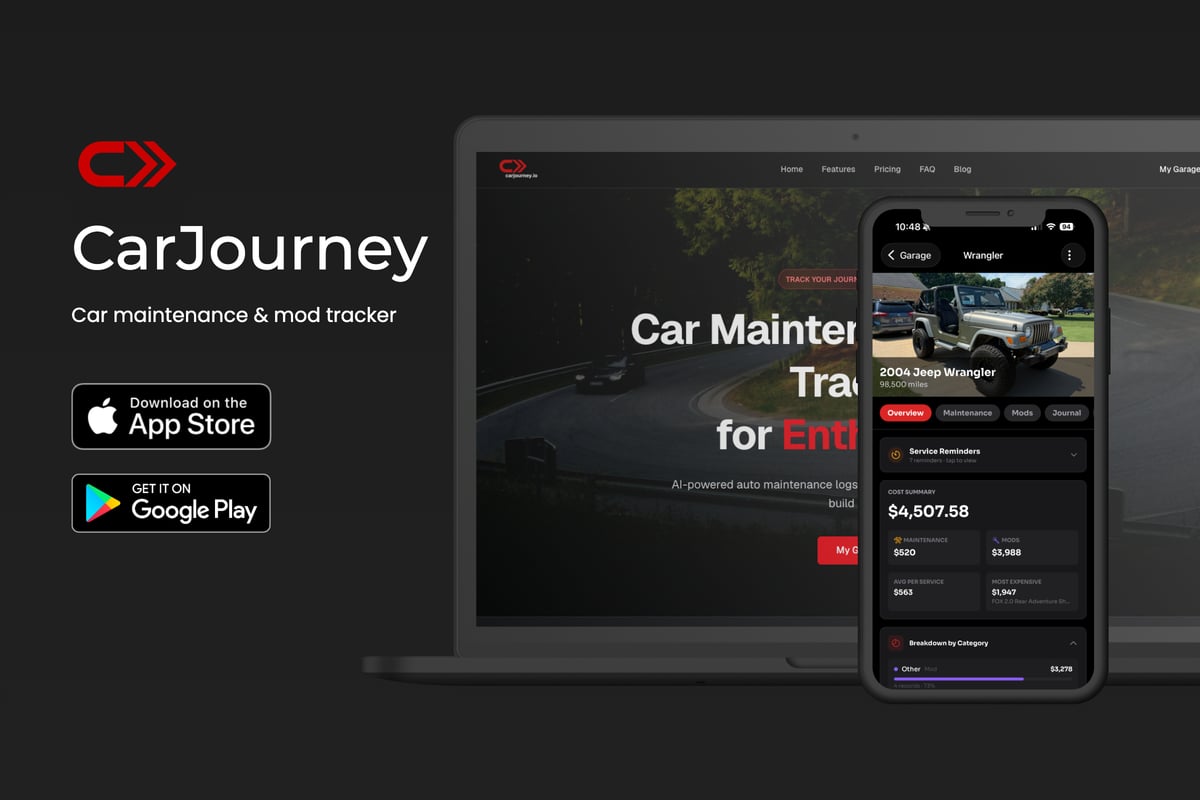
Paper receipts fade and get lost easily. Digital maintenance logs offer superior organization and accessibility. Recording service dates, mileage, work performed, parts replaced, and costs creates a comprehensive vehicle history that informs future maintenance decisions.
For car enthusiasts managing multiple vehicles or tracking modifications alongside maintenance, specialized platforms streamline record-keeping. CarJourney Pro - Yearly provides unlimited vehicle tracking with AI-powered features that help you manage service schedules, maintenance logs, and modification documentation all in one place. The platform's digital approach eliminates lost paperwork and provides shareable build profiles showcasing your vehicle's complete history.
Information to Track for Each Service
| Data Point | Why It Matters | Example |
|---|---|---|
| Service Date | Establishes service intervals | March 15, 2026 |
| Mileage | Tracks component lifespan | 45,280 miles |
| Services Performed | Documents completed work | Oil change, tire rotation, brake inspection |
| Parts Replaced | Identifies component age | Front brake pads, engine air filter |
| Cost | Budgets future maintenance | $485 total |
| Service Provider | Tracks who did the work | Quality Auto Service |
| Technician Notes | Captures observations | Rear tires showing uneven wear |
This level of detail transforms scattered receipts into actionable insights. You can identify patterns, predict upcoming needs, and budget accordingly for your yearly car maintenance costs.
Specialized Systems Requiring Annual Attention
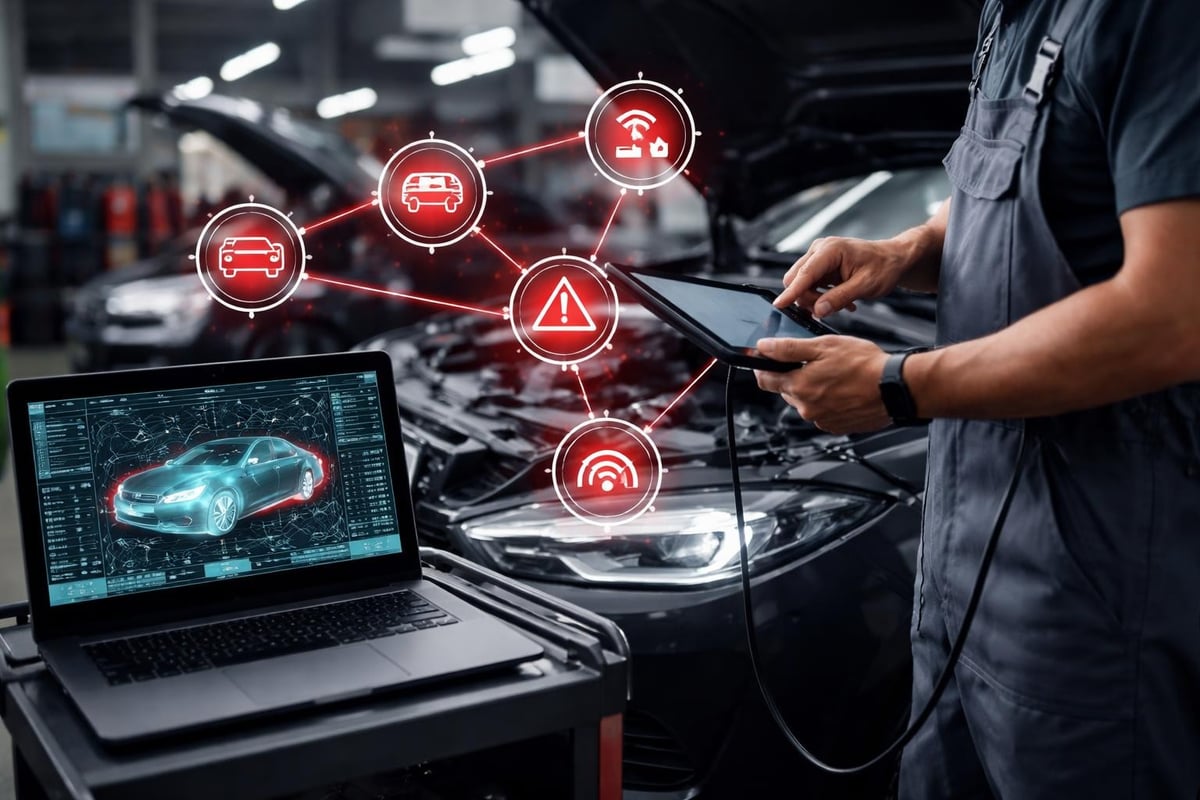
Modern vehicles contain increasingly complex systems that require specialized knowledge during car service every year. These systems often need specific diagnostic equipment and training that general repair shops may lack.
Advanced Safety and Emissions Systems
Contemporary vehicles incorporate sophisticated safety features including adaptive cruise control, lane departure warning, automatic emergency braking, and blind spot monitoring. These systems rely on cameras, radar sensors, and calibration that can drift over time or after minor collisions.
Annual service should include verification that these systems function properly. Many features require recalibration after windshield replacement or even battery disconnection. Emissions control systems also need periodic evaluation to ensure your vehicle meets environmental standards.
The importance of MOT tests and servicing extends beyond legal compliance. These inspections identify emissions problems early, preventing more expensive repairs and reducing your environmental impact.
Seasonal Considerations for Annual Service Timing
The season you schedule your car service every year influences which components receive extra attention. Strategic timing allows technicians to prepare your vehicle for upcoming weather challenges.
Spring service appointments should emphasize:
- Checking air conditioning system performance before summer heat
- Inspecting for winter damage from salt and harsh conditions
- Evaluating battery health after cold weather stress
- Examining undercarriage for rust or corrosion
Fall service timing focuses on:
- Testing battery capacity before cold weather arrives
- Checking antifreeze concentration and protection levels
- Inspecting heating system operation
- Evaluating tire tread depth for winter traction
- Examining wiper blades and replacing before ice season
Coordinating your annual service with seasonal transitions maximizes its value. If you live in areas with extreme seasonal variation, this timing becomes especially important for reliable year-round operation.
Common Annual Service Mistakes to Avoid
Even conscientious vehicle owners sometimes make errors that undermine the benefits of car service every year. Recognizing these pitfalls helps you maximize the return on your maintenance investment.
Skipping Recommended Services
Technicians often identify items needing attention during inspections. Deferring these recommendations to save money typically backfires. That worn serpentine belt costs $150 to replace during scheduled service but leads to a $800 towing and emergency repair bill when it snaps on the highway.
Trust qualified technicians when they identify legitimate needs, though seeking second opinions on expensive repairs remains reasonable. The comprehensive car maintenance approach emphasizes addressing identified issues promptly to prevent cascading failures.
Choosing Service Providers Based Solely on Price
The cheapest car service every year often proves most expensive long-term. Bargain shops may use inferior parts, skip thorough inspections, or employ undertrained technicians. Quality service providers charge fair rates reflecting their expertise, equipment investment, and parts quality.
Look for shops with certifications, positive customer reviews, and transparent pricing. Establishing a relationship with a trusted service provider who knows your vehicle's history improves service quality and helps identify unusual issues quickly.
DIY Maintenance Between Annual Services
While professional car service every year provides comprehensive evaluation, certain maintenance tasks fall within most owners' capabilities. Handling basic maintenance yourself reduces costs and helps you understand your vehicle better.
Tasks most owners can perform:
- Checking and topping off fluid levels monthly
- Inspecting tire pressure and adjusting as needed
- Replacing windshield wiper blades when streaking appears
- Changing cabin air filters following manual instructions
- Monitoring warning lights and addressing them promptly
- Washing and waxing to protect paint and prevent rust
- Vacuuming interior and cleaning upholstery regularly
These simple tasks complement professional service rather than replacing it. Even if you handle routine maintenance, annual professional inspection remains essential for catching problems requiring specialized tools or expertise.
Understanding your vehicle maintenance plan helps you balance DIY tasks with professional service effectively. Some enthusiasts enjoy hands-on maintenance while others prefer delegating everything to professionals.
Technology's Role in Modern Annual Service
Diagnostic technology has revolutionized how technicians approach car service every year. Computerized systems monitor hundreds of parameters continuously, detecting subtle problems before they cause noticeable symptoms or failures.
Modern scan tools read trouble codes, monitor live data streams, and perform component tests electronically. This technology identifies intermittent issues that traditional visual inspections miss. For example, sensors detecting slight misfires or oxygen sensor degradation trigger codes long before drivability problems become apparent.
Advanced shops now offer digital inspection reports with photos or videos showing identified issues. These visual aids help you understand recommended repairs and make informed decisions about service priorities.
Planning Your 2026 Maintenance Budget
Financial planning for car service every year prevents surprise expenses that strain household budgets. Creating realistic maintenance budgets requires understanding typical costs and your specific vehicle's needs.
Average annual service costs range from $500 to $1,200 depending on vehicle age, type, and condition. Luxury and European vehicles typically cost more than domestic or Asian models. Older vehicles often need more frequent repairs despite lower individual service costs.
Annual Service Cost Breakdown
| Service Category | Economy Vehicle | Midsize Sedan | Luxury/Performance |
|---|---|---|---|
| Oil Changes (2-3x) | $120-180 | $150-250 | $300-500 |
| Tire Rotation/Balance | $80-120 | $100-150 | $150-250 |
| Brake Service | $200-400 | $300-600 | $600-1,200 |
| Fluid Services | $150-250 | $200-350 | $400-700 |
| Filter Replacements | $50-100 | $80-150 | $150-300 |
| Total Estimated | $600-1,050 | $830-1,500 | $1,600-2,950 |
These estimates assume no major repairs. Setting aside monthly amounts creates a maintenance fund preventing financial stress when service comes due. Understanding how to budget for car maintenance helps you prepare financially for both routine service and unexpected repairs.
Making the Most of Your Service Appointment
Maximizing the value from car service every year requires active participation and clear communication with service providers. Arriving prepared with information about your vehicle's recent performance helps technicians diagnose issues efficiently.
Before your appointment, note any unusual sounds, smells, vibrations, or performance changes you've observed. These symptoms provide valuable diagnostic clues. Also mention your typical driving conditions and patterns, as they influence maintenance recommendations.
Ask questions about recommended services and request explanations in understandable terms. Quality shops welcome informed customers and gladly explain their findings and recommendations. Request written estimates before authorizing expensive repairs and don't hesitate to seek second opinions on major work.
Review the completed work invoice carefully, ensuring it matches what you authorized. Keep all documentation in your maintenance receipts system for future reference and resale value protection.
Long-Term Vehicle Health Strategies
Committing to car service every year forms just one element of comprehensive vehicle care. Long-term reliability requires consistent attention to maintenance schedules, driving habits, and storage conditions.
Gentle driving extends component life significantly. Avoiding rapid acceleration, harsh braking, and high-speed driving reduces wear on engines, transmissions, and brakes. Allowing your engine to warm up briefly before driving hard protects internal components from excessive wear.
Proper storage matters too. Garage parking protects paint, interior materials, and mechanical components from weather extremes. If outdoor parking is necessary, quality car covers provide meaningful protection from sun, precipitation, and airborne contaminants.
Tracking recommended maintenance intervals based on your specific vehicle ensures you never miss critical services. Different models have unique requirements that generic schedules don't address adequately.
Committing to car service every year represents one of the smartest decisions vehicle owners can make for long-term reliability, safety, and value retention. Understanding what annual service entails, why it matters, and how to document your maintenance history transforms vehicle ownership from reactive crisis management into proactive stewardship. Whether you drive a daily commuter or a modified performance machine, consistent professional attention prevents expensive failures and keeps you safely on the road. CarJourney helps enthusiasts and everyday drivers alike maintain comprehensive digital records of their service history, track upcoming maintenance needs, and build shareable profiles showcasing their vehicle care commitment-ensuring nothing falls through the cracks in your annual maintenance routine.