 carjourney
From the CarJourney journal
How to Maintain Car: Complete Guide for Vehicle Care
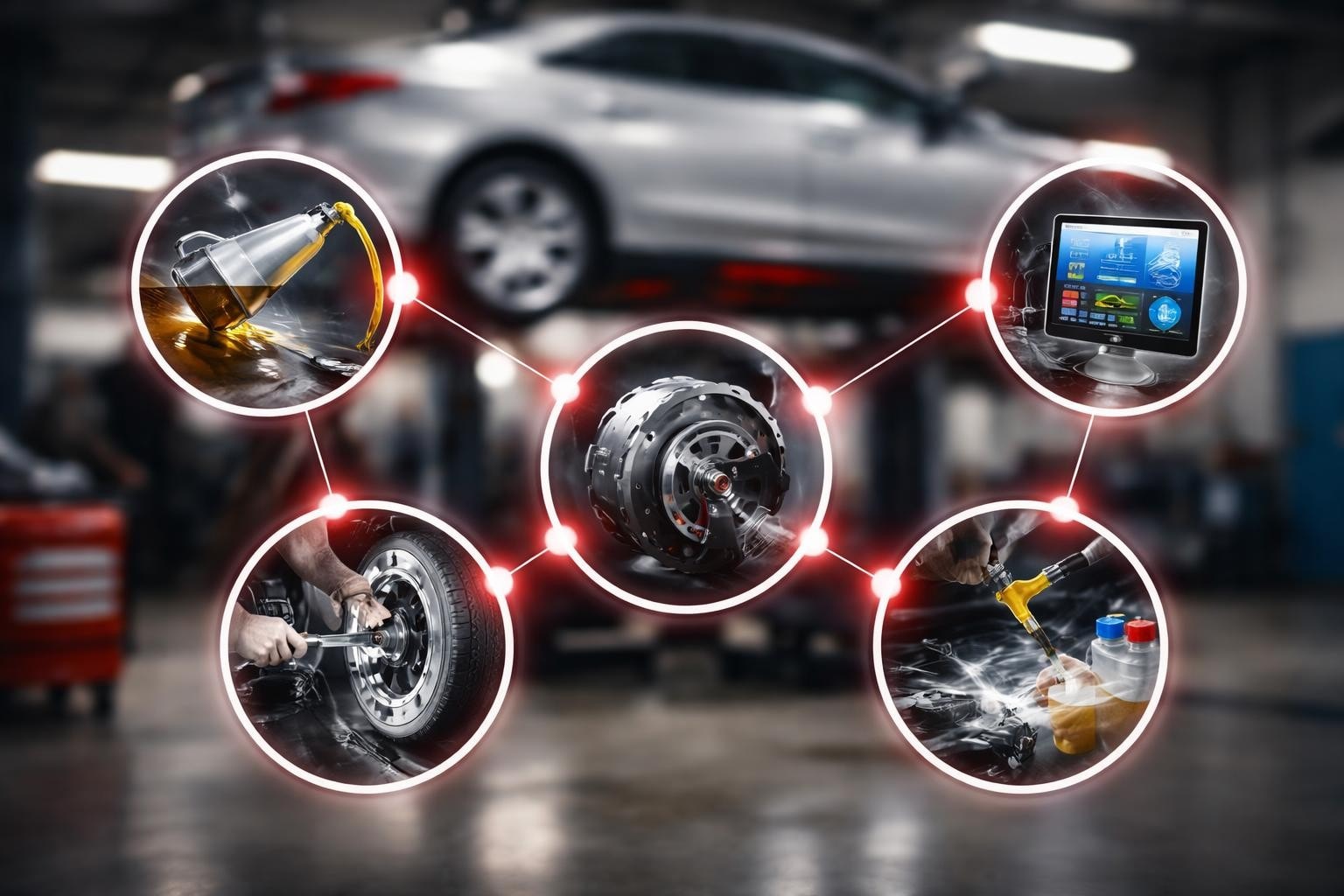
Keeping your vehicle in optimal condition requires consistent attention, strategic planning, and a thorough understanding of what your car needs throughout its lifespan. Whether you're a car enthusiast tracking performance modifications or a daily driver looking to maximize reliability, learning how to maintain car systems properly can save you thousands of dollars in repairs while ensuring your vehicle performs at its best. With the right approach and tools, car maintenance becomes less overwhelming and more rewarding. In 2026, technology has made it easier than ever to track maintenance schedules, monitor vehicle health, and stay ahead of potential problems before they become expensive headaches.
Understanding Your Vehicle's Maintenance Schedule
Every vehicle comes with manufacturer-recommended maintenance intervals that serve as your roadmap for proper care. These schedules outline when specific services should be performed based on mileage or time intervals, whichever comes first.
Your owner's manual provides detailed information about maintenance recommendations specific to your make and model. Modern vehicles typically follow either a normal or severe driving conditions schedule, with severe conditions including frequent short trips, extreme temperatures, dusty environments, or towing.
Key components of a maintenance schedule include:
- Oil and filter changes every 3,000-7,500 miles depending on oil type
- Tire rotations every 5,000-7,500 miles
- Brake inspections every 10,000-15,000 miles
- Transmission fluid changes every 30,000-60,000 miles
- Coolant system flushes every 30,000 miles or as specified
- Air filter replacements every 15,000-30,000 miles
Tracking these intervals becomes significantly easier with digital tools that send automatic reminders based on your actual driving patterns. For car enthusiasts managing multiple vehicles or extensive modifications, maintaining accurate records ensures nothing falls through the cracks.
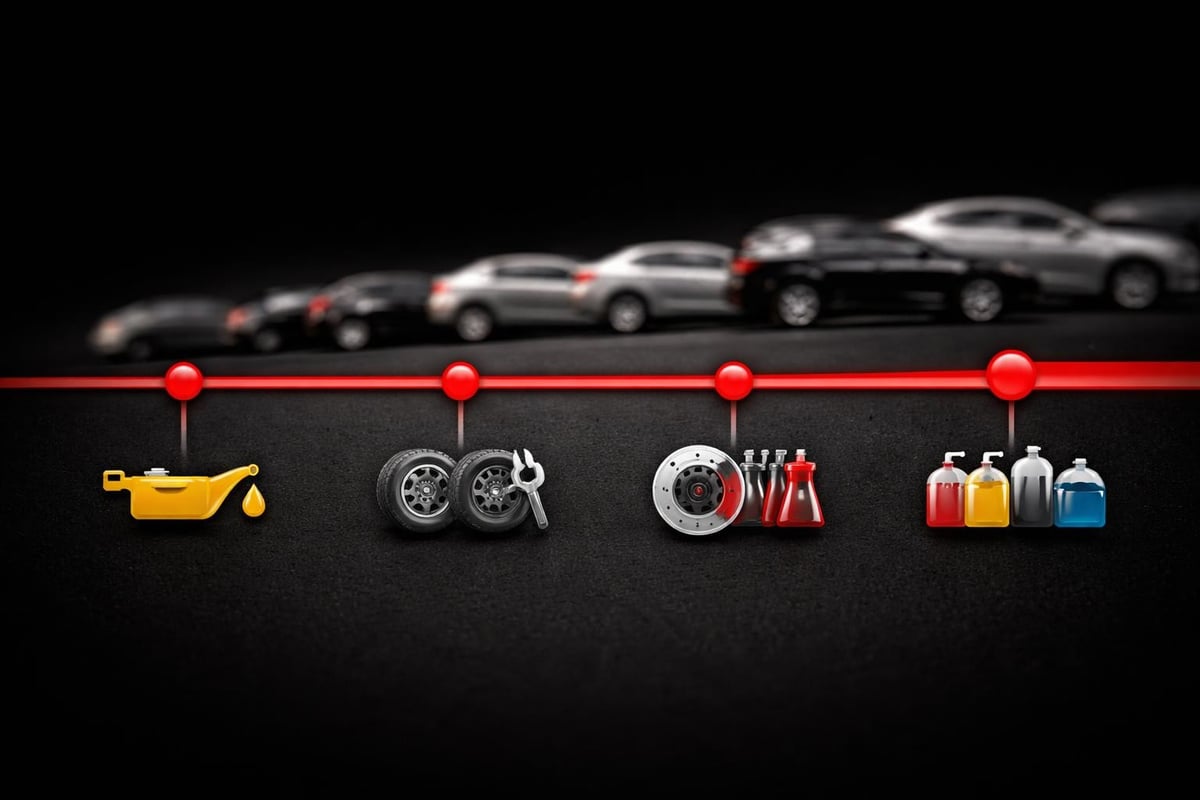
Essential Fluids That Keep Your Car Running
Fluids are the lifeblood of your vehicle, and monitoring them regularly is one of the most important ways to maintain car performance and longevity. Each fluid serves a specific purpose and requires different maintenance intervals.
Engine Oil and Filter Changes
Engine oil lubricates moving parts, reduces friction, and helps dissipate heat. Understanding the cost of oil changes helps you budget appropriately for this essential service. Synthetic oils last longer than conventional oils but cost more upfront.
Check your oil level monthly by pulling the dipstick when the engine is cold. The oil should be between the minimum and maximum marks and appear amber or light brown. Dark, gritty oil indicates it's time for a change.
Coolant System Maintenance
Coolant prevents your engine from overheating and protects against freezing in cold climates. This mixture of water and antifreeze should be flushed according to AAA's maintenance recommendations to prevent corrosion and maintain proper temperature regulation.
Check coolant levels when the engine is completely cold by looking at the overflow reservoir. The fluid should be bright green, orange, or pink depending on type. Brown or rusty coolant signals contamination.
Transmission and Brake Fluids
Transmission fluid keeps your gears shifting smoothly, while brake fluid enables your braking system to function safely. Both should be checked during regular service appointments and changed according to manufacturer specifications.
| Fluid Type | Check Frequency | Change Interval | Warning Signs |
|---|---|---|---|
| Engine Oil | Monthly | 3,000-7,500 miles | Dark color, low level |
| Coolant | Monthly | 30,000 miles | Discoloration, low level |
| Transmission | Every 6 months | 30,000-60,000 miles | Burning smell, rough shifting |
| Brake Fluid | Every 6 months | 20,000-45,000 miles | Spongy pedal, dark color |
| Power Steering | Every 6 months | 50,000 miles | Whining noise, hard steering |
Tire Care and Maintenance Strategies
Tires represent your only contact point with the road, making their condition critical for safety and performance. Proper tire maintenance extends their lifespan and improves fuel efficiency.
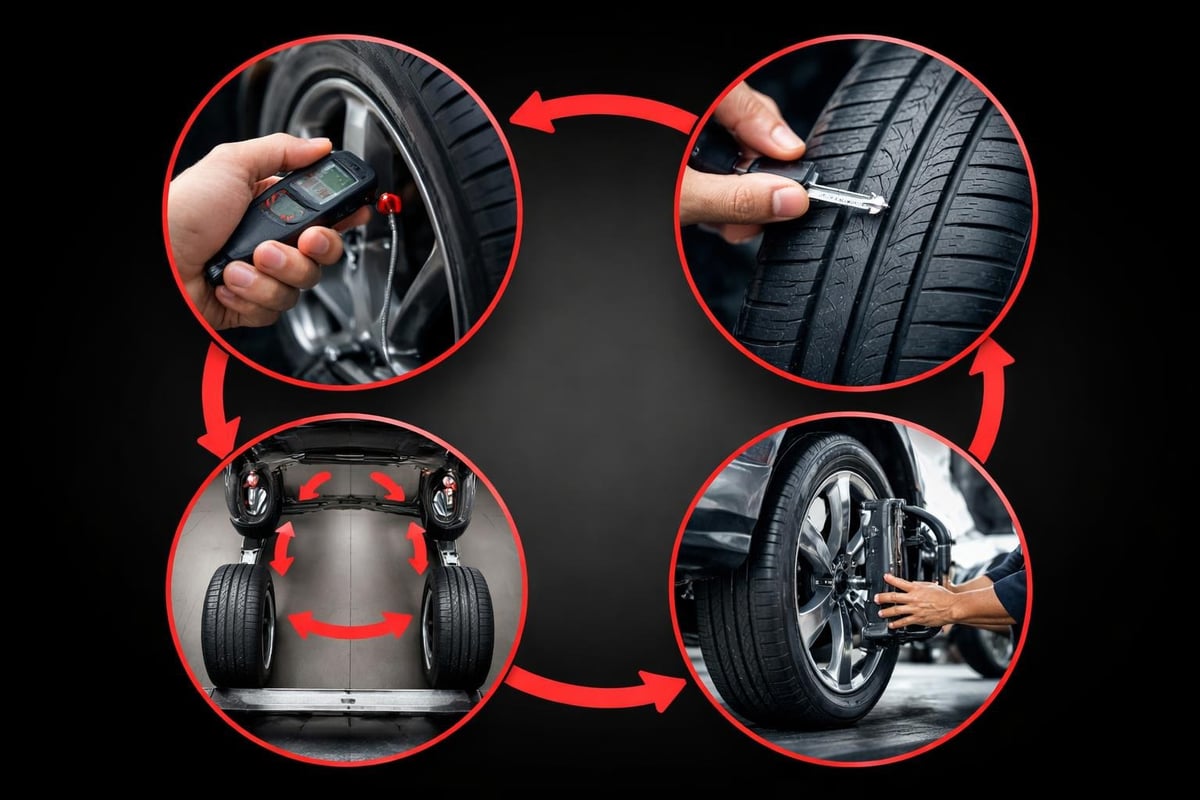
Tire pressure management starts with checking pressures monthly when tires are cold. The recommended PSI is listed on a sticker inside the driver's door jamb, not on the tire sidewall. Underinflated tires increase wear and reduce fuel economy, while overinflated tires compromise traction and ride comfort.
Tire rotation prevents uneven wear patterns by moving tires to different positions on your vehicle. Front-wheel drive vehicles wear front tires faster due to steering and power delivery. Following Toyota's maintenance checklist recommendations helps maximize tire life.
Tread Depth and Alignment
Measuring tread depth ensures adequate grip in wet conditions. Insert a penny into the tread grooves with Lincoln's head upside down. If you can see all of Lincoln's head, your tires need replacement.
Wheel alignment affects how your vehicle tracks straight and prevents premature tire wear. Signs you need an alignment include pulling to one side, uneven tire wear, or a crooked steering wheel when driving straight.
Brake System Inspections and Care
Brakes are your vehicle's most critical safety system, requiring regular attention to maintain car stopping power. Understanding how brakes work helps you recognize problems early.
Your brake system includes pads or shoes, rotors or drums, calipers, and hydraulic fluid that transmits pressure from the pedal to the wheels. Allstate recommends inspecting brakes during tire rotations to catch wear before it becomes dangerous.
Warning signs of brake problems:
- Squealing or grinding noises when braking
- Vibration in the steering wheel or brake pedal
- Pulling to one side during braking
- Soft or spongy brake pedal feel
- Longer stopping distances than normal
- Brake warning light illuminated on dashboard
Brake pads typically last 25,000-70,000 miles depending on driving style and conditions. Aggressive driving and frequent stop-and-go traffic accelerate wear. Rotors may need resurfacing or replacement when pads are changed.
Battery Maintenance and Testing
Car batteries typically last 3-5 years but require periodic checks to prevent unexpected failures. Extreme temperatures, short trips, and electrical accessories can shorten battery life.
Clean battery terminals monthly by removing corrosion with a wire brush and baking soda solution. Corrosion appears as white, blue, or greenish powder around terminals and prevents proper electrical connection.
Most auto parts stores offer free battery testing that measures cold cranking amps and overall health. Test your battery before winter and summer when extreme temperatures stress the system most.
Signs Your Battery Needs Replacement
Watch for slow engine cranking, especially on cold mornings. Dimming headlights when idling or clicking sounds when turning the key indicate insufficient power. Modern vehicles may display battery warning lights when the charging system detects problems.
Filter Replacements for Optimal Performance
Filters protect critical systems from contaminants and maintain car efficiency. Several types require regular replacement based on driving conditions.
Engine air filters trap dirt and debris before they enter the engine. A clogged filter reduces power and fuel economy. Inspect the filter every oil change and replace when it appears dark or restricted. Driving on dusty roads requires more frequent changes.
Cabin air filters clean the air entering your vehicle's interior through the HVAC system. These filters capture pollen, dust, and pollutants, improving air quality. Replace cabin filters annually or every 15,000 miles to maintain proper airflow and reduce odors.
Fuel filters prevent contaminants from reaching the engine's fuel injection system. While many modern vehicles have lifetime filters integrated into the fuel pump, others require replacement every 30,000 miles. Check your owner's manual for specific recommendations.
Seasonal Maintenance Considerations
Different seasons present unique challenges that require specific attention when you maintain car systems throughout the year.
Winter Preparation
Cold weather affects battery performance, tire pressure, and fluid viscosity. Consumer Reports' maintenance guide emphasizes checking antifreeze concentration and ensuring battery health before winter arrives.
Switch to winter-grade windshield washer fluid that won't freeze. Check tire tread depth and consider winter tires in areas with heavy snow. Keep your gas tank at least half full to prevent fuel line freeze.
Summer Readiness
High temperatures stress cooling systems and accelerate oil breakdown. Inspect coolant hoses for cracks or soft spots that could fail. Check air conditioning performance and refrigerant levels before hot weather arrives.
Verify that your cooling fan operates properly when the engine reaches operating temperature. Monitor tire pressure more frequently as heat causes air to expand.
Creating a Comprehensive Maintenance Log
Documenting every service, repair, and modification helps you track patterns, plan budgets, and maintain resale value. Digital maintenance logs provide searchable records accessible from your phone.
Record the date, mileage, service performed, parts used, and cost for each maintenance event. Include photos of receipts and completed work. This documentation proves maintenance history to future buyers and helps warranty claims.
For enthusiasts tracking performance modifications alongside routine maintenance, comprehensive logs become invaluable. Knowing exactly when you installed parts, changed fluids, or upgraded components helps troubleshoot issues and plan future improvements.
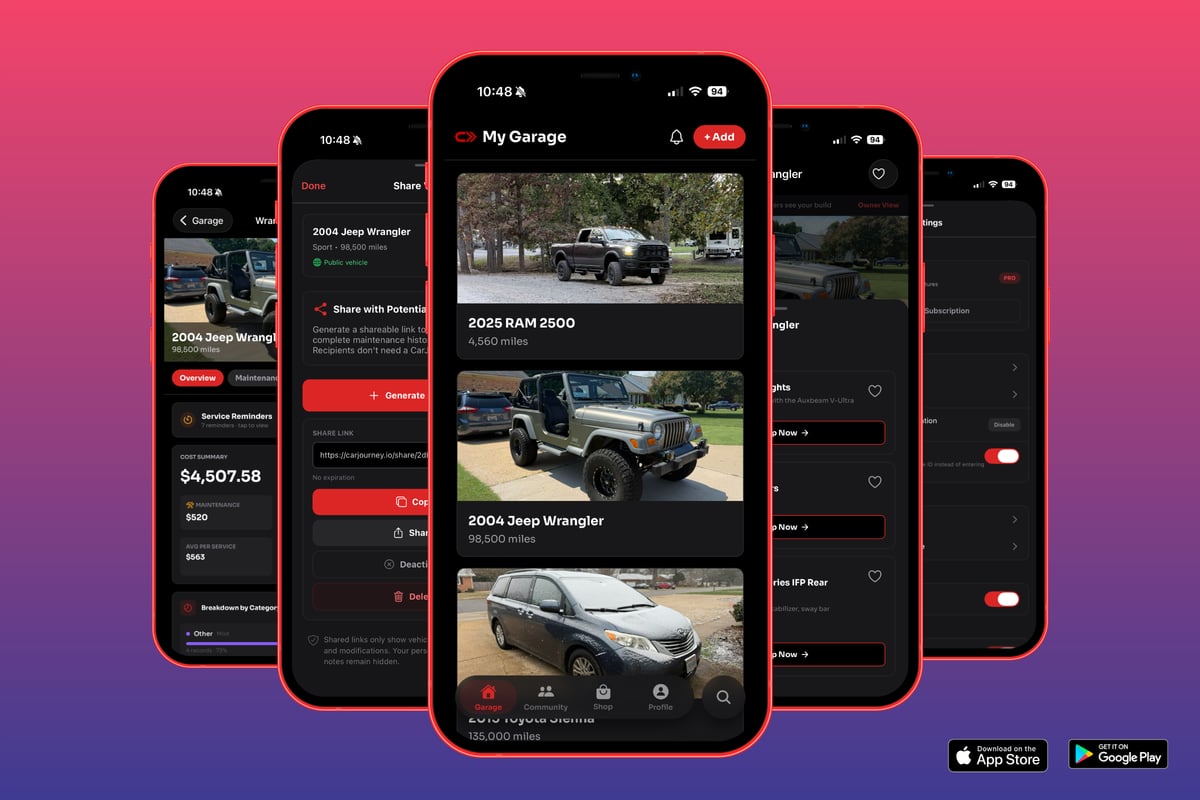
CarJourney's AI-powered platform makes maintaining these records effortless by automatically organizing maintenance history, tracking modifications, and sending timely reminders based on your actual usage patterns. The platform enables you to create shareable build profiles that showcase your vehicle's complete history and modifications in one centralized location.
Diagnostic Tools and Technology
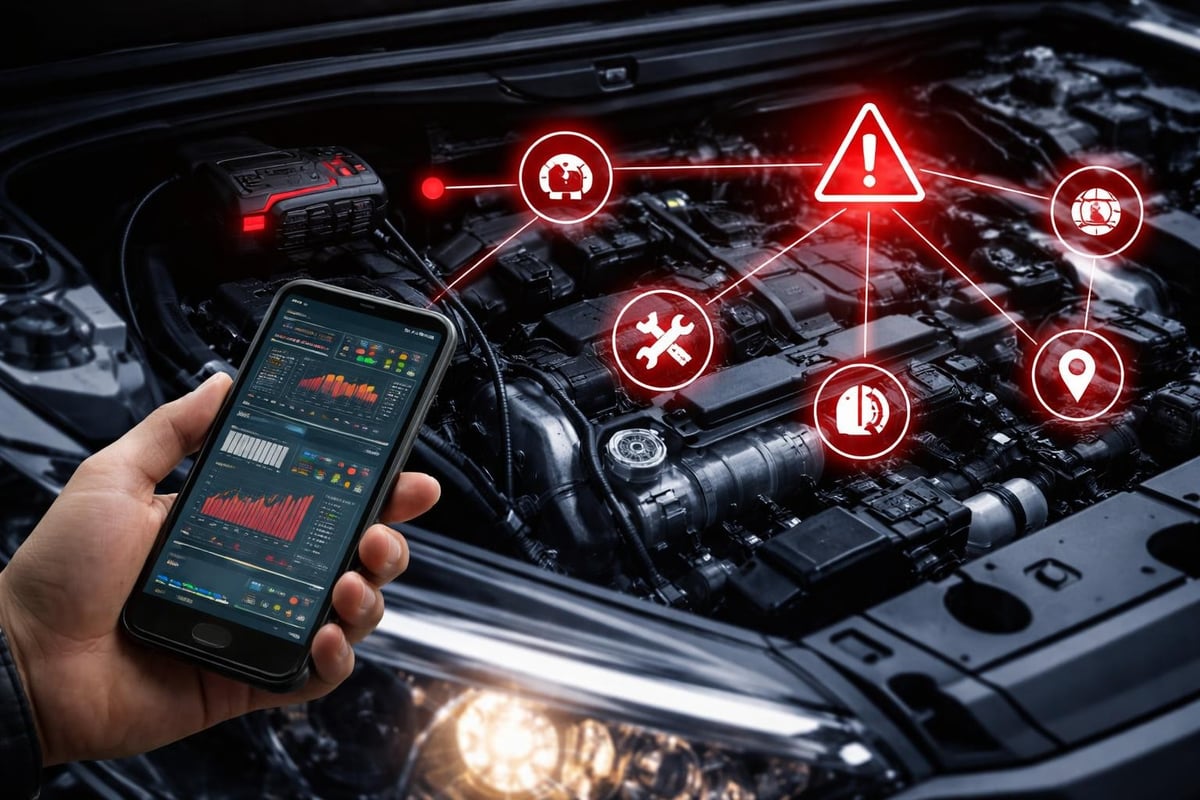
Modern vehicles communicate through onboard diagnostic systems that monitor hundreds of sensors. Understanding these systems helps you maintain car health proactively.
OBD-II scanners plug into the diagnostic port under your dashboard and retrieve trouble codes when the check engine light illuminates. Basic scanners cost under $50 and provide code numbers you can research online. Professional-grade scanners offer live data streaming and advanced diagnostics.
Many manufacturers offer mobile apps that connect to your vehicle via Bluetooth or cellular networks. These apps provide vehicle health reports, maintenance reminders, and diagnostic information directly to your smartphone.
Tire pressure monitoring systems alert you to low tire pressure before it causes damage. Learn to distinguish between gradual leaks requiring repair and normal pressure drops from temperature changes.
Professional Inspections vs. DIY Maintenance
Balancing professional services with do-it-yourself maintenance optimizes both cost and reliability. Some tasks require specialized tools or expertise, while others are simple enough for most owners.
DIY-friendly maintenance tasks include:
- Checking and topping off fluids
- Replacing windshield wipers
- Changing air filters
- Checking tire pressure and tread depth
- Cleaning battery terminals
- Replacing cabin air filters
Professional mechanics should handle brake work, suspension repairs, transmission service, and complex electrical diagnostics. American Family Insurance emphasizes the importance of professional inspections for safety-critical systems.
Establish a relationship with a trusted mechanic who knows your vehicle's history. Ask questions about recommended services and get second opinions on expensive repairs. Learning basic automotive terminology helps you communicate effectively with service professionals.
Common Maintenance Mistakes to Avoid
Even well-intentioned car owners make errors that compromise vehicle reliability and safety. Recognizing these pitfalls helps you maintain car systems more effectively.
Skipping recommended services to save money often costs more in the long run. Neglected maintenance leads to premature wear and catastrophic failures. A $50 oil change prevents $3,000 engine repairs.
Using incorrect fluids or parts voids warranties and causes damage. Always verify that oil weight, coolant type, and replacement parts meet manufacturer specifications. Generic parts may seem equivalent but lack proper engineering validation.
Ignoring warning lights or unusual noises allows small problems to escalate. Dashboard warnings indicate systems requiring immediate attention. Strange sounds often signal worn components that will fail if not addressed.
Maintaining Cars Driven Infrequently
Vehicles driven less than 10 miles per day or sitting idle for extended periods face unique challenges. Chubb's maintenance tips address these specific concerns.
Battery and Fluid Considerations
Batteries discharge when vehicles sit unused, especially in cold weather. Connect a battery maintainer or start your vehicle weekly and drive for at least 20 minutes to recharge the battery and circulate fluids.
Gasoline deteriorates after 3-6 months, forming varnish that clogs fuel systems. Add fuel stabilizer if storing a vehicle for extended periods. Keep the tank full to prevent moisture accumulation.
Tires develop flat spots when vehicles remain stationary for weeks. Move the vehicle periodically or inflate tires to maximum sidewall pressure during storage. Check pressure before driving after extended parking.
Building a Maintenance Budget
Understanding yearly car maintenance costs helps you plan financially and avoid surprises. Setting aside money monthly prevents maintenance from becoming a financial burden.
| Maintenance Category | Annual Cost Range | Frequency | Planning Tips |
|---|---|---|---|
| Oil Changes | $150-$400 | 3-5 times/year | Use synthetic for longer intervals |
| Tires | $400-$800 | Every 3-4 years | Rotate regularly to extend life |
| Brakes | $300-$800 | Every 2-3 years | Address squealing early |
| Battery | $100-$200 | Every 3-5 years | Test before winter |
| Fluids/Filters | $200-$400 | Annually | Combine with other services |
Luxury and performance vehicles require higher budgets due to premium parts and specialized service. European vehicles often need synthetic oil and dealer-specific diagnostic equipment.
Create a maintenance fund by calculating annual costs and setting aside monthly amounts. This approach prevents scrambling for money when scheduled services come due. Tracking receipts digitally simplifies expense monitoring and tax deductions for business vehicles.
Exterior and Interior Care
While mechanical maintenance keeps your car running, exterior and interior care preserves appearance and value. Regular cleaning prevents damage and makes ownership more enjoyable.
Wash your vehicle every two weeks to remove contaminants that damage paint and clear coat. Road salt, bird droppings, and tree sap cause permanent etching if left untreated. Use pH-neutral car wash soap and microfiber towels to prevent scratches.
Apply wax or paint sealant every 3-6 months to protect against UV damage and make cleaning easier. Modern ceramic coatings last years but require professional application. Regular waxing maintains that protective barrier.
Vacuum and clean interior surfaces monthly to prevent staining and odors. Leather requires conditioning to prevent cracking. Fabric upholstery benefits from occasional deep cleaning or professional detailing.
The Role of Driving Habits
How you drive significantly impacts maintenance needs and vehicle longevity. Aggressive acceleration, hard braking, and high-speed driving accelerate wear on all systems.
Gentle driving techniques:
- Accelerate smoothly and progressively
- Anticipate stops to reduce hard braking
- Allow the engine to warm up before demanding full power
- Avoid excessive idling which wastes fuel without charging the battery
- Use cruise control on highways to maintain steady speeds
Short trips prevent engines from reaching optimal operating temperature, causing moisture buildup and incomplete combustion. Combine errands to reduce cold starts and extend oil life. Highway driving actually helps maintain car systems by fully warming components and burning off deposits.
Advanced Maintenance for Modified Vehicles
Car enthusiasts who modify their vehicles face additional maintenance considerations. Performance upgrades often require specialized care and more frequent service intervals.
Aftermarket exhaust systems, cold air intakes, and performance tunes change how engines operate. Monitor additional gauges like boost pressure, air-fuel ratios, and oil temperature to catch problems early. Keep detailed records of all modifications to help diagnose issues.
Suspension modifications affect alignment specifications and tire wear patterns. Performance brake pads require different bedding procedures and operating temperatures. Upgraded cooling systems need verification that thermostat settings and fan triggers work correctly.
Using vehicle logs specifically designed for modifications helps you track the relationship between changes and maintenance needs. Understanding how modifications affect warranty coverage prevents disputes with manufacturers.
Preparing for Long-Distance Travel
Extended road trips require additional preparation beyond routine maintenance. Verify that all systems operate reliably before departing on journeys exceeding 500 miles.
Chase's comprehensive checklist covers essential pre-trip inspections. Check tire tread depth, spare tire condition, and ensure your jack and tools are accessible. Verify that all lights function properly and windshield wipers are in good condition.
Inspect belts and hoses for cracks or soft spots that could fail far from home. Top off all fluids and verify that coolant concentration provides adequate protection. Pack emergency supplies including jumper cables, flashlight, basic tools, and first aid kit.
Plan your route with rest stops every 2-3 hours to reduce fatigue and check your vehicle. Note the locations of service facilities along your route in case problems arise.
Recognizing When to Replace vs. Repair
As vehicles age, deciding between repairs and replacement becomes increasingly important. Multiple factors influence this decision beyond simple cost calculations.
Consider vehicle replacement when:
- Repair costs exceed 50% of current market value
- Multiple major systems need simultaneous repairs
- Rust or frame damage compromises structural integrity
- Safety systems like airbags or ABS require expensive repairs
- Reliability becomes unpredictable despite proper maintenance
Emotional attachment and modification investments complicate these decisions for enthusiasts. A well-maintained vehicle with documented history often justifies major repairs that preserve your investment in customization.
Calculate total cost of ownership including insurance, registration, and expected maintenance over the next 2-3 years. Compare this to purchasing a newer vehicle with lower maintenance needs but higher payments and insurance costs.
Maintaining your vehicle properly requires consistent attention to fluids, filters, tires, brakes, and other critical systems while developing habits that extend component life. By creating comprehensive maintenance schedules, keeping detailed records, and addressing issues promptly, you protect your investment and ensure reliable performance for years to come. CarJourney provides the AI-powered tools you need to track every service, modification, and expense in one centralized platform, making it simple to stay on top of maintenance while building a complete history that showcases your vehicle's journey.