 carjourney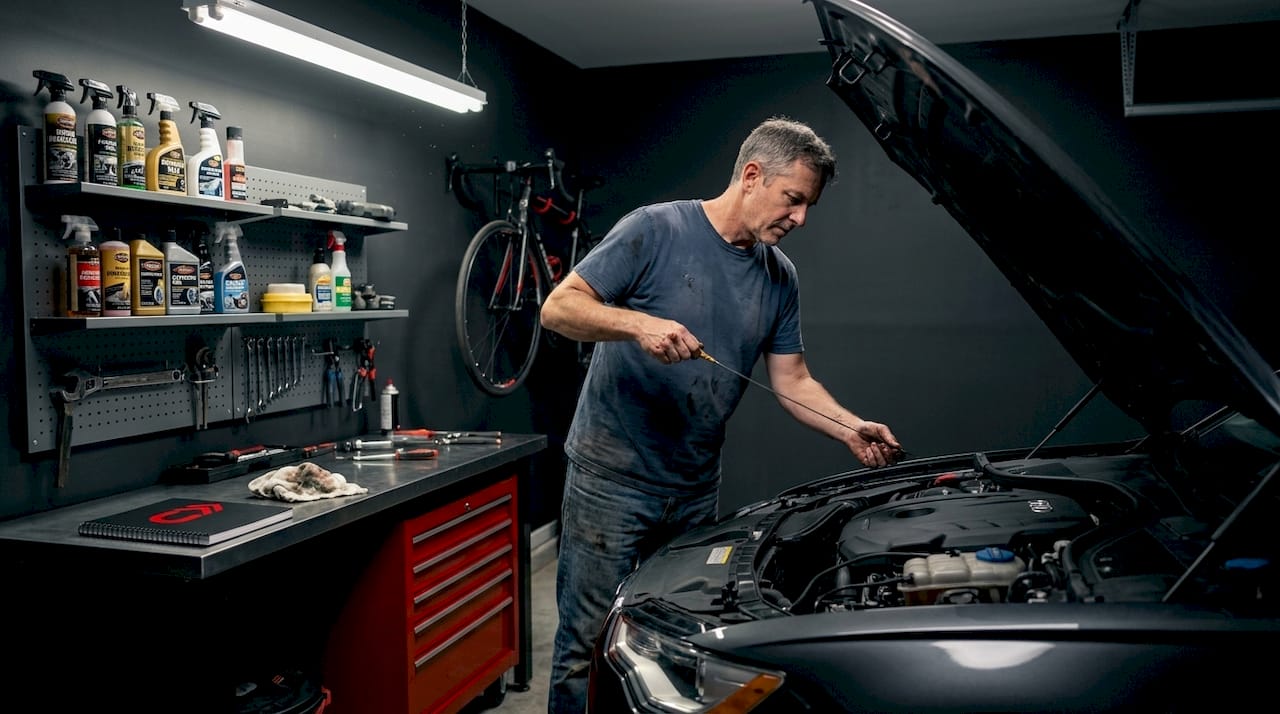
Most drivers know they should take better care of their cars, but the sheer volume of conflicting advice online makes it easy to do nothing at all. You’ll find 37-step checklists next to “just change your oil” minimalism, and neither extreme actually helps you build real habits. The truth is that effective car care doesn’t require perfection. It requires consistency, a basic understanding of what your vehicle needs, and the ability to spot problems before they turn expensive. This guide cuts through the noise and gives you a practical, expert-backed framework to protect your investment and keep your car running strong for years.
Table of Contents
- Set the foundation: Key principles of car care
- Weekly and monthly maintenance routines
- Seasonal and annual best practices
- Protecting your car’s exterior and interior
- Troubleshooting and warning signs: Don’t ignore the red flags
- Why most car care guides miss what matters
- Take the next step: Make car care easy with CarJourney
- Frequently asked questions
Key Takeaways
| Point | Details |
|---|---|
| Consistency is key | Sticking to regular maintenance habits prevents most expensive problems. |
| Prioritize key tasks | Focus on fluid levels, tire care, and routine inspections for the greatest impact. |
| Act on warning signs | Don’t delay when your car shows problems—immediate attention can save your vehicle. |
| Protect inside and out | Exterior treatments and interior care preserve value and comfort long term. |
| Leverage tech tools | Apps and reminders can make scheduled maintenance automatic and stress-free. |
Set the foundation: Key principles of car care
Before you memorize a single checklist, you need the right mindset. Routine vehicle checks are essential for extending car life, but that fact only helps if you actually act on it consistently. The biggest mistake most car owners make isn’t skipping an oil change once. It’s going six months without looking under the hood at all.
Here are the core principles that separate well-maintained cars from expensive repair bills:
- Consistency beats intensity. Doing five simple things every week is far more effective than a four-hour deep maintenance session once a year.
- Follow your manufacturer’s schedule. Your owner’s manual is the most authoritative source for your specific vehicle. Generic internet advice often ignores your car’s actual engineering.
- Monitor fluids and tire condition regularly. Oil, coolant, brake fluid, and power steering fluid all degrade over time. Tire pressure changes with temperature, sometimes by several PSI between seasons.
- Use a complete car maintenance guide as your baseline, then customize based on your driving conditions, climate, and vehicle age.
- Create a tracking system. Whether it’s a notes app, a glove box folder, or a dedicated tracking platform, keeping records helps you spot patterns and stay ahead of problems.
Pro Tip: Set calendar reminders on your phone for monthly checks. Link them to a date you’ll remember, like the first of every month, so it becomes automatic rather than something you “get around to eventually.”
External resources like professional vehicle maintenance plans can also fill gaps between DIY checks, especially for paint and surface protection that most drivers overlook entirely.
Weekly and monthly maintenance routines
With the big-picture principles in mind, next are the routine tasks that provide day-to-day vehicle protection. These aren’t glamorous, but they’re the habits that prevent the kind of failure that leaves you stranded on the highway.
Follow this sequence to build a sustainable routine:
- Check tire pressure weekly. Tires lose roughly one PSI per month under normal conditions, and more when temperatures drop. Under-inflated tires wear unevenly, reduce fuel economy, and increase blowout risk.
- Inspect all lights every week. Brake lights, turn signals, and headlights are safety items. A burned-out bulb is a quick fix that can prevent accidents and traffic stops.
- Check fluid levels every two weeks. Oil, coolant, brake fluid, and windshield washer fluid are all quick dipstick or reservoir checks that take under five minutes.
- Clean your car monthly. This isn’t just cosmetic. Salt, bird droppings, and road grime accelerate rust and paint deterioration if left on surfaces for weeks.
- Inspect the battery terminals monthly. Corrosion buildup on battery terminals is a leading cause of no-start situations that appear without warning.
- Look over hoses and belts once a month. Cracking, fraying, or soft spots on belts and hoses are early warnings of failures that can leave your engine without coolant or power.
Sticking to regular service routines prevents the kind of costly repairs that surprise owners who thought their car was fine because it seemed to run okay.
“Prevention is always cheaper than repair.”
This quote sounds simple, but most people don’t feel the truth of it until they’re looking at a $1,400 radiator replacement that started as a $12 hose. Following your maintenance recommendations consistently is the single most effective financial decision you can make as a car owner.
Pro Tip: Don’t ignore unusual noises, even if your car still drives fine. A new squeak, rattle, or hum is your car’s way of communicating. Write it down, search your vehicle’s forums, and get it checked before your next service if it persists.
Seasonal and annual best practices
Routine, short-term actions are critical, but attention to seasonal shifts and annual service completes your car care strategy. Your vehicle operates in dramatically different conditions between January and July, and the parts that take the most stress change with the weather.
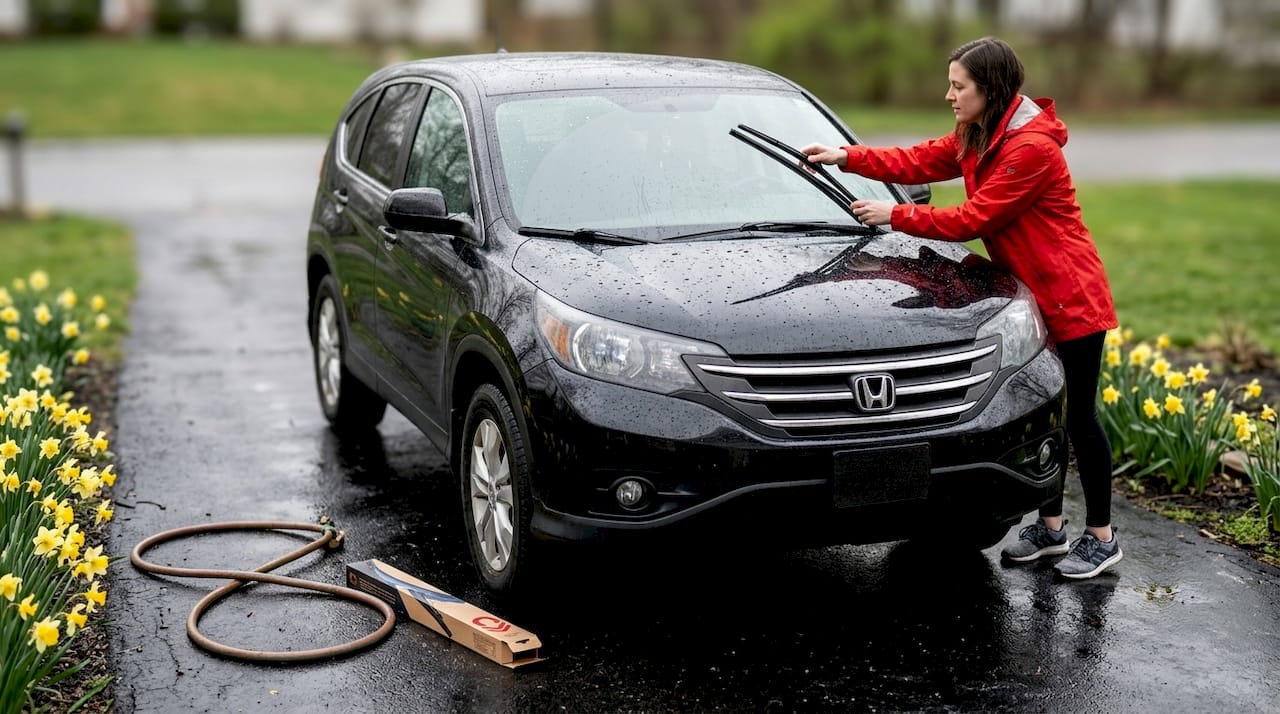
Spring is the time to inspect your wiper blades and replace them if they streak or skip. Winter ice and snow shred rubber edges fast. Spring is also when you should check your brakes thoroughly. Salt and moisture from winter driving accelerate rotor corrosion, and you want to catch worn pads before warm weather driving season kicks in.
Summer puts your cooling system under maximum stress. Check coolant level and concentration, inspect the radiator for debris, and verify that your AC compressor is functioning before the first heat wave. A failed AC in August isn’t just uncomfortable. It can indicate a refrigerant leak or a failing compressor that affects other systems.
Fall is battery and tire season. Cold weather dramatically reduces battery capacity, so a battery that tests at 60% in October will likely fail in January. Fall is also the right time to evaluate whether your tires have sufficient tread depth for wet and icy conditions.
Winter means antifreeze and heater checks. Verify that your coolant mixture is rated for your coldest expected temperatures, and test your defroster and heater output before you need them in an emergency.
Yearly maintenance checks can reveal potential issues before they worsen, and following service intervals by mileage ensures you’re not guessing when components are due.
| Season / Interval | Key maintenance tasks |
|---|---|
| Spring | Wiper blades, brake inspection, tire swap |
| Summer | Coolant and AC check, radiator flush |
| Fall | Battery test, tire tread check, fluid top-offs |
| Winter | Antifreeze concentration, heater and defroster test |
| Annual | Air filter, cabin filter, tire rotation, alignment check, suspension inspection |
| Every 30,000 miles | Spark plugs (varies by type), transmission fluid, brake fluid flush |
The annual items in that table matter more than most owners realize. Air filters are especially overlooked. A clogged engine air filter reduces fuel efficiency and can cause rough idling, while a dirty cabin filter degrades air quality inside the car and strains your HVAC system.
Protecting your car’s exterior and interior
After tackling mechanical needs, turn your attention to protecting your car’s surfaces. These steps make your vehicle look and feel new, and they directly protect its resale value. A car that runs perfectly but has faded paint and cracked leather sells for significantly less than one that’s been cared for inside and out.
Exterior care basics:
- Wash your car every two weeks using a dedicated car wash soap. Dish soap strips protective wax and accelerates paint oxidation.
- Apply wax or paint sealant every three to four months. This creates a barrier against UV rays, bird droppings, tree sap, and minor abrasion.
- Address chips and scratches quickly. Exposed metal rusts fast, especially in humid climates or places that use road salt.
- Park in the shade whenever possible. UV exposure is one of the leading causes of paint fading and plastic trim degradation.
Interior care basics:
- Vacuum seats and carpets monthly to prevent dirt from grinding into fabric fibers.
- Treat leather and vinyl with a conditioner every few months. Cracked leather is both uncomfortable and expensive to repair or replace.
- Avoid ammonia-based cleaners on interior surfaces. They degrade plastics, crack vinyl, and damage tinted windows over time.
For owners who want more serious protection, the comparison between paint protection film (PPF) and ceramic coating is worth understanding. Paint protection can significantly reduce fading and surface deterioration, but the two options serve different purposes.
| Feature | Paint protection film (PPF) | Ceramic coating |
|---|---|---|
| Self-healing | Yes (heat-activated) | No |
| UV protection | Moderate | Excellent |
| Impact resistance | High (absorbs chips) | Low to moderate |
| Hydrophobic effect | Moderate | Very high |
| Lifespan | 5 to 10 years | 2 to 5 years |
| Best for | Rock chips, high-wear areas | Ease of cleaning, gloss |
Pro Tip: For minor scratches that haven’t broken through the clear coat, a paint correction compound can restore car paint shine without an expensive body shop visit. Test on an inconspicuous area first.
Troubleshooting and warning signs: Don’t ignore the red flags
Even the best care can’t prevent every issue. Here’s how to stay alert and act fast when problems arise. The difference between a $200 repair and a $2,000 repair is often just a matter of how quickly you responded to the first symptom.
Watch for these red flags:
- Squealing or grinding brakes. Squealing usually means worn pads. Grinding means metal-on-metal contact and requires immediate attention.
- Dashboard warning lights. Check engine, oil pressure, battery, and temperature lights all signal specific issues. Never assume a light will “go away on its own.”
- Smoke from the hood. White smoke often signals coolant burning off. Blue smoke means burning oil. Both require same-day diagnosis.
- Vibrations at speed. Steering wheel vibration between 50 and 70 mph usually points to wheel balance or alignment issues. Vibrations under braking suggest warped rotors.
- Fluid spots under the car. A fresh puddle under your vehicle is never normal. Identify the color and location before driving further.
Warning signs that your car needs servicing can escalate fast. Responding promptly ensures your safety and keeps repair bills from spiraling.
“Ignoring dashboard warnings can turn simple fixes into engine failure.”
That’s not an exaggeration. A low oil pressure warning ignored for two weeks can mean a complete engine replacement. The same issue caught on day one might mean adding a quart of oil and finding a minor seal leak.
Why most car care guides miss what matters
Here’s the honest truth: most car care content online is written for clicks, not for your car. The articles with the longest checklists get shared the most, but extensive lists don’t actually change behavior. Most people read them, feel briefly motivated, then do nothing differently.
The real problem isn’t that car owners lack information. It’s that they lack follow-through. You can know every item on a 50-point inspection list and still miss a failing alternator because you haven’t checked anything in four months.
What actually works is narrowing your focus to a short list of repeatable habits, building those into your calendar, and responding quickly when something feels different about your car. Those three things, done imperfectly and consistently, will outperform any elaborate system that gets followed twice a year.
We’ve seen this pattern repeatedly in the CarJourney community. Enthusiasts who log their service history and set reminders catch issues earlier, spend less on emergency repairs, and feel more confident in their vehicles than owners who do sporadic “big maintenance days.” There’s also a psychological benefit. When you know what’s been done and when, the car feels more trustworthy.
Using maintenance reminder tools is genuinely one of the highest-leverage changes you can make, not because the tool is magic, but because it removes the cognitive burden of trying to remember everything. Your attention should go to actually checking the car, not to remembering that you should.
The other thing most guides skip: act on uncertainty immediately. If your car makes a new noise and you’re not sure what it is, don’t wait for your next scheduled service. Check your owner’s manual, post to a forum, or call your shop. Fast action on ambiguous symptoms is what separates proactive owners from reactive ones.
Take the next step: Make car care easy with CarJourney
If you’re looking to turn today’s best practices into consistent habits, here’s a simple solution.
Reading a guide like this one is a great start, but building the habits that actually extend your car’s life requires a system. That’s exactly what we built CarJourney to be.
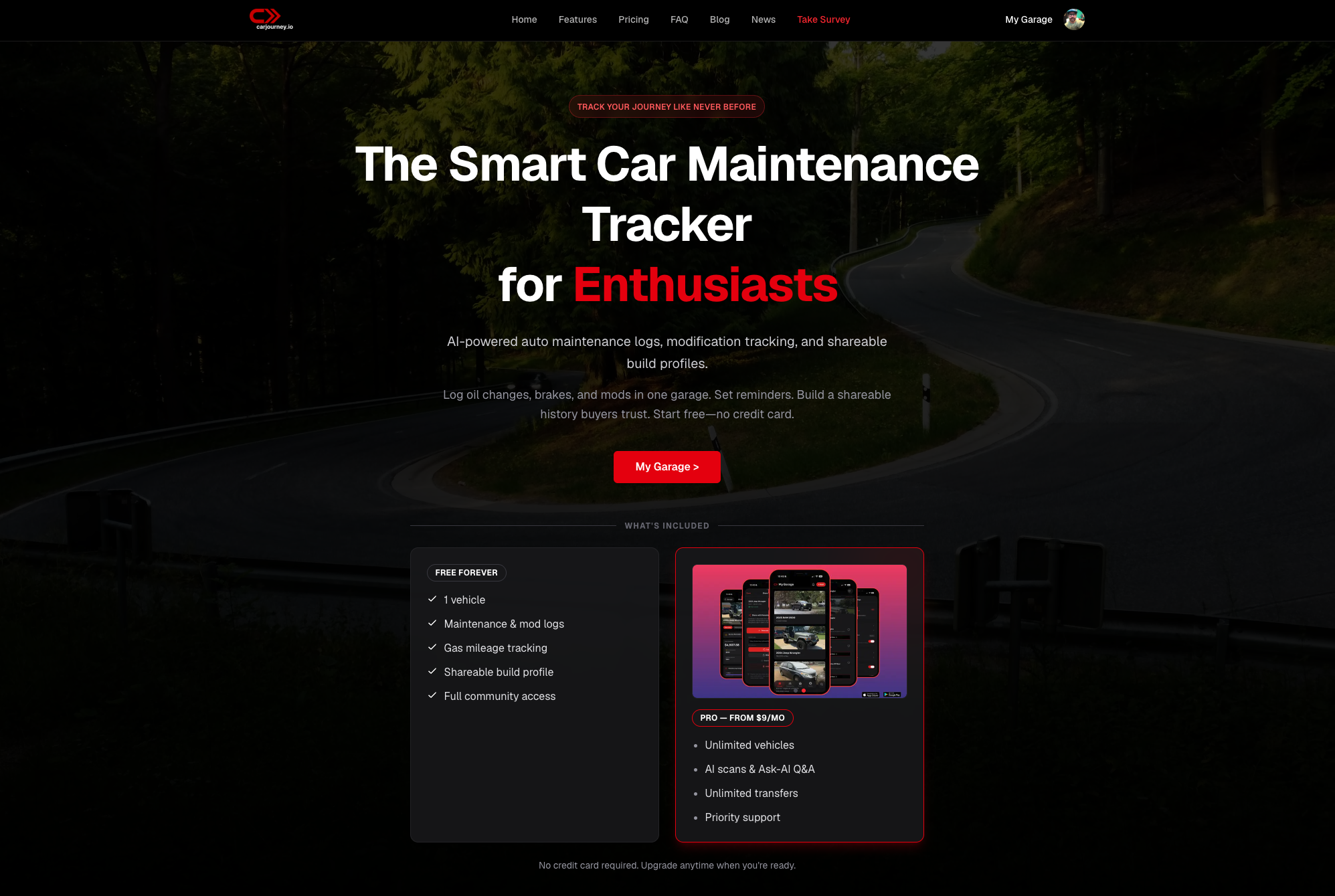
At CarJourney, our AI scans your service documents, answers detailed questions about your specific vehicle, and recommends maintenance schedules verified by multiple AI models. Instead of chasing scattered receipts and outdated forum threads, you get a single place where your car’s entire history lives and where reminders come to you automatically. The CarJourney car maintenance tracker is free to start. Whether you drive a stock commuter or a built weekend car, we built this for you.
Frequently asked questions
How often should I really service my car?
Most cars need a professional service every 12 months or at the interval recommended by your manufacturer. Following manufacturer-recommended intervals is the most reliable standard to use.
What is the most critical maintenance task for car longevity?
Regular oil changes and keeping tires properly inflated have the biggest combined impact on long-term vehicle life. Routine vehicle checks that catch small issues early are what prevent those issues from becoming major failures.
Are ceramic coatings worth it for daily drivers?
Ceramic coatings protect paint from UV degradation and make washing much easier, which makes them a smart investment for many daily drivers. The level of benefit depends on your climate and how much you care about preserving paint quality and resale value, and understanding the PPF vs ceramic coating differences helps you pick the right option.
What warning signs mean my car needs immediate attention?
Unusual noises, any dashboard warning lights, smoke from the hood, or visible fluid leaks all require prompt diagnosis by a mechanic. Responding to warning signs promptly ensures your safety and prevents small problems from becoming expensive ones.
How can I remember all these maintenance tasks?
Use a dedicated car care tracking app or set calendar reminders tied to mileage and date intervals to automate your schedule. Routine vehicle checks become second nature once you have a system that prompts you rather than relying on memory alone.
Recommended
- How to Maintain Car: Complete Guide for Vehicle Care – CarJourney Blog
- Best Car Maintenance Software for Real Owners – CarJourney Blog
- Best Car Maintenance Reminder App Features – CarJourney Blog
- Car Service Maintenance Schedule: A Complete Guide – CarJourney Blog
- 7 Smart Car Cleaning Hacks Every Budget Buyer Should Know | ReVroom