 carjourney
From the CarJourney journal
Car Service Maintenance Schedule: A Complete Guide
Maintaining your vehicle properly requires more than just reacting to warning lights or strange noises. A well-planned car service maintenance schedule helps you stay ahead of potential problems, extend your vehicle's lifespan, and preserve its resale value. Whether you drive a daily commuter, a weekend project car, or a modified performance vehicle, understanding when and why specific services are needed makes all the difference in keeping your car running smoothly. In 2026, with vehicles becoming increasingly sophisticated and ownership costs rising, strategic maintenance planning has become essential for every car owner.
Understanding Your Car Service Maintenance Schedule
Every vehicle comes with a manufacturer-recommended maintenance schedule outlined in the owner's manual. These schedules specify which services should be performed at particular mileage intervals or time periods, whichever comes first.
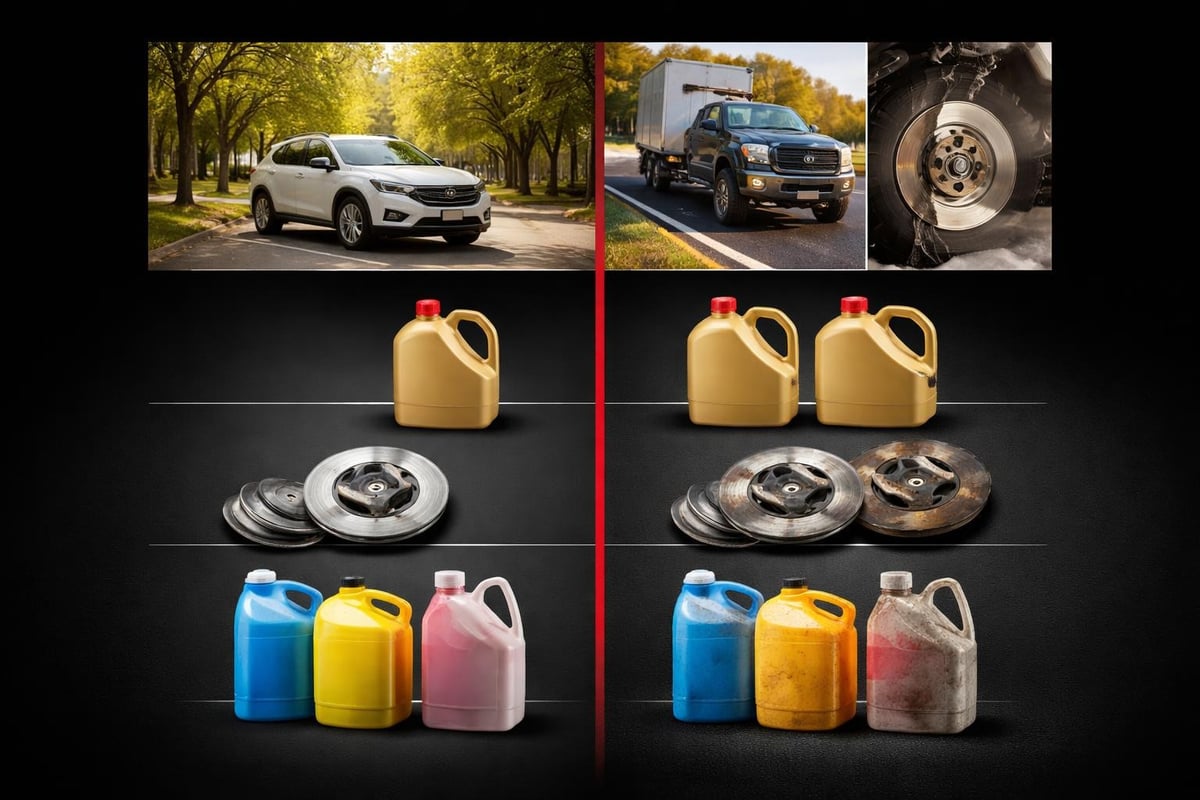
Most manufacturers organize their car service maintenance schedule into two categories: normal driving conditions and severe driving conditions. What many drivers don't realize is that their daily routine often falls into the severe category, which requires more frequent service intervals.
Normal vs. Severe Driving Conditions
Severe driving conditions typically include:
- Frequent short trips under 5 miles
- Stop-and-go traffic or extensive idling
- Driving in dusty or sandy environments
- Towing trailers or carrying heavy loads
- Operating in extreme temperatures
- Extensive highway driving at sustained high speeds
If more than 50% of your driving fits these patterns, you should follow the severe service schedule. This usually means performing services 30-50% more frequently than the normal schedule suggests.
Essential Service Intervals and What They Include
A comprehensive car service maintenance schedule breaks down into several key mileage markers. Understanding what happens at each interval helps you budget for maintenance and recognize which services provide the most value.
Every 3,000-5,000 Miles
Modern synthetic oils have extended this traditional interval, but certain conditions still warrant frequent oil changes. For vehicles using conventional oil, severe driving conditions, or high-performance applications, maintaining a regular oil change schedule remains critical.
Services typically include:
- Engine oil and filter replacement
- Fluid level checks (coolant, brake, power steering, windshield washer)
- Tire pressure adjustment
- Visual inspection of belts, hoses, and battery connections
- Brake pad thickness assessment
Every 10,000-15,000 Miles
This interval represents a sweet spot for routine maintenance that keeps systems operating efficiently without excessive service frequency.
| Service Item | Purpose | Typical Cost Range |
|---|---|---|
| Oil change (synthetic) | Engine lubrication and cooling | $60-$100 |
| Tire rotation | Even tread wear distribution | $35-$50 |
| Cabin air filter | Interior air quality | $25-$75 |
| Multi-point inspection | Identify emerging issues | Often included |
Every 30,000 Miles
Reaching 30,000 miles triggers several important services that prevent more costly repairs down the road. This is where understanding car maintenance by mileage becomes particularly valuable.
Critical services include:
- Air filter replacement to maintain engine efficiency
- Fuel filter replacement for proper fuel delivery
- Spark plug inspection or replacement (depending on plug type)
- Differential fluid service for AWD/4WD vehicles
- Transmission fluid inspection
- Brake fluid flush (every 2-3 years or 30,000 miles)
- Coolant system inspection and potential flush
Every 60,000 Miles
This major service interval addresses components experiencing significant wear. The Wikipedia overview of vehicle service provides additional context on why these intervals matter.
Services often encompass everything from the 30,000-mile list plus:
- Transmission fluid and filter replacement
- Drive belt inspection and potential replacement
- Suspension component inspection
- Battery load test and terminal cleaning
- Detailed brake system evaluation
Every 90,000-100,000 Miles
Approaching six-digit mileage means addressing major wear items before they fail. Planning for these expenses through a car maintenance budget prevents financial surprises.
Major services include:
- Timing belt replacement (if applicable to your engine)
- Water pump replacement (often done with timing belt)
- Coolant system flush and refill
- Spark plug replacement (long-life plugs)
- Fuel system cleaning
- Complete fluid exchange (all differentials, transfer case)
Time-Based Maintenance Requirements
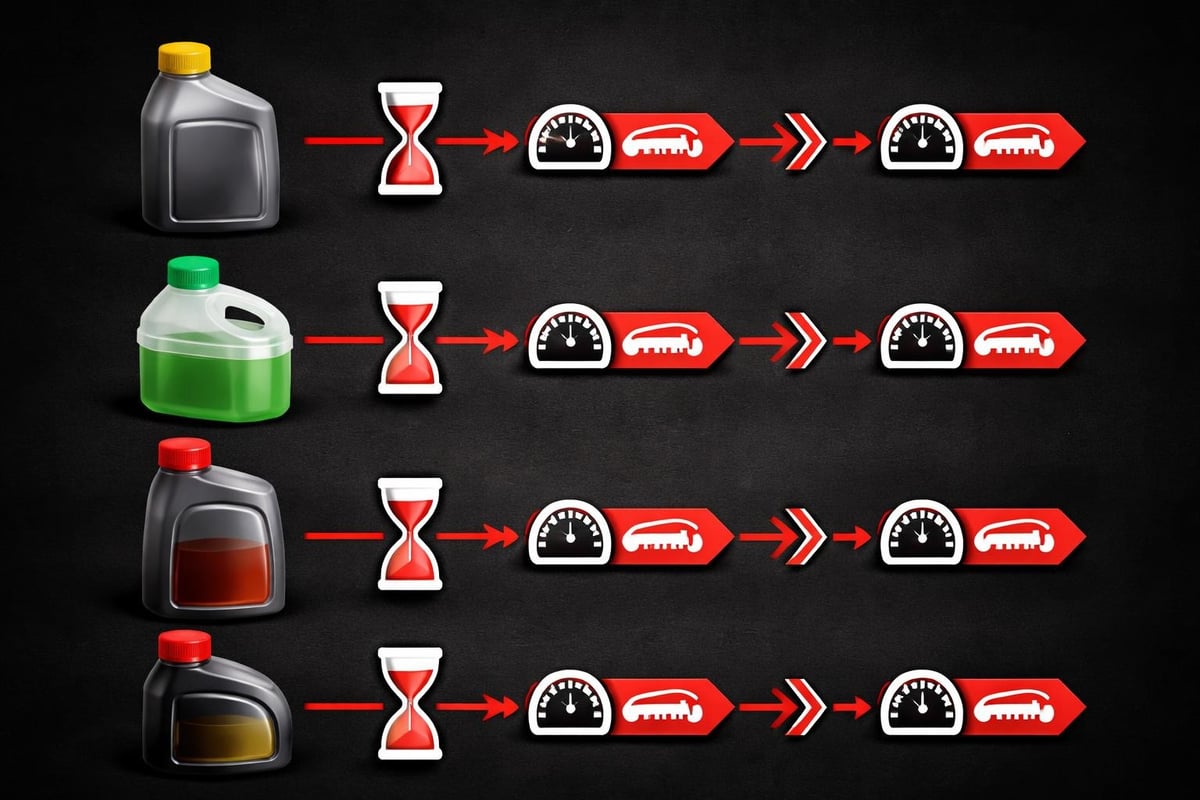
Mileage isn't the only factor determining your car service maintenance schedule. Certain components degrade based on time, regardless of how many miles you drive.
Annual Services Regardless of Mileage
Even if you only drive 5,000 miles per year, some services should happen annually. Research on vehicle maintenance demands demonstrates how predictive models now incorporate both time and usage factors.
Time-sensitive maintenance includes:
- Engine oil change (minimum once yearly)
- Battery inspection and testing
- Tire condition assessment
- Wiper blade replacement
- Comprehensive fluid level verification
Biennial and Long-Term Services
Some fluids and components have extended lifespans but still require periodic attention. Understanding these intervals as part of your yearly vehicle maintenance strategy ensures nothing gets overlooked.
| Component | Service Interval | Reason |
|---|---|---|
| Brake fluid | 2-3 years | Absorbs moisture over time |
| Coolant | 5 years/100k miles | Corrosion inhibitors degrade |
| Transmission fluid | 30k-60k miles | Maintains shifting performance |
| Power steering fluid | 3-5 years | Prevents pump wear |
Creating Your Personalized Maintenance Schedule
While manufacturer recommendations provide the foundation, your specific driving patterns, climate, and vehicle modifications require schedule adjustments. For enthusiasts tracking modifications and performance upgrades, maintaining detailed vehicle logs alongside service records provides invaluable documentation.
Factors That Modify Your Schedule
Performance modifications often necessitate more frequent maintenance. Upgraded turbochargers, superchargers, or engine tuning increase stress on cooling systems, oil, and drivetrain components. If you've invested in performance parts, consider reducing service intervals by 20-30%.
Climate considerations significantly impact wear rates. Extreme heat accelerates fluid breakdown, while extreme cold affects battery life and fluids thickness. Coastal environments or areas using road salt demand more frequent undercarriage inspections and rust prevention.
Driving style matters tremendously. Spirited driving, track days, or competitive events require aggressive maintenance schedules. Many track enthusiasts change oil every 2-3 track days regardless of street mileage.
Modified Vehicle Maintenance Considerations
Modified vehicles demand special attention when establishing a car service maintenance schedule. Upgraded brake systems need different pad compounds and fluid specifications. Lowered suspensions increase wear on bushings and ball joints. Forced induction systems require attention to intercooler efficiency and boost line integrity.
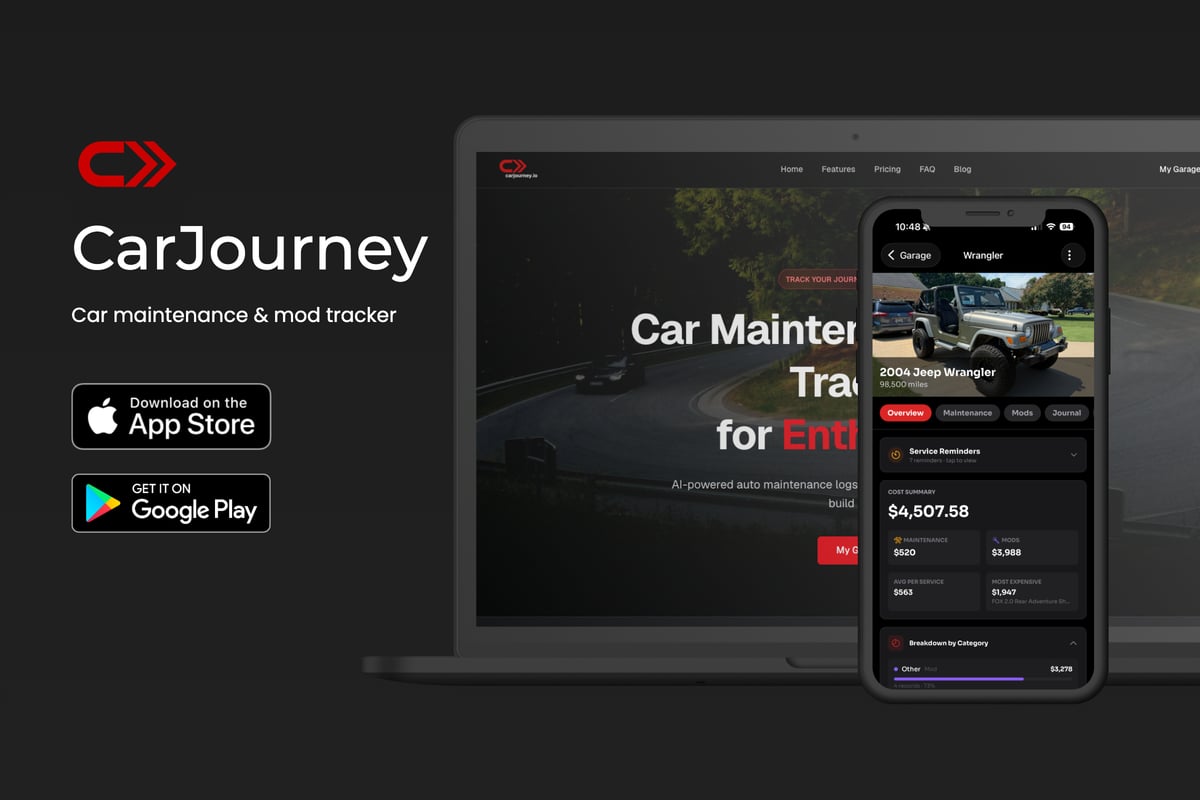
For those serious about tracking both modifications and maintenance, digital platforms now integrate these elements. CarJourney Pro - Yearly provides unlimited vehicle tracking with AI-powered features that help enthusiasts maintain comprehensive records of both service history and modification timelines, ensuring nothing falls through the cracks.
Tracking and Documentation Best Practices
Maintaining records of your car service maintenance schedule proves invaluable for warranty claims, resale value, and identifying patterns in component wear. In 2026, digital solutions have largely replaced glove box folders stuffed with paper receipts.
Essential Documentation Elements
Every service record should capture:
- Service date and odometer reading
- Services performed with part numbers
- Labor hours and costs
- Technician notes or recommendations
- Photos of worn components (when applicable)
- Next scheduled service reminder
Digital Tracking Advantages
Modern tracking solutions offer significant benefits over traditional methods. Using a car maintenance tracker helps you visualize service history, identify upcoming needs, and maintain comprehensive records accessible from anywhere.
Key advantages include:
- Automated service reminders based on mileage or date
- Photo documentation of work performed
- Digital receipt storage preventing lost documentation
- Shareable records when selling or transferring ownership
- Pattern recognition identifying premature wear issues
Common Maintenance Schedule Mistakes
Even experienced car owners make scheduling errors that lead to unnecessary repairs or diminished vehicle performance. Recognizing these pitfalls helps you avoid costly consequences.
Overlooking Manufacturer Updates
Manufacturers occasionally issue technical service bulletins (TSBs) or revised maintenance schedules addressing specific issues discovered after production. Staying connected with dealership service departments or owner communities ensures you receive these updates.
Following Outdated Oil Change Intervals
The traditional 3,000-mile oil change made sense for 1980s vehicles using conventional oil. Modern synthetic oils and improved engine tolerances mean many vehicles safely operate on 7,500-10,000 mile intervals. However, the National Kidney Foundation's maintenance guide notes that severe conditions still warrant more frequent changes.
Neglecting Time-Based Requirements
Driving only 5,000 miles annually doesn't exempt you from annual services. Fluids degrade, seals dry out, and components corrode regardless of usage. Setting calendar reminders through a service reminder app prevents time-based services from being forgotten.
Deferring Preventive Maintenance
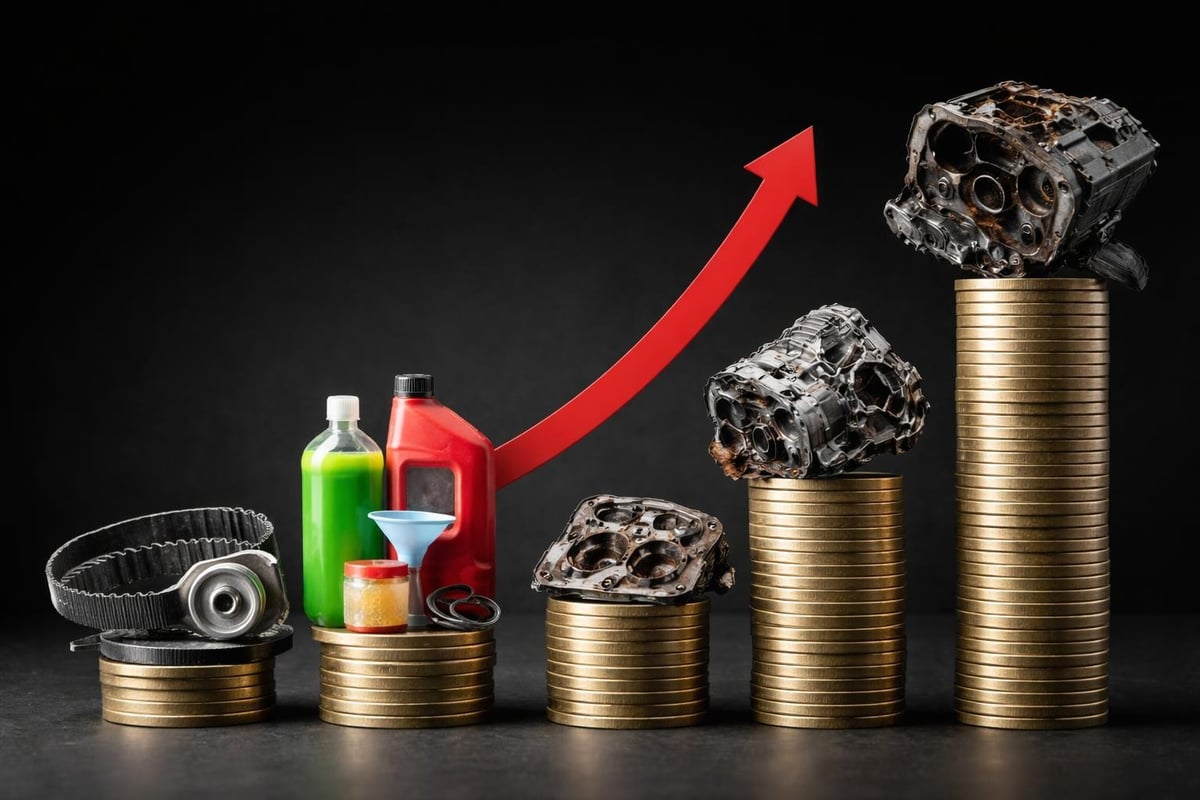
Postponing scheduled services to save money often backfires spectacularly. A $150 coolant flush prevents a $2,500 engine overheating incident. A $75 differential service prevents a $1,800 differential rebuild. The mathematics heavily favor prevention.
Seasonal Maintenance Considerations
Beyond mileage and time intervals, seasonal transitions require specific attention as part of your car service maintenance schedule.
Spring Preparation
After winter's harsh conditions, spring maintenance focuses on recovery and preparation for warmer weather.
- Inspect for winter damage (underbody corrosion, suspension wear)
- Replace wiper blades stressed by ice and snow
- Check air conditioning system operation before summer heat
- Clean or replace cabin air filter removing winter contaminants
- Verify cooling system integrity for summer demands
Summer Readiness
Heat stresses cooling systems, tires, and batteries more than any other season.
| System | Check | Action |
|---|---|---|
| Cooling | Coolant concentration | Top off or flush as needed |
| Tires | Pressure and tread depth | Adjust for temperature increase |
| Battery | Load test and terminal condition | Clean connections, test capacity |
| A/C | Refrigerant level and operation | Recharge if cooling insufficient |
Fall Maintenance
Preparing for winter prevents cold-weather breakdowns and ensures safety in adverse conditions.
- Battery replacement if over 3-4 years old
- Antifreeze concentration testing
- Tire tread depth verification (winter tire consideration)
- Heating system operation confirmation
- Emergency kit supplies restocking
Winter Protection
Cold weather reveals weaknesses in marginally maintained systems.
- Engine block heater installation or verification (extreme climates)
- Battery terminals protection from corrosion
- Undercarriage rust prevention application
- Winter-grade windshield washer fluid
- Tire pressure monitoring (cold reduces pressure)
Advanced Tracking for Enthusiasts
Car enthusiasts and modification-focused owners need more sophisticated tracking than basic service schedules provide. Documenting both maintenance and performance upgrades creates a complete vehicle history that preserves value and provides troubleshooting insights.
Integration of Modifications and Maintenance
When you install performance parts, tracking modifications alongside maintenance creates context for future service decisions. Did oil consumption increase after installing a turbocharger? When did brake fade begin following track-focused pad installation? This integrated history reveals cause-and-effect relationships.
Performance Baseline Documentation
Establishing performance baselines before and after modifications requires systematic record-keeping. Dyno results, quarter-mile times, or handling course data paired with maintenance records demonstrate whether modifications delivered expected results or created new maintenance requirements.
Building Shareable Vehicle Profiles
Comprehensive documentation enhances resale value dramatically. Prospective buyers pay premium prices for vehicles with complete, organized maintenance and modification histories. Digital platforms allowing shareable build profiles transform scattered receipts into professional presentations demonstrating meticulous ownership.
Professional vs. DIY Maintenance Decisions
Your car service maintenance schedule should reflect realistic assessments of your capabilities, available time, and equipment access. Some services reward DIY effort while others demand professional expertise.
Ideal DIY Maintenance Tasks
Certain services offer excellent DIY opportunities for motivated owners:
- Oil and filter changes (with proper disposal arrangements)
- Air filter and cabin filter replacement
- Wiper blade installation
- Tire pressure monitoring and adjustment
- Fluid level checks and top-offs
- Battery terminal cleaning
Services Requiring Professional Attention
Complex or safety-critical services justify professional service:
- Timing belt replacement (engine damage risk)
- Brake system repairs (safety critical)
- Transmission service (specialized equipment required)
- Air conditioning work (EPA certification required)
- Electrical diagnostics (specialized scan tools needed)
- Emissions system repairs (regulatory compliance)
Hybrid Approach Benefits
Many owners adopt a mixed strategy, performing routine services themselves while outsourcing complex work. This approach maximizes cost savings while ensuring proper completion of technical services. Maintaining receipts from both DIY parts purchases and professional services provides complete documentation.
Technology Integration in Modern Maintenance Scheduling
The 2026 automotive landscape includes sophisticated onboard diagnostics and connected car features that transform traditional maintenance scheduling approaches.
Manufacturer Connected Services
Many new vehicles include complimentary connected services providing:
- Automated service appointment scheduling
- Real-time vehicle health monitoring
- Predictive maintenance alerts based on driving patterns
- Remote diagnostic capabilities
- Service history cloud storage
Third-Party Tracking Solutions
Independent platforms offer flexibility and features manufacturer systems sometimes lack. These solutions excel at multi-vehicle tracking, modification documentation, and customizable service intervals based on actual usage patterns rather than generic recommendations.
AI-Powered Maintenance Prediction
Emerging artificial intelligence applications analyze driving patterns, sensor data, and historical maintenance records to predict when components will need service. These systems move beyond fixed mileage intervals toward truly predictive maintenance scheduling.
Cost Management Strategies
Implementing your car service maintenance schedule without breaking your budget requires strategic planning and informed decision-making.
Annual Budget Planning
Estimating yearly car maintenance costs allows proper financial preparation. Calculate expected routine service costs, add 20-30% for unexpected repairs, and set aside monthly amounts to avoid budget shocks.
Sample annual budget (50,000 miles/year):
- Oil changes (4-5x): $300-$500
- Tire rotations: $150-$200
- Major 30k service: $400-$600
- Brake service: $300-$500
- Contingency fund: $500-$800
- Total: $1,650-$2,600
Parts Quality Decisions
Choosing between OEM, OEM-equivalent, and budget parts significantly impacts both immediate costs and long-term reliability. For critical systems (brakes, suspension, engine components), quality parts prevent premature failures and repeated repairs.
Service Provider Selection
Dealerships, independent shops, and quick-lube chains each offer different value propositions. Dealerships provide specialized expertise and warranty protection but typically charge premium prices. Independent shops often deliver excellent service at moderate pricing. Quick-lube facilities suit basic services but lack capability for complex work.
Warranty Considerations
Maintaining proper service records protects warranty coverage. Many warranties require services at specified intervals using approved parts and fluids. Skipping scheduled maintenance or using incorrect specifications can void warranty protection, leading to expensive out-of-pocket repairs.
A comprehensive car service maintenance schedule protects your investment, prevents unexpected breakdowns, and maintains your vehicle's performance and value over time. Whether you drive a stock daily commuter or a heavily modified project car, systematic maintenance tracking ensures nothing gets overlooked. CarJourney provides the digital tools you need to maintain detailed service logs, track modifications, and receive timely maintenance reminders, transforming scattered receipts and mental notes into organized, searchable vehicle histories that serve you throughout ownership and maximize resale value when it's time to move on.