 carjourney
From the CarJourney journal
Car Maintenance Sign: Essential Warning Lights & Indicators
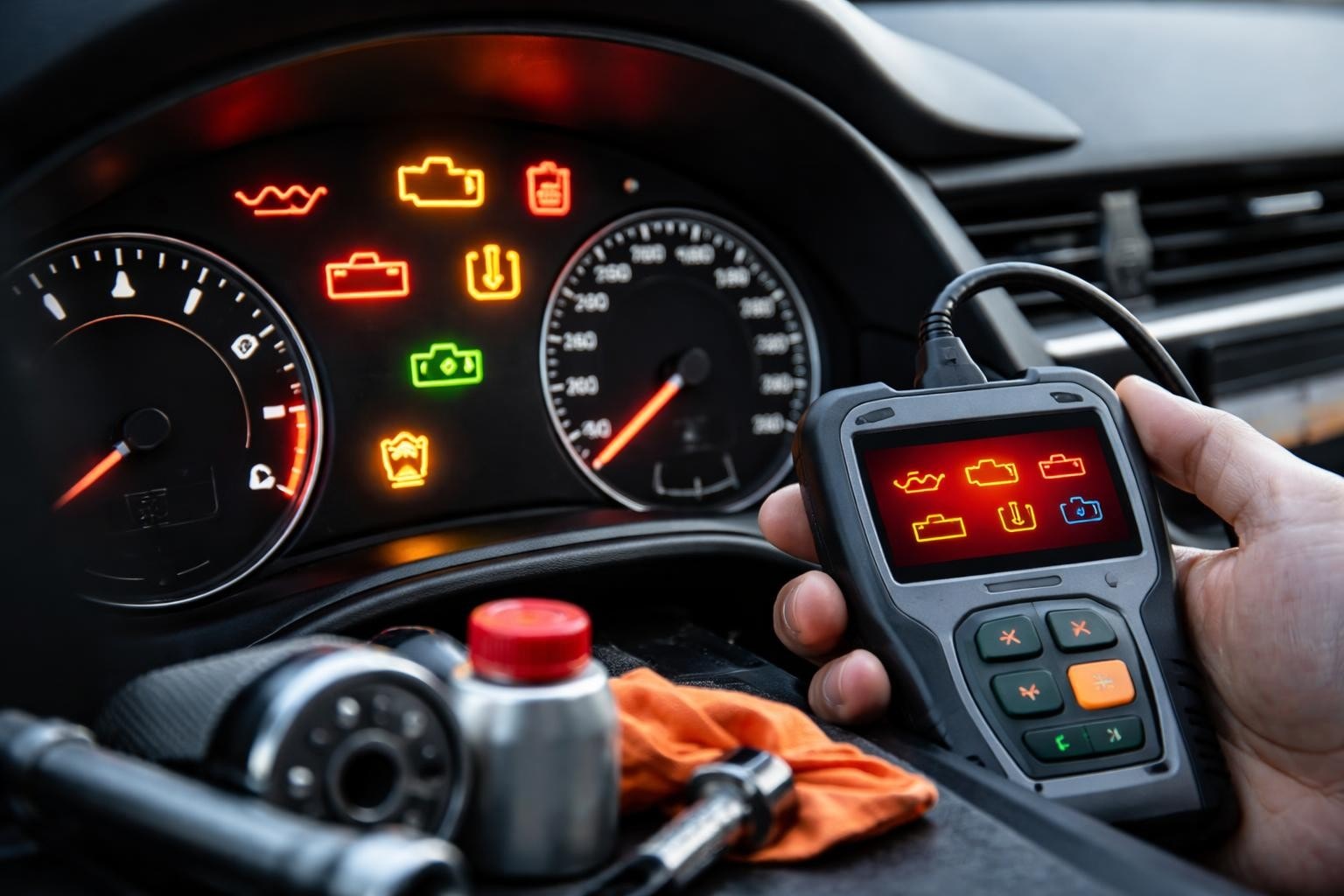
Your vehicle constantly communicates its health status through various dashboard indicators and warning lights. Understanding each car maintenance sign can mean the difference between a minor repair and a major breakdown. Modern vehicles in 2026 feature increasingly sophisticated monitoring systems that track everything from oil life to tire pressure, using illuminated symbols to alert drivers when attention is needed. Whether you're a weekend warrior maintaining a modified build or a daily commuter keeping your family vehicle running smoothly, knowing how to interpret these signals is essential for safe and cost-effective vehicle ownership.
Understanding Dashboard Warning Light Categories
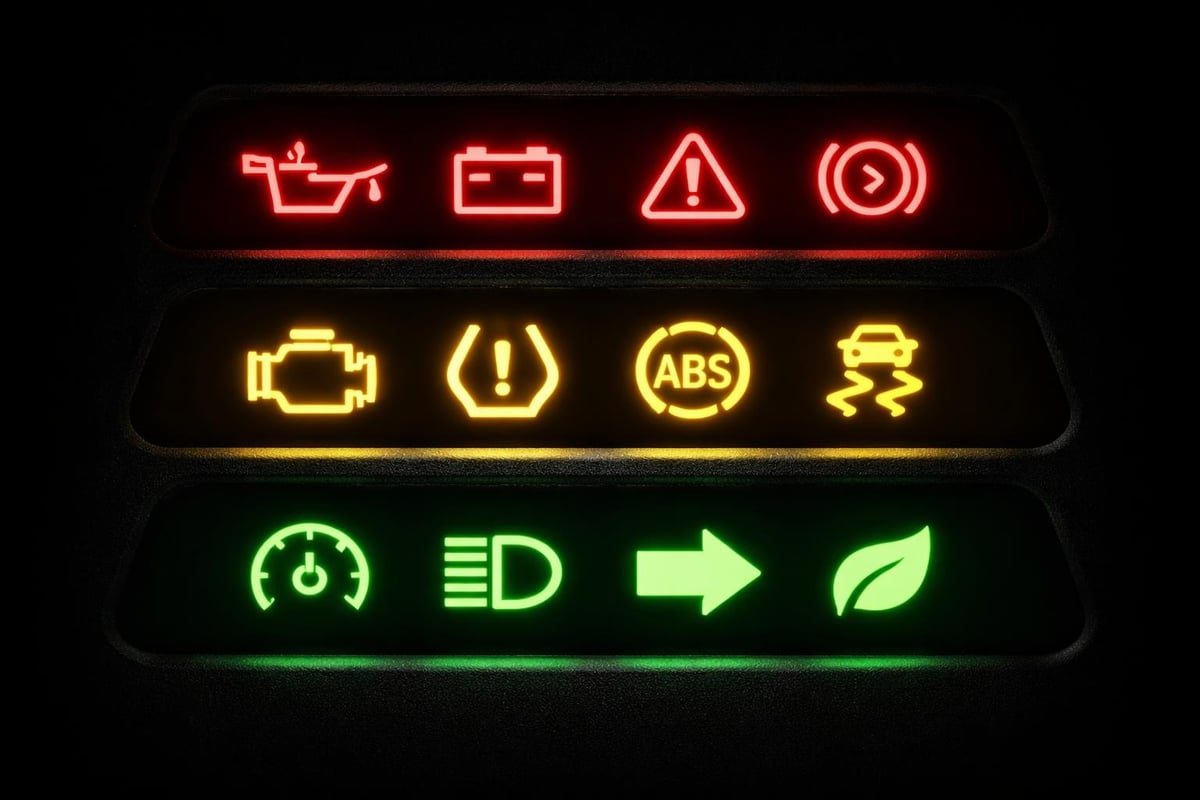
Dashboard warning lights follow a universal color-coding system that helps drivers quickly assess urgency and severity. This standardized approach makes it easier to understand what your vehicle needs, regardless of make or model.
Red warning lights indicate critical issues requiring immediate attention. These car maintenance sign alerts mean you should pull over safely and address the problem before continuing to drive. Ignoring red warnings can lead to catastrophic engine or transmission failure.
Yellow or amber lights signal caution and typically indicate that service is needed soon. While not immediately dangerous, these maintenance indicators shouldn't be ignored for extended periods.
Green or blue lights simply provide information about activated systems and don't indicate problems. These include turn signals, high beams, and cruise control indicators.
Common Critical Warning Signs
Several car maintenance sign indicators demand immediate response. The check engine light, one of the most frequently misunderstood warnings, can indicate anything from a loose gas cap to serious engine problems. According to What Car's comprehensive guide to dashboard warning lights, this light triggers when the onboard diagnostic system detects an issue affecting emissions or engine performance.
The oil pressure warning light represents another critical alert. Low oil pressure can destroy an engine in minutes, making this one of the most serious car maintenance sign alerts you'll encounter. If this light illuminates while driving, shut off the engine immediately after safely pulling over.
Battery or charging system warnings indicate electrical system problems. Modern vehicles rely heavily on stable electrical power for everything from fuel injection to safety systems. This warning often appears before the vehicle stalls completely, giving you time to seek professional assistance.
Essential Maintenance Reminder Indicators
Beyond emergency warnings, vehicles display routine maintenance reminders designed to help owners stay on top of scheduled service intervals. These preventive car maintenance sign notifications help extend vehicle life and prevent expensive repairs.
The oil life monitor calculates when your next oil change is due based on driving conditions, engine revolutions, and operating temperature. Unlike older mileage-based systems, modern oil life monitors provide more accurate service intervals tailored to your specific driving patterns.
Tire pressure monitoring systems (TPMS) alert drivers when inflation falls below recommended levels. Proper tire pressure affects fuel economy, handling, and tire wear. Admiral's detailed guide on dashboard symbols explains that TPMS warnings may illuminate during temperature changes, as air pressure decreases in cold weather.
Service interval reminders appear at manufacturer-specified mileage points, prompting inspections of brakes, filters, fluids, and other components. Tracking these intervals through a car maintenance plan ensures you never miss critical preventive service.
| Maintenance Indicator | Typical Interval | Urgency Level | Action Required |
|---|---|---|---|
| Oil Life Monitor | 5,000-10,000 miles | Moderate | Schedule service within 500 miles |
| TPMS Warning | Variable | Low to Moderate | Check pressure within 1-2 days |
| Service Reminder | 15,000-30,000 miles | Low | Schedule appointment within 2-4 weeks |
| Brake Pad Warning | Variable | Moderate to High | Inspect within 1 week |
Brake System Warning Lights
Brake system indicators rank among the most important safety-related car maintenance sign alerts. The brake warning light activates when brake fluid levels drop below safe thresholds or when the parking brake remains engaged. Low brake fluid often indicates worn brake pads or a leak in the hydraulic system.
Anti-lock braking system (ABS) lights illuminate when sensors detect malfunctions in the computerized brake modulation system. While traditional braking still functions with ABS disabled, you lose the advanced traction control that prevents wheel lockup during emergency stops.
Electronic Stability Control Indicators
Electronic stability control (ESC) has become standard on all vehicles sold in the United States since 2012. The ESC warning light indicates problems with sensors or actuators that help prevent skids and loss of control. This car maintenance sign deserves prompt attention, especially if you frequently drive in challenging weather conditions.
Modern performance vehicles and modified builds often include additional stability and traction management systems. Enthusiasts tracking modifications should document any changes to these systems, as aftermarket suspensions or wheel setups can affect sensor calibration. Using a comprehensive car maintenance tracker helps maintain accurate records of system modifications and their impact on vehicle dynamics.
Engine and Drivetrain Warning Signs
Powertrain-related car maintenance sign indicators monitor the health of your engine, transmission, and related systems. The check engine light operates in two modes: steady illumination for non-critical issues and flashing for severe problems like misfires that can damage the catalytic converter.
Coolant temperature warnings appear when engine heat exceeds safe operating ranges. Overheating can warp cylinder heads, damage gaskets, and even crack engine blocks. Carwow's guide to dashboard symbols recommends pulling over immediately if this light appears, as continued operation risks catastrophic engine damage.
Transmission temperature lights warn of excessive heat in automatic transmissions. Towing heavy loads, aggressive driving, or low fluid levels commonly trigger this alert. Transmission repairs rank among the most expensive automotive services, making this warning particularly important.
Advanced Powertrain Monitoring
Newer vehicles incorporate sophisticated engine management systems that track dozens of parameters simultaneously. Turbocharger pressure warnings, for example, alert drivers to boost control problems in forced-induction engines. Modified vehicles with aftermarket turbo or supercharger systems need careful monitoring to prevent damage from excessive boost pressure.
Diesel engines feature additional car maintenance sign indicators for exhaust systems. Diesel particulate filter (DPF) lights indicate when the emissions system requires regeneration or servicing. Ignoring DPF warnings can lead to expensive filter replacement and potential engine damage from excessive backpressure.
Electrical and Safety System Alerts
Modern vehicles contain complex electrical architectures supporting everything from infotainment to active safety systems. Battery-shaped warning lights indicate charging system malfunctions, while lightning bolt symbols may represent electronic throttle control issues.
Airbag system warnings signal problems with crash sensors, inflators, or control modules. Haynes Manuals' comprehensive symbol guide emphasizes that airbag warnings require immediate professional diagnosis, as these systems protect occupants during collisions.
- Lane departure warnings alert when the vehicle drifts from its lane without signaling
- Blind spot monitoring indicators show when vehicles occupy adjacent lanes
- Forward collision warnings detect potential impacts with vehicles or objects ahead
- Adaptive cruise control alerts signal system malfunctions or sensor obstructions
Many car enthusiasts upgrade lighting systems, install aftermarket electronics, or modify electrical components. Proper documentation of these changes helps troubleshoot electrical car maintenance sign issues when they arise. For those serious about tracking modifications and maintaining detailed records, CarJourney Pro - Yearly provides unlimited vehicle tracking and AI-powered features designed specifically for enthusiasts managing modified builds.
Fluid Level and Pressure Indicators
Various car maintenance sign alerts monitor critical fluid levels throughout your vehicle. Windshield washer fluid indicators, while seemingly minor, remind drivers to maintain visibility in adverse weather conditions. More serious fluid warnings include power steering fluid alerts in older hydraulic systems.
Fuel level indicators obviously warn when tank levels run low, but modern vehicles also incorporate fuel system pressure warnings. These rarely-seen alerts indicate problems with fuel pumps or pressure regulators that can leave you stranded.
Hybrid and Electric Vehicle Warnings
Electrified vehicles introduce new car maintenance sign categories. High-voltage system warnings indicate problems with battery packs, inverters, or charging systems. Turtle mode indicators in electric vehicles signal reduced power output to protect battery systems from damage.
Regenerative braking system alerts notify drivers of issues with the energy recovery systems that charge batteries during deceleration. Understanding these specialized warnings becomes increasingly important as hybrid and electric vehicles gain market share.
Responding to Warning Light Clusters
Multiple simultaneous warning lights often indicate related problems or cascading failures. For example, ABS, traction control, and stability control lights frequently illuminate together, pointing to shared wheel speed sensors or control modules.
When several car maintenance sign indicators appear simultaneously, start by checking the most serious warnings first. Tata AIG's complete dashboard symbol guide recommends documenting all active warnings before seeking diagnosis, as intermittent issues may disappear before reaching a service facility.
| Warning Combination | Likely Cause | Recommended Action | Estimated Urgency |
|---|---|---|---|
| ABS + Traction Control + Stability Control | Wheel speed sensor failure | Drive carefully, schedule service within 1-2 days | Moderate |
| Check Engine + Transmission + Cruise Control | Transmission control issue | Immediate diagnosis recommended | High |
| Battery + Multiple Systems | Charging system failure | Stop driving, check alternator | Critical |
| Oil Pressure + Check Engine | Severe engine problem | Stop immediately, call for towing | Critical |
Diagnostic Code Retrieval and Interpretation
Modern vehicles store diagnostic trouble codes (DTCs) when car maintenance sign warnings illuminate. These alphanumeric codes help technicians identify specific problems within complex systems. Basic code readers, available for under $50, allow owners to retrieve codes without visiting a shop.
Code retrieval doesn't replace professional diagnosis but provides valuable information. The P0420 code, for instance, indicates catalytic converter efficiency problems. Knowing this before scheduling service helps owners prepare for potential repair costs and avoid unnecessary diagnostics.
Generic OBD-II codes follow standardized formats across manufacturers, while manufacturer-specific codes provide detailed information about proprietary systems. Express Credit Auto's blog on dashboard symbols notes that some advanced systems require dealer-level scan tools for complete diagnosis.
Creating a Warning Light Response Plan
Successful vehicle ownership requires a systematic approach to car maintenance sign alerts. Develop a response protocol based on warning severity and your mechanical knowledge. Keep a basic toolkit, flashlight, and emergency supplies in your vehicle for roadside assessment.
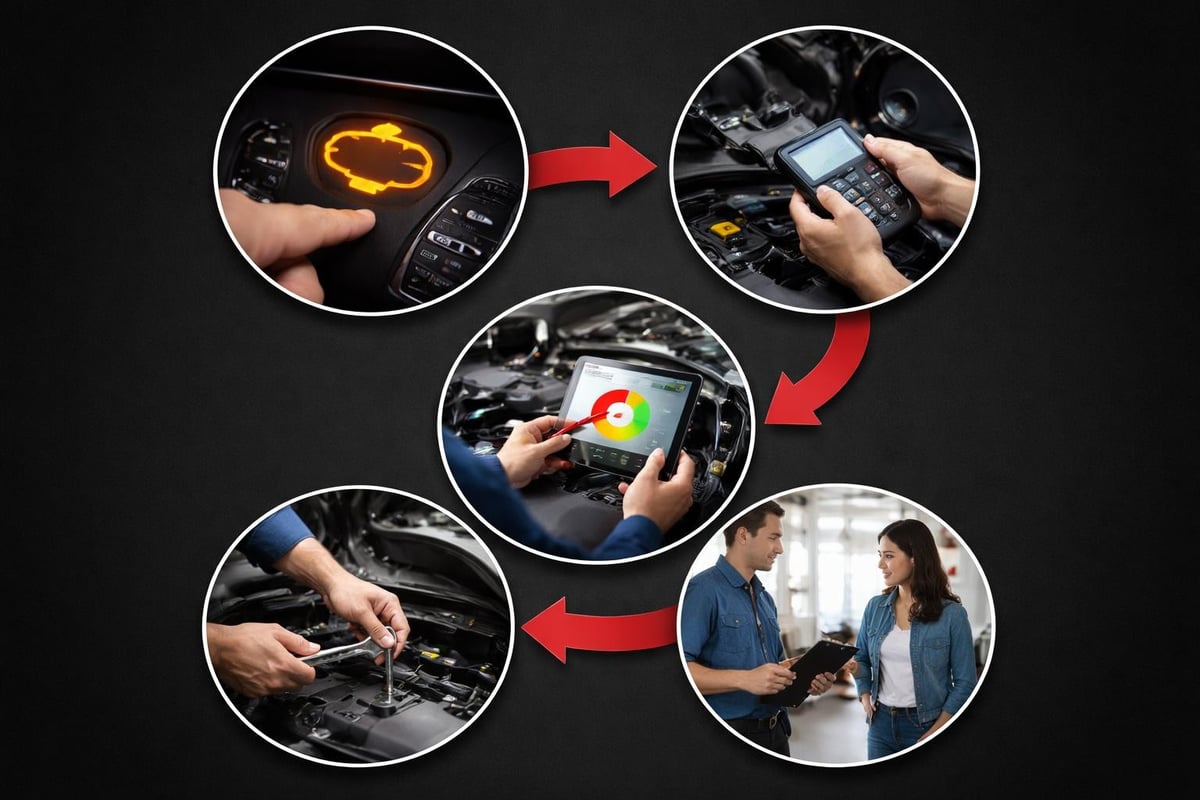
- Note all active warnings and any unusual sounds, smells, or performance changes
- Assess severity using the color-coding system and your understanding of each symbol
- Determine safe operation by consulting your owner's manual or reliable online resources
- Schedule appropriate service based on urgency and your driving needs
- Document the incident including mileage, date, and circumstances when the warning appeared
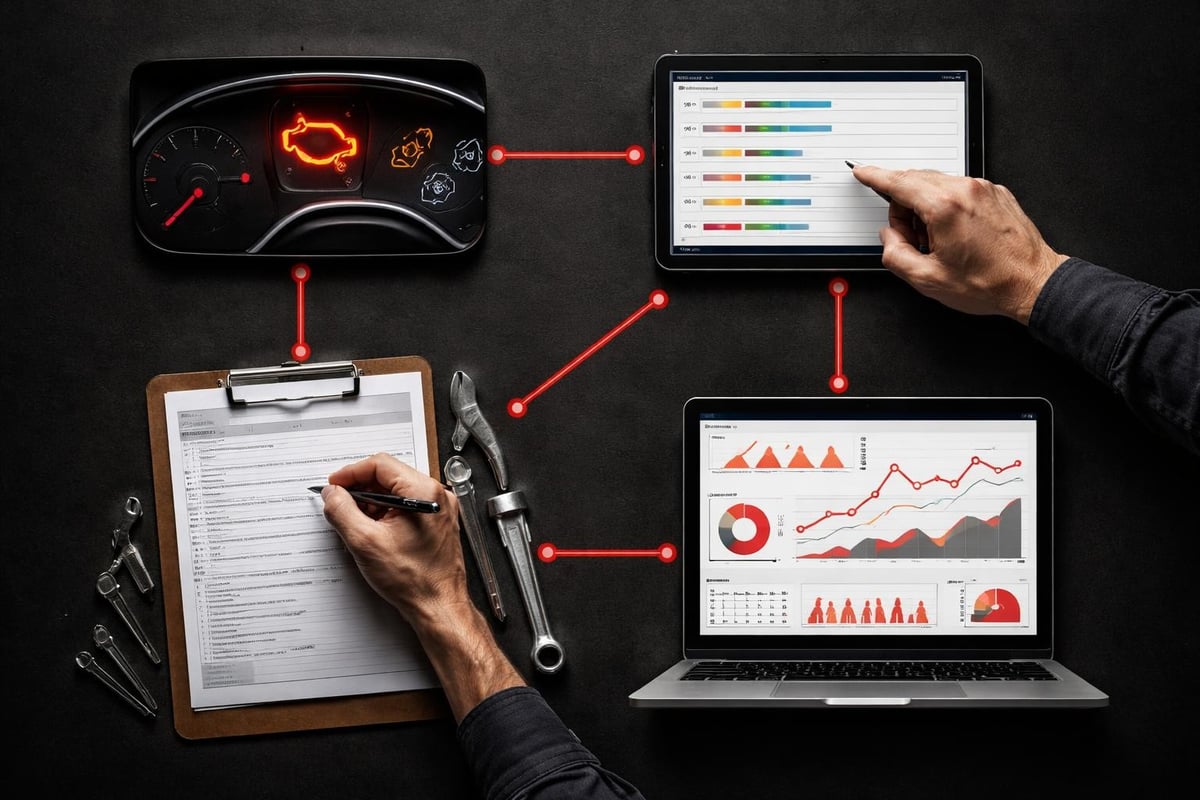
Preventive Monitoring and Maintenance Tracking
Proactive vehicle monitoring prevents many car maintenance sign warnings from appearing in the first place. Regular fluid checks, visual inspections, and adherence to manufacturer service schedules catch problems before they trigger dashboard alerts.
Digital maintenance tracking solutions help owners stay ahead of service intervals. Recording each oil change, filter replacement, and inspection creates a comprehensive service history that helps identify patterns and predict future maintenance needs. Understanding yearly car maintenance costs allows for better budgeting and reduces the financial stress of unexpected repairs.
Modified vehicles require even more diligent monitoring. Performance upgrades often increase stress on stock components, potentially accelerating wear and triggering warnings. Tracking modifications alongside maintenance reminders ensures that upgraded components receive appropriate service intervals.
Manufacturer-Specific Warning Systems
While standardized symbols cover most common car maintenance sign indicators, manufacturers incorporate unique warnings for proprietary systems. BMW's service condition indicator uses complex algorithms to predict maintenance needs. Mercedes-Benz ASSYST PLUS systems provide detailed service menus through the dashboard display.
Performance brands like Porsche include track mode warnings and specialized monitoring for high-performance components. These manufacturer-specific indicators require consulting brand-specific resources for proper interpretation. INFINITI's detailed warning light guide demonstrates how luxury brands provide additional information layers beyond basic warning lights.
Japanese manufacturers tend toward simpler, more conservative warning systems, while European brands often integrate extensive customization and information display options. American manufacturers typically fall somewhere between, balancing comprehensive warnings with user-friendly interfaces.
Seasonal and Environmental Warning Considerations
Weather and driving conditions affect how car maintenance sign indicators behave. Cold weather triggers TPMS warnings as tire pressure drops with temperature. Winter driving may activate traction control indicators more frequently on slippery surfaces.
Summer heat stresses cooling systems, making temperature warnings more common during hot months. Desert driving or towing in high temperatures can trigger transmission temperature alerts that wouldn't appear in moderate conditions. Understanding these seasonal patterns helps distinguish between serious problems and environmental responses.
High-Performance and Track Driving Alerts
Enthusiasts who track their vehicles encounter specialized car maintenance sign warnings during spirited driving. Oil temperature indicators become critical when pushing engines to redline repeatedly. Brake temperature warnings help prevent fade during track sessions with heavy braking zones.
Many performance vehicles include track mode settings that adjust warning thresholds and provide additional data. Perris Auto Repair's guide to decoding dashboard warnings explains how performance driving creates unique monitoring needs beyond typical street usage.
Integration with Modern Vehicle Technology
Connected vehicles in 2026 increasingly integrate car maintenance sign alerts with smartphone apps and telematics systems. Owners receive push notifications when warnings activate, along with contextual information about severity and recommended actions.
Some manufacturers offer remote diagnosis, analyzing vehicle data to determine whether warnings require immediate service or can wait. These systems reduce unnecessary service visits while ensuring critical problems receive prompt attention. Tracking this information through platforms designed for auto maintenance tracking creates a comprehensive digital record accessible from anywhere.
Advanced systems predict maintenance needs before warning lights illuminate. By monitoring trends in sensor data, these platforms alert owners to developing problems during early stages when repairs cost less and cause less inconvenience.
Understanding car maintenance sign indicators empowers you to make informed decisions about vehicle care and respond appropriately to emerging problems. Proper interpretation of dashboard warnings helps prevent minor issues from becoming major repairs while ensuring your safety on the road. Whether you're maintaining a daily driver or tracking modifications on an enthusiast build, CarJourney provides the tools you need to document service history, monitor maintenance intervals, and keep comprehensive records of every warning light, repair, and upgrade. Start building your digital maintenance log today and take control of your vehicle's health with AI-powered tracking designed specifically for car enthusiasts.