 carjourney
From the CarJourney journal
8 Winter Car Care Products Every Daily Driver Needs
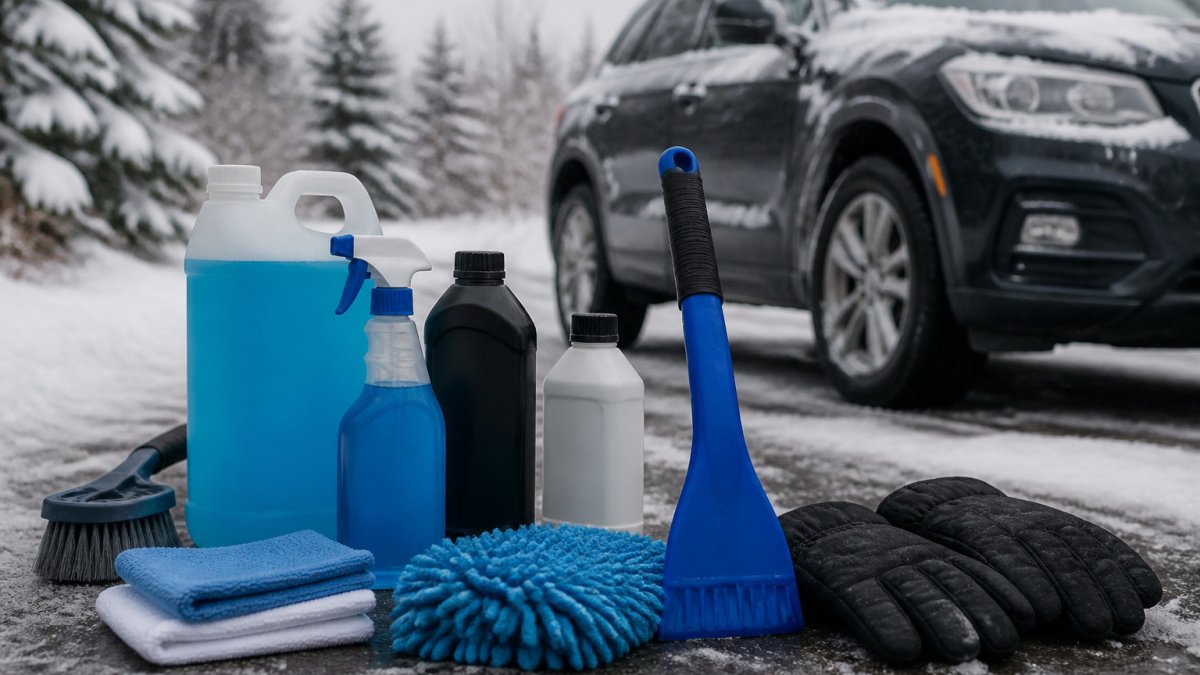
Quick Summary
The essential winter car care products for a daily driver are cold-rated washer fluid, an ice scraper with a brush, a basic emergency kit, and a portable jump starter. Together they prevent the most common cold-weather failures: a frozen washer reservoir, a scraped windshield, a stranded car, and a dead battery on a cold morning.
- Cold-rated washer fluid costs roughly $3 to $8 per gallon, so buy two and keep one in the trunk.
- A portable jump starter costs roughly $50 to $120 and works without a second car.
- Replace wiper blades once a year, or sooner when streaking appears.
- Check the battery and charge a portable jump starter every three months.
- Restock the emergency kit each fall, and replace any first-aid supplies that look dried out.
Table of Contents
- Why Daily Drivers Need a Different Winter Setup
- Winter Car Emergency Kit: What to Keep in the Trunk
- Winter Windshield Washer Fluid: Choosing a Cold-Rated Formula
- Car Ice Scraper and Snow Brush: Picking the Right Tools
- Tires, Battery, and Wipers: Products That Protect Daily Driving
- Budget Tiers and Where to Spend First
- Winter Car Maintenance Checklist and Replacement Schedule
- Storing and Replacing Winter Products Through the Season
- Frequently Asked Questions
Why Daily Drivers Need a Different Winter Setup
Last Updated: October 30, 2026
Winter is hard on a daily driver. The car starts cold, runs short trips, and sits in slush, road salt, and freezing temperatures.
A daily driver faces different problems than a weekend car. It gets used every morning, often in the dark, often in the same commute traffic.
This guide covers eight products every daily driver should consider before the first hard freeze. We focus on what each one does, where it falls short, and how to prioritize spending. Recommendations assume a typical commuter car, not a show vehicle or track build.
Winter Car Emergency Kit: What to Keep in the Trunk
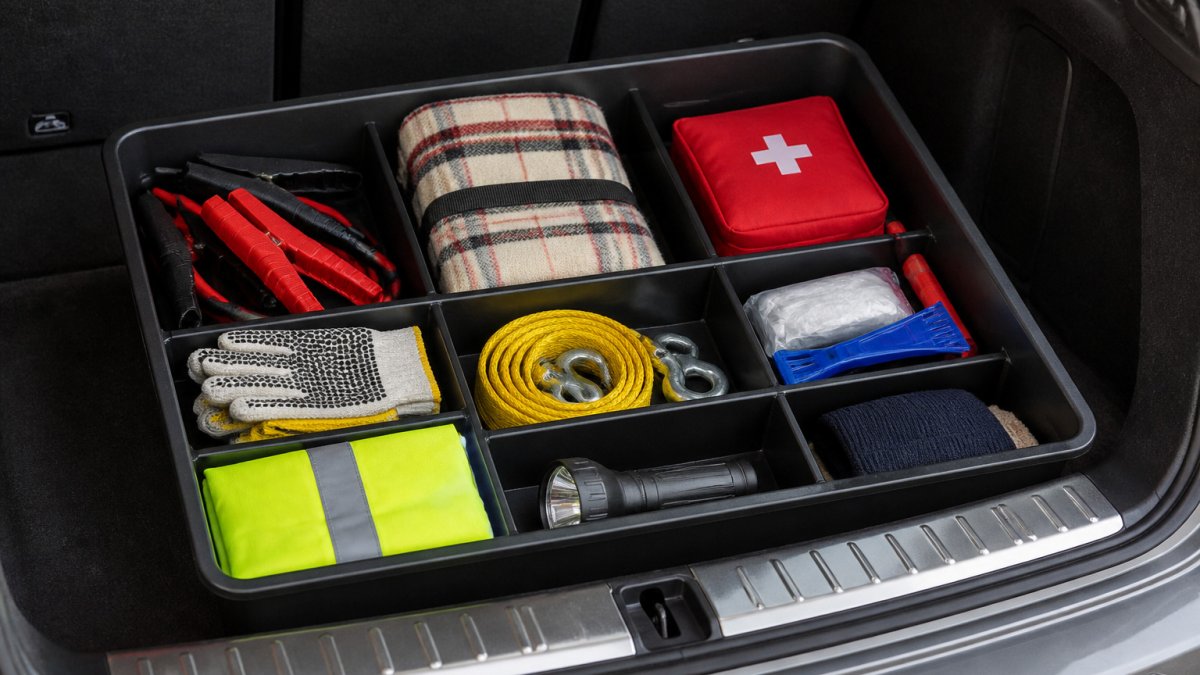
A winter emergency kit is the first line of defense when a car breaks down in the cold. The core items are a flashlight with spare batteries, a warm blanket, gloves, a small first-aid kit, and extra clothing. Many drivers also add a tow strap and a bag of sand or kitty litter for traction on ice. For a daily driver, the harder question is how to build a kit that fits a commuter car's trunk, survives freeze-thaw cycles, and stays usable on a Tuesday morning when you actually need it.
Build the kit around your commute, not a fantasy road trip
A driver who commutes through rural roads needs more than someone who stays on plowed city streets. Match the kit to the actual failure modes you face:
- Short city commute, garage parking: the realistic risks are a dead battery in a cold parking structure and a frozen washer reservoir. Prioritize a portable jump starter, cold-rated washer fluid, and an ice scraper. A full survival kit is less urgent.
- Longer suburban or exurban commute, driveway parking: add a blanket, gloves, a small shovel, and traction material. A car that sits outside overnight is more likely to need a scrape-and-go routine and a battery boost.
- Rural or highway commute: add extra warm layers, a brighter flashlight, a tow strap, and a way to signal for help. Being stranded farther from services changes the math.
Choose containers and materials that survive the trunk
A blanket stored loose in the trunk can end up shoved under the spare tire. Keep emergency items in one rigid bin or a heavy-duty bag with a handle so they are easy to find and carry.
Cold affects the kit itself. Batteries lose capacity in freezing temperatures, so store spare batteries in a sealed bag and rotate them. A first-aid kit's adhesive strips and ointments can degrade after freeze-thaw cycles; check the kit each fall and replace anything that looks dried out or compromised.
Pro Tip Pack the kit so the items you need most in the first five minutes, such as the flashlight, scraper, and gloves, sit on top. Emergency gear you have to dig for is gear you will not use.What the kit does not solve
An emergency kit is a backup, not a substitute for maintenance. A weak battery, bald tires, or a cracked wiper blade will still fail on a cold morning even with a perfect trunk kit. Consistent car exterior maintenance serves as the primary defense against the harsh chemical and environmental stressors that accelerate vehicle decay throughout the season.
Winter Windshield Washer Fluid: Choosing a Cold-Rated Formula
Standard washer fluid can freeze in the reservoir and nozzles when temperatures drop. A cold-rated winter formula is designed to stay liquid at low temperatures.
Stay Winter-Ready: Key Car Maintenance Tips
Auto Care Corner
Read the label before buying. The freezing point is printed on the bottle, and it should sit comfortably below the lowest temperatures you expect. Keep a spare jug in the trunk so you are not stuck with a frozen reservoir mid-commute.
Car Ice Scraper and Snow Brush: Picking the Right Tools
An ice scraper with a brush head handles ice and snow in one tool. Look for a scraper with a sturdy blade and a foam or soft-bristle brush that will not scratch the paint or glass.
Avoid using a metal blade on glass. It can leave fine scratches that catch the low winter sun and cause glare. A plastic scraper with a rubber squeegee edge is a safer choice for daily use.
Tires, Battery, and Wipers: Products That Protect Daily Driving
Winter traction and visibility depend on three things most drivers overlook: tire condition, battery health, and wiper blades. Each one fails at the worst moment if it has been neglected.
Portable Jump Starters vs. Jumper Cables
Jumper cables require a second running car. A portable jump starter is a battery pack you carry in the trunk and use alone.
Jumper cables are cheaper and never need charging. A jump starter needs to be kept charged, so check it every few months. Choose a unit with enough power for your engine size, and confirm it has the clamp type and safety features you need.
Budget Tiers and Where to Spend First
Not every product needs to be bought at once. A practical way to prioritize is in three tiers, with realistic price ranges so you can build a kit over a season instead of in one shopping trip.
Essential tier: the items that prevent the most common failures
These are the products that stop the failures daily drivers actually experience: a frozen washer reservoir, a scraped windshield, and a dead battery on a cold morning.
- Cold-rated washer fluid: roughly $3 to $8 per gallon. Buy two, keep one in the trunk.
- Ice scraper with brush: roughly $10 to $25. A plastic blade with a soft-bristle brush and a foam grip is enough for most commuters; a longer handle helps on SUVs and trucks.
- Basic emergency kit: roughly $25 to $60 if assembled from individual items, or $30 to $70 as a pre-packed kit. Pre-packed kits save time but often include low-quality flashlights and thin blankets; assembling your own usually gets better materials for the same money.
Important tier: upgrades that pay off over a season
- Quality jumper cables: roughly $20 to $40 for a 12-foot, 8-gauge set. Cables are cheaper than a jump starter and never need charging, but they require a second vehicle. If you park in a shared garage or have a neighbor who can help, cables are a reasonable budget alternative.
- New wiper blades: roughly $15 to $30 per pair for beam-style blades. Replace them before winter rather than during the first storm, when stock is thin and prices rise.
- Tire pressure gauge: roughly $5 to $15. Cold air lowers tire pressure, and a gauge lets you check monthly without a trip to a service station.
Optional tier: worth it for specific conditions
- Tow strap: roughly $15 to $40. Useful on rural roads; less so for a city commuter who can call a service.
- Traction material: a bag of sand or non-clumping kitty litter runs roughly $5 to $15. Store it in a sealed bag so it does not absorb moisture.
- Backup flashlight and batteries: roughly $10 to $30. A headlamp is more useful than a handheld light when you need both hands free to change a tire or scrape a windshield.
How to build the kit incrementally
A practical sequence for a driver starting from nothing:
- First trip: washer fluid, ice scraper, and a tire pressure gauge. These are the lowest-cost items that prevent the most frequent winter annoyances.
- Second trip: wiper blades and a portable jump starter or quality jumper cables, whichever fits your parking and social situation.
- Third trip: assemble or upgrade the emergency kit, adding a blanket, gloves, flashlight, and first-aid supplies.
- Later in the season: add optional items based on the conditions you actually encounter.
Budget will depend on the products you choose and where you buy them. Check CarJourney's website for current pricing and free-trial details if you want to track your winter kit alongside your service records.
The three budget tiers break down as follows:
| Tier | Item | Approximate price |
|---|---|---|
| Essential | Cold-rated washer fluid | $3 to $8 per gallon |
| Essential | Ice scraper with brush | $10 to $25 |
| Essential | Basic emergency kit | $25 to $60 assembled, $30 to $70 pre-packed |
| Essential | Portable jump starter | $50 to $120 |
| Important | Quality jumper cables | $20 to $40 |
| Important | New wiper blades | $15 to $30 per pair |
| Important | Tire pressure gauge | $5 to $15 |
| Optional | Tow strap | $15 to $40 |
Winter Car Maintenance Checklist and Replacement Schedule
Winter products wear out. Wiper blades crack, washer fluid settles, and batteries lose capacity. A simple schedule helps you replace items before they fail.
- Check the battery and charge any portable jump starter every three months
- Replace wiper blades once a year, or when streaking appears
- Top up washer fluid monthly during winter
- Inspect tire tread and pressure every month, since cold air lowers pressure
Log these checks in one place so you can see when each item was last serviced. Reminders can be set by time or mileage in CarJourney, which helps keep winter checks on schedule.
Storing and Replacing Winter Products Through the Season
Store winter products where they will not freeze or overheat. Keep washer fluid in a cool, dry place, and keep batteries out of extreme heat.
Replace products that have reached the end of their useful life, even if they still work.
Frequently asked questions
What is the most important winter car product? Cold-rated washer fluid and a reliable battery are the two items that most often fail in winter. Start with those, then build out the emergency kit.
Do I need a portable jump starter if I have jumper cables? Jumper cables require another car. A portable jump starter works alone, which is why many daily drivers prefer one.
Frequently Asked Questions
What winter car care products should every driver keep in their car?
Every driver should keep a snow brush and ice scraper, a gallon of cold-rated windshield washer fluid, a flashlight with spare batteries, a warm blanket, and a basic first-aid kit. Add jumper cables or a portable jump starter, plus gloves and a tow strap if you park on slopes or in deep snow. These items cover the most common winter problems: poor visibility, a dead battery, and getting stuck. Store them where you can reach them without unloading the whole trunk.
Do I need winter windshield washer fluid?
Yes, if you drive where temperatures drop below freezing. Standard summer washer fluid can freeze in the reservoir, lines, or nozzles, leaving you without visibility when you need it most. Winter formulas are rated for lower temperatures, often down to around -20 F or lower, but check the label for the rating that matches your climate. Use it year-round in cold regions and refill the reservoir before the first cold snap.
What should be in a winter car emergency kit?
A practical winter emergency kit includes jumper cables or a portable jump starter, a flashlight, spare batteries, a warm blanket, extra gloves and a hat, non-perishable snacks, water, and a first-aid kit. Add a folding shovel and sand or kitty litter for traction if you park on ice or get stuck in snow. Keep a phone charger in the car as well. Review the kit each fall and replace expired food, water, and batteries.
Which winter products are worth the most for a daily driver?
For a daily driver, prioritize the items you rely on every week: cold-rated washer fluid, a quality ice scraper and snow brush, and wiper blades in good condition. Next, check battery health, since cold weather reduces battery output, and keep a jump starter in the car. Tire condition and pressure matter most for traction. Spend first on visibility and starting reliability, then build out the emergency kit over time.
Start free Add carjourney.io as a preferred source on Google →