 carjourney
From the CarJourney journal
Why an Aftermarket Parts Inventory App Matters
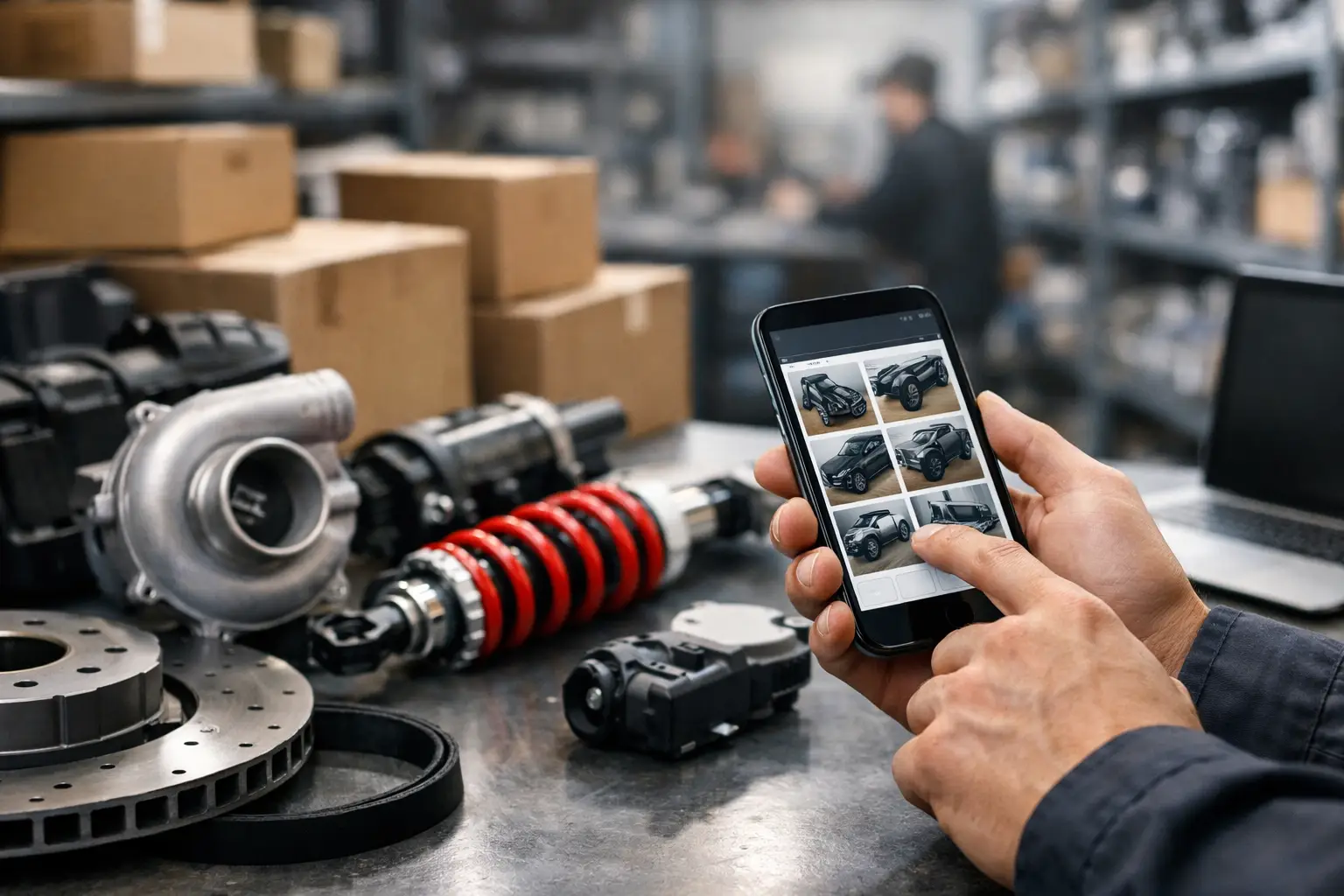
You know the moment. You’re halfway through a brake refresh or suspension swap, and suddenly you can’t remember whether the rear hardware kit was already ordered, which part number fits your trim, or where the warranty receipt ended up. That is exactly where an aftermarket parts inventory app stops being a nice extra and starts being part of how you stay in control of your build.
For enthusiasts, parts management gets messy fast. One car turns into two. A quick intake install turns into wheels, tires, coilovers, bushings, sensors, fluids, and boxes of "I might need this later" parts stacked in the garage. If your system is old email receipts, photo screenshots, a notes app, and a few tabs you meant to bookmark, you do not really have a system. You have scattered evidence.
What an aftermarket parts inventory app should actually do
At the basic level, an aftermarket parts inventory app should help you log what you bought, what vehicle it fits, how much it cost, and whether it has been installed yet. That sounds simple, but the difference between a useful app and a frustrating one is context.
You do not just need a parts list. You need a living record tied to ownership. That means purchase dates, seller details, warranty info, install mileage, condition notes, and photos. If you bought two sets of injectors over three years, or swapped one exhaust from one project to another, the app should make that history easy to follow.
For serious owners, fitment tracking matters just as much as inventory. A part that fits your exact model year, engine, drivetrain, and trim is not the same as a part that "should work." Good recordkeeping helps prevent duplicate purchases, bad assumptions, and that classic problem where a part is technically in the garage but functionally lost.
Why spreadsheets usually break down
A spreadsheet can work when your setup is small. One vehicle, a short mod list, maybe a few maintenance items. But once you start juggling installed parts, spare parts, future purchases, and warranty documents, spreadsheets become work.
They are also weak at the things enthusiasts care about most. Photos get stored somewhere else. Receipts live in email. Service dates end up in calendar reminders. Build notes go into a phone app. Then when it is time to diagnose an issue, sell the car, or prove what was done, you have to rebuild the story from five different places.
That fragmentation costs time, but it also affects trust. If a buyer asks when the clutch was installed, whether the coilovers are still under warranty, or what brand of pads and rotors are on the car, vague answers hurt value. A clear record does the opposite.
The real value of an aftermarket parts inventory app
The best apps do more than catalog boxes and receipts. They connect your parts inventory to the full history of the vehicle.
That matters because aftermarket ownership is not static. Parts move through stages. You research them, buy them, store them, install them, maintain them, remove them, replace them, or transfer them to another car. Without a system that tracks those changes, your build history gets weaker over time instead of stronger.
A strong aftermarket parts inventory app helps in four practical ways. First, it saves money by reducing duplicate orders and missed warranty claims. Second, it improves maintenance planning by showing what is on the car and when it went on. Third, it protects resale by giving buyers a cleaner, more credible history. Fourth, it lowers mental clutter. You stop trying to remember everything because the record already exists.
That last one gets underrated. Enthusiasts spend a lot of time managing details. Anything that reduces guesswork gives you more space to actually enjoy the car.
What features matter most for enthusiasts
An app built for generic home inventory is not enough. Car owners need structure that matches how vehicle projects really work.
Vehicle-specific organization
Every part should be tied to a specific vehicle, and ideally to the exact configuration of that vehicle. If you own multiple cars, this becomes non-negotiable. It should be obvious what belongs to the daily driver, what belongs to the project car, and what is universal shop stock.
Installed vs. spare vs. planned
This is where many apps fail. A wheel set in storage is different from a wheel set on the car. A fuel pump you bought for a future build should not be confused with one that is already installed. Clear status tracking keeps your inventory honest.
Cost and receipt storage
If you want a real picture of what you have invested, price data matters. Not because every modification needs to be justified, but because ownership gets expensive fast. Keeping receipts, invoices, and shipping confirmations attached to the part makes budgeting and warranty support much easier.
Mileage and service context
A part record becomes more valuable when it connects to service history. Knowing you installed control arms is helpful. Knowing they were installed at 82,140 miles after a failed inspection is better. That level of context helps with future diagnosis and with resale conversations.
Photos and notes
Photos help with more than flexing the build. They document condition, branding, serial numbers, packaging, and install progress. Notes help you capture fitment quirks, torque specs, tuning requirements, and what you would do differently next time.
Where an app fits into the bigger ownership picture
The smartest approach is not treating parts inventory as a separate admin task. It should sit inside your broader vehicle record.
That is where a platform like CarJourney makes more sense than a standalone list tool. If your aftermarket parts inventory app also connects to maintenance logs, service reminders, documents, and modification history, you stop duplicating work. You log the part once, attach the receipt once, note the install mileage once, and the vehicle history becomes stronger everywhere.
This also helps when a build changes direction. Maybe the car goes from street setup to track-focused. Maybe you return it closer to stock before selling. Maybe you part out selected components. A connected system gives you a cleaner record of what happened and when.
It depends on how you use your cars
Not every owner needs the same level of detail. If you swap basic wear items and do light cosmetic mods, a simple app may be enough. You probably care most about receipts, install dates, and reminders.
If you run multiple builds, collect rare parts, or regularly buy and sell components, your needs go deeper. Searchability, categorization, transfer history, and document storage become much more important. The more moving pieces you have, the more costly a weak system becomes.
There is also a trade-off between speed and detail. If logging a part takes too long, you will stop doing it. If the app is too barebones, your records will not help when you need real answers. The right setup is one you can maintain consistently.
Signs your current system is not working
If you have ever bought the same hardware twice, forgotten a warranty deadline, or spent twenty minutes searching for an old receipt before a sale, your process already has gaps. The same goes for parts sitting in storage with no record of what they fit, when they were purchased, or whether they are complete.
Another warning sign is when your memory becomes the main database. That works until it doesn’t. Cars stay with us for years. Parts move around. Priorities change. Good ownership records should survive beyond what you can recall on a busy Saturday in the garage.
Choosing the right aftermarket parts inventory app
Start with your actual habits, not the feature list. If you mostly use your phone in the garage, mobile experience matters more than desktop depth. If you maintain several vehicles, cross-device syncing and fast search are worth more than flashy visuals. If resale matters to you, look for an app that helps turn your records into a clean, shareable history.
It also helps to think beyond inventory. The best tool is the one you will still be using two years from now, after more service, more mods, more receipts, and probably more cars. A disconnected app might solve today’s clutter but still leave you rebuilding the full story later.
An enthusiast build is not just a pile of parts. It is a timeline of decisions, money, maintenance, mistakes, improvements, and care. A good system protects that history, and that makes every future service, upgrade, and sale a little easier.