 carjourney
From the CarJourney journal
7 Best Digital Repair Organizers for Car Owners
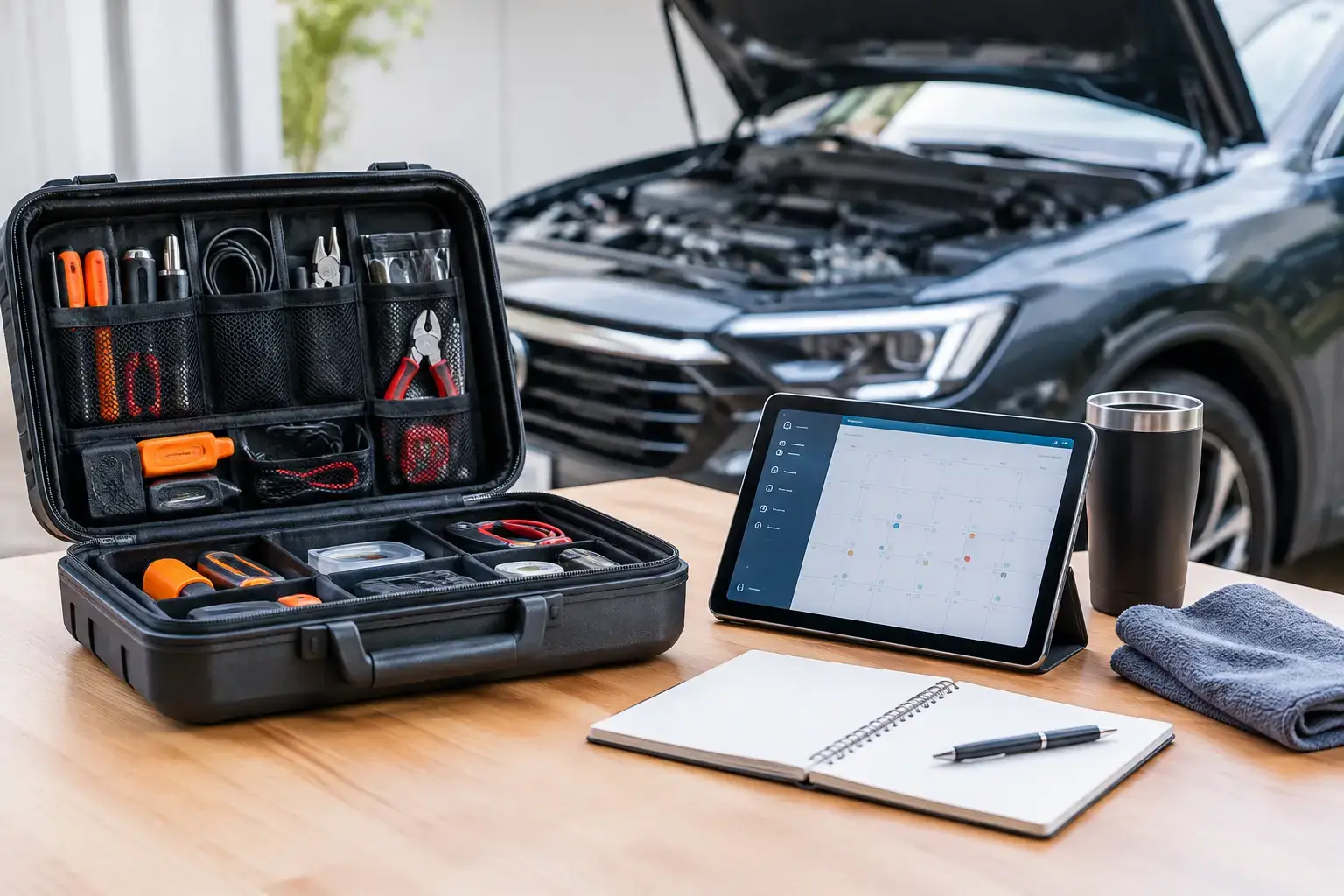
A receipt in the glove box, a maintenance note in your phone, a shop invoice buried in email, and a parts list saved somewhere in a group chat: that is how valuable vehicle history disappears. The best digital repair organizers give car owners one reliable place to track what was done, what it cost, and what is coming next.
For an enthusiast, that record is not just administrative cleanup. It protects your maintenance budget, supports smarter troubleshooting, documents the work behind your build, and gives a future buyer confidence that the car was cared for.
What a Digital Repair Organizer Should Actually Do
A basic reminder app can tell you that an oil change is due. A spreadsheet can hold a long list of dates and dollar amounts. Both can work, especially for one daily driver with simple needs. But they become hard to trust once you own multiple vehicles, start modifying a car, or need a record you can pull up while standing at the parts counter or talking to a shop.
The better option is an organizer built around the vehicle itself. Every service record should stay connected to the correct year, make, model, mileage, date, cost, notes, photos, and documents. That makes your history useful instead of just stored.
Look for tools that handle the four jobs that matter most: recording completed maintenance, setting upcoming reminders, documenting repairs and modifications, and preserving proof such as receipts and warranties. If an app only does one of those jobs, it may still be helpful, but it is not a complete ownership record system.
7 Best Digital Repair Organizers by Use Case
There is no single right setup for every owner. The best choice depends on whether you need a lightweight maintenance log, a full build archive, or an easy way to manage several cars. Here are the strongest organizer types to consider.
1. A Vehicle History Platform for Serious Ownership Records
A vehicle-focused platform is the best fit for owners who want service, repairs, documents, and modifications in one place. This is the closest replacement for the mix of notes, folders, receipts, and spreadsheets that tends to build up over years of ownership.
The advantage is context. A brake job can include mileage, labor cost, parts used, photos, and the receipt. An aftermarket exhaust can live in the same vehicle timeline as routine maintenance, with its own cost and install details. When it is time to diagnose a problem or sell the vehicle, you have the whole story instead of isolated entries.
CarJourney fits this category by combining maintenance tracking, modification logging, document storage, reminders, and shareable vehicle histories across web, iOS, and Android. It is especially practical for owners who want to preserve a build as carefully as they maintain it.
2. A Manufacturer-Style Maintenance Schedule Tool
If your main concern is staying on top of scheduled service, choose an organizer that uses time and mileage intervals. This approach works well for newer daily drivers, leased vehicles, and owners who want a straightforward answer to the question, “What is due next?”
The trade-off is that factory-style schedules do not always reflect how enthusiasts use their cars. A weekend canyon car, track car, tow vehicle, or heavily modified truck may need shorter intervals than the standard maintenance chart suggests. Use the schedule as a starting point, then adjust it based on your driving, fluids, parts, and tuner or shop recommendations.
3. A Receipt Scanner and Document Vault
A document-first system is ideal if your biggest pain point is paper. Shop invoices fade, warranties get misplaced, and a receipt from an online parts order is not much help when it is buried among hundreds of emails.
A good document vault lets you attach proof to the work it represents. That distinction matters. Saving a PDF in generic cloud storage is better than losing it, but attaching it directly to a coolant flush or wheel purchase means you can find it when you need it.
Prioritize clear file labels, photo uploads, receipt scanning, and cloud sync. Confirm that documents remain available across devices, because a record trapped on one old phone is not a dependable record.
4. A Modification and Build Tracker
For project-car owners, a repair organizer should also recognize that parts are part of the story. A generic maintenance app may capture “installed suspension,” but it often cannot show the brand, part number, install cost, supporting modifications, photos, or reason for the change.
A build tracker is valuable when you are planning upgrades in stages. You can see what has already been installed, avoid buying duplicate parts, and calculate the real investment in the vehicle. It also gives you a cleaner handoff if you sell the car to someone who wants to understand exactly what is on it.
This is where detail pays off. Log the part, date, mileage, price, installer, and relevant setup notes. For performance parts, include alignment specs, tune revisions, tire sizes, or other information that may matter later.
5. A Multi-Vehicle Garage Organizer
One vehicle can be managed with almost anything. Two, three, or five vehicles expose the limits of basic tools quickly. Multi-vehicle households need separate timelines, reminders, costs, and documents for each car, truck, motorcycle, or project.
The best garage organizers make it easy to switch between vehicles without mixing records. They should also show upcoming work at a glance, so a due inspection on the family SUV does not get lost behind a project car’s long parts list.
This format is particularly useful for collectors and families where different people may drive different vehicles. Clear records reduce the usual guesswork around when tires were rotated, when a battery was replaced, or which vehicle received a particular repair.
6. A Spreadsheet With a Cloud Backup
Spreadsheets remain a solid low-cost option for owners who enjoy building their own system. You can customize columns for every detail that matters to you, from oil viscosity to dyno results. They are also familiar, portable, and easy to export.
The downside is manual upkeep. You need to create reminder logic yourself, attach receipts through another storage tool, keep mobile access organized, and make sure every new entry follows the same format. A spreadsheet is only as good as the discipline behind it.
Use this method if you like control and have a simple workflow. For a deeply documented build or a busy multi-car garage, it often works better as a backup export than as the primary organizer.
7. A Shared Shop and Household Log
Some records need to be seen by more than one person. A shared organizer makes sense when a spouse, family member, co-owner, or trusted shop needs access to the same history.
Shared access helps prevent duplicate work and missed maintenance. It also makes ownership less dependent on one person remembering where every receipt lives. Before choosing a tool, check whether sharing is read-only or editable, and decide who should be allowed to add records or change reminders.
For enthusiast vehicles, sharing can also make the build easier to present. A clear, chronological profile is more convincing than telling a buyer that you have “a folder somewhere” with the paperwork.
How to Choose Between the Best Digital Repair Organizers
Start with the records you wish you had today. If you regularly lose invoices, document storage is non-negotiable. If services slip past their due dates, reminders should be your first filter. If you spend weekends installing parts, modification tracking needs to be built in rather than treated as an afterthought.
Then think about retrieval. Can you add a service record from your phone in the driveway? Can you pull up the last brake-fluid change when a shop asks? Can you show a buyer the work history without handing over your entire inbox? The system has to be easy enough that you will use it after every service, not just when you feel motivated to organize.
Cost also deserves a practical look. Free tools are useful for testing a workflow or tracking one vehicle. Paid plans can make sense when they add unlimited vehicles, better document capacity, AI-assisted data entry, transfers, or support. The right plan is the one that costs less than the missed service, lost warranty proof, or resale doubt it helps prevent.
Build a Record Buyers Can Trust
A digital organizer becomes valuable through consistency, not through a perfect first setup. Add your current mileage, log the most recent major services, upload the receipts you can still find, and set reminders for the next items due. After that, make recordkeeping part of every oil change, repair, and modification.
The payoff shows up gradually. You spend less time searching, make decisions with better information, and keep a vehicle history that reflects the care you put into it. Whether the car is a daily driver, a long-term build, or the one you plan to keep forever, its story deserves more than a pile of paper.