
Can Maintenance History Increase Value at Resale?
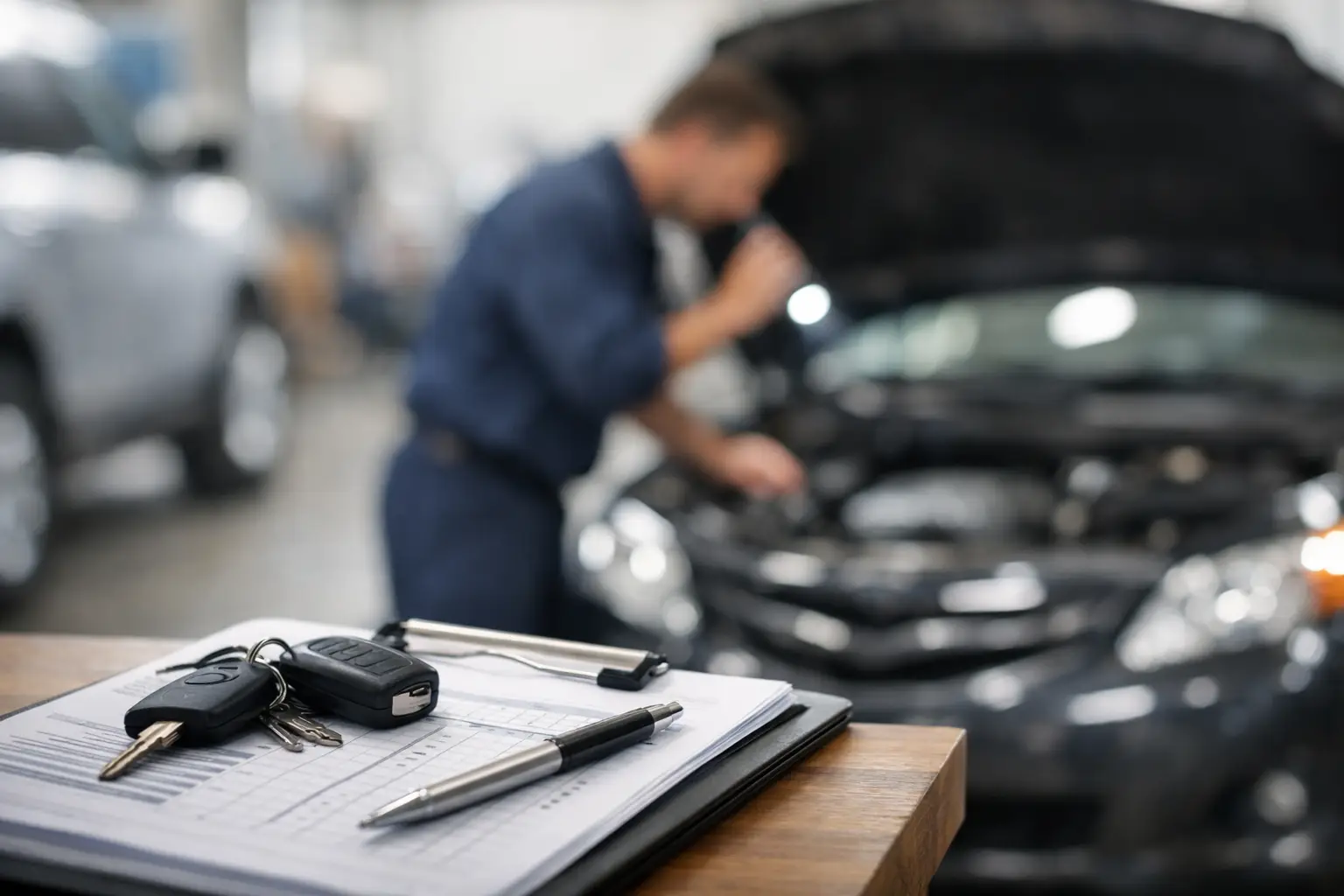
A clean engine bay and fresh detail can make a great first impression, but serious buyers look past the shine. They want proof that the car was cared for when no one was watching. So, can maintenance history increase value? In many cases, yes. A complete, organized record can strengthen your asking price, shorten the selling process, and give the next owner a reason to trust your vehicle over a similar one with a vague past.
That does not mean every oil-change receipt adds dollar-for-dollar value. Market demand, mileage, condition, title history, and the vehicle itself still set the ceiling. But maintenance history can protect the value you have worked to preserve. For enthusiast cars, modified builds, trucks, collectors, and well-kept daily drivers, that proof often separates a confident sale from a buyer trying to negotiate around every unknown.
Why maintenance records matter to buyers
Buying a used vehicle involves risk. A buyer cannot see every heat cycle, missed fluid change, hard launch, or ignored warning light. Records reduce that uncertainty. They show that the owner had a plan, followed through, and understood that maintenance is part of ownership.
A folder full of invoices is useful. A clear digital timeline is even better because it lets a buyer quickly see what was done, when it was done, at what mileage, and who performed the work. If the timing belt was replaced, the transmission serviced, the brakes renewed, or the cooling system refreshed, those are not just expenses from the past. They are future costs the next owner may not need to absorb right away.
Documentation also changes the conversation. Instead of saying, “I’ve always stayed on top of it,” you can show the dates, mileage, parts, and receipts. That gives your asking price more credibility without turning the sale into a sales pitch.
Can maintenance history increase value for every car?
Maintenance history usually adds more value as proof than as a direct calculation. A $900 suspension refresh does not automatically make a car worth $900 more. Routine service is expected, especially on newer vehicles. But a documented history can help a well-maintained example command a premium over an identical model with missing records.
The effect depends on the vehicle and buyer. On a common commuter car, records may help it sell faster and keep you from accepting a steep discount. On a performance car with a reputation for expensive failures, evidence of preventive maintenance can be a major selling point. On a collector vehicle, original documentation, specialist invoices, and a long ownership trail may materially affect buyer interest and market value.
High-mileage vehicles benefit, too. Mileage alone does not tell the whole story. A 160,000-mile car with consistent fluid services, replacement wear items, and recent major maintenance can feel like a safer purchase than a 110,000-mile car with no history beyond “runs great.”
There is a trade-off: records cannot erase poor condition. Faded paint, rust, accident damage, warning lights, worn tires, and neglected interiors will still hurt value. Think of your history as evidence that supports the vehicle’s condition, not a substitute for it.
The records that carry the most weight
Buyers do not need every gas-station receipt from the last decade. They do need enough detail to understand the car’s ownership story and its upcoming needs. The most persuasive history usually includes four areas:
- Routine service: Oil changes, filters, tire rotations, inspections, brake fluid, coolant, transmission service, and other scheduled work.
- Major maintenance and repairs: Timing components, water pumps, clutches, suspension work, batteries, alternators, cooling-system repairs, and engine or transmission work.
- Parts and modifications: Brand, part number, install date, mileage, labor details, alignment sheets, dyno results when relevant, and photos of the installation.
- Supporting documents: Itemized receipts, warranties, inspection reports, service invoices, and records that tie each job to the vehicle’s mileage and VIN.
For a modified car, the modification log can matter as much as the service log. Buyers want to know whether the build was assembled thoughtfully or pieced together without a plan. A documented set of quality coilovers, supporting engine mods, proper tuning, and follow-up maintenance creates a very different impression than a list of parts with no receipts or install details.
A clear history helps you defend your asking price
Every used-car listing has competition. When buyers compare similar year, trim, and mileage, a documented history gives them a concrete reason to choose yours. It can also reduce the familiar negotiation move: assuming the worst because there is no proof.
Say you are selling a turbocharged enthusiast car. You replaced the spark plugs early, changed fluids on schedule, handled the known weak points, and kept invoices for the work. A buyer may still inspect the car and negotiate based on the market, but they are not pricing in as much uncertainty. That can mean fewer low offers and a more serious buyer pool.
The same applies to a truck that has towed, an SUV with high miles, or a weekend project that has been steadily restored. Buyers are often willing to pay for a vehicle that feels known. They are less willing to pay top dollar for one they may have to rediscover from scratch.
There is another benefit: records can prevent you from leaving money on the table. Owners frequently forget how much meaningful work has been completed. A history timeline makes it easy to identify recent services and explain why the car is ready for its next chapter.
How to organize a history buyers can actually use
The goal is not to overwhelm a buyer with a giant stack of paper. The goal is to make the story easy to verify. Start by logging every service with the date, mileage, shop or DIY notes, parts used, and total cost. Attach a photo or scan of the invoice whenever possible.
For DIY work, be specific. “Changed oil” is better than nothing, but “Mobil 1 0W-40, OEM filter, 62,410 miles, receipt attached” inspires more confidence. Include photos for larger projects, especially work that would be difficult for a buyer to inspect later. If a reputable shop performed the job, save the itemized invoice rather than only the credit-card charge.
Keep modifications separate from maintenance, but connect them when they affect service requirements. For example, a tuned car may need shorter spark-plug intervals. A lifted truck may need alignment records and notes on suspension inspection. This level of context tells a buyer you maintained the vehicle for the way it was actually used.
A centralized system such as CarJourney can keep services, receipts, reminders, modification photos, and ownership notes in one shareable record. That is useful long before you sell. It helps you stay ahead of maintenance, track what you have invested, and avoid the missing-receipt scramble when a buyer asks for details.
Avoid the mistakes that weaken good records
A maintenance history loses impact when it is incomplete or confusing. Do not wait until listing day to sort through glovebox receipts and old emails. Log work as it happens, while the mileage and details are still fresh.
Be honest about gaps. If you bought the vehicle without prior records, say so. Start documenting from your ownership date and explain what baseline maintenance you completed after purchase. A truthful, well-documented two-year history is more persuasive than an unsupported claim that the car has always been maintained perfectly.
It also helps to avoid overstating modifications as added value. Quality upgrades may attract the right enthusiast buyer, but they rarely return their full cost. Some mods can narrow the buyer pool. Documentation still matters because it proves what is installed, but price the vehicle according to the market, not just the build sheet.
Build the record before you need to sell
The best time to create a sale-ready history is the day you buy the vehicle. Record the starting mileage, condition, known issues, and any work completed immediately after purchase. Then let the timeline grow naturally with every service, repair, upgrade, and inspection.
Years later, you will have more than a list of expenses. You will have a clear ownership story that shows care, decision-making, and pride in the vehicle. Whether you keep the car for another decade or hand it to the next enthusiast, that history gives the vehicle something buyers cannot get from a quick test drive: confidence.