
 carjourney
How to Organize Car Service Paperwork
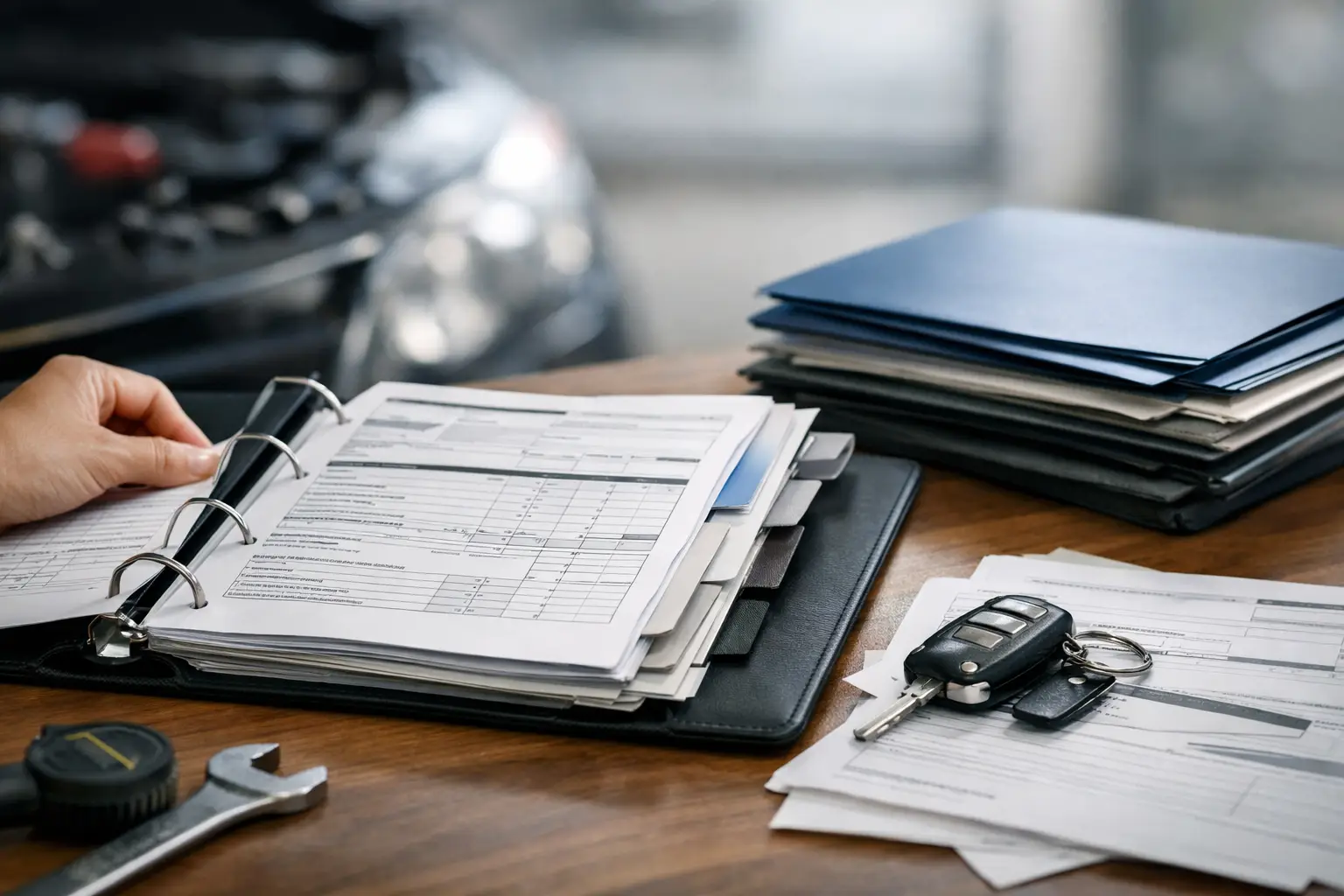
That glove box stuffed with oil change receipts, tire invoices, warranty slips, and handwritten part numbers is not a record system. It is a future headache. If you want to organize car service paperwork in a way that actually helps you, the goal is simple - make every repair, service, and upgrade easy to find before you need it.
For enthusiasts, this matters even more. A clean paper trail is not just about remembering the last coolant flush. It protects resale value, proves the work behind a build, helps you track what you have spent, and keeps small jobs from turning into expensive repeats. Whether you own one daily driver or a small fleet of projects, the right system gives you control.
Why organize car service paperwork at all?
Most people wait until they are selling a car, filing a warranty claim, or trying to remember which shop did the last brake job. That is usually when the missing receipt problem shows up.
Good records do a few things at once. They help you verify maintenance timing, back up warranty coverage, document modification history, and show buyers that the car was cared for. If you do your own work, they also create a timeline that separates guesswork from facts. That matters when you are troubleshooting, planning the next service interval, or trying to remember whether those coil packs went in 8 months ago or 3 years ago.
There is also a money angle. Without organized records, it is easy to double-buy parts, miss rebate windows, forget labor costs, or lose track of how much is actually in the car. That is fine if you never plan to sell and do not care about history. Most owners reading this do care.
The best way to organize car service paperwork
The best setup is usually a hybrid one. Keep essential originals when they matter, but build a digital record you can search in seconds.
A paper-only system can work, but it gets clumsy fast, especially if you own multiple vehicles or track modifications alongside maintenance. A digital-only system is cleaner, but some people still want original receipts for tax records, emissions work, title-related documents, or major warranty claims. So the practical move is to use both, with digital as your main system and paper as backup for the few documents that truly need it.
That approach also fits real car ownership. Shops still hand out paper invoices. Parts orders may live in email. Alignment sheets, dyno printouts, and inspection reports show up in different formats. You are not starting from a clean slate, so your system needs to handle mixed inputs without becoming a chore.
Start by sorting paperwork into useful categories
If your records are scattered, do not begin by alphabetizing receipts. Start by grouping them into categories you will actually use later.
For most owners, the core categories are routine maintenance, repairs, modifications, tires and alignment, inspections and registration-related service, warranties, and purchase documents. You may also want a category for fuel system work, tuning records, or track-prep documentation if the car is more specialized.
The key is not creating twenty folders just because you can. Too many categories slow you down. Too few turn your records into a junk drawer. A good test is this: if you need proof of the last battery replacement or suspension install, would you know exactly where to look?
Once the categories are set, put every document into the right bucket. Do not worry about perfection on day one. The first win is getting the chaos under control.
What every service record should include
To organize car service paperwork properly, a receipt alone is not always enough. The paperwork should tell a clear story of what happened, when it happened, and at what mileage.
At minimum, every record should include the date, odometer reading, vehicle identity, service performed, parts used, and total cost. If a shop did the work, keep the shop name and invoice number. If you did it yourself, note the part brand, part number, fluids used, torque-critical items if relevant, and where the parts came from.
This is especially important for modified cars. A basic receipt for springs or a tune does not explain install date, supporting parts, or whether an alignment was done afterward. If the paperwork does not provide context, add your own note. Future you will appreciate it, and so will a buyer trying to understand the build.
Paper folders still work - if you keep them simple
For physical storage, one folder per vehicle is usually enough at first. Inside that folder, use a few labeled sections rather than a thick stack of unsorted papers. A binder works well if you like flipping through history. A simple expanding file works better if you just want quick storage.
Store only the documents worth keeping in original form. That usually means major repair invoices, warranty paperwork, title and purchase records, emissions or inspection documents, and receipts for expensive parts. You do not need three faded copies of every car wash purchase or a decade of toll receipts mixed in with your service history.
If you own multiple vehicles, label everything clearly with year, make, model, and nickname if you use one. It sounds obvious, but paperwork gets mixed faster than most owners expect, especially in households where several cars share the same manufacturer or platform.
Digital records are where the system becomes useful
A digital system is what turns recordkeeping from storage into actual control. Once documents are scanned or uploaded, you can search by mileage, service type, part, or vehicle without digging through drawers.
Use clear file names. Something like 2026-03-15_84210_Oil-Change is much more helpful than IMG_4837 or receipt-final-final. Consistency matters more than the exact naming format. If you name files well from the start, your records stay usable as they grow.
Photos count too. Attach images of receipts, installed parts, odometer readings, and before-and-after work when it adds context. For enthusiasts, this is where the service history and build history start supporting each other. A suspension refresh with receipts, install notes, and photos tells a much stronger story than a single parts invoice buried in email.
This is also where a dedicated platform makes more sense than random cloud folders or spreadsheets. A system built for vehicle history can tie documents to mileage, reminders, mods, and service intervals in one place. CarJourney is built around exactly that problem - giving owners one home base for maintenance records, documents, costs, and build history across vehicles.
How often should you update your records?
The best answer is immediately after each job. The realistic answer is whenever you can keep the habit alive.
If you wait until the end of the year, you will forget details. Part numbers go missing. Mileage guesses creep in. Receipts disappear from the passenger seat or get buried in your inbox. Updating records within 24 to 48 hours is ideal because the work is still fresh.
That said, a low-friction monthly catch-up routine is still far better than no routine at all. Pick one day each month to upload receipts, log services, and clean up loose paperwork. If you manage more than one vehicle, this becomes even more important. Small delays multiply fast.
Common mistakes when you organize car service paperwork
The biggest mistake is treating paperwork like proof instead of a usable history. A pile of receipts may technically prove money was spent, but it does not help much if nobody can follow the timeline.
Another common mistake is tracking maintenance but ignoring modifications. On enthusiast cars, those records belong together. If you upgraded brakes, changed wheel specs, installed a tune, or swapped suspension components, that work affects service planning, troubleshooting, and buyer confidence.
There is also a trade-off between detail and consistency. Some owners build elaborate spreadsheets with labor categories, tax breakdowns, and vendor coding, then stop updating after a month. A simpler system you actually maintain is better than a perfect one you abandon.
Finally, do not rely on memory for DIY work. If you turned the wrenches yourself, your notes matter even more because there may be no shop invoice to fall back on.
The payoff shows up later
You rarely feel the value of organized records on the day you file them. You feel it later, when a check engine light sends you back through recent work, when a warranty issue comes up, when you are pricing the car for sale, or when a buyer asks for proof that the maintenance and mods were done right.
A documented car stands apart. It feels cared for because it is cared for. The history is visible, the costs are traceable, and the ownership story makes sense. That builds trust, and trust is worth money.
So if your paperwork is currently living in a glove box, center console, email inbox, and old shoebox in the garage, fix that now. Start simple, stay consistent, and build a record system that respects the car as much as the work you put into it.