 carjourney
From the CarJourney journal
What a Vehicle Records App Should Actually Do
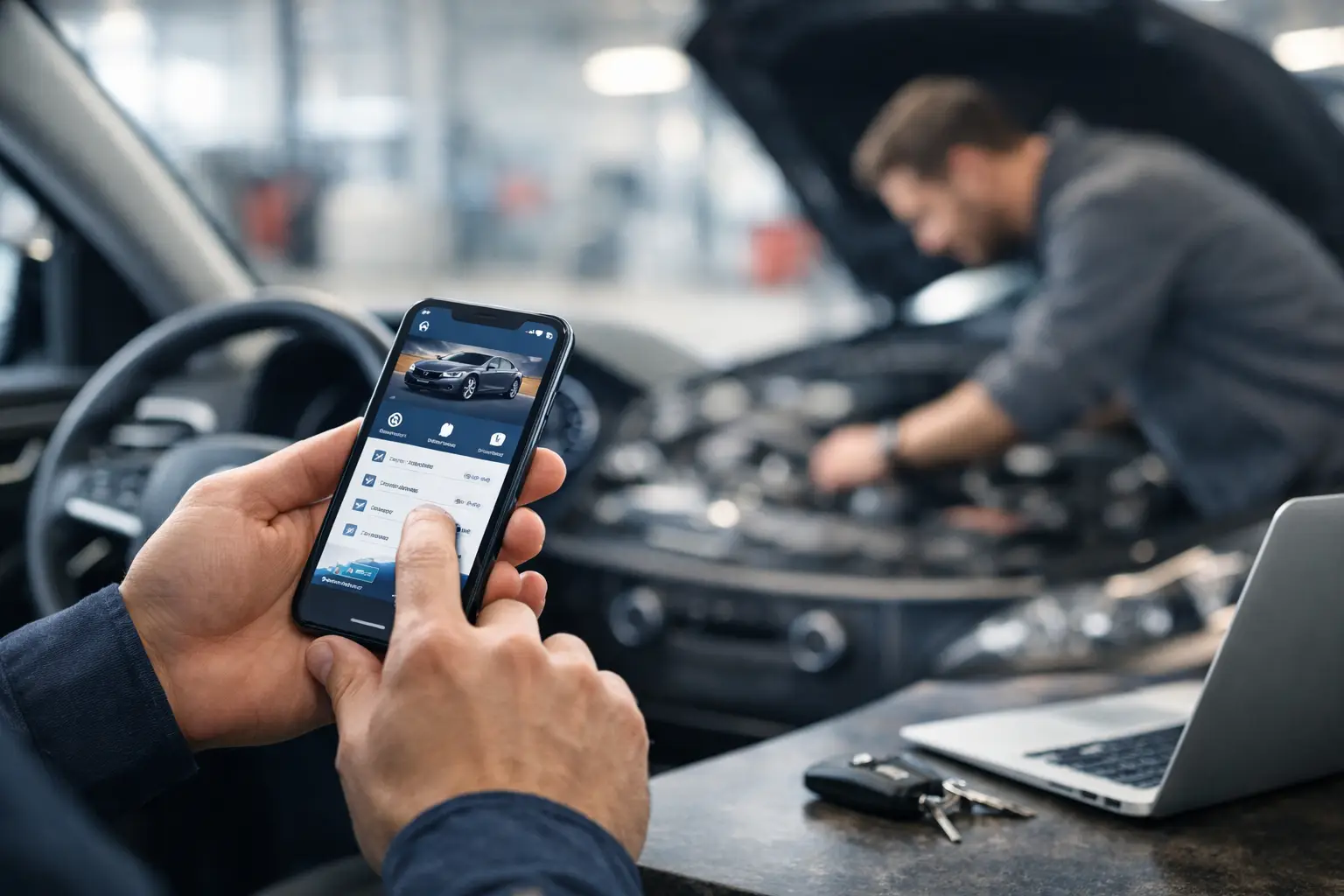
A missed oil change is annoying. A missing receipt for a warranty claim, an undocumented tune, or a fuzzy memory about when the brakes were last done can get expensive fast. That is where a vehicle records app stops being a nice-to-have and starts becoming part of how you actually manage a car.
For enthusiasts, the problem is rarely a lack of interest. It is fragmented history. One receipt is in the glove box, another is buried in email, maintenance dates are half-tracked in Notes, and mod costs live in a spreadsheet you stopped updating three months ago. That setup works right up until you need a clean answer about service history, parts installed, or total money invested.
A good app should fix that without turning ownership into homework.
Why a vehicle records app matters more than a reminder app
Basic reminder apps cover one small part of ownership. They can tell you when your next oil change is due, but they usually stop there. Real vehicle history is wider than service intervals.
If you care about reliability, resale, or the long-term story of your car, you need a record of what was done, when it was done, who did it, what parts were used, and how much it cost. If you modify your vehicle, you also need a place to log upgrades, installation dates, supporting photos, and the reason behind the change. That information matters to you now and to the next owner later.
This is the gap many drivers run into. They start with reminders, then realize reminders do not create trust. Records do.
What a vehicle records app should track
The best setup is one that brings your ownership history into a single system. That starts with maintenance logging, but it should go further.
Service records are the baseline. You want to log oil changes, tire rotations, brake work, fluid services, inspections, batteries, alignments, and anything else that affects the health of the vehicle. Mileage, date, notes, parts used, and cost should all be easy to capture. If you do your own work, the app should support DIY entries just as well as shop visits.
Modification tracking is where many generic tools fall apart. Enthusiasts do not just maintain cars - they build them. A proper record should let you log wheels, suspension, intake parts, exhaust, lighting, cosmetic changes, audio upgrades, tuning, and supporting hardware. Photos matter here. So does being able to show the timeline of a build, not just a pile of disconnected entries.
Document storage is another big one. Receipts, warranty info, inspection papers, registration details, and service invoices should live next to the entries they belong to. If you ever sell the vehicle, this becomes one of the easiest ways to build buyer confidence.
Cost tracking turns all of that history into something useful. Plenty of owners know they have spent a lot on a car. Fewer can tell you how much went to maintenance versus upgrades, or what the ownership cost looked like over a year. An app that shows the numbers clearly helps you make smarter decisions going forward.
The difference between organized data and actual control
There is a difference between storing information and being in control of it. A spreadsheet can hold service dates. A notes app can hold part numbers. A folder can hold receipts. But control means you can find what you need fast, trust that it is accurate, and use it to make the next decision.
That is where structure matters.
If your records are organized by vehicle, mileage, category, and timeline, you stop guessing. You know whether a service is overdue. You know when a part was installed. You know what brand of pads or fluid was used last time. You know how long a set of tires actually lasted on your setup.
That kind of clarity saves money because it reduces duplicate work, missed maintenance, and bad assumptions. It also saves time when you are troubleshooting. If a vibration started after a suspension change or a check engine light showed up shortly after a specific install, a detailed history gives you a much better starting point.
Why enthusiasts need more than a maintenance log
For a daily driver, a simple maintenance tracker might be enough. For a project car, weekend toy, track build, or collection, it usually is not.
Enthusiast ownership is layered. One car may have a factory service schedule, custom wheel specs, multiple sets of tires, seasonal storage notes, and years of upgrades from different shops and different phases of the build. Another may be a mostly stock survivor where originality and documentation matter more than modification count. A multi-vehicle household might be managing all of that at once.
That is why the best tool is not just a maintenance notebook with push notifications. It is a central garage. You need one place where service, mods, photos, documents, reminders, and costs all connect to the same vehicle story.
That is also why shareability matters more than it used to. A clean build profile can help when you are selling, documenting progress, or simply showing what has been done without scrolling through years of camera roll photos and old forum posts.
Features that are worth paying attention to
Not every app that looks polished is actually useful after the first week. The details matter.
Cross-device syncing is one of them. If your records only live on one phone, they are vulnerable and inconvenient. Being able to update from mobile and review from the web makes the system much easier to stick with.
Flexible reminders matter too. Mileage-based reminders are essential, but time-based reminders are just as important for cars that sit, seasonal vehicles, or low-mileage collectors. The best apps account for both, because ownership patterns are not all the same.
Photo support is easy to underestimate until you need it. Photos help verify condition, installation quality, receipts, odometer readings, and the before-and-after story of a build. They are not fluff. They are evidence.
AI features can be genuinely useful if they solve a real problem. Scanning receipts or service invoices to pull in details is helpful because it reduces data entry friction. The trade-off is that AI should support your records, not replace your judgment. You still want to verify the details before they become part of your vehicle history.
What to watch out for when choosing a vehicle records app
The biggest trap is picking something that only solves one narrow problem. If the app only handles reminders, you will outgrow it. If it only tracks mods but ignores service history, you will end up back in spreadsheets for the practical stuff.
Another issue is poor data structure. If entries are hard to categorize, impossible to search, or disconnected from mileage and documents, the app becomes a storage bin instead of a useful record system.
There is also the question of longevity. Your vehicle history becomes more valuable over time, so you want a platform you can commit to. That means stable syncing, clean exports or transfers when needed, and enough depth to support a car for years instead of months.
For enthusiast owners, the culture fit matters too. A generic fleet-style tool may technically work, but it often feels built for compliance, not ownership pride. The better option is one that respects both sides of the experience - keeping the car healthy and documenting what makes it yours.
The best vehicle records app is the one you will actually keep updated
This is the part people skip. The perfect feature list means nothing if logging an oil change feels annoying.
The app should make quick entry easy, especially right after service or a new install. If adding mileage, cost, notes, and photos takes too long, most people will postpone it, then forget details later. Good design is not about looking nice. It is about making recordkeeping realistic when life gets busy.
That is where a platform like CarJourney fits well for serious owners. It is built around the actual jobs enthusiasts care about: log service, track modifications, store receipts, set reminders, protect value, and build a shareable history buyers trust.
A vehicle history should not disappear into a glove box or a dozen disconnected apps. If you care about keeping your car reliable, organized, and easier to sell someday, your records need a real home. Start with the next service, the next receipt, or the next mod, and build from there. Future you will be glad the history is still intact.