 carjourney
From the CarJourney journal
Why Stage Your Car for Sale and Get More Money
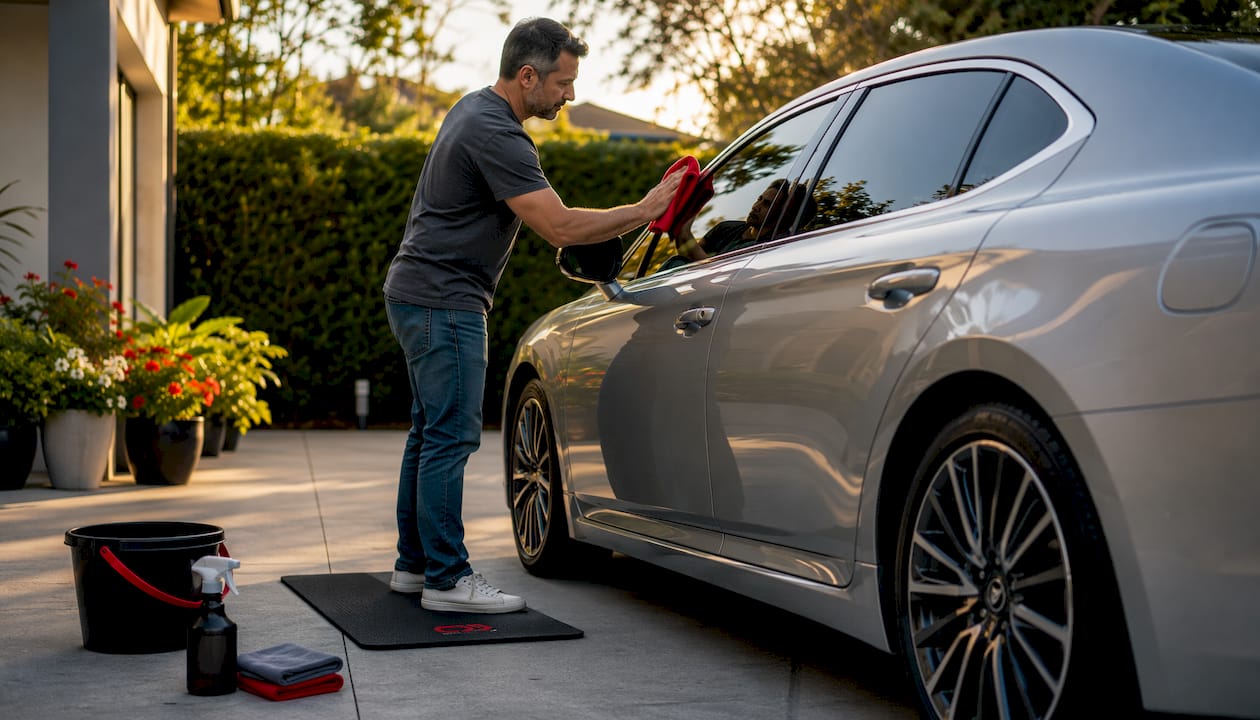
Staging your car before listing it is one of the highest-return moves you can make as a private seller. Nine in ten car buyers say poor presentation would stop them from paying full price, even when the car runs perfectly. That single fact should reframe how you think about prep time. A thorough staging job signals care, builds trust, and gives you a defensible asking price before a buyer even sits in the driver’s seat.
Here is what staging delivers in practical terms:
- Higher offers. Professional staging can increase resale value by up to 10-15%, with documented cases of sellers receiving thousands above market price after a focused prep investment.
- Faster sale. A spotless, well-presented car attracts more inquiries and converts browsers into buyers more quickly than an identical car with mediocre photos.
- Less negotiation friction. Buyers who see a clean, organized car have fewer objections to anchor a lowball offer to.
- Stronger first impression. Buyers form opinions within seconds, and a neglected exterior triggers discount thinking before the test drive begins.
- Trust signals. Clean door jambs, dressed tires, and a fresh-smelling interior tell buyers the car was owned by someone who paid attention.
Staging is not the same as detailing, and it is not about hiding flaws. Done right, it is about presenting the honest best version of your car so buyers feel confident saying yes.
Table of Contents
- What car staging actually is and how it lifts your sale price
- How to stage your car for sale, step by step
- Common staging mistakes that cost sellers money
- How buyers actually think when they look at your car
- Documents and final tips that complete your sale prep
- Key Takeaways
What car staging actually is and how it lifts your sale price
Car staging means presenting your vehicle in showroom-ready condition to maximize its perceived value. It goes well beyond a basic wash. The staging process typically includes clay bar treatment, paint correction, polishing, interior deep cleaning, odor removal, and protective finishes like wax or paint protection film. Each step targets a specific buyer concern.
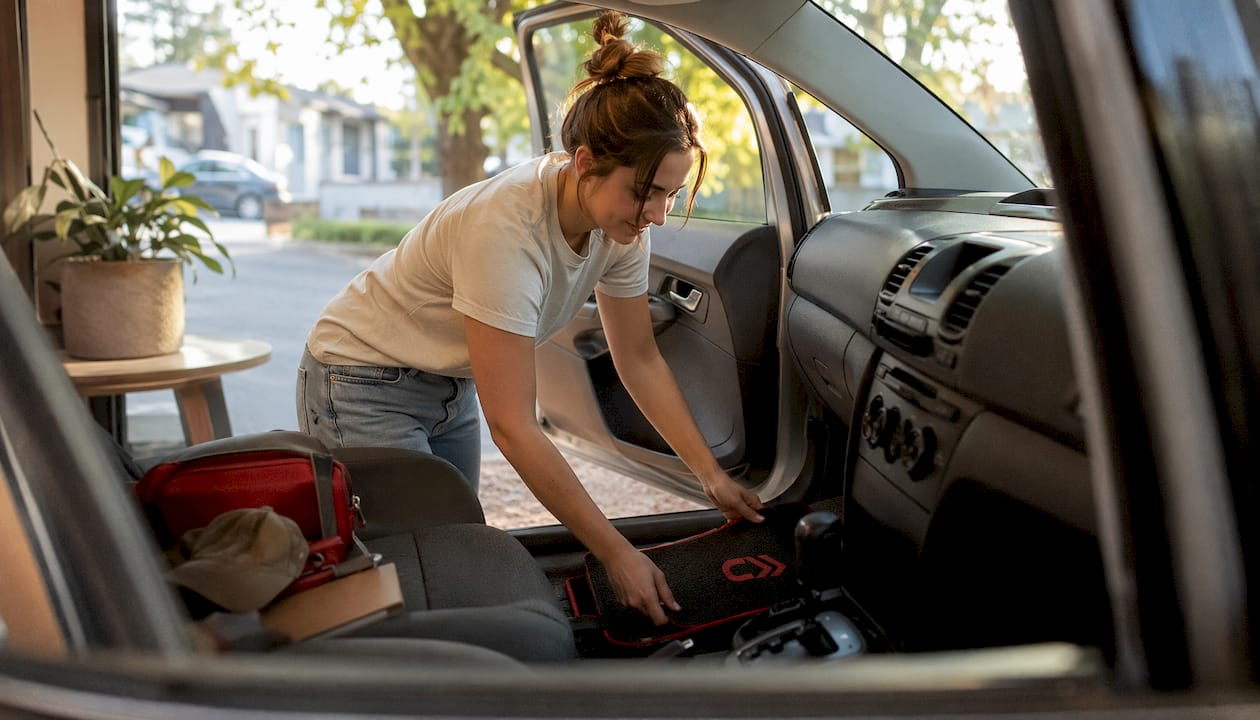
The distinction from simple cleaning matters. A car wash removes surface dirt. Staging removes the visual cues that make buyers question how the car was owned. Swirl marks, oxidized trim, cloudy headlights, and stale cabin odors all trigger subconscious doubt, and doubt translates directly into lower offers. Staging addresses those cues systematically.
What staging emphasizes in terms of buyer appeal:
- Exterior shine and paint clarity. Polished, glossy paint reads as well-maintained, even on an older vehicle.
- Tire and wheel presentation. Clean, dressed tires sharpen curb appeal faster than almost any other single step.
- Fresh interior smell. Odor is the first thing a buyer notices when the door opens. A neutral, clean scent removes one of the easiest objections.
- Clutter-free cabin. An empty, organized interior lets buyers picture themselves in the car rather than cataloging your belongings.
- Protective finishes. Wax and paint protection film signal that the owner invested in preservation, not just appearance.
Pro Tip: Dressed tires and clean door jambs are two of the cheapest, highest-impact staging steps. Buyers notice both without consciously registering why the car looks so much better.
Car dealerships and auction houses stage every vehicle before it hits the floor. Private sellers who skip this step are competing against professionally presented inventory at a structural disadvantage.
How to stage your car for sale, step by step
Follow this sequence before listing or showing your car. Each step builds on the last, so order matters.
-
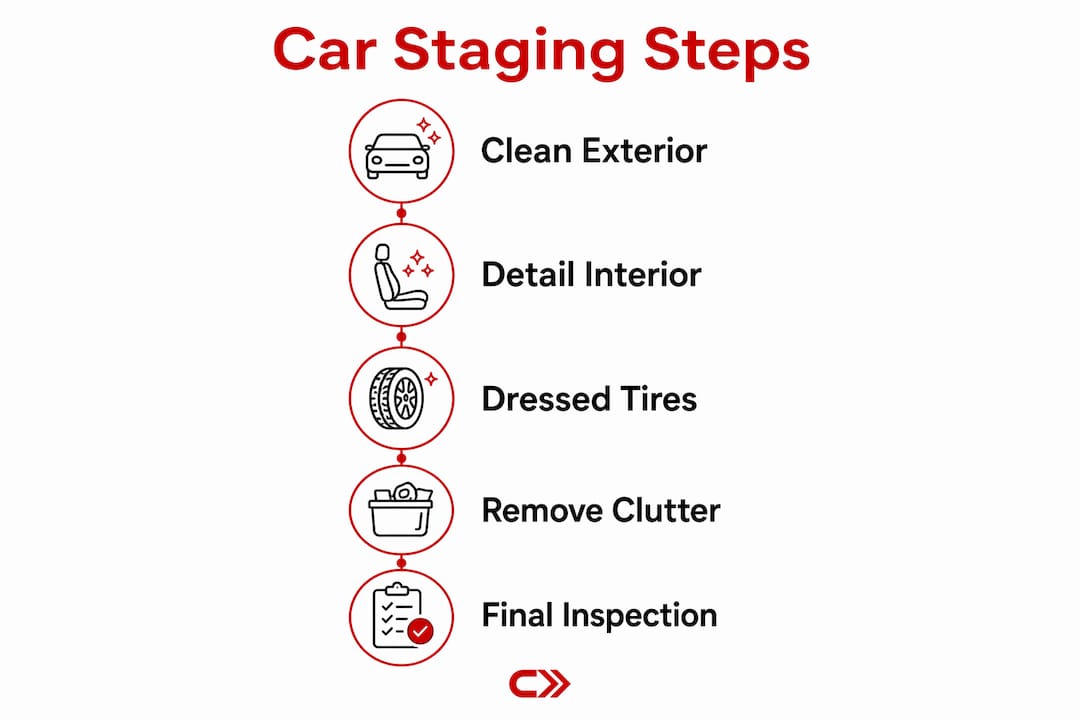
Wash the full exterior thoroughly. Remove dirt, tar, road grime, and insect residue using automotive-specific cleaners. A standard garden hose rinse is not enough. Work top to bottom and rinse completely before moving on.
-
Apply clay bar treatment. A clay bar pulls embedded contaminants from the paint surface that washing leaves behind. Run it over the hood, roof, trunk, and panels after washing. The paint will feel noticeably smoother, and it sets up polishing to work properly.
-
Correct minor paint imperfections. Address swirl marks, light scratches, and oxidation with a polish or paint correction compound. You do not need a professional machine polisher for light work. A dual-action orbital polisher and a quality compound handle most daily-driver imperfections.
-
Deep clean the interior. Vacuum every surface, including under seats and in seat track channels. Shampoo carpets and fabric seats. Condition leather if present. Wipe down every hard surface: dashboard, door panels, center console, and cup holders. Clean the glass inside and out.
-
Remove all personal items and clutter. Every gym bag, parking receipt, phone charger, and air freshener goes. Removing personal items helps buyers imagine themselves owning the car, which reduces anxiety and increases perceived value. This mirrors the psychology behind real estate staging.
-
Treat odors at the source. Do not mask smells with air fresheners. Identify the source, whether it is pet hair in seat seams, damp carpet, or smoke residue, and treat it directly. An ozone treatment or enzyme-based cleaner handles most persistent odors. A car that smells neutral closes faster than one that smells like a pine tree.
-
Apply protective finishes. A coat of quality wax or a spray sealant adds gloss and water repellency. If the car has paint chips or deep scratches, paint protection film on high-impact areas is worth considering before listing at a premium price.
-
Clean the engine bay lightly. A tidy engine bay signals maintenance best practices and common replacement mistakes. Keep it subtle: wipe down visible surfaces and remove debris. Avoid soaking the bay with heavy dressings, which can look suspicious rather than reassuring.
-
Dress the tires and clean the wheels. Apply tire dressing to sidewalls and scrub the wheels clean. This single step changes how the whole car sits visually.
-
Choose your photo location and lighting carefully. Position the car to avoid distracting reflections, and use a three-quarter angle to enhance its stance. Shoot during golden hour or on an overcast day for even, flattering light. A clean, neutral background, a wooden fence, a building wall, or open greenery, keeps the focus on the car.
-
Capture all the shots buyers expect. Exterior angles, interior views, engine bay, trunk, odometer, and VIN plate. Do not skip the engine bay or cargo area. A clean, well-staged engine bay signals the vehicle has been maintained; a messy one raises flags.
Pro Tip: Door jambs are a detail buyers notice without realizing it. Grime in the door jambs, dusty gauges, and cloudy headlights act as red flags that prompt discount thinking before the test drive starts. Spend ten minutes on jambs and headlights and you will recover that time in negotiation.
Common staging mistakes that cost sellers money
Most sellers lose money not because they skipped staging entirely, but because they staged carelessly. These are the errors that show up most often.
-
Ignoring micro-dirt in visible areas. Door jambs, seat pockets, pet hair, and dashboard crumbs are exactly what buyers notice. Cleaning the obvious surfaces while leaving these details dirty signals selective effort, which is almost worse than no effort at all.
-
Hiding damage instead of disclosing it. Covering a scratch with a prop or photographing around a dent destroys trust the moment the buyer sees it in person. Renegotiation or a lost sale follows. Honest staging means presenting the car at its best while showing flaws openly.
-
Leaving personal items inside. A cluttered cabin tells buyers the car is still yours. It prevents the mental ownership transfer that makes buyers willing to pay asking price.
-
Using heavy photo filters or misleading edits. Filters that alter paint color, hide wear, or misrepresent condition are a liability. Staging should improve presentation without changing vehicle truth. Buyers who feel deceived walk away and leave negative feedback.
-
Skipping protective finishes on a car you are pricing at a premium. If you are asking top dollar, the finish needs to look like it. Bare, unprotected paint on a high-ask listing creates a credibility gap.
-
Choosing a cluttered or distracting background. A busy parking lot, a neighbor’s trash cans, or other vehicles in the frame all pull attention away from your car. The background is part of the staging.
-
Poor photo timing. Shooting at high noon on a sunny day creates harsh shadows and blown-out reflections. Overcast days or golden hour shots look dramatically better with zero additional cost.
-
Neglecting the engine bay and cargo area. Buyers expect to see these. Skipping them signals something to hide, even when there is nothing wrong.
-
Overdressing the interior. Greasy dashboard dressing, heavily scented sprays, and artificial shine on the steering wheel or pedals read as cover-up attempts. Buyers trust clean and matte over shiny and slick.
How buyers actually think when they look at your car
Buyers make their first judgment within seconds, and that judgment is almost entirely visual. A neglected exterior does not just look bad. It signals lower mechanical care to the buyer’s brain before a single question gets asked.
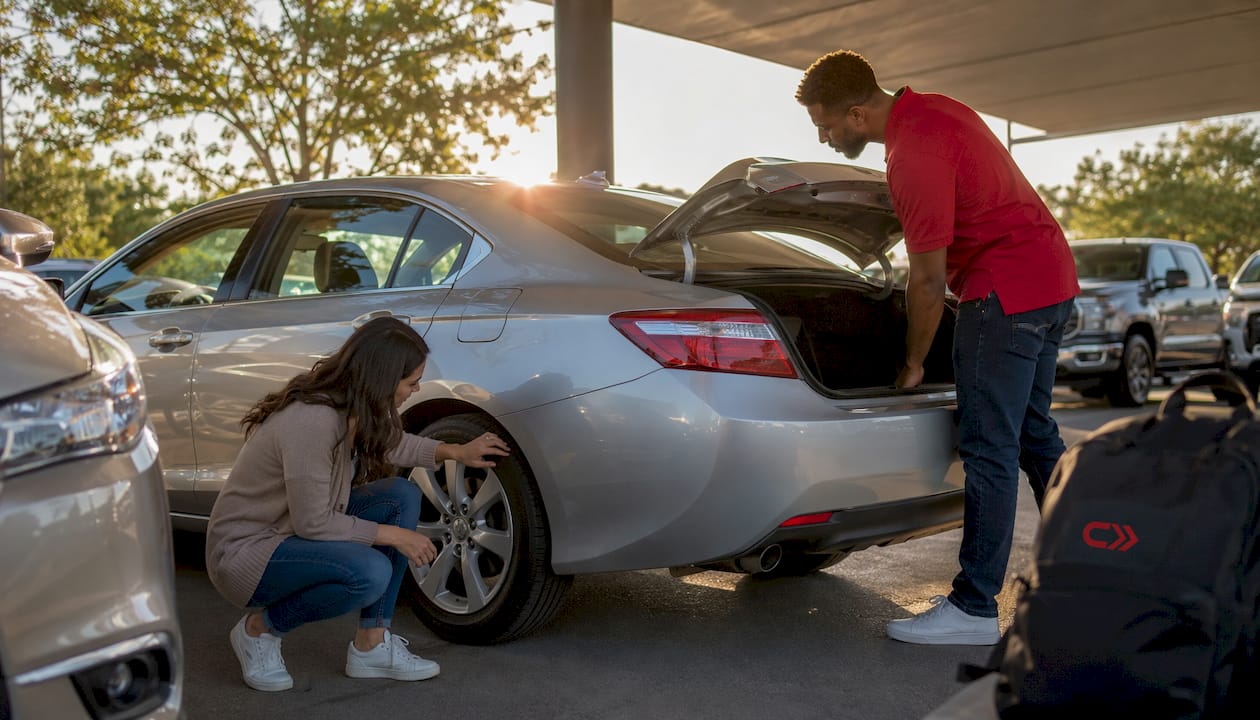
Nine in ten buyers agree that a clean car suggests the owner looked after it mechanically, and many say they would pay more for a well-presented car compared to a scruffy one. That is not about aesthetics. It is about trust. A clean car reduces the buyer’s perceived risk, and lower perceived risk means a higher willingness to pay.
Clutter and grime trigger a specific response: buyers start building a discount in their head before the test drive begins. Grime in the door jambs, dusty gauges, and stale interior odor each function as a red flag, stacking up into a mental case for negotiating down. The car’s actual mechanical condition becomes almost secondary once that discount-building starts.
This is the same psychology that drives real estate staging. Removing personal items and presenting a neutral, clean space lets buyers project themselves into ownership. When a buyer can picture the car in their driveway rather than cataloging the previous owner’s personality, the emotional barrier to making an offer drops significantly.
Many buyers expect a discount off the asking price for a scruffy-looking but mechanically sound car. On a $25,000 vehicle, that is $1,500 left on the table because of presentation alone. Staging does not just protect your asking price. It actively lifts what buyers are willing to offer.
Documents and final tips that complete your sale prep
Staging the car is the visual half of the job. The paperwork is the other half, and buyers who feel confident about both are the ones who show up ready to close.
-
Gather and organize your service and maintenance records. A complete service history is one of the strongest trust signals a private seller can offer. Organizing service records reduces buyer hesitation and renegotiation, because buyers can see the car was maintained rather than just being told it was.
-
Locate your title, registration, and any remaining warranty documents. Having these ready at the first showing tells buyers you are a serious, organized seller. Scrambling for paperwork mid-negotiation undermines confidence.
-
Pull a vehicle history report. A clean report from a recognized service removes one of the biggest buyer objections before it comes up. If the report shows something, address it honestly in your listing description rather than hoping buyers miss it.
-
Write an honest, specific listing description. Vague descriptions like “runs great” invite skepticism. Specific ones, such as noting recent brake work, new tires in March, or a timing belt replaced at 90,000 miles, give buyers concrete reasons to trust your asking price.
-
Remove personal information before showings. Clear your garage door opener, any saved home addresses in the navigation system, and personal documents from the glovebox. This is both a security step and a depersonalization move that reinforces the clean-slate presentation you built through staging.
-
Respond to inquiries quickly and completely. Buyers shopping private listings are often comparing multiple options simultaneously. A prompt, detailed response keeps you in the running; a slow or vague one sends them to the next listing.
-
Use Carjourney to consolidate your vehicle records before listing. Carjourney’s AI scans your service documents and organizes your maintenance history into a clear, shareable record. When a buyer asks about the car’s history, you have a complete answer ready rather than a stack of loose receipts. That kind of preparation is exactly what getting top dollar looks like in practice.
Staging and documentation work together. A beautifully presented car with no paperwork leaves buyers guessing. A complete service history paired with a well-staged vehicle gives buyers every reason to say yes at your price.
Key Takeaways
Staging your car before selling it directly increases buyer trust, reduces negotiation friction, and can lift your final sale price by a meaningful margin.
| Point | Details |
|---|---|
| Presentation drives price | Many buyers expect a discount off the asking price for a scruffy-looking but mechanically sound car. |
| Staging goes beyond cleaning | Effective staging includes clay bar treatment, paint correction, odor removal, and protective finishes, not just a wash. |
| Micro-details matter most | Door jambs, cloudy headlights, and pet hair trigger discount thinking before the test drive starts. |
| Decluttering builds buyer trust | Removing personal items lets buyers imagine ownership, which reduces anxiety and increases willingness to pay. |
| Documents complete the picture | Organized service records and a vehicle history report reduce hesitation and prevent renegotiation after inspection. |