 carjourney
From the CarJourney journal
Can Modifications Hurt Resale Value?
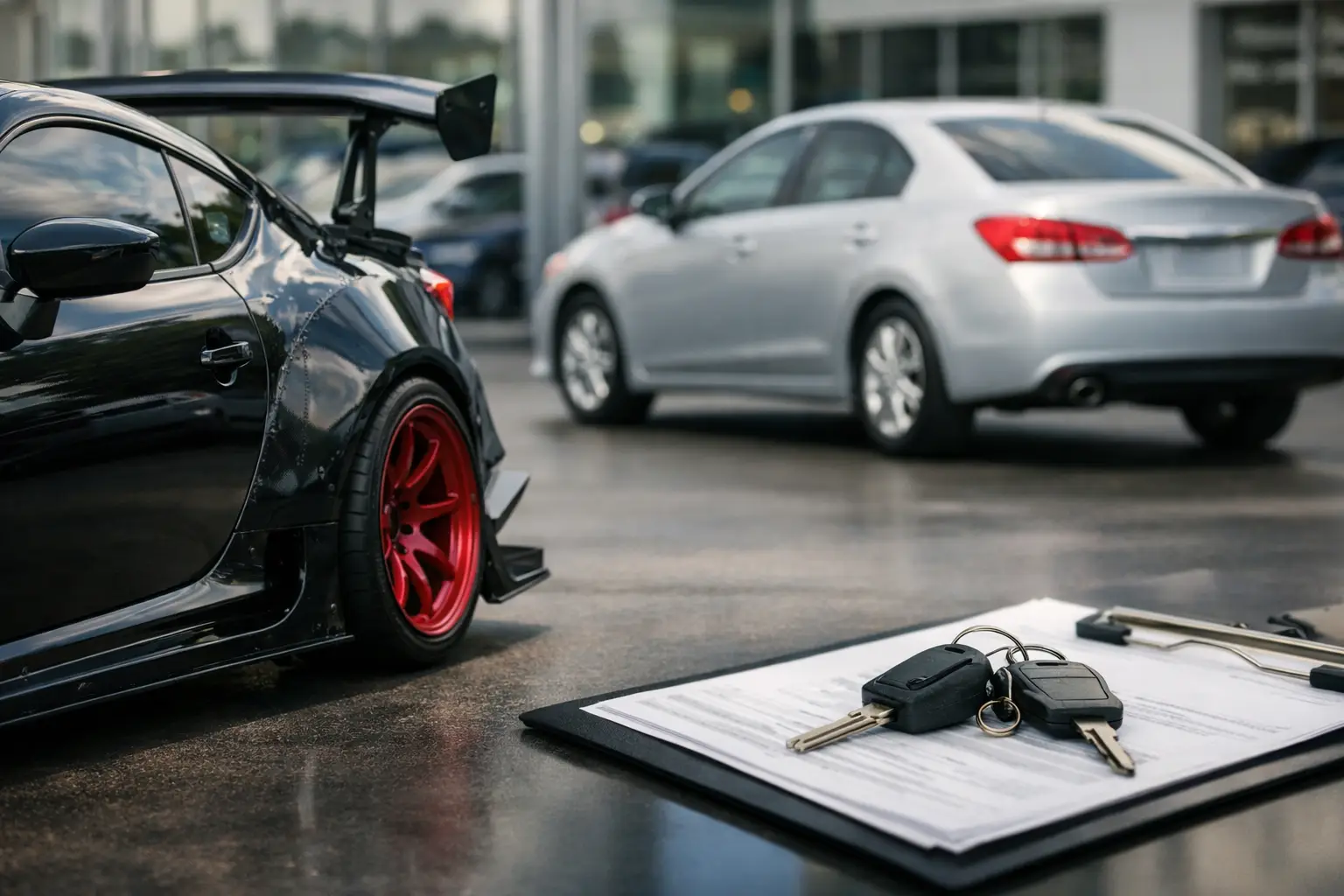
A clean title, fresh photos, and a long mod list can feel like a strong selling point right up until buyers start asking for stock parts, install receipts, and proof the car was maintained correctly. That is where the real answer to can modifications hurt resale value gets more nuanced than most owners expect.
Yes, modifications can hurt resale value. But not always for the reason people think. It is rarely just about the part itself. It is usually about who the next buyer is, how the work was done, whether the car still feels trustworthy, and how well the history has been documented.
Why modifications can hurt resale value
Most buyers are not paying you back for your build. They are evaluating risk.
A modified car raises questions that a stock car often does not. Was it driven harder? Were quality parts used? Was tuning done safely? Did anyone cut wiring, drill panels, or remove factory equipment that matters for reliability or emissions? Even a tasteful build can trigger concern if the next owner sees signs of shortcuts or missing records.
That is the core reason resale value can drop. Mods narrow the buyer pool. The more specific your taste, the fewer people will want exactly what you built. A loud exhaust, aggressive suspension setup, oversized wheels, or a bright wrap might be perfect for you and a deal-breaker for ten other shoppers.
There is also a financing and insurance angle. Some buyers need a bank loan, and some lenders are more comfortable with stock or lightly modified vehicles. Insurance can get trickier too, especially if the car has performance work, aftermarket safety equipment, or a declared value that does not line up with market comps.
Which mods hurt value the most?
Not all modifications carry the same penalty. In general, the biggest value killers are the ones that make the car feel abused, hard to reverse, or legally questionable.
Heavy performance mods
Big turbo kits, built engines, nitrous setups, aggressive tunes, and fuel system upgrades can attract enthusiasts, but they also signal stress. Even if the work was done properly, buyers may assume the car lived a harder life than a stock example. That often pushes resale value down unless you are selling into a very specific enthusiast market.
Poorly executed cosmetic changes
Cheap body kits, uneven wrap work, mismatched paint, smoked lights, cut bumpers, and low-quality interior mods can make a car look less cared for. Cosmetic changes are subjective to begin with, so poor execution makes the problem worse.
Suspension setups that hurt drivability
An ultra-low ride height, stiff coilovers, stretched tires, or rubbing fitment might look right at a meet, but many buyers picture driveway scraping, uneven tire wear, and alignment problems. If the car is harder to live with, value usually drops.
Deleted emissions or comfort equipment
Missing catalytic converters, removed mufflers, disabled warning systems, deleted air conditioning, or stripped interiors can seriously limit your market. In many states, these changes are not just inconvenient - they can create inspection or registration issues.
Electrical work with no paper trail
Aftermarket alarms, audio systems, lighting, gauges, and hardwired accessories can make buyers nervous if the wiring is messy or undocumented. Electrical gremlins are expensive and frustrating, so buyers often discount heavily when they see custom wiring with no clear record.
When modifications can help resale value
There are cases where mods help, or at least do not hurt much.
Enthusiast-friendly upgrades on enthusiast cars can make sense. A respected cat-back exhaust on a Mustang GT, quality wheels on a GR86, or a mild suspension refresh on a BMW that keeps the car usable may appeal to the right buyer. OEM+ style upgrades tend to hold up better because they improve the car without making it feel extreme.
Maintenance-based upgrades can also support value. Think quality brake components, fresh suspension bushings, improved cooling, known weak-point fixes, or wheels that fit properly with good tires. Buyers may not pay full retail for those parts, but they often appreciate that the owner invested in the car intelligently.
The catch is that the parts alone are not enough. Buyers respond to quality, restraint, and proof.
The biggest factor is buyer trust
A modified car sells best when the next owner feels like they are buying a well-managed vehicle, not inheriting someone else’s experiment.
That means install quality matters. Brand choice matters. Tuning source matters. Service history matters. The ability to explain what was changed, when it was changed, and why it was changed matters.
This is where a lot of sellers leave money on the table. They have spent real money on good parts, but they present the car with a vague description like stage 2, lots done, runs great. That does not build trust. It creates homework for the buyer.
If you want stronger resale, your car needs a clean history story. What parts are on it? Who installed them? Were factory parts retained? Was maintenance kept ahead of the modifications? Are receipts, warranty details, alignment records, dyno sheets, and before-and-after photos available?
The more complete that story is, the less a buyer has to guess.
Can modifications hurt resale value less if you keep records?
Absolutely. Documentation will not erase every downside, but it can reduce skepticism and protect your asking price.
A buyer may still prefer stock, but a fully documented modified car is far easier to trust than one with mystery parts and no records. If you can show oil changes, brake service, tune details, install invoices, mileage at each upgrade, and photos of the work, you shift the conversation from risk to stewardship.
That is especially true if the build happened over time and the records prove the car was not neglected. Logging mods alongside maintenance helps show that performance or cosmetic changes were part of an organized ownership history, not a phase of random spending.
For enthusiasts, this is one of the strongest arguments for keeping a digital record. A platform like CarJourney can help you track services, modifications, receipts, photos, and dates in one place so when it is time to sell, you are not scrambling through old emails and glovebox paperwork.
How to modify a car without crushing resale
If resale matters, the goal is not avoiding all mods. It is making smart, reversible choices.
Focus on quality over quantity. A few well-chosen upgrades usually age better than a long list of trendy parts. Try to keep the car usable, legal, and easy for the next owner to live with. If you are changing something that is highly personal, like wheel style, ride height, or exhaust volume, accept that those choices may narrow your market.
Reversible mods are your friend. If you can return the car to stock without repainting panels, chasing electrical issues, or replacing cut-up trim, you protect your options. Keeping original parts can be a real advantage when selling.
Use reputable brands and qualified installers. Buyers who know the platform can tell the difference between carefully selected components and bargain-bin guesswork. A known tuner or respected shop can add credibility that a handwritten parts list cannot.
And keep your maintenance even tighter than normal. Modified cars get judged harder, so sloppy service history hits harder too.
Selling a modified car the right way
Presentation matters just as much as the parts.
Be honest about what was changed and why. List the actual parts, not vague labels. Mention whether the car was tuned, by whom, and for what fuel. Say whether stock parts are included. Show receipts and service logs upfront. Clean photos of the engine bay, underside, interior, and mod installs go a long way.
Pricing also needs realism. The market rarely pays full value for aftermarket parts, and sometimes it pays nothing for them at all. A car with $12,000 in modifications does not automatically sell for $12,000 more. Usually, you recover only a portion, unless the build matches exactly what a motivated buyer wants.
If the market response is weak, parting out may make more sense. Returning the car to stock and selling desirable aftermarket parts separately can sometimes produce a better total return. It takes more effort, but for heavily modified vehicles, it is often the cleaner financial move.
So, can modifications hurt resale value?
Yes - but the real issue is not whether your car is modified. It is whether the next buyer sees a car that was upgraded with intention, maintained with discipline, and documented well enough to trust.
Build what you enjoy. Just remember that every change writes part of your car’s future sales pitch. If you keep that history clean, clear, and complete, you give yourself a much better shot at keeping both the passion and the value.