 carjourney
From the CarJourney journal
Car General Service Cost: 2026 Price Guide & Factors
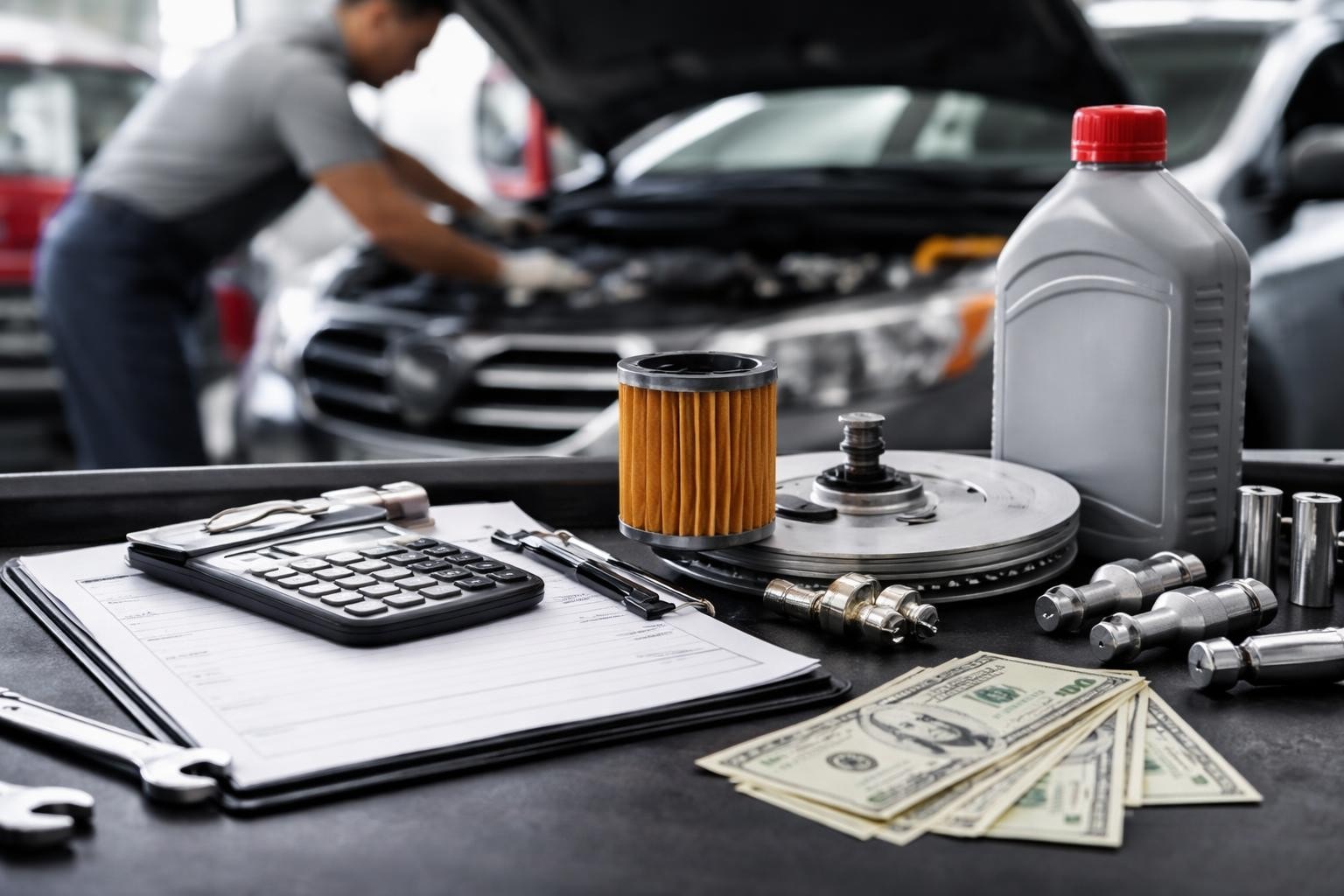
Understanding the car general service cost is essential for every vehicle owner who wants to maintain their car properly without breaking the bank. In 2026, service pricing continues to evolve based on technological advancements, labor market changes, and the increasing complexity of modern vehicles. Whether you're driving a vintage classic or a brand-new electric vehicle, knowing what influences service costs helps you budget effectively and make informed decisions about your vehicle's maintenance needs.
Breaking Down Car General Service Cost Components
The car general service cost varies significantly based on several interconnected factors. At its core, a general service typically includes essential maintenance tasks designed to keep your vehicle running smoothly and prevent major mechanical failures down the road.
Standard Service Inclusions
Most general service packages encompass a predictable set of maintenance tasks. These typically include:
- Oil and filter changes
- Fluid level checks and top-ups (coolant, brake fluid, power steering fluid)
- Tire pressure inspection and adjustment
- Brake system inspection
- Battery testing
- Air filter inspection or replacement
- Visual inspection of belts, hoses, and suspension components
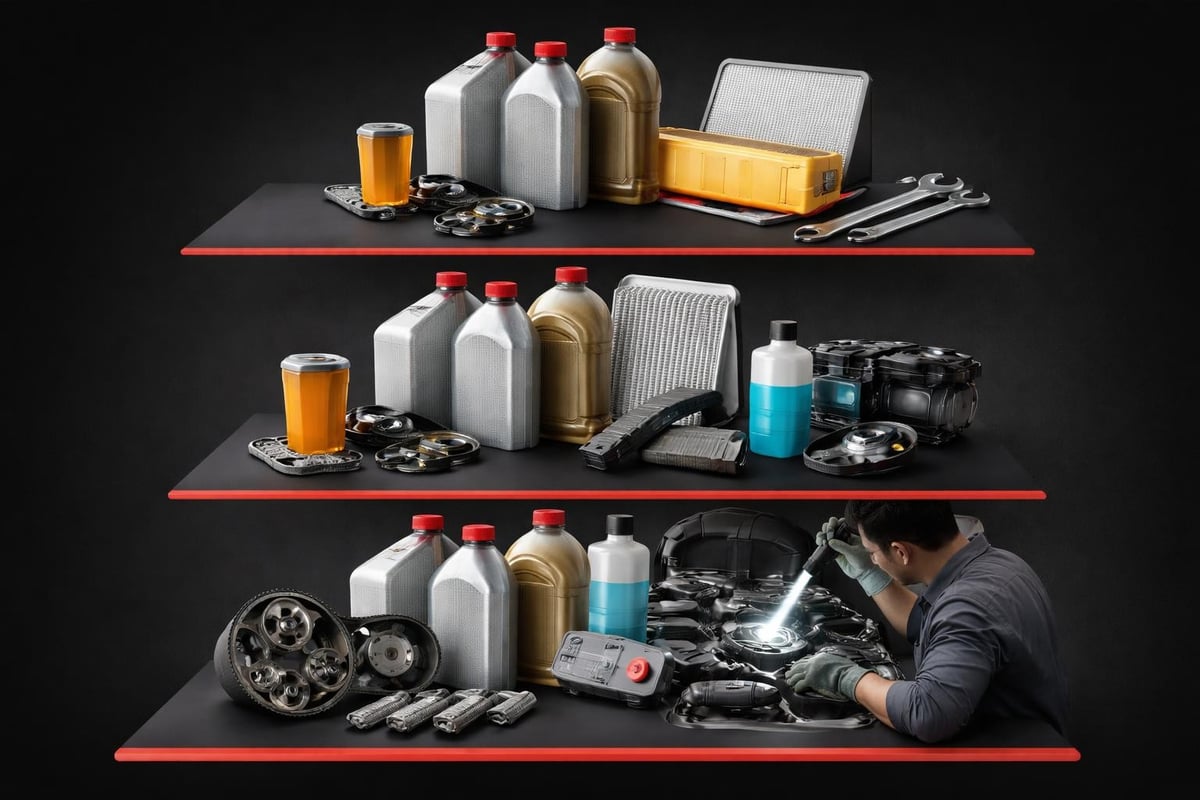
According to recent data on average car servicing costs, minor services in 2026 range from $150 to $300, while intermediate services fall between $300 and $600. Major services, which include more comprehensive checks and replacements, can exceed $800 depending on your vehicle and location.
Labor Rates and Geographic Variations
Labor costs represent a substantial portion of your car general service cost. Dealership service centers typically charge between $120 and $200 per hour in 2026, while independent shops may range from $80 to $150 per hour. Urban areas generally command higher rates than rural locations due to overhead costs and market demand.
The technician's expertise level also impacts pricing. Master technicians certified for specialized work on luxury or performance vehicles command premium rates compared to general mechanics handling routine maintenance.
Vehicle-Specific Factors Affecting Service Pricing
Your specific vehicle plays a determining role in the final car general service cost you'll encounter. Understanding these factors that influence car repair costs helps you anticipate expenses more accurately.
Make and Model Impact
Luxury and performance vehicles consistently require higher service investments than economy cars. European brands like BMW, Mercedes-Benz, and Audi typically cost 30-50% more to service than comparable Japanese or American models.
| Vehicle Category | Average Service Cost | Typical Interval |
|---|---|---|
| Economy Sedan | $180-$280 | Every 5,000-7,500 miles |
| Mid-Size SUV | $220-$350 | Every 5,000-7,500 miles |
| Luxury Sedan | $350-$550 | Every 7,500-10,000 miles |
| Performance Car | $400-$650 | Every 3,000-5,000 miles |
These figures reflect 2026 pricing for standard service packages and can increase substantially for vehicles requiring synthetic oils or specialized fluids.
Age and Mileage Considerations
Older vehicles with higher mileage naturally require more attention during service appointments. A car with 100,000 miles needs more thorough inspections and often reveals worn components requiring replacement during routine service.
As vehicles age, several factors increase maintenance costs, including parts deterioration, fluid degradation, and the need for more frequent replacements of wear items like belts and hoses.
Service Type Variations and Cost Implications
Not all services carry the same price tag. Understanding the different service levels helps you determine what your vehicle actually needs versus what's being recommended.
Minor Service Details
Minor services represent the most frequent maintenance interval and the lowest car general service cost category. These appointments focus on oil changes, basic fluid checks, and visual inspections. Most vehicles need minor services every 5,000 to 7,500 miles, depending on manufacturer recommendations and driving conditions.
For car enthusiasts tracking modifications and performance upgrades, maintaining detailed records of these routine services becomes crucial. Using a car maintenance tracker ensures you never miss critical service intervals that could impact your vehicle's longevity.
Intermediate Service Requirements
Intermediate services occur less frequently but involve more comprehensive checks and additional replacements. Beyond the minor service tasks, these appointments typically include:
- Cabin air filter replacement
- Fuel filter inspection or replacement
- Coolant system service
- Transmission fluid level verification
- More detailed brake system inspection
- Comprehensive underbody inspection
The car general service cost for intermediate maintenance usually doubles that of minor services, ranging from $300 to $600 in most markets.
Major Service Expectations
Major services represent the most comprehensive maintenance appointments, typically scheduled every 30,000 to 60,000 miles. These sessions involve extensive inspections, multiple fluid replacements, and detailed system checks.
Beyond intermediate service items, major services add:
- Transmission fluid replacement
- Coolant flush and replacement
- Brake fluid replacement
- Power steering fluid replacement
- Spark plug replacement (for gasoline engines)
- Timing belt inspection or replacement (if applicable)
- Comprehensive suspension and steering inspection
Parts Quality and Pricing Dynamics
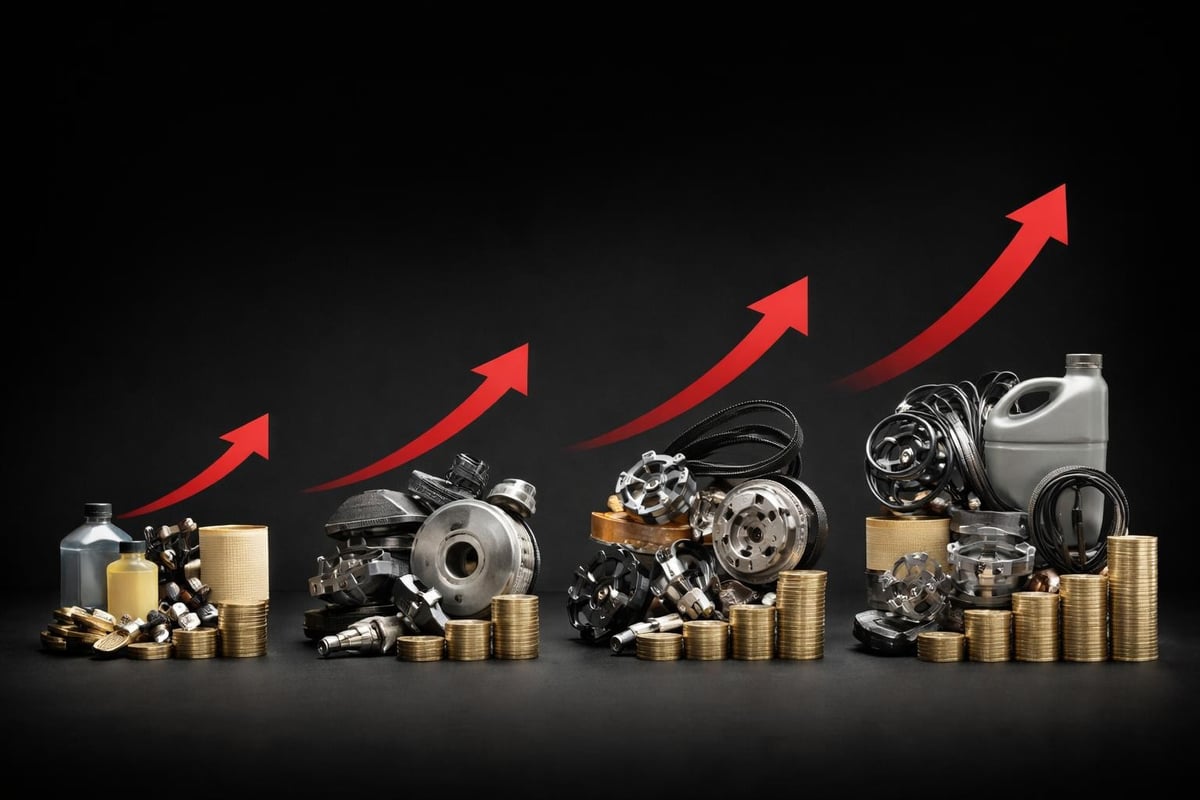
The quality of replacement parts significantly influences your total car general service cost. Understanding the options helps you make informed decisions about where to invest and where you might save.
OEM Versus Aftermarket Parts
Original Equipment Manufacturer (OEM) parts match your vehicle's factory specifications exactly but command premium prices. Aftermarket parts offer cost savings, sometimes 30-50% less than OEM equivalents, but quality varies significantly between manufacturers.
For performance vehicles and modified cars, choosing high-quality aftermarket or OEM parts often proves worthwhile for maintaining reliability and resale value. Many enthusiasts prefer documenting their parts choices in their maintenance receipts to build a comprehensive service history.
Fluid and Filter Costs
Oil type dramatically impacts service pricing. Conventional oil changes cost $35-$75, while synthetic oil services range from $65-$150. Full synthetic oil, required by many modern engines, provides superior protection but increases the car general service cost substantially.
High-performance and modified vehicles often require specialized fluids that further increase costs. Track-focused cars might need high-temperature brake fluid, while forced-induction engines benefit from premium synthetic oils with specific viscosity ratings.
Where You Service Your Vehicle Matters
The service provider you choose creates significant variation in your car general service cost. Each option offers distinct advantages and pricing structures.
Dealership Service Centers
Dealerships provide manufacturer-trained technicians, OEM parts, and warranty-compliant service but typically charge premium rates. For newer vehicles under warranty, dealership service often makes sense to maintain warranty coverage and ensure proper documentation.
Average dealership service costs run 20-40% higher than independent shops for identical services. However, understanding vehicle repair costs helps you recognize when paying more delivers genuine value.
Independent Repair Shops
Independent mechanics offer competitive pricing and often more personalized service than dealerships. Reputable shops with ASE-certified technicians deliver quality work at lower hourly rates, reducing your overall car general service cost.
The challenge lies in finding trustworthy independent shops with experience in your specific vehicle type. For modified or specialty vehicles, locating mechanics familiar with performance parts and aftermarket components becomes especially important.
Quick-Lube Chains
Quick-lube establishments focus primarily on oil changes and basic maintenance, offering the lowest car general service cost but limited service scope. These facilities work best for straightforward oil changes on standard vehicles but may not suit complex or modified cars requiring specialized knowledge.
| Service Provider | Average Oil Change | Minor Service | Major Service |
|---|---|---|---|
| Quick-Lube Chain | $45-$75 | $150-$250 | Not Available |
| Independent Shop | $60-$100 | $200-$350 | $600-$900 |
| Dealership | $80-$150 | $280-$450 | $800-$1,400 |
Regional and Seasonal Cost Variations
Geographic location creates substantial differences in service pricing across the United States. Understanding these variations helps you budget appropriately and potentially save money through strategic timing.
Urban Versus Rural Pricing
Metropolitan areas consistently show higher service costs than rural locations. Cities like New York, San Francisco, and Los Angeles may charge 25-40% more than smaller towns for identical services due to higher overhead costs, labor rates, and real estate expenses.
Conversely, rural areas might offer limited service options, potentially requiring travel to larger towns for specialized work, which adds indirect costs to your maintenance budget.
Seasonal Considerations
Service costs can fluctuate seasonally based on demand and specific maintenance needs. Spring and fall see increased service appointments as drivers prepare for extreme weather conditions, potentially leading to longer wait times and occasionally higher pricing during peak periods.
Winter preparation services including battery testing, antifreeze checks, and tire changes create seasonal spikes in car general service cost for drivers in colder climates.
Budgeting Strategies for Service Costs
Managing your car general service cost effectively requires planning and understanding your vehicle's specific needs. Creating a realistic maintenance budget prevents financial surprises and ensures your vehicle receives proper care.
Annual Cost Estimation
Most vehicles require 2-3 minor services and 1 intermediate or major service annually, depending on mileage. For a typical sedan, expect annual maintenance costs between $800 and $1,500 for routine services alone.
Performance vehicles, luxury cars, and heavily modified builds often require substantially higher budgets. Yearly car maintenance costs can exceed $2,500-$3,500 for high-performance vehicles driven enthusiastically.
Creating a Maintenance Reserve
Financial experts recommend setting aside $100-$200 monthly for vehicle maintenance and repairs. This reserve covers both routine services and unexpected repairs, preventing budget strain when service needs arise.
For car enthusiasts with multiple vehicles or project cars, tracking individual vehicle expenses becomes crucial. CarJourney Pro offers unlimited vehicle tracking and AI-powered maintenance insights that help you understand each car's unique cost profile and optimize your maintenance budget across your entire collection. CarJourney Pro - Yearly provides the comprehensive tools needed to manage multiple builds and track every service dollar effectively.

Money-Saving Approaches
Several strategies reduce car general service cost without compromising quality:
- Bundle services when possible to save on labor costs
- Compare quotes from multiple providers before committing
- Follow manufacturer intervals rather than arbitrary suggestions
- Learn basic maintenance like air filter replacement to reduce shop visits
- Buy quality parts upfront to avoid repeated repairs
- Maintain detailed records to identify patterns and prevent duplicate work

Modern Vehicle Technology and Service Costs
Today's vehicles incorporate sophisticated technology that impacts maintenance requirements and costs. Understanding these factors helps you anticipate future car general service cost trends.
Electric and Hybrid Vehicles
Electric vehicles (EVs) generally require less frequent service than traditional internal combustion engines, eliminating oil changes and many fluid services. However, specialized training requirements and limited service networks can increase hourly labor rates for EV maintenance.
Hybrid vehicles combine both cost structures, requiring traditional engine maintenance plus additional electrical system expertise. Battery cooling system maintenance and high-voltage component inspections add unique costs to hybrid service appointments.
Advanced Driver Assistance Systems
Modern safety features like adaptive cruise control, lane-keeping assist, and automatic emergency braking require specialized calibration after certain repairs. Windshield replacement on vehicles with camera-based systems, for example, can add $200-$500 in calibration costs to what was traditionally a straightforward repair.
These systems increase the overall car general service cost as shops invest in equipment and training to service modern vehicles properly.
Documentation and Record Keeping
Maintaining comprehensive service records provides multiple benefits beyond simple organization. Proper documentation impacts resale value, warranty claims, and long-term maintenance planning.
Digital Versus Paper Records
Traditional paper receipts fade, get lost, or become damaged over time. Digital record-keeping solves these problems while enabling powerful analysis of maintenance patterns and costs. Modern platforms allow you to track service history, calculate cost per mile, and identify unusual expense patterns that might indicate underlying issues.
For modified vehicles, detailed documentation of both maintenance and modifications becomes essential for insurance purposes and future buyers who want to understand the vehicle's complete history.
Tracking Long-Term Patterns
Analyzing your service history reveals valuable insights about your vehicle's reliability and helps predict future expenses. Cars showing increasing service frequency or escalating repair costs might signal approaching major component failures requiring budget preparation.
By understanding how car depreciation intersects with rising maintenance costs, you can make informed decisions about when to invest in repairs versus when to consider replacement.
Service Intervals and Timing Optimization
Following appropriate service intervals optimizes both vehicle longevity and cost management. Neither over-servicing nor under-servicing benefits your wallet or your car.
Manufacturer Recommendations
Your owner's manual provides the definitive service schedule for your vehicle. Modern cars often feature two schedules: normal and severe driving conditions. Most vehicles actually operate under "severe" conditions, which include:
- Frequent short trips (less than 10 miles)
- Stop-and-go traffic
- Extreme temperatures
- Dusty or dirty environments
- Towing or hauling
Following the severe service schedule typically means more frequent maintenance but prevents premature wear and expensive repairs.
Mileage-Based Scheduling
Traditional service intervals use mileage markers like 5,000, 30,000, or 60,000 miles. However, modern synthetic oils and improved components allow many vehicles to safely extend intervals to 7,500 or even 10,000 miles between services.
Consulting recent average car repair prices helps you understand whether your service provider's recommendations align with current industry standards or represent overselling.
Time-Based Considerations
Vehicles driven infrequently still need service based on time intervals. Fluids degrade, seals dry out, and batteries discharge even when cars sit stationary. Annual service appointments make sense even for low-mileage vehicles to maintain reliability and safety.
Special Considerations for Modified Vehicles
Performance modifications change service requirements and often increase car general service cost. Understanding these implications helps enthusiasts budget appropriately for their builds.
Performance Parts and Service
Modified vehicles typically require more frequent service than stock configurations. Forced-induction engines (turbocharged or supercharged) need more frequent oil changes, often every 3,000-5,000 miles with premium synthetic oil. Track-driven cars require brake fluid replacement every season and more frequent inspection of high-stress components.
Aftermarket parts sometimes require specialized tools or knowledge that general service shops don't possess, limiting your service options to performance-focused facilities charging premium rates.
Warranty Implications
Modifications can void manufacturer warranties, making meticulous documentation of all service and parts changes essential. When issues arise, proving that modifications didn't cause specific failures requires comprehensive records showing proper installation and maintenance.
Creating detailed service logs for modified vehicles protects your investment and provides transparency for future buyers. The auto maintenance tracker approach helps enthusiasts manage complex builds with multiple systems requiring different service intervals.
Understanding Service Quotes and Estimates
Learning to read and evaluate service quotes protects you from overcharges and helps identify reputable service providers.
Quote Components
Professional service quotes should detail:
- Specific services recommended
- Parts required with part numbers
- Labor time estimates
- Labor rate per hour
- Shop supplies and fees
- Total cost before and after taxes
Vague quotes lacking specific details or pushing unnecessary services raise red flags about shop integrity.
Asking the Right Questions
Before authorizing service work, clarify:
- Why each service is recommended now
- Consequences of delaying non-urgent services
- Warranty coverage on parts and labor
- Whether OEM or aftermarket parts will be used
- Estimated completion time
Reputable shops welcome questions and provide clear, detailed answers without pressure tactics.
Prevention as a Cost Management Tool
Proactive maintenance represents the most effective strategy for controlling long-term car general service cost. Preventing problems costs far less than repairing failures.
Regular Inspection Benefits
Catching small issues before they become major failures saves substantial money. A $200 timing belt replacement prevents a $4,000 engine rebuild. Regular brake inspections ensure you replace pads before damaged rotors require replacement alongside pads.
Driving Habits Impact
How you drive directly affects maintenance needs and costs. Aggressive acceleration, hard braking, and high-speed driving accelerate wear on engines, transmissions, brakes, and tires. Smooth, moderate driving extends component life and reduces service frequency.
Environmental Factors
Climate and road conditions significantly influence service requirements. Salt-exposed vehicles in winter climates need more frequent underbody inspections and rust prevention measures. Dusty environments require more frequent air filter changes and brake cleaning.
Understanding these factors that impact cost of repairs helps you anticipate and budget for your specific situation rather than relying on generic maintenance schedules.
Managing car general service cost effectively requires understanding the factors that influence pricing, choosing appropriate service providers, and maintaining detailed records of all maintenance activities. By following manufacturer recommendations, comparing service options, and planning for both routine and major services, you can maintain your vehicle reliably without unnecessary expenses. CarJourney provides the digital tools car enthusiasts need to track every service, monitor modification impacts on maintenance requirements, and build comprehensive vehicle histories that maximize both performance and value. Start documenting your vehicle's journey today and take control of your maintenance budget with AI-powered insights designed specifically for automotive enthusiasts.