 carjourney
From the CarJourney journal
Does Modification History Affect Vehicle Value?
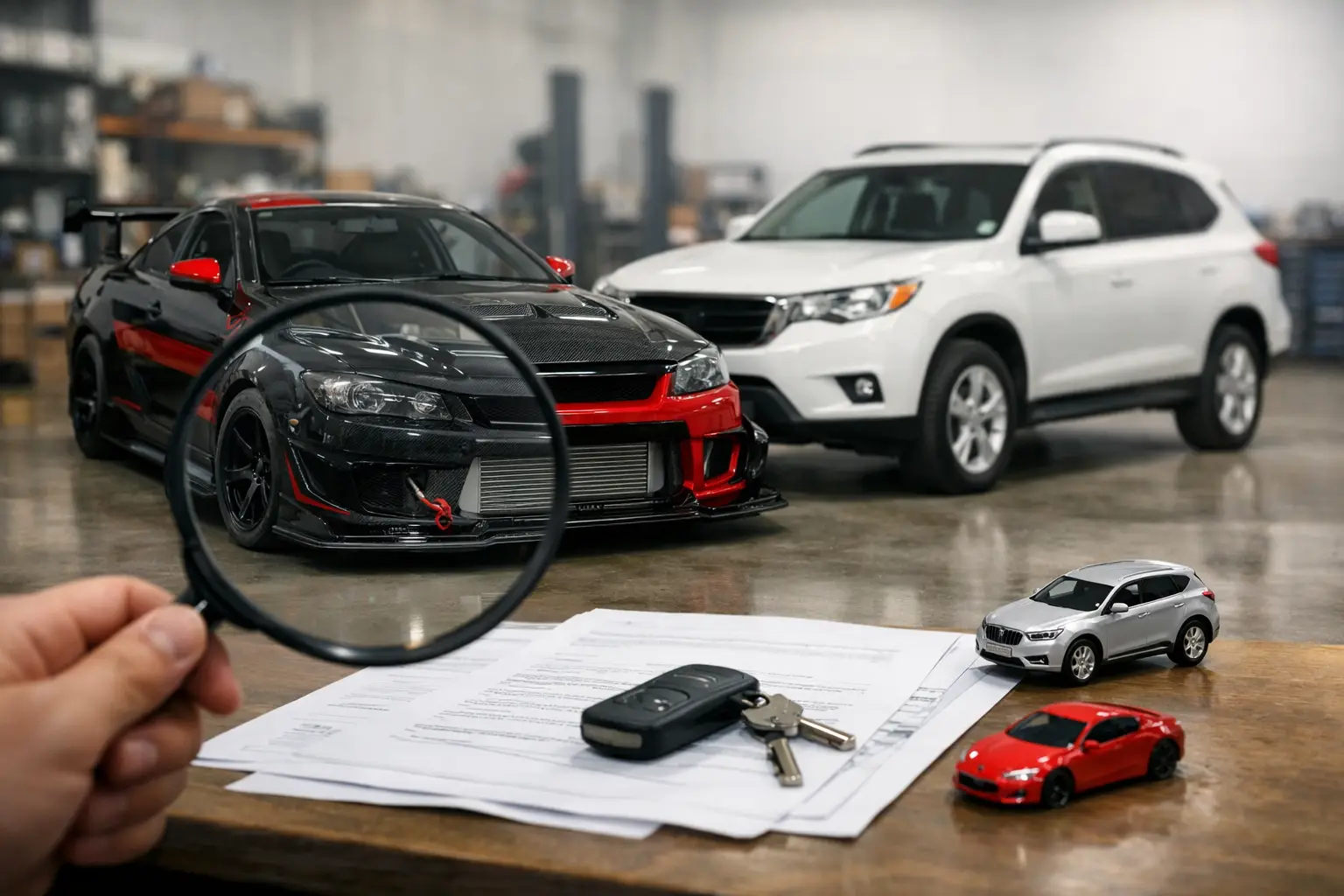
A buyer finds two versions of the same car. One has quality suspension, wheels, brakes, and a folder of receipts showing exactly what was installed and when. The other has similar parts, but the seller says, “I think the previous owner did most of it.” Those cars may look alike in photos, but they will not inspire the same offer. So, does modification history affect value? Absolutely. Often, the documentation behind the build matters nearly as much as the build itself.
Modifications do not automatically raise a vehicle’s resale price. Some narrow the buyer pool, some create questions about reliability, and some are hard to reverse. But a clear, honest history gives the right buyer a reason to trust what they are buying. That can protect value, shorten the selling process, and help your car stand out from similar listings.
Does Modification History Affect Value at Resale?
Yes, but the direction and size of the impact depend on the vehicle, the modifications, the quality of the work, and the buyer. A documented history cannot turn an unpopular modification into a universally desirable one. What it can do is reduce uncertainty.
Most used-car buyers are evaluating risk. They want to know whether the engine has been pushed too hard, whether the wiring was handled correctly, whether maintenance kept up with added performance, and whether replacement parts are available. When the history is missing, they tend to assume the worst or lower their offer to cover the unknown.
A detailed record changes that conversation. It shows part brands, installation dates, mileage at installation, shop invoices, alignment specs, tuning details, maintenance performed afterward, and photos of the work. It tells a buyer that the car was owned with intention rather than modified impulsively.
For enthusiast vehicles, this is especially valuable. A buyer shopping for a built GTI, a lifted 4Runner, a track-ready Miata, or a carefully restored truck may actively want upgrades. They are not looking for a stock example. They are looking for proof that the upgrades were selected well and supported properly.
The Modifications That Usually Help or Hurt
The strongest value gains usually come from modifications that fit the car’s purpose and improve the ownership experience without creating major reliability or legality concerns. High-quality tires, reputable brake upgrades, tasteful wheels, paint protection film, a clean audio installation, modern safety improvements, and suspension work from known brands can all be positives for the right buyer.
Maintenance-backed upgrades are also easier to defend. If a performance tune was paired with more frequent oil changes, transmission service, cooling upgrades, and dyno documentation, the story is much stronger than a tune alone. The same goes for off-road builds. A lift, skid plates, and all-terrain tires make more sense when records show regular inspections, alignment work, and drivetrain maintenance.
On the other hand, poorly documented engine swaps, cut wiring, cheap coilovers, emissions-delete hardware, extreme camber, and unknown tuning can lower value even when the car appears impressive. A buyer may worry about inspection issues, insurance complications, future repair costs, or difficulty finding a qualified shop.
Personal taste matters, too. A widebody kit, bright wrap, giant wing, or highly customized interior can be perfect for one buyer and a deal-breaker for ten others. That does not mean you should avoid building the car you want. It means you should build with clear expectations. The goal is not always to recover every dollar spent. It is to preserve trust and reach the buyer who appreciates the work.
Quality beats the price of the parts
A $2,000 part installed correctly with supporting documentation can add more confidence than a $6,000 collection of parts with no record. Buyers notice brands, but they also notice workmanship. Receipts from a respected performance shop, before-and-after photos, and notes about supporting maintenance carry real weight.
If you installed the parts yourself, document that process just as carefully. Save purchase receipts, take clear photos during installation, note torque specs and fluids used where relevant, and record the mileage. Experienced enthusiasts respect capable DIY work. They simply want evidence that it was done thoughtfully.
Why Service History Makes Modified Cars More Valuable
A modification log is only half the story. A modified car without maintenance records can still look like a liability.
More power increases stress on components. Larger tires affect brakes, wheel bearings, gearing, and fuel economy. Track use accelerates wear on fluids, pads, rotors, tires, and suspension pieces. Even cosmetic work can require care, such as proper wrap maintenance or paint correction records. When you show how you maintained the car after modifying it, you answer the question every serious buyer is asking: was this vehicle cared for after the fun parts went on?
This is where organized ownership records create an advantage. Instead of handing over a stack of fading receipts, you can present a timeline that shows service and modifications together. A buyer can see the clutch replacement before the power increase, the oil analysis after it, or the alignment after new suspension was installed.
CarJourney gives owners one place to log modifications, services, photos, costs, and supporting documents. That turns scattered ownership details into a clear build history buyers can understand without asking you to reconstruct years of work from memory.
Build Records That Buyers Actually Trust
The best records are specific, consistent, and easy to review. You do not need to overwhelm a buyer with every minor purchase, but you should be prepared to show the details behind meaningful work.
For each major modification, record the part manufacturer and model, installation date, mileage, installer, total cost, and any warranty information. Include photos when they reveal workmanship, part condition, or supporting components that are difficult to see later. If the vehicle was tuned, keep the tuner’s information, fuel requirements, maps used, dyno sheets if available, and notes about emissions compliance in your state.
For service, log the date, mileage, work completed, parts and fluids used, and who performed it. Keep receipts and invoices even if you have a digital entry. Original documents help verify the story, while the organized log makes the story easy to follow.
Be honest about repairs, accidents, and removed parts. Hiding a problem rarely works with knowledgeable buyers, inspections, or vehicle-history reports. A straightforward explanation of what happened, how it was repaired, and who completed the work often protects trust better than silence.
Keep the stock parts when possible
Original parts can be valuable leverage at sale time. They give a buyer options and make a modified vehicle feel less permanent. Stock wheels, exhaust components, intake pieces, suspension parts, and interior trim can help you appeal to buyers who want a cleaner starting point.
In some cases, returning a car to stock and selling premium aftermarket parts separately brings more money overall. This is common when a build is highly personalized or when the vehicle attracts a broad mainstream market. For rare, enthusiast-focused cars, selling the complete documented build may make more sense. The right move depends on demand for that specific model and the quality of your parts.
How to Present a Modified Vehicle for Sale
Do not make buyers hunt for the history in a 40-message conversation. Present the vehicle as a complete package from the beginning. Your listing should state the major modifications plainly, identify reputable brands, and explain the car’s intended use. Avoid calling a car “fully built” without details. That phrase creates more questions than confidence.
Have a clean digital record ready to share with serious buyers. Start with a brief build overview, then provide the detailed timeline, invoices, photos, and maintenance records. Include recent service first, because that is what helps a buyer understand immediate ownership costs.
Price with the market in mind, not just your receipts. Most modifications do not return dollar-for-dollar. A $10,000 build may make a car more desirable than stock, but it does not automatically add $10,000 to its market value. Research comparable vehicles, consider how broad or specialized the buyer pool is, and leave room for a knowledgeable buyer to recognize the value of the work.
A well-documented build is not just easier to sell. It gives the next owner a better starting point, whether they keep your vision intact or take the car in a new direction. Keep the records current, save the proof, and let the history show the care behind every part.