 carjourney
From the CarJourney journal
Seasonal Storage Maintenance Planner for Your Car
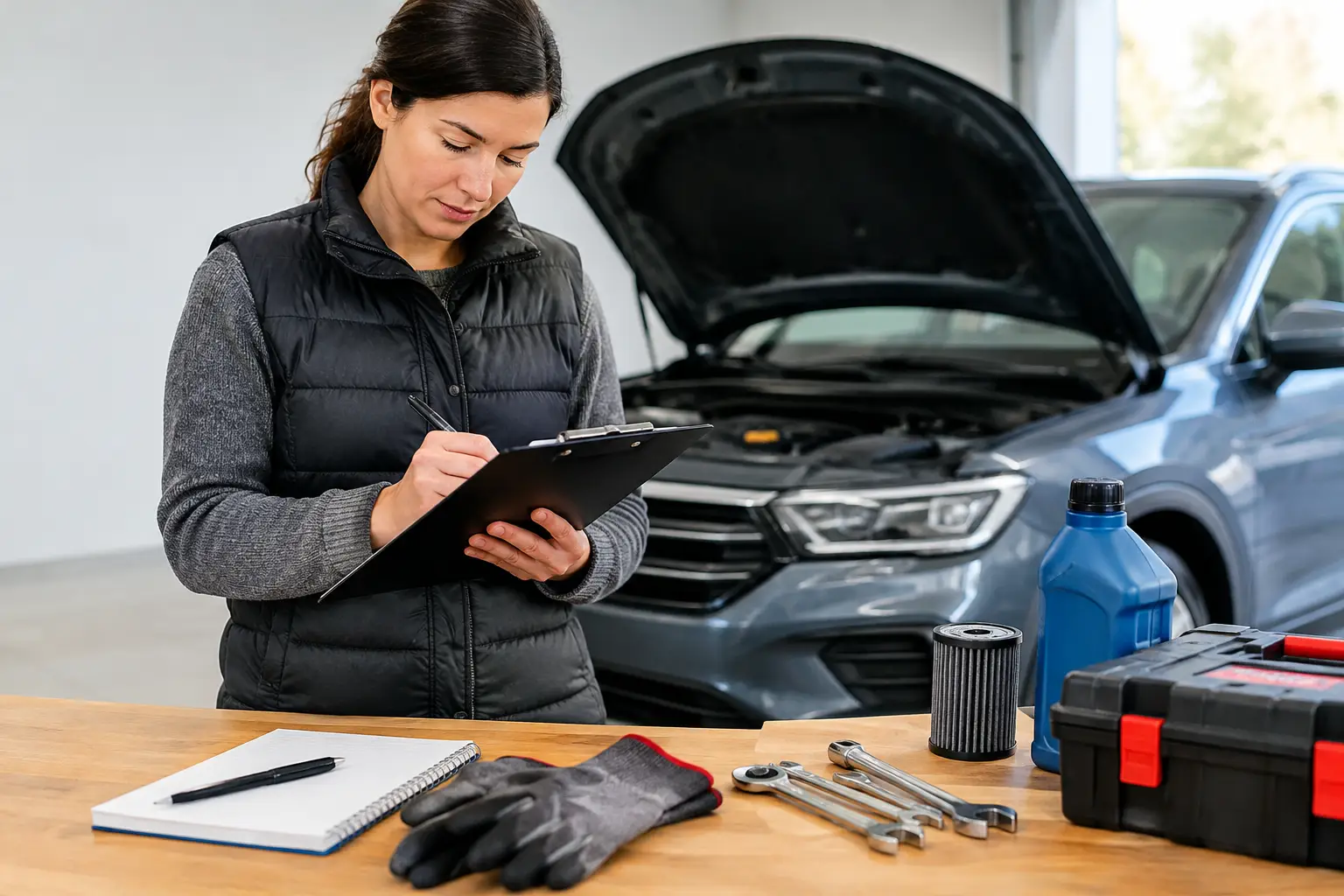
That first warm weekend after storage should start with a confident key turn, not a dead battery, flat-spotted tires, or a fuel-system problem you could have prevented. A seasonal storage maintenance planner gives your car a clear routine before it sits, while it is parked, and before it returns to the road.
For enthusiasts, seasonal storage is not just about keeping a vehicle out of bad weather. It is about protecting the history, condition, and money tied up in a car you care about. Whether you are putting away a summer cruiser, a track build, a classic, or a second vehicle, a few documented checks can prevent the kind of small issues that become expensive setbacks.
Build a seasonal storage maintenance planner around your car
There is no single storage schedule that fits every vehicle. A car stored for four weeks in a climate-controlled garage needs less attention than a classic sitting for five months through freezing temperatures. Your plan should account for storage length, local humidity, whether the space is heated, and the car's age and condition.
Start by choosing a storage date and a target wake-up date. Those dates create the framework for everything else: pre-storage service, recurring checks, insurance or registration reminders, and the return-to-road inspection. If your plans change, update the date. A vehicle that sits two extra months may need another battery check, tire inspection, or fuel assessment before it is ready to drive.
Before parking it, log the odometer reading, fuel level, tire pressures, battery condition, and any issues already on your radar. Take current photos of the exterior, interior, engine bay, and any areas with existing cosmetic damage. This creates a useful baseline if you later notice a leak, pest damage, paint issue, or change in condition.
Clean it before you cover it
Storage locks in whatever is already on the car. Road salt, brake dust, bug residue, tree sap, and bird droppings can damage paint and trim when left for months. Wash and dry the exterior thoroughly, clean the wheels, and remove food, drink containers, and anything that could attract pests from the cabin or trunk.
If the vehicle will sit through a damp season, make moisture control part of the plan. A clean, dry garage is better than an airtight environment that traps humidity. Use a breathable car cover only after the paint is fully dry, and inspect the cover occasionally for moisture or debris. Plastic tarps can trap condensation against the finish and are usually a bad trade-off for long-term storage.
Protect fluids, fuel, tires, and the battery
Fresh oil is a smart move when the current oil is near the end of its interval or contaminated from short trips, track use, or hard driving. You do not need to change oil before every brief storage period, but a car parked for an entire season should not sit with overdue oil in the crankcase.
Fuel deserves the same level of attention. For gasoline-powered cars stored for several months, fill the tank to reduce air space and condensation, then use a fuel stabilizer according to its directions. Run the engine long enough for treated fuel to circulate through the system before shutting it down. For ethanol-sensitive classics, motorcycles, or small-engine equipment, your fuel strategy may be different. Follow the vehicle and fuel-system guidance rather than treating every tank the same.
Set tire pressure to the manufacturer's recommended specification or the appropriate storage recommendation for your setup. Tires can lose pressure slowly while parked, and a low tire carrying the vehicle's weight for months is more likely to develop a flat spot. If the car will be down for a long time, moving it occasionally can help, but only if you can do so safely without repeatedly starting it for a few minutes.
For the battery, a quality battery maintainer is usually the best option for a stored vehicle with access to power. It keeps the battery topped up without the overcharging risk of an old-style trickle charger. If you cannot use a maintainer, disconnecting the negative terminal can reduce parasitic drain, though you may lose radio presets, clock settings, or adaptive memory. Record what you choose so there is no guesswork when the car comes back out.
Set a storage check schedule you will actually follow
The most useful planner is not the most detailed one. It is the one you can maintain without turning every garage visit into a project. Add recurring reminders to your phone or vehicle record system, then keep each check focused.
A practical schedule for most seasonal vehicles looks like this:
- Every two weeks: Inspect the garage area for leaks, pests, rodent activity, or obvious cover issues.
- Every month: Check tire pressure, battery maintainer status, and moisture levels inside the cabin and trunk.
- Every six to eight weeks: Look under the vehicle for new fluid spots and inspect brake rotors, exposed metal, and weatherstripping.
- Before the planned return date: Review the complete wake-up checklist and schedule any service the vehicle will need before its first serious drive.
Do not start the engine just to let it idle for five minutes. Short idle sessions may not bring the oil, exhaust, transmission, and engine fully to operating temperature. That can leave moisture in the system and add unnecessary wear without providing the benefits of a real drive. If conditions allow, a proper drive long enough to reach full operating temperature is different. If the vehicle cannot be driven, leave it stored correctly and follow your battery and fuel plan.
Pest prevention is worth taking seriously, especially in garages, barns, and shared storage buildings. Check for droppings, nesting material, chewed wiring, or a musty cabin smell. Avoid sealing a vehicle so tightly that you create a moisture problem, but do remove attractants and inspect vulnerable areas regularly. A quick check now is far better than diagnosing an electrical issue after rodents have damaged a harness.
Prepare the car for its first drive back
Storage ends with an inspection, not a spirited pull out of the driveway. Remove the cover, look over the vehicle in good light, and compare its condition with the photos you took before storage. Check beneath the car for fresh leaks, inspect tires for proper pressure and cracking, and look at the battery terminals for corrosion.
Start with the basics: confirm fluid levels, test exterior lights, verify brake pedal feel, and check that the parking brake releases cleanly. If you disconnected the battery, reset the clock and review any warning lights after startup. Let the car warm normally, then take a short, calm test drive close to home. Listen for brake noise caused by surface rust, watch temperatures and warning indicators, and make sure the transmission, steering, and clutch feel normal.
Pay special attention to brakes after a long sit. Light rotor rust is common and often clears after a few controlled stops, but a sticking caliper, soft pedal, or persistent grinding deserves immediate attention. The same goes for a tire that will not hold pressure, a new fuel smell, or any coolant or oil leak. Storage does not create every problem, but it can expose one that was already developing.
Keep the storage record with the rest of the build
A seasonal storage plan is part of your vehicle history, not separate paperwork that gets lost in a garage drawer. Log the pre-storage inspection, products used, battery setup, service completed, photos, and return-to-road checks alongside your normal maintenance and modifications.
That record helps you make better decisions next season. You will know whether the battery needed replacement, whether one tire consistently lost pressure, when the oil was changed, and what was inspected before the car returned to service. It also gives a future buyer proof that the vehicle was cared for during the months it was not being driven.
CarJourney can keep those entries, photos, documents, mileage notes, and recurring reminders in one vehicle profile instead of splitting them across receipts, calendar alerts, and old phone photos. The goal is simple: protect the car now and preserve a history that makes its condition easier to trust later.
Your car does not need constant attention while it is stored. It needs the right attention at the right moments. Put those moments on a calendar, document what you do, and the next seasonal startup can feel like getting back into a car you know, not one you have to rediscover.